

Living in a high rise apartment makes many people feel safe from pests like rats. After all, you’re many floors above the ground, and rats are ground-dwelling creatures, right?
Unfortunately, the reality is more complicated. If you’ve heard stories about rats in high rise buildings or seen evidence of rodents in your apartment, you’re probably wondering if rats can really make it all the way up to higher floors. So can rats actually get into high rise apartments?
Yes, rats can get into high rise apartments, even on upper floors. They enter buildings through ground-level entry points like gaps in foundations, utility lines, and loading docks, then travel through walls, elevator shafts, trash chutes, and plumbing systems to reach apartments on any floor, including the top floors.
The height of your apartment doesn’t protect you from rats as much as you might think. Once rats are inside the building, they can access almost any floor through the building’s internal systems.
How Rats Enter High Rise Buildings
High rise buildings have ground-level entry points just like any other structure, and these are where rats usually get in.
Loading docks are major entry points in many high rise buildings. These areas are constantly opening and closing for deliveries, and the large doors often don’t seal perfectly when closed.

Gaps under exterior doors at ground level let rats slip inside. Even a small gap under a door that leads to a lobby, parking garage, or service area is enough for a rat to squeeze through.
Parking garages are especially vulnerable. The vehicle entrances often stay open or have gaps, and the garage connects directly to the rest of the building through stairwells and elevators.
Foundation cracks and gaps exist in high rise buildings just like they do in houses. The sheer size of these buildings means there are more linear feet of foundation where cracks can develop.
Utility line entry points where pipes, cables, and conduits enter the building create gaps that rats can use. These entry points are at ground level but connect to systems that run throughout the entire building.
Traveling Through Building Systems
Once rats are inside a high rise building, they have multiple ways to travel between floors.
Wall cavities provide highways for rats to move vertically through the building. The space behind drywall and between studs gives rats protected routes from floor to floor.
Rats are surprisingly good climbers and can easily scale the inside of walls using pipes, wires, and the rough surfaces of building materials as handholds.
Elevator shafts are like rat superhighways. These vertical spaces run the entire height of the building, and rats can climb up and down them with ease.

Trash chutes give rats another way to travel between floors. These chutes run from the top of the building to the basement, and rats can climb inside them or travel through gaps around them.
Plumbing chases (the spaces where plumbing pipes run vertically through the building) connect every floor. Rats follow these pipes up and down, accessing different apartments through gaps around the pipes.
HVAC ductwork can also provide travel routes, though rats are less likely to use ducts that are actively circulating air. But in older buildings with damaged or disconnected ducts, rats definitely use these systems.
Ground Floor vs. Upper Floor Risk
While rats can reach any floor, there are some differences in risk between lower and higher floors.
Ground floor and basement apartments are at highest risk because they’re closest to the rats’ entry points. If rats enter the building, they’ll encounter ground floor apartments first.
Second and third floor apartments still have elevated risk compared to much higher floors. Rats don’t have to travel as far to reach these levels.
Upper floors (10th floor and above) tend to have fewer rat problems, but they’re not immune. Rats that are established in a building will explore all floors looking for food and nesting sites.
Top floor apartments might seem safest, but rats can actually reach them through trash chutes that start on the roof or through vent systems that access the roof.
The real determining factor isn’t how high your apartment is, but whether rats have gotten into the building at all and whether your specific apartment has attractants or entry points.
Common Entry Points Into Individual Apartments
Even if rats are in the building, they still need a way to get from the building’s systems into your specific apartment.
Gaps around pipes under sinks are the most common entry point. The holes in your walls and floors where plumbing pipes enter are often larger than the pipes themselves, leaving gaps rats can squeeze through.
Holes behind stoves and refrigerators where gas lines or water lines enter are frequently overlooked entry points. These appliances hide the gaps, so you might not know they exist.

Gaps around radiator pipes or heating system pipes give rats access, especially in older buildings with steam heat systems.
Damaged walls or floors create openings. Holes left from previous renovations, cracks in old plaster, or water-damaged drywall can all let rats in from the wall cavities.
Door gaps, especially at the bottom of apartment entrance doors, can let rats in if they’re in the hallway. A gap of just half an inch is enough.
Gaps around electrical outlets and light switches might seem too small, but if the wall cavity behind them has rats, they can chew around these openings to make them bigger.
Why Rats Go to Upper Floors
You might wonder why a rat would bother climbing many floors when there’s probably food available on lower levels.
Less competition exists on upper floors. If many rats are in the building, the ones on lower floors will be competing heavily for food and territory. Rats that venture higher have less competition.
Some apartments on upper floors provide better food sources than lower apartments. If you leave food out or have poor food storage practices, rats will find their way to you regardless of what floor you’re on.
Upper floor apartments might have fewer people noticing and reporting rat activity, which allows rats to establish themselves before anyone takes action.
Pregnant female rats often travel to quieter, less disturbed areas to have their babies. Upper floors can be quieter than lower floors, making them attractive for nesting.
Once a rat finds a good food source or nesting site on an upper floor, it’ll stay there and other rats will follow the scent trails, establishing a population on that floor.
Trash Chutes and Rat Problems
Trash chutes are particularly problematic in high rise buildings when it comes to rats.
These chutes provide a direct vertical path through the entire building. A rat can enter the chute system at any point and travel up or down to any floor.
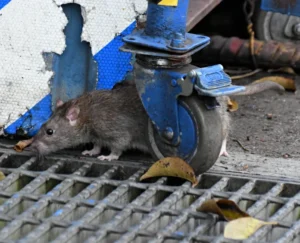
Trash chutes always have food smells, which attract rats to them in the first place. As people throw away food waste, the odors waft through the chute system.
The doors to trash chutes on each floor often don’t seal perfectly. Gaps around these doors let rats exit the chute system and access the hallways of any floor.
Trash chute rooms (the small rooms where residents access the chutes) are often kept closed but not locked. Rats can be inside these rooms without residents knowing.
Broken or damaged chute doors make the problem worse. If a chute door doesn’t close or latch properly, it’s like leaving a door open for rats.
The bottom of the trash chute system, where trash collects, is usually in the basement. This area is prime rat habitat, and rats living there have easy access to the entire chute system.
Building Age and Maintenance
Older high rise buildings tend to have more rat problems than newer ones, though even new buildings can have issues.
Older buildings have more cracks, gaps, and deteriorated seals. Years of settling, temperature changes, and general wear create entry points that didn’t exist when the building was new.
Plumbing and electrical systems in older buildings often have been modified multiple times, creating additional holes and gaps where rats can travel.
Building maintenance matters more than age. A well-maintained older building will have fewer rat problems than a poorly maintained newer building.
Buildings that don’t promptly repair water damage, seal cracks, or fix damaged doors and windows will develop rat problems faster.
Regular pest control service is necessary in high rise buildings. Buildings that don’t have ongoing professional pest management are much more likely to have rat infestations.
What Attracts Rats to High Rise Buildings
High rise buildings actually offer several advantages to rats, which is why infestations can be persistent.
Constant food availability comes from hundreds or thousands of residents. Even if most residents are careful, only a few sloppy ones can provide enough food to support a rat population.
Trash rooms on each floor provide concentrated food sources. If trash isn’t taken out regularly or if bags break open, rats have easy access to meals.

Warmth and shelter are guaranteed in high rise buildings. The climate-controlled environment is perfect for rats year-round.
Water is readily available from building plumbing systems. Rats need water daily, and the extensive plumbing in high rises ensures they can always find it.
Many hiding places exist in the complex infrastructure of high rise buildings. Rats can nest in walls, ceiling spaces, elevator shafts, and utility areas without being disturbed.
Signs of Rats in Your High Rise Apartment
Knowing what to look for helps you identify a rat problem early.
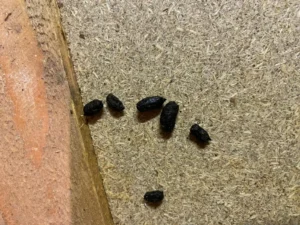
Droppings are the most obvious sign. Rat droppings are about half an inch long, dark, and shaped like grains of rice. You’ll find them along walls, in cupboards, or under sinks.
Scratching or scurrying sounds in the walls or ceiling, especially at night, indicate rats are traveling through the building systems near your apartment.
Chew marks on food packages, cardboard, or even on woodwork show that rats have been in your apartment.
Grease marks along walls or baseboards appear where rats regularly travel. Their oily fur leaves dark smudges on surfaces.
An unusual smell, musty and stale, can indicate rats. This smell comes from their urine and the oils in their fur.
If you see a rat, even just once, it means there are probably more. Rats are cautious and avoid humans, so if you see one, it indicates they’re comfortable enough in your apartment to move around.
What to Do If You Have Rats
If you discover rats in your high rise apartment, you need to take action immediately and involve building management.
Report the problem to your building management right away. Rat problems in high rise buildings can’t be solved by individual tenants alone. The building needs to address the issue systematically.
Seal any gaps or holes in your apartment that rats could use to enter. Pay special attention to areas under sinks, behind appliances, and around pipes.
Store all food in sealed containers. Don’t leave food out on counters, and make sure your cupboards close tightly.
Take your trash out daily and don’t let it pile up. Make sure your kitchen trash can has a tight lid.
Clean up crumbs and spills immediately. Even small amounts of food can attract and sustain rats.
Don’t use poison baits on your own in an apartment building. Poisoned rats can die in walls or other inaccessible areas, creating terrible smells and health hazards.
Building Management Responsibilities
Your building management has legal and practical responsibilities when it comes to rat control.
They need to hire professional pest control services to address the building-wide infestation. Individual apartment treatment won’t work if rats are in the building systems.
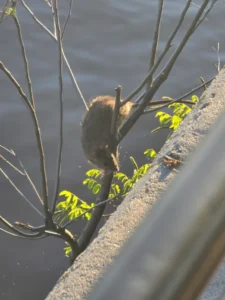
Management should seal entry points at ground level and throughout the building. This is a big job in a high rise but it’s necessary for long-term control.
Regular inspections should be conducted in common areas, trash rooms, and building systems to catch new rat activity early.
Trash management needs to be improved. Chutes should be regularly cleaned, trash rooms should be kept clean, and trash should be removed from the building frequently.
Building management should communicate with residents about the problem and about best practices for preventing rats. Resident cooperation is necessary for success.
If management isn’t taking the problem seriously, document everything and consider contacting your local health department. Rat infestations are health hazards that authorities take seriously.
Preventing Rats in Your Apartment
Even if the building has rats, you can make your individual apartment less attractive to them.
Keep your apartment very clean. Rats need food, so if they can’t find any in your apartment, they’ll focus on apartments where food is available.
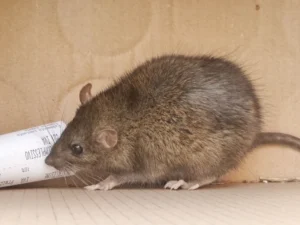
Store food properly in sealed glass or metal containers. Rats can chew through plastic, paper, and cardboard.
Don’t leave dirty dishes in the sink overnight. Wash them or at least rinse them immediately after use.
Seal any gaps you find around pipes, in walls, or at the bottom of your door. Use steel wool stuffed into gaps, then covered with caulk or cement.
Don’t store food in your bedroom or living areas. Keep all food in the kitchen where you can properly store and protect it.
If you have pets, don’t leave pet food out all the time. Feed your pets specific meals and remove the bowls when they’re done eating.
Can You Break Your Lease Due to Rats?
In some cases, a severe rat infestation might give you grounds to break your lease, but it depends on your location and specific situation.
Most areas have habitability laws that require landlords to provide pest-free housing. If your landlord isn’t addressing a rat problem, they might be violating these laws.
Document everything, including photos of rats or rat evidence, dates when you reported the problem, and building management’s responses (or lack thereof).
Check your local tenant laws. Some areas allow tenants to withhold rent, pay for pest control themselves and deduct it from rent, or break leases if landlords don’t fix habitability issues.
You might need to give the landlord a reasonable amount of time to fix the problem before you can take action. What’s “reasonable” varies by location and situation.
Consult with a tenant rights organization or attorney if you’re considering breaking your lease. Don’t just move out without following proper procedures or you could still be liable for rent.
Conclusion
Rats can definitely get into high rise apartments, even those on upper floors. They enter buildings at ground level and use the building’s internal systems like walls, elevator shafts, and trash chutes to travel to any floor.
Living on a high floor doesn’t make you immune to rats. The best protection is a well-maintained building with good pest control practices and residents who practice good food storage and cleanliness.
If you discover rats in your high rise apartment, report it to building management immediately and take steps to make your apartment less attractive to rats. Building-wide coordination is necessary to solve rat problems in high rise buildings, so work with management and your neighbors to address the issue completely.

Hi, my name is Ezra Mushala, i have been interested animals all my life. I am the main author and editor here at snakeinformer.com.