
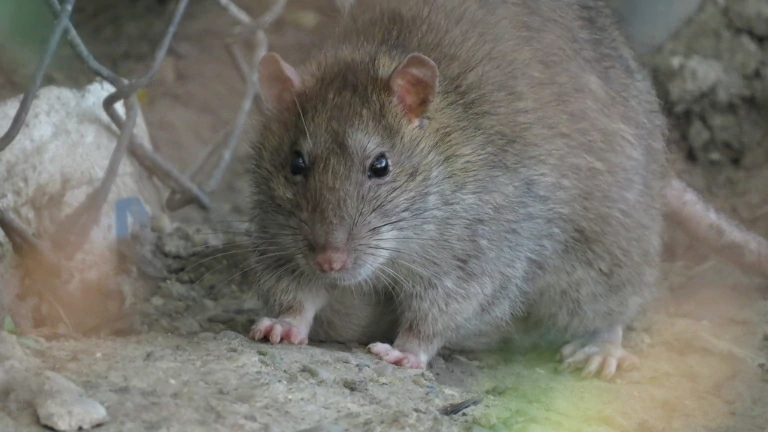
You close your cupboard doors every night, making sure everything is shut tight. Your dishes, glasses, food items, and other belongings seem secure behind those closed doors. But if you’re dealing with rats or worried about them, you might wonder whether closed doors really keep them out. Can rats get into closed cupboards?
Yes, rats can get into closed cupboards through several methods. They can squeeze through small gaps around cupboard doors, enter from behind or underneath the cupboard through openings in walls or floors, push weak doors open, or chew through thin cupboard materials. Simply closing cupboard doors doesn’t guarantee rats can’t access what’s inside.
Closed doors create an illusion of protection, but rats are incredibly persistent and resourceful. If they want what’s inside your cupboard, or if the cupboard provides good shelter, they’ll find ways to get in regardless of whether the doors are closed.
Why Closed Doors Don’t Stop Rats
Most cupboards aren’t designed with pest control in mind, and closed doors often aren’t enough to keep rats out.
Gaps around cupboard doors are extremely common. Even when a door appears closed, there’s usually a small space between the door and the cupboard frame.
This gap might only be a few millimeters, but rats can squeeze through openings as small as half an inch. Young rats can fit through even smaller spaces. If you can slide a pencil through the gap, a rat can probably fit too.

Cupboard hardware weakens over time. Magnetic catches lose their strength, hinges loosen and create larger gaps, and simple latches wear out. A door that closed tightly when your cupboard was new might have noticeable gaps years later. Rats can exploit these weakened closures by pushing doors open with their noses.
Many cupboards have access points that bypass the door completely. Rats don’t need to go through the door if they can enter from behind the cupboard, underneath it, or through gaps where the cupboard meets the wall. These alternative entry points mean that closing the door doesn’t secure the cupboard at all.
Thin cupboard materials present no real barrier to determined rats. Budget cupboards made from thin plywood, particleboard, or cheap wood can be chewed through by rats if they’re motivated enough. The back panels of cupboards are often especially thin and vulnerable.
The space inside cupboards often connects to wall cavities. If the back of your cupboard is missing or thin, and there’s a hole in the wall behind it, rats can come straight through from inside your walls into the cupboard. The closed door doesn’t matter if rats are entering from behind.
How Rats Access Closed Cupboards
Rats use several clever methods to get into cupboards even when the doors are shut.
Squeezing through gaps is the most straightforward method. Rats test every gap they find by sticking their nose in. If their head fits, their body can follow.
Their flexible skeletal structure allows them to compress their bodies and squeeze through surprisingly small openings. The gap between a closed cupboard door and its frame is often adequate.
Pushing doors open works when closures are weak. Magnetic catches, especially those that have lost strength over time, can be overcome by a determined rat.
The rat wedges its nose into any available gap and pushes. Once the magnetic catch releases, the door pops open and the rat slips inside. This happens most often at night when no one is around to hear the noise.

Entering from below is common with base cupboards. Most cupboards have a gap between the bottom and the floor, or between the cupboard and the wall. Rats traveling along walls can climb up into cupboards from underneath. The closed doors are irrelevant if rats are getting in from below.
Coming through the back works when cupboard backs are thin or missing. Many cupboards, especially older or cheaper ones, have thin back panels or no back at all.
If there’s access to the wall behind the cupboard and that wall has holes or cracks, rats can enter the cupboard from behind without ever approaching the doors.
Chewing through materials is a last resort but definitely happens. If your cupboards contain food or other items rats really want, they’ll chew through thin wood, particleboard, or plastic to get inside.
This takes time and effort, so rats usually try easier methods first, but they will chew if necessary.
Traveling through connected spaces helps rats move between cupboards. Sometimes cupboards that appear separate are actually connected behind the scenes.
Rats can enter one cupboard and then travel through shared spaces to access adjacent cupboards, all while the doors remain closed.
Signs That Rats Are Getting Into Your Closed Cupboards
Even though your cupboard doors are closed, rats leave evidence when they’re accessing the interior.
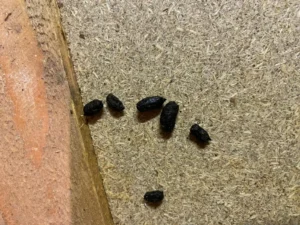
Droppings inside cupboards are the clearest sign. When you open a cupboard, check along the back edges of shelves and in corners. Rat droppings are dark brown or black, capsule-shaped, and about three-quarters of an inch long.
Fresh droppings are moist and dark, while older ones are dry and gray. Finding droppings in a cupboard you keep closed means rats have an access route that doesn’t involve the door.
Chewed packages or damaged items inside closed cupboards prove rats have been getting in. Look for holes in cardboard boxes, torn corners on bags, and gnawed edges on food containers. Rats will work through layers of packaging to reach food.
Grease marks around door edges show rats squeezing through gaps. Rats have oily fur that leaves dark, greasy streaks on surfaces they repeatedly rub against.
If you see these marks on the inside edge of a cupboard door or on the frame, rats are squeezing through the gap between the door and the frame.
Strange smells coming from closed cupboards can indicate rat nests or contamination. Rats have a musky odor that becomes noticeable in enclosed spaces where they’ve been living.
If you open a cupboard and notice an unusual smell, especially accompanied by shredded material, rats might have nested inside.
Gnaw marks on the interior of cupboards show rats have been exploring. Look for rough, scratched areas on shelves, in corners, or on the back panel.
Fresh gnaw marks are lighter in color because they expose fresh material underneath the finished surface.
Sounds from inside closed cupboards are an obvious indicator. Scratching, scurrying, or rustling noises coming from a cupboard even when it’s closed tell you rats are definitely inside. These sounds are most common at night when rats are active.
Disturbed contents when you open cupboards suggest rat activity. If items have been moved, packages are torn open, or things are scattered that you know you left organized, rats have been in there rearranging things while foraging.
Which Closed Cupboards Are Most Vulnerable
Not all cupboards face equal risk from rats, even when all the doors are closed.
Food storage cupboards are primary targets. Pantry cupboards or any cupboards where you store food are the most likely to be accessed by rats.
The smell of food motivates rats to work harder at finding entry points. Even with closed doors, rats can smell food inside through gaps and will persistently try to reach it.
Lower cupboards are more accessible than upper ones. Rats prefer to stay close to the ground where they feel safer. While they can absolutely climb and will access upper cupboards if motivated, they typically explore lower cupboards first. Anything stored at floor level faces higher risk.
Kitchen sink base cupboards are particularly vulnerable. These have large openings for plumbing, and the gaps around pipes are rarely sealed properly.
Rats can enter through these gaps from below or behind. The presence of water (from drips or condensation) makes these cupboards even more attractive.
Older cupboards with worn hardware are easier for rats to access. Loose hinges create bigger gaps, weak magnetic catches don’t hold doors shut firmly, and the wood itself might have developed cracks or damage. Age makes cupboards less secure against rats.
Free-standing cupboards or pantries are more vulnerable than built-in ones. A free-standing unit sits away from the wall, giving rats access from multiple sides and from behind. These units often have more gaps and entry points than built-in cabinetry.
Cupboards with thin or missing back panels are extremely vulnerable. If rats can access the wall cavity behind the cupboard, a thin or absent back panel gives them direct access to the cupboard interior, completely bypassing the doors.
Real Protection Beyond Just Closing Doors
Keeping rats out of cupboards requires comprehensive strategies, not just closed doors.
Seal all gaps and entry points thoroughly. Use steel wool to stuff gaps around pipes, then seal over it with caulk or expanding foam. Check where cupboards meet the floor and wall, and seal these gaps too. Rats can’t chew through steel wool, so this forces them to look elsewhere for entry.
Upgrade cupboard hardware if needed. Replace weak magnetic catches with stronger ones or install mechanical latches that actually lock.
For cupboards containing food or valuable items, consider childproof locks. While designed to keep children out, these also make it nearly impossible for rats to push doors open.
Reinforce or replace thin back panels. If your cupboard backs are very thin or missing, reinforce them with hardware cloth (metal mesh) or replace them with solid material.
This prevents rats from entering through the back even if there are holes in the wall behind.
Store food in sealed containers always. Even inside a closed cupboard, food should be in glass, metal, or thick plastic containers with tight-fitting lids.
This hides food smells that attract rats and provides a physical barrier even if rats do access the cupboard. Cardboard boxes and thin plastic packaging aren’t adequate protection.
Maintain proper gaps around doors. Cupboard doors should close flush against the frame without significant gaps. If doors don’t close properly, adjust hinges, replace worn hardware, or install weather stripping around door edges to fill gaps.
Address moisture problems immediately. Fix any leaking pipes under sinks right away. A drip attracts rats by providing water and creates an environment they find comfortable. Keeping areas under sinks dry makes cupboards less appealing.
Keep cupboards clean and organized inside. Even with closed doors, clean cupboards matter. Wipe up spills immediately, don’t let crumbs accumulate, and avoid clutter. An organized cupboard makes it easier to spot signs of rats early if they do get in.
What to Do When Rats Bypass Your Closed Doors
If you discover rats are getting into your cupboards despite keeping them closed, take immediate comprehensive action.
Empty the affected cupboards completely. Remove everything so you can thoroughly inspect and clean. Check every item for contamination. Throw away any food that rats have gotten into, even if the damage seems minor. Rats carry diseases, and contaminated food isn’t safe.
Do a detailed inspection to find how rats are entering. Since closed doors didn’t stop them, they’re using another route.
Check around all pipes very carefully, examine the entire back of the cupboard (from inside and from behind if you can access it), look at the bottom where the cupboard meets the floor, and inspect sides where the cupboard meets walls or other cupboards.
You’re looking for any gap, crack, or hole.

Clean and disinfect everything thoroughly. Use a bleach solution (one part bleach to ten parts water) or commercial disinfectant.
Spray all surfaces and let it sit for five minutes before wiping. Wear gloves and don’t sweep or vacuum droppings, as this spreads disease particles. Wipe everything with disposable paper towels you throw away immediately.
Seal all entry points you found. Use steel wool stuffed into gaps, then seal over with caulk or foam. For larger openings, you might need metal mesh or hardware cloth. Don’t skip this critical step or rats will return through the same routes.
Upgrade security measures. If rats pushed weak magnetic catches open, replace them with stronger hardware. Install additional latches or locks if necessary. Make sure doors fit properly and close tightly without gaps.
Set traps to eliminate rats currently in your home. Place snap traps along walls near affected cupboards. Bait them with peanut butter and check daily. C
ontinue trapping until you haven’t caught anything for several days. You need to get rid of existing rats while also preventing new ones from entering.
Check other cupboards in your home. If rats found one cupboard, they’ve probably explored others. Inspect all your cupboards for the same signs of activity. Address any problems you find right away.
Conclusion
Rats can definitely get into closed cupboards. Closed doors provide some obstacle, but they’re not sufficient protection on their own.
Rats can squeeze through gaps around doors, enter from behind or below cupboards through holes in walls or floors, push weak doors open, or chew through thin cupboard materials when motivated.
Real protection comes from comprehensive measures: sealing all entry points (especially around pipes and where cupboards meet walls), storing food in sealed containers, upgrading weak hardware so doors close tightly, maintaining cupboards so they don’t develop vulnerabilities, and addressing rat populations in your home generally.
Don’t rely on closed doors alone to protect your cupboards. Take multiple steps to make cupboards truly rat-resistant, and you’ll protect both your stored items and your peace of mind. Regular inspection and maintenance help you catch potential problems before they become serious infestations.

Hi, my name is Ezra Mushala, i have been interested animals all my life. I am the main author and editor here at snakeinformer.com.