

You might hear scratching sounds inside your walls or notice strange noises when the house is quiet at night. These sounds often come from spaces you can’t see or easily access.
If you have cavity walls in your home (the type with a gap between the inner and outer wall layers), you might be wondering whether rats can get into these hidden spaces. Can rats get into cavity walls?
Yes, rats can easily get into cavity walls. The hollow space between the inner and outer walls provides perfect pathways for rats to travel throughout your home. They can enter through gaps around pipes, vents, cracks in the exterior wall, or openings near the roof, and once inside, they can move freely through the cavity.
Cavity walls are actually one of the most common places rats live in homes. The space is protected from weather, hidden from people and predators, and often provides access to different floors and rooms.
From a rat’s perspective, cavity walls are like a highway system running through your entire house.
What Makes Cavity Walls So Attractive to Rats
Cavity walls have features that rats find extremely appealing for both travel and nesting.
The hollow space itself is the main attraction. Most cavity walls have a gap of about two to four inches between the inner and outer wall layers.
This space is large enough for rats to move around comfortably but small enough to make them feel secure. Rats prefer tight, enclosed spaces where they feel protected from predators.
Protection from weather and temperature extremes makes cavity walls ideal. The space inside cavity walls stays relatively warm in winter and cool in summer.
It’s protected from rain, wind, and direct sunlight. For rats looking for a comfortable place to nest, especially when raising babies, this environment is perfect.

Cavity walls provide hidden travel routes. Rats can move from the basement to the attic, from room to room, and throughout your entire home while staying completely hidden.
They don’t have to expose themselves by traveling through open areas where you might see them or where pets might catch them.
The vertical nature of cavity walls suits rats well. Rats are excellent climbers and have no trouble moving up and down inside walls.
They use their claws to grip any texture in the wall surface, and they can wedge themselves between the two wall layers to climb even smooth surfaces.
Insulation inside cavity walls creates comfortable nesting material. Many cavity walls contain insulation like fiberglass or foam. Rats will tear up insulation to make soft, warm nests.
The insulation also provides additional sound dampening, which means rats feel even more hidden and secure.
How Rats Enter Cavity Walls
Rats use various entry points to access the hollow space inside your walls.
Gaps around utility lines are one of the most common entry points. Wherever pipes, electrical cables, or other utilities enter your home through the exterior wall, there’s usually a gap around them.
These gaps might be sealed with caulk or foam when the house is first built, but over time this material deteriorates.
Rats only need a gap as small as half an inch to squeeze through, so even minor damage to seals creates an entry point.

Weep holes in brick walls provide direct access to cavity walls. Weep holes are small openings at the bottom of brick walls designed to let moisture drain out.
They’re necessary for the wall’s health, but they also create perfect entry points for rats. A standard weep hole is typically large enough for a rat to squeeze through without any trouble.
Cracks in exterior walls let rats into the cavity. Over time, walls develop cracks from settling, temperature changes, and general aging. Even small cracks can widen enough for rats to enter.
Rats will also work at cracks, making them larger by chewing and digging until they can fit through.
Roof junctions and soffits offer high-level access points. Where your roof meets your walls, there are often small gaps. Soffits (the underside of roof overhangs) sometimes have ventilation holes or damaged areas.
Rats are excellent climbers and will scale your walls to reach these high entry points. Once inside at roof level, they can travel down through the cavity walls to any part of your home.
Open vents without proper covers are easy entry points. Exterior wall vents for dryers, bathrooms, or attics sometimes lack proper screening or have damaged covers.
A vent with a broken flap or missing screen is an open invitation for rats to enter your cavity walls.
Foundation gaps where walls meet the ground provide low-level access.
If the seal between your foundation and the wall has deteriorated, or if there are gaps where the wall material doesn’t sit flush against the foundation, rats can enter at ground level and climb up through the cavity.
Signs That Rats Are Living in Your Cavity Walls
Rats living in cavity walls leave several telltale signs, even though you can’t see them directly.
Scratching and scurrying sounds inside walls are the most common sign. You’ll typically hear these at night when rats are most active.
The sounds might move up and down the wall as rats climb, or you might hear them moving from one room to another. The noise is distinct from settling sounds or pipes expanding; it has an irregular, active quality that sounds like something is moving around.
Squeaking or chattering noises sometimes come from inside walls. Rats make various vocalizations, especially when they’re communicating with other rats or when babies are calling for their mother.
These high-pitched sounds can be very noticeable at night when your house is otherwise quiet.
Strange smells coming from walls indicate rat presence. Rats have a musky odor, and their urine and droppings create additional smells. As the population grows, the smell becomes stronger.
You might notice an unusual odor near vents or outlets where the smell can escape from inside the walls.
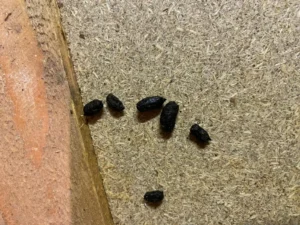
Droppings appearing near the base of walls suggest rats are using cavity walls as travel routes. When rats emerge from walls to forage for food, they often leave droppings near where they exit and enter.
Look for droppings along baseboards, especially in corners or near any small holes or gaps.
Grease marks or smudge marks on walls near entry points show rat traffic. Rats have oily fur that leaves dark, greasy streaks on surfaces they repeatedly rub against.
If you see these marks near the floor, around vents, or near any gaps in your walls, rats are likely using that spot to access your cavity walls.
Visible damage to walls or insulation sometimes reveals rat activity. If rats have chewed holes through drywall from inside the cavity, you might see circular or irregular holes appear.
In attics or basements where insulation is visible, you might see torn or disturbed insulation indicating rats have been using it for nesting.
Why Cavity Wall Infestations Are Particularly Problematic
Having rats in your cavity walls creates unique challenges compared to rats living in other parts of your home.
Access is extremely difficult. You can’t just open a door or lift a lid to see inside your walls. The rats are completely hidden, which makes it hard to know exactly where they are, how many there are, or where they’re entering and exiting.
This hidden nature lets infestations grow larger before you discover them.
Damage happens out of sight. Rats inside walls can chew on electrical wiring, which creates a fire hazard. They can damage insulation, reducing your home’s energy efficiency.
They can chew through plumbing pipes, potentially causing leaks. All this damage happens where you can’t see it, so problems can get serious before you even know they exist.
Dead rats in walls create awful smells. When a rat dies inside your cavity wall, the decomposition process produces a terrible odor that permeates nearby rooms.
The smell can last for weeks until the rat completely decomposes, and there’s often no easy way to remove the body without cutting into your walls.
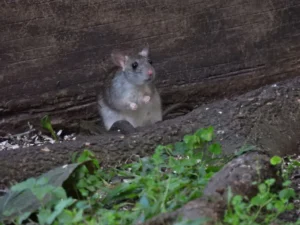
Disease risks remain high even though you don’t see the rats. Rat urine and droppings inside your walls can contaminate your home’s air.
Dust from dried droppings can become airborne through vents or cracks and be breathed in by your family. Rats also carry parasites like fleas and mites that can spread through your home.
Getting rid of rats in cavity walls is more complex than treating other areas. You can’t easily place traps where you can’t reach, and even if you manage to eliminate the rats, cleaning and disinfecting inside walls is nearly impossible without major renovation work.
How to Keep Rats Out of Cavity Walls
Prevention is much easier than dealing with rats once they’re established in your walls.
Seal all exterior entry points thoroughly. Walk around your entire home’s exterior and look for any gaps, cracks, or holes. Pay special attention to where utilities enter the walls, around vents, near the roof line, and along the foundation.
Seal gaps with steel wool stuffed into the opening, then cover with caulk or expanding foam. The steel wool prevents rats from chewing through.
Install screens or covers on all vents. Make sure exterior vents have properly fitted screens with openings small enough that rats can’t squeeze through.
Check existing screens for damage and replace any that have holes or tears. Use metal screening rather than plastic, as rats can chew through plastic.
Address weep holes carefully. You can’t simply seal weep holes because they serve an important function for wall drainage. Instead, install weep hole covers or screens specifically designed to allow drainage while blocking pests.
These covers let water out but keep rats and other pests from entering.
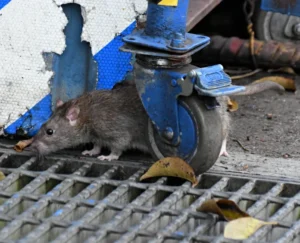
Maintain your home’s exterior walls. Fix cracks as soon as you notice them. Repair damaged siding, brick, or stucco. Keep up with exterior paint and sealants. A well-maintained exterior wall has fewer vulnerabilities for rats to exploit.
Trim vegetation away from walls. Tree branches, vines, and shrubs that touch your walls give rats easy access to upper levels of your home.
Keep branches trimmed back at least three feet from your house. Cut back climbing vines that reach your roof line or soffit areas.
Check and maintain roof junctions. Make sure the seal where your roof meets your walls is intact. Replace damaged soffit panels and ensure they fit snugly with no gaps. Check roof vents and make sure they have proper covers.
Do regular inspections. Every few months, walk around your home looking for new cracks, gaps, or damage that could let rats in. Catch problems early before rats discover them.
What to Do If Rats Are Already in Your Cavity Walls
If you’ve discovered rats living in your cavity walls, you need to take action quickly.
Try to locate where rats are entering your cavity walls. Listen carefully to determine where sounds are loudest. Check for droppings, grease marks, or gnaw marks around the base of walls.
Look outside for entry points near areas where you’re hearing activity inside. Finding the entry points is difficult but important for solving the problem.
Seal suspected entry points, but leave one or two unsealed temporarily. This might seem counterintuitive, but if you seal all entries while rats are still inside the walls, they’ll be trapped and will die inside your walls.
It’s better to leave one exit point open, set traps near it, and seal it only after you’re sure all rats are gone.
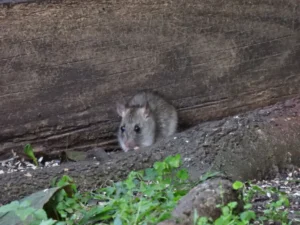
Set traps near wall openings where rats exit to forage. Rats can’t live entirely inside walls; they need to come out for food and water. Place snap traps along walls near suspected exit points.
Bait them with peanut butter and check them daily. Continue trapping until you haven’t caught anything for several days.
Consider using one-way exclusion doors at entry points. These devices let rats exit but prevent them from returning. You install them over the entry hole, and rats leave on their own to forage.
After a few days when you’re confident all rats have left, remove the exclusion door and permanently seal the hole.
Call a professional pest control service if you’re not comfortable handling it yourself. Rat infestations in cavity walls are particularly tricky, and professionals have the tools and experience to deal with them effectively.
They can use inspection cameras to see inside walls, specialized traps that work in tight spaces, and detection equipment to find entry points.
Be patient. Getting rats out of cavity walls takes time. You need to wait for rats to leave on their own or be caught in traps. Rushing the process by sealing everything immediately often makes things worse by trapping rats inside.
Monitor the situation after you think rats are gone. Listen carefully for sounds inside walls. Check for new droppings or other signs of activity. It can take a couple of weeks to be sure all rats have left.
Conclusion
Rats can definitely get into cavity walls, and these hollow spaces are actually one of their favorite places to live in homes. The protected environment, hidden travel routes, and comfortable nesting opportunities make cavity walls ideal from a rat’s perspective.
The key to keeping rats out is sealing all potential entry points around your home’s exterior. Pay special attention to utility entry points, weep holes, vents, and areas near the roof and foundation.
Regular maintenance and inspection help you catch vulnerabilities before rats discover them.
If rats are already living in your cavity walls, the situation requires patience and a systematic approach. Find where they’re entering, set traps near exit points, use exclusion methods to let them out, and only seal entrances after you’re certain all rats are gone.
Professional help is often worthwhile for cavity wall infestations since they’re particularly difficult to handle without experience and proper equipment.

Hi, my name is Ezra Mushala, i have been interested animals all my life. I am the main author and editor here at snakeinformer.com.