
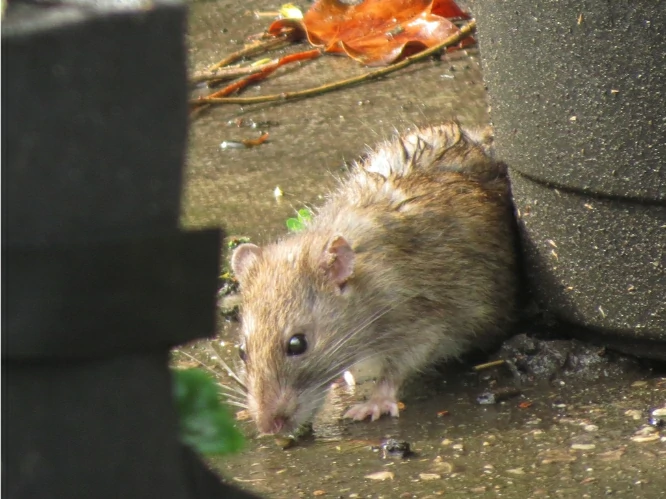
If you’ve seen droppings near your laundry room or heard scratching sounds coming from around your washing machine, you’re probably wondering if rats can actually get inside the appliance itself. Can rats get into a washing machine?
Yes, rats can get into a washing machine through drain hoses, water supply lines, and gaps around the back of the machine. They’re really good at squeezing through small openings and can chew through rubber hoses to create entry points. Once inside, they can nest in the space between the drum and the outer shell.
Rats don’t need much space to get into places you wouldn’t expect. If there’s a gap the size of a quarter, a rat can probably squeeze through it. And washing machines have several potential entry points that rats can use to get inside.
How Rats Get Into Washing Machines
Rats usually don’t just appear inside your washing machine out of nowhere. They follow pipes and hoses that connect to your plumbing system.
The drain hose is one of the most common entry points. This hose connects your washing machine to your home’s drainage system, and if there are any gaps where it connects, rats can squeeze through. They can also chew through the rubber material of the hose itself to create an opening.
Water supply lines are another way rats get in. These are the hoses that bring water into your machine, and they connect to pipes in your wall. If there are gaps around where these pipes enter your home, rats can follow them right to your washing machine.
The space behind and under your washing machine is also really attractive to rats. It’s dark, warm (especially when the machine runs), and usually undisturbed. Rats can squeeze through gaps around the sides or back of the machine to nest in this hidden area.
Why Rats Are Attracted to Washing Machines
You might wonder why a rat would even want to get into a washing machine in the first place. But when you think about it, washing machines actually offer a lot of what rats are looking for.
Warmth is a big draw. When your washing machine runs, it generates heat. The area around and inside the machine stays warm, which is perfect for rats, especially in colder months.
Water access is another reason. Rats need water to survive, and washing machines are connected directly to your water supply. Even small drips or condensation can provide enough moisture for rats.
The space is also protected and hidden. Rats feel safe in enclosed areas where they won’t be disturbed. The gap between the outer shell of your washing machine and the inner drum creates a perfect nesting spot.
Plus, there’s usually lint and fabric debris. If you’ve ever pulled out the lint trap or looked behind your dryer, you know how much fabric debris builds up. Rats can use this material to build nests.
Signs That Rats Have Got Into Your Washing Machine
If rats have made their way into or around your washing machine, you’ll probably notice some warning signs.
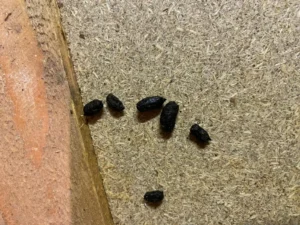
Droppings are usually the first clue. Rat droppings look like dark, pellet-shaped pieces about the size of a raisin. You might find them behind the machine, around the hoses, or even on top of the appliance.
You might also smell something off. Rats have a really strong musky odor, and their urine smell is even worse. If you notice a strange smell coming from your laundry area that doesn’t go away after cleaning, it could be rats.
Strange noises are another giveaway. If you hear scratching, squeaking, or rustling sounds coming from behind or inside your washing machine (especially at night when rats are most active), that’s a pretty clear sign.
Chewed wires or hoses are a dead giveaway. Rats need to constantly chew to keep their teeth from growing too long, so they’ll gnaw on anything they can reach. Check the hoses and electrical cords connected to your machine for bite marks or damage.
You might also notice your clothes have an odd smell after washing. If rats are nesting inside the machine, their odor can transfer to your laundry.
What Happens If Rats Get Inside Your Washing Machine
Having rats in or around your washing machine isn’t just gross. It can actually cause real damage and health problems.
Rats can chew through water hoses, which can lead to leaks and water damage. A burst hose can flood your laundry room and cause thousands of dollars in damage to your floors, walls, and belongings.
They can also damage electrical wiring. Rats don’t know the difference between a stick and an electrical wire. If they chew through the wiring in your washing machine, it can cause the machine to stop working or even create a fire hazard.
Your washing machine might also stop working properly. If rats build a nest inside the machine or chew through important parts, your washer might not drain, spin, or work at all.
There are health risks too. Rats carry diseases like leptospirosis, hantavirus, and salmonella. If they’re living in your washing machine, they’re contaminating your laundry and the surrounding area with their urine and droppings.
How to Keep Rats Out of Your Washing Machine
The good news is that you can take steps to keep rats away from your washing machine and prevent them from getting inside.
Seal all entry points around your laundry room. Check where pipes and hoses enter through walls or floors, and seal any gaps with steel wool and caulk. Rats can’t chew through steel wool.
Inspect your hoses regularly. Check both the drain hose and water supply lines for any signs of damage or wear. Replace them if you see any cracks, holes, or bite marks.
Keep the area around your washing machine clean. Don’t let lint, fabric scraps, or other debris build up behind or around the machine. This material attracts rats and gives them nesting material.
Move your washing machine away from the wall occasionally to check behind it. You don’t need to do this every week, but checking every few months lets you spot problems early.
Install rodent-proof vent covers if your laundry room has vents. Regular vent covers might have gaps that rats can squeeze through, but rodent-proof ones have smaller mesh that keeps them out.
Fix any leaks immediately. Even small drips from your washing machine or nearby pipes will attract rats because they need water. Keep everything dry.
What to Do If Rats Are Already in Your Washing Machine
If you’ve already got rats in or around your washing machine, you need to act fast to get rid of them and prevent more damage.
First, unplug your washing machine. You don’t want to risk electrical problems or hurt yourself while you’re dealing with the rat problem.
Don’t try to use the machine until you’ve solved the problem. Running the washing machine with rats inside could hurt or kill the rats (which is cruel), damage your machine, or contaminate your clothes even more.
Set traps around and behind the washing machine. Snap traps work well if you place them along the wall where rats travel. You can also use live traps if you prefer to release the rats outside (though you should release them far from your home).
Consider calling a pest control professional. If you’re dealing with more than one or two rats, or if you can’t figure out how they’re getting in, a professional can help identify entry points and get rid of the infestation.
Clean and disinfect everything thoroughly after you’ve removed the rats. Use a disinfectant to clean behind and around your washing machine, and run an empty cycle with hot water and bleach to sanitize the inside of the machine.
Check inside the washing machine cabinet if you can access it. Some washing machines have panels you can remove to check the space between the drum and outer shell. If rats have nested there, you’ll need to remove the nesting material and clean the area.
Long-Term Prevention Tips
Once you’ve dealt with the immediate rat problem, you want to make sure they don’t come back.
Inspect your entire home for entry points, not just your laundry room. Rats can get into your house through gaps around doors, windows, vents, or where utilities enter the building. Seal everything you find.
Keep your yard clean and tidy. Rats are attracted to clutter, overgrown vegetation, and outdoor food sources. Trim bushes away from your house, remove wood piles, and secure your garbage cans.
Store pet food properly. If you have pets, don’t leave their food out overnight. Store it in sealed containers that rats can’t chew through.
Fix any moisture problems in your home. Rats need water, so leaky pipes, dripping faucets, or standing water will attract them. Keep your home as dry as possible.
Check your washing machine hoses every few months. Make this part of your regular home maintenance routine. It only takes a few minutes to inspect the hoses and connections.
Can Rats Climb Up Through the Drain?
You might wonder if rats can actually climb up through your washing machine’s drain pipe from the sewer system.
Yes, rats can climb up drain pipes. They’re really good climbers and swimmers, and they can navigate through your plumbing system. This is actually how rats sometimes end up in toilets and other unexpected places.
However, most modern plumbing has traps and barriers that make this harder. P-traps (the U-shaped pipe under sinks and connected to drains) hold water that blocks rats from coming up. But if these traps dry out or aren’t installed correctly, rats can get through.
Your washing machine drain should have some kind of trap or barrier, but it’s worth checking. If you’re worried about rats coming up through the drain, you can install a drain cover with small holes that let water out but keep rats from climbing up.
The Connection Between Washing Machines and Wall Pipes
Understanding how your washing machine connects to your home’s plumbing helps you see where rats might get in.
Your washing machine has at least two hose connections. One (or two) brings clean water in from your home’s water supply, and another drains dirty water out to your sewer or septic system.
These connections usually go through walls or floors to reach the main plumbing lines. Any gap around these connection points is a potential entry point for rats.
Rats living in your walls can easily find these gaps and follow the hoses right to your washing machine. This is why it’s so important to seal any openings where pipes and hoses pass through walls or floors.
Different Types of Washing Machines and Rat Access
The type of washing machine you have can affect how easy it is for rats to get inside.
Top-loading machines usually have fewer hiding spots that rats can access. The mechanics are more enclosed, and there’s less space between the drum and outer shell.
Front-loading machines often have more accessible spaces. The door seal and the area around it can collect water and debris, which attracts rats. There’s also usually more space around the drum where rats can nest.
Stackable washer-dryer units create even more potential nesting areas. The space between the two appliances and around the connections is really attractive to rats.
Older washing machines tend to have more gaps and worn-out seals than newer ones. If your machine is more than 10 years old, check it carefully for potential entry points.
When to Replace Your Washing Machine
Sometimes the rat damage is so bad that you’re better off replacing the machine instead of trying to fix it.
If rats have chewed through multiple hoses, wires, or important parts of the machine, the repair costs might be more than the machine is worth. Get a quote from a repair technician to see if replacement makes more sense.
If the machine has been heavily contaminated with rat urine and feces, it might be impossible to fully clean and sanitize. The health risk might not be worth keeping the machine.
If your washing machine is already old and was close to needing replacement anyway, rat damage might be the final push to upgrade to a new one.
When you install a new washing machine, take the opportunity to properly seal all the connections and entry points. Start fresh with a rat-proof setup.
Conclusion
Rats can definitely get into washing machines through drain hoses, water supply lines, and gaps around the appliance. They’re attracted to the warmth, water access, and hidden nesting spots that washing machines provide.
If you notice droppings, strange smells, or hear scratching sounds near your washing machine, check for signs of rats immediately. The longer you wait, the more damage they can cause to your machine and your home.
You can prevent rats from getting into your washing machine by sealing entry points, inspecting hoses regularly, keeping the area clean, and fixing any leaks or moisture problems. If rats are already there, set traps, call a professional if needed, and thoroughly clean everything before using the machine again.
Regular maintenance and inspection are your best defense against rats in your washing machine. Check behind and around your machine every few months, and seal any gaps you find right away.

Hi, my name is Ezra Mushala, i have been interested animals all my life. I am the main author and editor here at snakeinformer.com.