
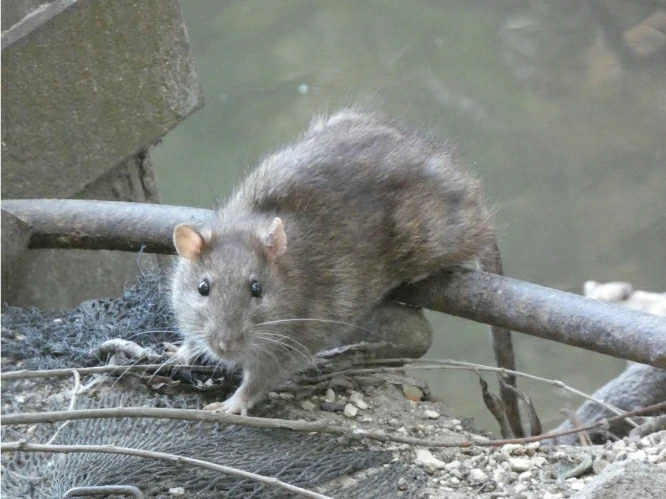
Dryer vents are one of those home features most people don’t think about until there’s a problem. These vents need to let hot air escape from your dryer, but they can also become entry points for unwanted visitors. Can rats actually get into a house through dryer vents?
Yes, rats can get into a house through dryer vents, especially if the vent flap is damaged, stuck open, or missing. Rats are attracted to the warmth coming from dryer vents and can climb right into your house if the vent isn’t properly secured.
Dryer vents are actually one of the more common ways rats get into homes because they provide warmth, lead directly inside, and are often in easy-to-reach locations on the exterior of your house.
Why Dryer Vents Attract Rats
Dryer vents are like magnets for rats for several reasons.
Warmth is the biggest draw. When your dryer is running, hot air comes out of the vent. Rats are attracted to this warmth, especially in cold weather. Even when the dryer isn’t running, some residual warmth often escapes through the vent.
The smell of fabric softener or dryer sheets also attracts rats. These scents tell rats that there’s activity inside, which might mean food sources nearby.
Dryer vents are usually located low on the exterior wall, which makes them easy for rats to reach. Rats don’t need to climb to the roof or do anything difficult to access a dryer vent.
Also, dryer vents often collect lint around the exterior opening. This lint provides nesting material, which makes the area even more attractive to rats.
How Dryer Vent Flaps Work (and Fail)
Most dryer vents have a flap or damper that’s supposed to close when the dryer isn’t running.
The flap is usually made of plastic or thin metal and is held closed by gravity or a light spring. When air pushes out from the dryer, it opens the flap. When the dryer stops, the flap should close.
But these flaps fail for several reasons. Lint buildup prevents the flap from closing completely. Even a small gap is enough for a rat to push through.
The flaps can also break or warp over time, especially plastic ones. Exposure to sun, cold, and moisture makes plastic brittle, and eventually it cracks or breaks off completely.
Sometimes the flap just gets stuck in the open position because of lint or damage. A stuck-open vent is an open invitation for rats to come inside.
The Size Opening Rats Need
You might think a dryer vent opening is too small for a rat, but you’d be wrong.
Rats can squeeze through openings as small as half an inch in diameter. A standard dryer vent is four inches in diameter, which is huge from a rat’s perspective.
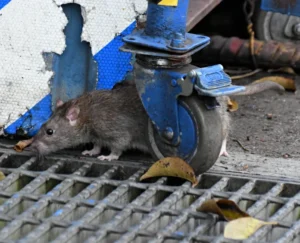
Even if the flap only opens a little bit, that might be enough. Rats can push on flexible flaps with their nose and paws to make the opening bigger.
Young rats and smaller species can fit through even tinier gaps, making damaged or improperly sealed dryer vents easy entry points.
How Rats Actually Enter Through Dryer Vents
The process of a rat getting in through a dryer vent is pretty straightforward.
First, the rat discovers the vent opening. They might smell the warmth or notice the lint buildup outside. Rats explore constantly, so they’ll investigate anything that looks interesting.
The rat pushes on the vent flap with its nose or paws. If the flap is damaged, stuck open, or just weakly spring-loaded, it’ll open.
Once inside the vent duct, the rat crawls toward the inside of your house. Dryer vents are typically pretty short, maybe six to ten feet long, so it doesn’t take long.
The rat emerges inside your laundry room, usually behind or beside the dryer. From there, it has access to your entire house.
Signs That Rats Are Using Your Dryer Vent
If rats are coming in through your dryer vent, there are usually signs.
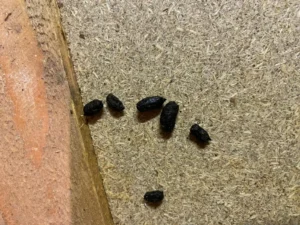
Droppings near or behind your dryer are an obvious indicator. Rat droppings are about the size of a grain of rice and are dark brown or black.
Scratching or scurrying sounds in the walls near your laundry room might mean rats are in the vent duct.
Chew marks on the dryer vent hose (the flexible tube connecting your dryer to the wall) show that rats have been there. Rats chew on everything, and dryer hoses are no exception.
A strong, musty smell near your dryer could be rat urine. This smell is really distinctive and gets worse over time.
If you look at the outside of your dryer vent and see disturbed lint or paw prints in dust around the opening, rats have been investigating it.
You might also notice your dryer isn’t working as efficiently. If rats have built a nest in the vent duct, it blocks airflow and makes your dryer take longer to dry clothes.
The Dangers of Rats in Dryer Vents
Having rats use your dryer vent isn’t just gross. It’s actually dangerous.
Rats can chew on the wiring in your dryer or near the vent. This creates a serious fire hazard. Rats cause thousands of house fires every year by damaging electrical systems.
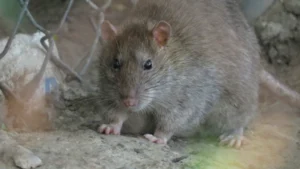
Nesting material in the vent duct is also a fire risk. Dryer vents get hot when the dryer runs. If there’s a rat nest made of flammable materials in the duct, it could catch fire.
Blocked vents from rat nests prevent your dryer from venting properly. This makes your dryer work harder, use more energy, and wear out faster. It can also cause carbon monoxide buildup if you have a gas dryer.
Rats also carry diseases and parasites. Having them in your laundry area exposes you to health risks.
How to Check Your Dryer Vent for Problems
Regular inspections can catch problems before rats get in.
Go outside and look at your dryer vent opening. Is the flap closing completely? Push on it gently to see if it opens easily. If it’s stuck open, broken, or missing, that’s a problem.
Check for lint buildup around the opening. Excessive lint means the vent isn’t working properly and might be blocked inside.
Look for any gaps around where the vent goes through the wall. If there are spaces between the vent pipe and the wall, rats can use those to get in.
From inside, pull your dryer away from the wall and inspect the vent hose. Look for holes, tears, or chew marks. Make sure the connections are tight and secure.
If you can access the vent duct in your walls or crawl space, check it for damage or signs of rats.
The Best Types of Dryer Vent Covers
Not all dryer vent covers are equally good at keeping rats out.
Louvered vent covers with spring-loaded flaps are better than basic gravity-flap covers. The spring helps ensure the flap closes completely.
Metal vent covers are much more durable than plastic ones. They don’t crack or break as easily, and rats have a harder time chewing through them.

Some vent covers have built-in pest guards (basically fine mesh screens behind the flap). These provide an extra barrier against rats and other pests.
Avoid vent covers that are all screen or mesh with no moving flap. While these keep pests out, they can also trap lint and become fire hazards.
The best option is a heavy-duty metal vent cover with a strong spring-loaded flap and a pest guard behind it.
How to Secure Your Dryer Vent Against Rats
If you’re worried about rats getting in, here’s what you can do.
Replace your vent cover with a high-quality one that has a strong flap and preferably a pest guard. Make sure it’s made of metal, not plastic.
Seal any gaps around where the vent pipe goes through your wall. Use steel wool stuffed into the gaps, then cover it with metal flashing or concrete. Don’t use just spray foam because rats can chew through it.
Keep the area around your outdoor vent clear. Trim bushes or plants that might hide the vent and make it easier for rats to approach without being seen.
Clean your dryer vent regularly to prevent lint buildup. A clean vent closes properly and doesn’t provide nesting material.
If your vent duct has become damaged or full of rat nests, replace the entire duct. Don’t just patch it. A completely new duct ensures there are no hidden problems.
What to Do If Rats Are Already Using Your Vent
If you discover rats have been coming in through your dryer vent, you need to act fast.
First, make sure no rats are currently in the vent duct. Look and listen for signs of rats. You don’t want to seal the vent with rats trapped inside.
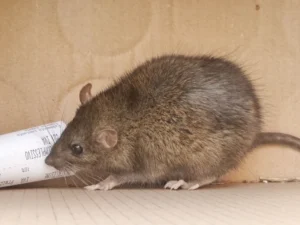
Set traps in your laundry room and anywhere else you’ve seen signs of rats. Use snap traps or live traps depending on your preference.
Once you’re sure there are no rats in the vent, clean it thoroughly. Remove all nesting material, droppings, and debris from the duct. Wear a mask and gloves because rat droppings can carry diseases.
Replace your vent cover with a secure, rat-proof one. Make sure it’s properly installed and closes completely.
Seal any gaps around the vent opening as described earlier.
Monitor the area for a few weeks to make sure rats don’t come back. Check your traps daily and inspect the vent regularly.
Dryer Vent Material Matters
The type of duct connecting your dryer to the outside affects whether rats can get in.
Flexible plastic or foil dryer vent hoses are the most vulnerable. Rats can easily chew through these materials. If you have this type of hose, consider replacing it.
Rigid metal ducting is much better. Rats can’t chew through metal, and rigid ducts don’t have the vulnerable joints and connections that flexible hoses have.
Semi-rigid aluminum ducting is a middle ground. It’s better than flexible plastic but not as good as rigid metal.
The shorter your vent duct, the better. Long, complicated vent runs give rats more places to hide and nest. Keep the duct as short and straight as possible.
Common Mistakes People Make
Several common errors leave dryer vents vulnerable to rats.
Using just spray foam to seal gaps around the vent doesn’t work. Rats chew right through spray foam. You need steel wool or metal barriers.
Ignoring broken vent covers is a big mistake. Even if you haven’t seen rats yet, a broken cover is an invitation for them to come in.
Not cleaning your dryer vent regularly leads to lint buildup, which prevents the flap from closing and provides nesting material for rats.
Assuming that because your dryer is in the basement or on the second floor, rats won’t find it. Rats are excellent climbers and can reach vents anywhere on your house.
Using vent covers designed for bathroom or kitchen exhaust vents on your dryer vent. These don’t handle the airflow and lint that dryers produce and can become blocked or damaged.
Other Animals That Use Dryer Vents
Rats aren’t the only animals that might get into your house through dryer vents.
Mice are even smaller than rats and can easily fit through dryer vents. If rats can get in, mice definitely can.
Birds sometimes nest in dryer vents, especially if the vent is on the side of the house. The warm, sheltered space is perfect for raising baby birds.
Squirrels occasionally get into dryer vents, though they’re more likely to use roof vents. Still, a low dryer vent with a broken flap is attractive to them.

Insects like wasps and bees might build nests near or in dryer vents, especially if the vent isn’t used often.
All these problems are prevented by having a properly secured, maintained vent cover.
The Connection Between Lint and Rats
Dryer lint plays a bigger role in rat problems than most people realize.
Lint buildup outside your vent opening attracts rats. They see it as perfect nesting material and will investigate the source.
Inside the duct, lint accumulation can hold the vent flap open, creating a constant opening for rats to use.
Lint is also highly flammable. If rats build nests in your vent duct using lint, you have a serious fire hazard. The combination of rats and lint in dryer vents is dangerous.
Regular cleaning (at least once a year) removes this attraction and keeps your vent working properly.
When to Call a Professional
Some dryer vent problems need expert help.
If you have rats living in your vent duct and can’t get them out yourself, call a pest control professional. They have the tools and experience to remove rats safely.
If your vent duct is old, damaged, or full of rat nests, consider hiring a professional to replace it. They can ensure the new installation is done correctly and is rat-proof.
If your dryer vent has a complicated route through your house (multiple turns, long runs), professional cleaning and inspection is a good idea. You might not be able to see or reach all parts of the duct yourself.
After a rat infestation, professional duct cleaning can remove all traces of rats, including the smell. They have equipment that reaches every part of the duct.
Conclusion
Rats can definitely get into houses through dryer vents, and they often do. The warmth, easy access, and frequent lack of proper barriers make dryer vents one of the most common entry points for rats.
The good news is that securing your dryer vent against rats is straightforward. Install a high-quality metal vent cover with a strong flap and pest guard, seal any gaps around the vent opening, and clean your vent regularly.
If you already have rats coming in through your dryer vent, act quickly. Remove the rats, clean the vent thoroughly, and install proper barriers. The longer you wait, the worse the problem gets and the more expensive it becomes to fix.

Hi, my name is Ezra Mushala, i have been interested animals all my life. I am the main author and editor here at snakeinformer.com.