

You walk out to your car in the morning, pop the hood for a routine check, and find shredded materials or droppings in your engine compartment. Or maybe your car won’t start and the mechanic tells you rodents have chewed through wiring. These scenarios happen more often than you might think. Can rats get into a car engine?
Yes, rats can easily get into car engines. The engine compartment has multiple openings and access points from underneath the vehicle, and once inside, rats find a warm, sheltered space that’s perfect for nesting. They commonly enter through wheel wells, gaps around hoses and cables, or from underneath when cars are parked.
Your car’s engine compartment isn’t sealed like the passenger cabin. It’s designed to allow air flow for cooling and has numerous openings where components pass through. From a rat’s perspective, these openings are doorways to a safe, warm shelter, especially when the engine has recently been running.
Why Rats Are Attracted to Car Engines
Car engines offer several things that rats find appealing, making them surprisingly common targets.
Warmth is the biggest attraction. When you park your car after driving, the engine stays warm for hours. On cold nights, this warmth is incredibly attractive to rats looking for a comfortable place to rest or nest.
The engine compartment becomes like a heated shelter, and rats will squeeze into tight spaces near the engine block to stay warm.
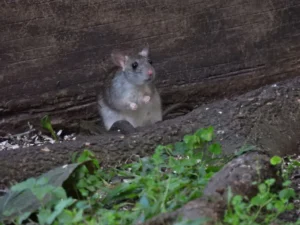
Protection from weather and predators makes engine compartments appealing. The space under your hood is enclosed and protected from rain, wind, and snow. It also hides rats from predators like cats, dogs, hawks, and owls. For a rat, your engine bay is like a secure cave.
The engine compartment provides excellent nesting opportunities. There are numerous small spaces, crevices, and areas near hoses where rats can build nests. The air filter housing is particularly attractive because it’s a large, enclosed space that’s relatively quiet and undisturbed.
Wiring insulation is made from soy-based materials in many modern cars, and rats find this tasty. Car manufacturers started using more environmentally friendly, soy-based wire insulation in the 2000s.
Unfortunately, this material is more appealing to rats than older petroleum-based insulation. Rats will chew on wires both to wear down their constantly growing teeth and because they actually like the taste.
Food smells can attract rats to cars. If you’ve eaten in your car and dropped crumbs, or if you’ve stored groceries in your vehicle, the smells can linger and attract rats.
Once they’re investigating your car for food smells, they might discover the engine compartment and decide it’s a good place to set up residence.
How Rats Access Engine Compartments
Rats don’t need to open your hood to get into your engine. They have several ways to access the compartment from underneath and around the vehicle.
Wheel wells are the most common entry point. The space between your tire and the body of the car leads directly into the engine compartment.
Rats simply climb up through the wheel well and into the engine bay. This access point is why rats get into engines so easily; it’s open and accessible whenever your car is parked.
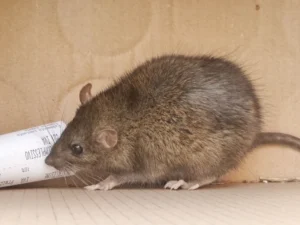
Gaps around the undercarriage provide access from below. Your car’s underside has numerous openings where exhaust pipes, driveshafts, and other components pass through.
While the passenger compartment is sealed, the engine compartment connects to the underside of the car. Rats crawling under your vehicle can find their way up into the engine bay through these gaps.
Openings around hoses and cables let rats squeeze through. Where coolant hoses, brake lines, wiring harnesses, and other components enter the engine compartment, there are often small gaps. Rats can squeeze through remarkably small spaces, and these gaps are more than adequate.
Air intake areas can serve as entry points. The path from your air filter to the intake manifold has to bring in outside air, and while there’s usually a filter, rats can sometimes work their way in through intake ducting, especially if any seals or clamps are loose.
Some rats climb directly onto the vehicle. Rats are excellent climbers and might climb up the outside of your car, then find a way through seams or gaps to access the engine from above.
This is less common than entering from below, but it happens, especially if tree branches overhang where you park.
Signs That Rats Have Been in Your Engine
Rats leave clear evidence when they’ve been living in or visiting your engine compartment.
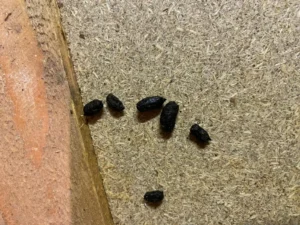
Droppings in the engine bay are the most obvious sign. Rat droppings are dark brown or black, capsule-shaped, and about three-quarters of an inch long.
You’ll typically find them on top of the engine, near the battery, around the air filter housing, or on the ground under your car if rats are actively using the space.
Shredded material or nesting debris indicates rats are actually living in your engine. Rats will bring in materials like leaves, grass, paper, fabric, or insulation to build nests.
You might find piles of this material in corners of the engine bay, inside the air filter housing, or tucked into spaces near hoses and wiring.
Chewed wiring is a serious sign of rat damage. Look for wires with exposed copper where insulation has been gnawed away. Rats often target specific wiring harnesses and can do extensive damage quickly. Chewed wiring can cause your car to malfunction or not start at all.
Gnaw marks on hoses, belts, or plastic components show rat activity. Rats don’t just chew wires; they’ll gnaw on rubber hoses, plastic engine covers, and other components.
You might see rough, jagged edges or obvious tooth marks on these parts.
Unusual smells coming from your engine area can indicate rat presence. A musky, unpleasant odor might mean rats are living there. If you smell something burning when you start your car, it could be nesting materials touching hot engine components.
Paw prints on dusty surfaces show recent rat activity. If there’s dust on your battery or engine covers, you might see small paw prints where rats have walked.
Engine warning lights or car malfunctions can result from rat damage. If rats have chewed through important wiring, your car might have electrical problems, fail to start, or display warning lights on the dashboard.
Damage Rats Can Cause in Engines
Rats in your engine compartment can cause significant and expensive damage.
Electrical wiring damage is the most common and costly problem. Rats chew through wiring harnesses, sensor wires, and other electrical components.
This can cause anything from minor electrical glitches to complete failure of major systems. Repairing chewed wiring is expensive because mechanics often have to trace affected circuits and replace entire harnesses.
Coolant and vacuum hoses can be chewed through by rats. If they puncture a coolant hose, your car will leak coolant and potentially overheat. Damaged vacuum hoses cause performance problems and can affect braking, emissions, and engine operation.
Air filter contamination happens when rats nest in the air filter housing. Their droppings, urine, and nesting materials can clog the filter or contaminate it with bacteria and disease. The entire air filter system may need cleaning or replacement.
Insulation damage reduces your engine’s sound dampening and can create fire hazards. Many engine compartments have sound-deadening insulation on the hood or firewall.
Rats tear this apart for nesting material, reducing noise insulation and potentially creating a fire hazard if material falls onto hot engine parts.
Fuel lines are occasionally damaged by rats, though this is less common than wiring damage. If rats chew through a fuel line, it creates a serious fire hazard and will prevent your car from running.
Plastic components like battery covers, fuse box covers, and plastic engine covers can be damaged. While this might seem cosmetic, damaged covers can expose electrical components to moisture and debris, leading to further problems.
Preventing Rats From Getting Into Your Engine
Prevention is much easier and cheaper than dealing with rat damage after it happens.
Park in a garage or enclosed space when possible. Rats are less likely to access your car if it’s in a closed garage. While rats can still get into garages, it’s an extra barrier compared to parking outside where rats have easy access from all directions.
Use light and motion as deterrents. Rats prefer dark, quiet spaces. If you park outside, consider installing a motion-activated light near where you park.
Some people also leave the hood slightly open when parked at home (with the interior prop rod) so the engine compartment is exposed to light rather than dark and enclosed.
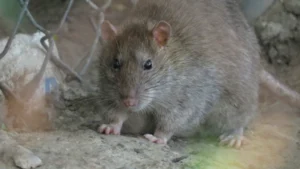
Place deterrents under and around your car. Commercial rodent repellent products, dryer sheets, peppermint oil-soaked cotton balls, or mothballs placed around your parking area and under your car can deter rats.
These need to be refreshed regularly as their scent fades. However, don’t place anything directly on hot engine components.
Use electronic repellent devices designed for vehicles. Battery-powered ultrasonic repellent devices made specifically for cars can be placed in the engine compartment. These emit sounds that rats dislike but humans can’t hear. Their effectiveness varies, but many people find them helpful.
Install physical barriers like wire mesh. You can install wire screening over wheel wells or under your car to block common entry points. Make sure any mesh you use won’t interfere with moving parts or get caught in wheels.
Don’t leave food in your car. Keep your vehicle clean and don’t eat in it if possible. If you must eat in your car, clean up thoroughly afterward. Any food smells attract rats and increase the chances they’ll investigate your vehicle.
Rev your engine before driving. If you suspect rats might have been in your engine, bang on the hood or honk the horn before starting your car. This gives any rats inside a chance to escape. Then rev the engine for a few seconds before driving to make sure no animals are still present.
Move your car regularly. Rats prefer undisturbed spaces. If you drive your car daily, it’s less likely to become a rat home compared to a vehicle that sits for weeks. The heat, noise, and movement make it an unappealing nesting spot.
What to Do If Rats Have Damaged Your Engine
If you discover rat damage in your engine compartment, you need to address it carefully.
Don’t start your car until you’ve inspected for damage. If you see nesting materials, droppings, or obvious chewed wires, starting the engine could cause electrical shorts, fires, or further damage. It’s better to assess the situation first.
Remove all nesting materials carefully. Wear gloves when handling anything rats have touched. Remove all debris, nesting materials, and droppings. Place everything in sealed plastic bags and dispose of them. Don’t use your bare hands, as rat waste carries diseases.
Inspect wiring and hoses thoroughly. Look for any chewed insulation on wires or damage to hoses. Check around the entire engine bay, not just where you found the nest. Rats often damage things in multiple locations.
Take your car to a mechanic if you find significant damage. Unless you’re experienced with car repair, let a professional assess and fix rat damage. Electrical problems in particular can be complex and dangerous to repair incorrectly.
Clean and disinfect the engine compartment. After removing nesting materials and before using your car, spray the engine bay with a disinfectant. Let it sit for a few minutes, then wipe surfaces down. This removes disease-causing bacteria from rat droppings and urine.
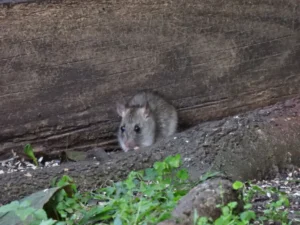
Check your air filter and replace if needed. If rats nested near your air intake or filter housing, the filter probably needs replacement. A contaminated air filter can affect engine performance and could introduce contaminants into your engine.
Document damage for insurance. Some auto insurance policies cover rodent damage, though it depends on your coverage. Take photos of all damage before cleaning up. Contact your insurance company to find out if the repairs are covered.
Address the underlying rat problem. Fixing your car is only part of the solution. You also need to figure out where the rats are coming from and prevent them from accessing your car again. Set traps in your parking area, remove attractants, and use deterrents.
Conclusion
Rats can and do get into car engines regularly. The engine compartment is accessible from underneath, offers warmth and shelter, and isn’t designed to keep rodents out. Once inside, rats can cause expensive damage by chewing wiring, hoses, and other components.
Prevention is your best strategy. Use deterrents, keep your parking area clean, park in a garage when possible, and drive your car regularly. If you park outside in areas with known rat populations, take extra precautions with repellents and barriers.
If rats have already damaged your engine, address the problem quickly. Remove nesting materials carefully, have a mechanic assess the damage, and then implement prevention measures to keep it from happening again. The cost of prevention is always less than the cost of repairs after rats have done their damage.

Hi, my name is Ezra Mushala, i have been interested animals all my life. I am the main author and editor here at snakeinformer.com.