
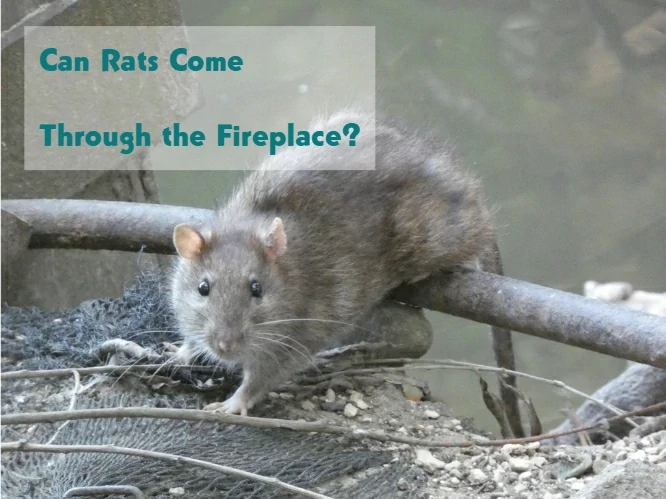
Your fireplace is probably one of the last places you’d expect to find a rat, but chimneys and fireplaces can actually be common entry points for these pests. If you’ve heard scratching sounds coming from your fireplace or noticed signs of animals near it, you might be wondering if rats could be using your chimney as a way into your home. Can rats come through the fireplace?
Yes, rats can come through the fireplace. They can climb down chimneys and get into your home through the fireplace opening, especially if you don’t have a chimney cap or if your damper is broken or left open.
Chimneys are basically vertical tunnels that lead straight into your home, and rats are excellent climbers. If there’s a way for them to get into your chimney from the roof, they’ll find it and use it to get inside where it’s warm and there’s food.
How Rats Get Into Chimneys
Rats don’t just magically appear in your chimney. There are specific ways they get up there in the first place.
The most common way is through missing or damaged chimney caps. A chimney cap is the metal or mesh cover that sits on top of your chimney to keep animals and debris out. If your chimney doesn’t have a cap, or if the cap is damaged or has holes in it, rats can easily get in from the top.
Rats are really good climbers. They can climb up the outside of your house using pipes, gutters, trees, or any rough surface. Once they reach your roof, they can access your chimney pretty easily.
If you have tree branches hanging over or near your roof, that’s like a bridge for rats. They’ll climb the tree, jump or walk along the branches, and drop onto your roof. From there, it’s just a short trip to your chimney.
Sometimes rats are already living in your attic or roof space. If there are any openings between your attic and your chimney, they can get into the chimney from inside your home too.
Once a rat is inside the chimney, getting down is actually pretty easy for them. The inside of most chimneys has a rough, textured surface (brick or stone) that gives rats plenty of grip. They can climb down slowly and carefully until they reach the bottom where your fireplace is.
Why Rats Are Attracted to Chimneys
You might wonder why a rat would even bother climbing into a chimney in the first place. There are actually several good reasons (from a rat’s perspective) why chimneys are attractive.
First, chimneys provide shelter from predators and weather. When a rat is on your roof, it’s exposed to birds of prey like hawks and owls. A chimney is a safe, enclosed space where they can hide.
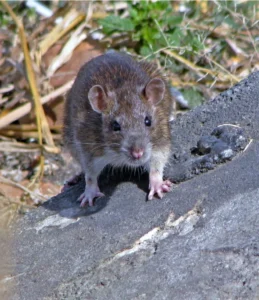
During cold weather, chimneys can be warmer than being outside. Even if you’re not using your fireplace, the chimney is still warmer than the outside air because it’s attached to your heated home. Rats are always looking for warm places to nest during winter.
Some chimneys have ledges or gaps in the brickwork where rats can actually build nests. If a rat finds a good spot inside your chimney, it might decide to live there instead of just passing through.
Chimneys are also dark and quiet, which rats prefer. They’re nocturnal animals that like to stay hidden during the day, and a chimney provides exactly that kind of environment.
If your damper (the metal door inside your fireplace that opens and closes) is broken or left open, rats can smell the air from inside your home. If there’s food inside, they’ll be motivated to find a way down to get to it.
Signs That Rats Are in Your Chimney or Fireplace
If rats are in your chimney or coming through your fireplace, there are several signs you’ll notice.
The most obvious sign is scratching or scurrying sounds coming from inside your chimney or fireplace. These sounds are usually most noticeable at night since rats are most active after dark. You might also hear squeaking or chattering sounds.
If you look inside your fireplace, you might see rat droppings. These are small, dark pellets about the size of a grain of rice. Fresh droppings are dark and moist, while older ones are gray and crumbly.
You might also notice a bad smell. If a rat has died in your chimney (which happens sometimes if they get stuck or can’t find their way back out), you’ll smell a strong odor of decay. This smell can get really bad and might spread through your house.
If you have soot or ash in your fireplace, you might see small paw prints in it. Rat prints are tiny, and if they’ve been walking through your fireplace, they’ll leave tracks behind.
Another sign is if you find nesting material in or near your fireplace. Rats build nests using whatever materials they can find, like shredded paper, fabric, insulation, or dried leaves. If you see this kind of material in your fireplace, rats might be trying to nest there.
You might also notice damage to the damper or other parts of your fireplace. Rats can chew through soft metals and other materials if they’re trying to get through a barrier.
The Dangers of Rats in Your Fireplace
Having rats in your fireplace or chimney isn’t just annoying, it actually creates several serious problems.
First, there’s a fire hazard. If rats build a nest in your chimney and you try to use your fireplace, the nest material can catch fire. This can cause a chimney fire, which is extremely dangerous and can spread to the rest of your house.
Rats in your chimney can also block proper ventilation. When you use your fireplace, smoke and gases (including carbon monoxide) need to vent up and out through the chimney. If there’s a rat nest blocking the chimney, these dangerous gases can back up into your home instead.
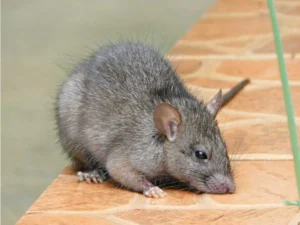
There’s also the health risk. Rats carry diseases and parasites. Their droppings and urine in your chimney can dry out and become airborne. When you use your fireplace, the heat can push these particles into your home where you breathe them in.
If a rat dies in your chimney, the smell is horrible. But it’s not just the smell you need to worry about. The decomposing body can attract flies and other insects, and it creates a breeding ground for bacteria.
Rats can also damage the structure of your chimney. While they’re climbing up and down, their claws can damage the mortar between bricks. Over time, this can weaken your chimney structure.
If rats get through your fireplace and into your home, they’ll look for food and start nesting somewhere inside. This can lead to a full-blown rat infestation with all the problems that come with it.
How to Keep Rats Out of Your Chimney
The good news is there are several effective ways to keep rats from getting into your chimney in the first place.
The single most important thing you can do is install a chimney cap if you don’t already have one. A chimney cap is a metal cover with mesh sides that sits on top of your chimney. It lets smoke out but keeps animals (including rats) from getting in. Make sure you get a cap with mesh that’s small enough that rats can’t squeeze through.
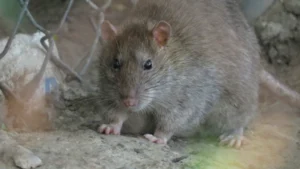
If you already have a chimney cap, inspect it regularly to make sure it’s in good condition. Check for rust, holes, or damage. Even a small hole is enough for a rat to get through. Replace damaged caps right away.
Trim back any tree branches that hang over your roof or come close to your house. Branches should be at least 6 to 8 feet away from your roof if possible. This makes it much harder for rats to access your roof in the first place.
Make sure your damper works properly and keep it closed when you’re not using the fireplace. A closed damper creates a solid barrier that rats can’t get through, even if they do make it down your chimney.
Inspect the outside of your chimney for cracks or gaps in the mortar between bricks. Rats can use these as footholds to climb, and they might also be able to squeeze through larger gaps. Repair any damage you find.
If you’re not using your fireplace during certain seasons (like summer), you can also install a fireplace draft stopper or balloon. These are inflatable or foam devices that fit inside your chimney and block it completely. Just remember to remove them before using your fireplace.
What to Do If Rats Are Already in Your Chimney
If you think rats are already in your chimney, you need to get them out carefully and safely.
First, don’t try to smoke them out by lighting a fire. This is dangerous and inhumane. If there’s a rat nest in your chimney, the fire could quickly get out of control. If there are baby rats in the nest, they won’t be able to escape.
Don’t try to flood the chimney with water either. This won’t work and it’ll just make a huge mess. Plus, if there are baby rats in a nest, they’ll drown, and you’ll have dead animals in your chimney.
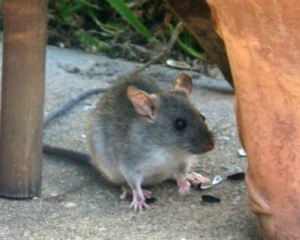
The best approach is to give the rats a way to leave on their own, then seal the entrance so they can’t get back in. Leave your damper open so rats that are currently in your chimney can get out through your fireplace. You can set up a one-way door or exclusion device that lets them leave but not come back.
However, be careful with this approach. Make sure no baby rats are in the chimney first. Baby rats can’t survive on their own, so if you block the adults from getting back in, the babies will die in your chimney. The best time to do this is late summer or early fall when any baby rats born earlier in the year are old enough to leave on their own.
Once you’re sure all the rats are out, install a chimney cap right away. Also check for other entry points around your roof and seal those too.
After the rats are gone, you need to clean your chimney. Rat droppings, urine, and any nesting materials need to be removed. This is a job best left to professionals since chimney cleaning requires special equipment, and you don’t want to breathe in contaminated dust and particles.
When to Call a Professional
Some rat-in-chimney situations are too complicated or risky to handle yourself, and that’s when you should call for help.
If you hear rats in your chimney but you’re not sure how many there are or where exactly they are, a professional can inspect your chimney properly. They have cameras and other tools that can look inside your chimney without having to tear anything apart.
If you think there might be a nest with baby rats in your chimney, definitely call a professional. Removing baby rats safely and humanely requires experience, and it’s important to make sure the mother rat isn’t separated from babies that can’t survive on their own yet.
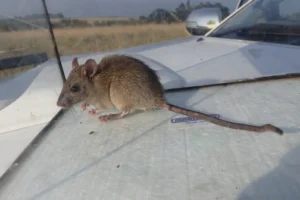
If a rat has died in your chimney, a professional can locate and remove the body. They also know how to clean and disinfect the area properly so you’re not left with lingering smells or health hazards.
If your chimney needs repairs (like repointing bricks or replacing a damper), a chimney specialist can do this work correctly. Trying to do major chimney repairs yourself can be dangerous and might not fix the problem properly.
A wildlife removal specialist can also help you figure out how the rats are getting onto your roof in the first place. They can identify all the potential access points and help you seal them up so you don’t have repeat problems.
Preventing Future Rat Problems
Once you’ve dealt with rats in your chimney, you’ll want to make sure they don’t come back.
Make your property less attractive to rats in general. Don’t leave food out (including pet food), keep garbage in sealed containers, and remove clutter from around your home where rats could hide or nest.
Seal up any other entry points around your home. Check your foundation, walls, and roof for cracks, gaps, or holes. Rats can fit through openings as small as a quarter, so even small gaps need to be sealed.
Keep your gutters clean. Clogged gutters can attract rats because they provide water and often have organic debris that rats can eat. Clean gutters also drain properly, which means less moisture around your foundation.
Inspect your roof regularly. Look for loose or damaged shingles, gaps around vents or pipes, and any other damage that could let rats in. Fix problems as soon as you find them.
Keep your yard maintained. Mow your lawn regularly, trim bushes away from your house, and remove piles of wood, leaves, or debris. The cleaner and more open your yard is, the less attractive it is to rats.
If you have fruit trees, pick up fallen fruit regularly. Rotting fruit on the ground is like a buffet for rats. If you don’t want the fruit, get rid of it instead of letting it pile up.
Conclusion
Rats can definitely come through your fireplace by climbing down your chimney. Without a proper chimney cap or with a broken damper, your chimney is basically an open door for rats looking for shelter and warmth.
The best way to prevent this is to install a good-quality chimney cap and keep your damper closed when you’re not using the fireplace. Regular inspections of your chimney and roof will help you catch problems before rats find them.
If you already have rats in your chimney, don’t try to smoke them out or handle the problem in ways that could be dangerous. Give them a safe way to leave, then seal up the entry points, or call a professional to handle it safely. Once they’re gone, proper maintenance will keep them from coming back.

Hi, my name is Ezra Mushala, i have been interested animals all my life. I am the main author and editor here at snakeinformer.com.