
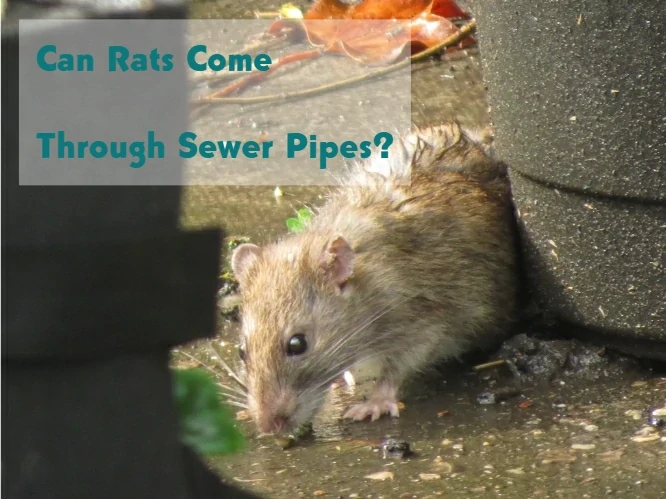
The idea of rats coming up through your toilet or drains sounds like something from a horror movie, but it’s actually a real possibility. Sewer systems provide perfect habitats for rats, and your home’s plumbing connects directly to those sewers. So can rats come through sewer pipes?
Yes, rats can come through sewer pipes and enter your home through toilets, drains, and other plumbing fixtures. Rats are excellent swimmers and can hold their breath long enough to navigate through water-filled pipes to reach your home.
This is more common than most people think, especially in older neighborhoods with aging sewer infrastructure. Once rats find a way from the main sewer into your home’s plumbing, they can emerge almost anywhere you have a drain.
How Rats Survive in Sewer Systems
Sewer systems are actually ideal environments for rats. They’re dark, protected from weather and predators, and have plenty of food from the organic waste flowing through them.

Rats are really good swimmers and can tread water for up to three days if needed. They can hold their breath for several minutes, which is more than enough time to swim through water-filled pipes.
Norway rats (also called sewer rats) are particularly well-adapted to living in sewers. They build nests in the spaces around sewer pipes and raise their young there. These rats can live their entire lives underground in the sewer system.
The constant flow of waste through sewers provides rats with plenty of food. They eat food scraps, grease, and other organic material that people flush or wash down drains.
Common Entry Points From Sewers Into Homes
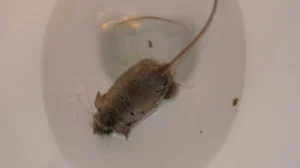
The most alarming entry point is the toilet. Rats can swim up through the sewer line, through the pipe under your house, and right up into the toilet bowl. It’s rare, but it definitely happens.

Floor drains in basements and garages are another common entry point. These drains often connect directly to the sewer system and sometimes have weak or missing traps that make it easy for rats to get through.
Bathtub and shower drains can also be entry points, especially if the traps are dry or damaged. When traps don’t have water in them, there’s nothing stopping rats from climbing up through the pipes.
Broken or damaged sewer lines under your house create opportunities for rats to get out of the main sewer and into your home’s plumbing. Cracks, holes, or disconnected sections of pipe let rats escape the sewer and access your house.
Why Rats Come Up Through Plumbing
Rats don’t usually come up through your plumbing just for fun. They’re usually looking for food, water, or a way to escape problems in the sewer system.
If there’s flooding in the sewer from heavy rain, rats will look for higher ground. Your home’s plumbing provides an escape route to get above the water level.

During construction or repairs on sewer lines, rats get disturbed and displaced. They’ll search for new territories, and your home might be an attractive option.
Sometimes rats are just exploring. Young rats especially will investigate new areas, and plumbing pipes are like tunnels that lead them to different places. If they smell food from your drains, they’ll follow that smell.
Overcrowding in the sewer system can push rats to find new living spaces. If there are too many rats competing for food and territory in the sewers, some will venture into connected homes.
How Rats Navigate Through Plumbing
Rats use their excellent sense of smell to navigate through dark sewer pipes. They can smell air coming from your home and follow it back through the plumbing to find entry points.
Their whiskers help them feel their way through pipes in complete darkness. Rats can sense the size and shape of spaces around them using these sensitive whiskers.

Rats have flexible bodies that can squeeze through surprisingly small pipes. A rat can fit through a pipe that’s just two inches in diameter, which is smaller than most home plumbing.
They’re also really persistent. If a rat encounters a trap (the U-shaped bend in pipes that holds water), it’ll try to swim through it. If the trap is dry or only partially filled, the rat can climb through easily.
P-Traps and How They Protect Against Rats
P-traps are those U-shaped sections of pipe under your sinks, tubs, and other drains. They’re designed to hold water, and that water creates a barrier that stops sewer gases (and rats) from coming up through your drains.
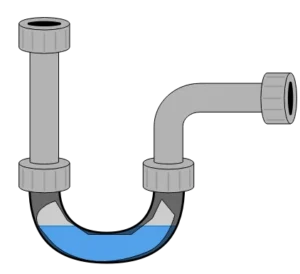
When a P-trap has water in it, rats can’t get through because they’d have to swim underwater through the entire trap. Most rats won’t attempt this because they can’t tell how far they’d have to swim.
But if a P-trap dries out (like in a drain you rarely use), there’s no water barrier. Rats can just climb right through the pipe. This is why drains in guest bathrooms or basement utility sinks are particularly vulnerable.
P-traps can also crack, leak, or become damaged over time. If a trap isn’t holding water properly, it won’t protect against rats even if you use that drain regularly.
Signs Rats Might Be in Your Sewer Lines
Strange sounds coming from your drains are one sign. You might hear squeaking, scratching, or scurrying sounds in the pipes, especially at night.
Slow drains or frequent clogs might indicate rats in your sewer line. Rats can block pipes with their bodies or with nesting material they bring into the pipes.
Bad smells coming from drains, especially smells that seem worse than typical sewer odors, might mean rats are living or have died in your pipes. Dead rats create a really distinctive, terrible smell.
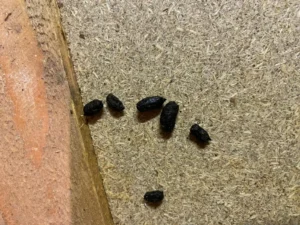
You might see droppings near floor drains or in your basement near plumbing fixtures. If rats are coming up from the sewer, they often leave evidence near where they emerge.
Water level changes in your toilet bowl can sometimes indicate rats moving through the pipes. If you notice the water level going up and down for no apparent reason, it could be a rat swimming through the pipes.
What to Do If You See a Rat in Your Toilet
If you see a rat in your toilet, don’t flush it. Flushing might just send the rat back down into your plumbing where it can try again later, or it might not work at all if the rat is strong enough to resist the current.
Close the toilet lid and put something heavy on it to keep the rat from escaping. Then call a professional pest control company right away. They have the tools to safely remove the rat.
After the rat is removed, you need to figure out how it got there. A plumber should inspect your sewer line for damage or entry points that let the rat access your home’s plumbing.
You might also need to install a rat blocker or one-way valve in your sewer line. These devices let waste flow out but prevent rats from swimming up into your pipes.
Preventing Rats From Coming Up Sewer Pipes
Keep water in all your P-traps by running water in every drain at least once a week. This is especially important for drains in rarely used bathrooms, laundry rooms, or basement floor drains.
If you have a floor drain you never use, pour a cup of water down it every week to keep the trap full. You can also pour a little bit of cooking oil down after the water, which slows evaporation.

Consider installing backwater valves or rat guards in your sewer line. These mechanical devices let waste flow out of your home but block anything from coming back up the pipe.
Have your sewer line inspected if you live in an older home or neighborhood. Cracks and damage in the sewer line create opportunities for rats to get from the main sewer into your home’s plumbing.
Make sure all your floor drains have proper grates or covers. Don’t leave drains open or covered with makeshift screens that rats could push through or chew.
Rat Guards and Backwater Valves
Rat guards (also called rat blockers or rat valves) are devices installed in your sewer line that prevent rats from swimming up into your home. They have one-way flaps that open when waste flows out but close to block entry from the sewer.
These devices need to be installed by a professional plumber because they require access to your main sewer line. The installation usually involves digging up part of your yard to reach the pipe.

Backwater valves serve a similar purpose but are primarily designed to prevent sewage from backing up into your home during floods. As a bonus, they also work to keep rats out.
The cost of installing these devices ranges from $500 to $2,000 depending on how accessible your sewer line is. While that might seem expensive, it’s worth it if you live in an area with known sewer rat problems.
Regular maintenance is important for these devices. They need to be checked periodically to make sure they’re working properly and haven’t been damaged or clogged.
The Risk in Older vs Newer Homes
Older homes are at much higher risk for rats coming through sewer pipes. Older sewer systems have more cracks, breaks, and deterioration that create entry points for rats.
Clay sewer pipes, which were common in homes built before the 1980s, are particularly vulnerable. They crack and break apart over time, and tree roots can break through them, creating openings.

Modern PVC sewer pipes are much more resistant to damage and less likely to develop the kinds of openings that rats can exploit. Newer homes generally have better-sealed plumbing systems.
However, even new homes aren’t completely safe if they’re connected to older municipal sewer systems. Rats in the main sewer line can still access your newer plumbing if the connections aren’t properly sealed.
Health Risks From Sewer Rats
Rats that live in sewers carry some of the worst diseases because they’re constantly exposed to human waste and other contaminants. These rats can spread salmonella, leptospirosis, rat-bite fever, and other serious illnesses.
If a rat comes up through your toilet or drain, it can contaminate surfaces in your bathroom with bacteria from the sewer. Even if you don’t touch the rat directly, you could be exposed to diseases through contaminated surfaces.
Rat urine and droppings in your plumbing can contaminate your home. If rats are traveling through your pipes regularly, they’re leaving waste behind that can affect your water quality and air quality.
The parasites that sewer rats carry (fleas, ticks, mites) can spread into your home even if the rat doesn’t make it all the way out of the drain. These parasites can cause their own health problems.
What Plumbers Can Do to Help
A professional plumber can inspect your sewer line with a camera to look for damage, cracks, or places where rats might be getting in. This inspection shows the exact condition of your pipes.
They can repair or replace damaged sections of sewer line that are allowing rats to access your home’s plumbing. This might involve digging up and replacing parts of the pipe.

Plumbers can also check all your P-traps to make sure they’re holding water properly and not cracked or damaged. They’ll replace any traps that aren’t working right.
They can install rat guards, backwater valves, or other protective devices in your sewer line. These installations require professional expertise to do correctly.
A plumber can also make sure all your drains have proper screens or grates and that there are no exposed openings where rats could enter your plumbing system.
Geographic Locations With Higher Risk
Urban areas with older infrastructure tend to have more problems with rats in sewers. Cities like New York, Chicago, Boston, and other older metropolitan areas have well-documented sewer rat populations.
Coastal areas and places with high water tables are also at higher risk. Rats thrive in these environments, and flooding can push them up through plumbing more frequently.

Areas undergoing construction or infrastructure work see temporary increases in rats coming up through plumbing. When sewer work disrupts rat populations, they scatter and look for new places to go.
Neighborhoods near restaurants, grocery stores, or other food-related businesses tend to have more sewer rats because there’s more food waste in the sewers. Living near these areas increases your risk.
Myths About Rats in Sewer Pipes
One common myth is that rats only come up through toilets in apartment buildings or commercial properties. Actually, rats can come up through toilets in any type of building, including single-family homes.
Another myth is that newer toilets or low-flow toilets prevent rats. While some modern toilet designs might make it slightly harder, rats can still navigate most toilets if they’re determined enough.

Some people think putting bleach or other chemicals down drains will keep rats away. While harsh chemicals might discourage rats temporarily, they won’t stop a determined rat, and these chemicals can damage your pipes.
The idea that rats only come up through plumbing in dirty or poorly maintained homes is also false. Rats come up through sewers looking for food and shelter, and they don’t care how clean your bathroom is.
Emergency Response Plan
If you discover a rat in your plumbing, stay calm and don’t try to handle it yourself. Rats can bite, and sewer rats especially carry diseases that can make you very sick.
Contain the rat if possible by closing toilet lids, covering drains, or blocking off the area where the rat emerged. Keep children and pets away from the area.
Call a pest control professional immediately. Explain that the rat came from your plumbing so they know to bring appropriate equipment and take proper precautions.
After the rat is removed, call a plumber to inspect your sewer line and plumbing. Don’t assume it was a one-time event; there’s probably a reason that rat was able to access your pipes.
Document everything with photos if you can do so safely. This might be useful if you need to make an insurance claim for damage or contamination.
Long-Term Prevention Strategies
Beyond immediate fixes, think about long-term strategies to keep your plumbing rat-free. Regular sewer line inspections (every 5-10 years) help you catch problems before they become rat entry points.
Keep tree roots away from your sewer line. Tree roots can crack and break sewer pipes, creating openings for rats. Consider removing or relocating trees that are too close to your sewer line.
If you live in a high-risk area, consider upgrading to a modern sewer line if yours is old. The upfront cost is significant, but it eliminates many potential entry points for rats.
Work with your neighbors and local government to address sewer rat populations. Individual efforts work better when the whole neighborhood is taking action to reduce rat populations.
Stay informed about construction or repairs happening in your area’s sewer system. These events can temporarily increase the risk of rats coming up through plumbing, so you can take extra precautions during those times.
Conclusion
Rats can definitely come through sewer pipes and enter your home through toilets, drains, and other plumbing fixtures. They’re adapted to living in sewers and are strong swimmers capable of navigating through water-filled pipes.
The best protection is to maintain your P-traps by keeping water in them, install rat guards or backwater valves in your sewer line, and have your sewer pipes inspected and repaired if they’re damaged.
If you do encounter a rat in your plumbing, call professionals immediately to remove it and identify how it got there. Don’t ignore the problem because where one rat can get through, more will follow.

Hi, my name is Ezra Mushala, i have been interested animals all my life. I am the main author and editor here at snakeinformer.com.