
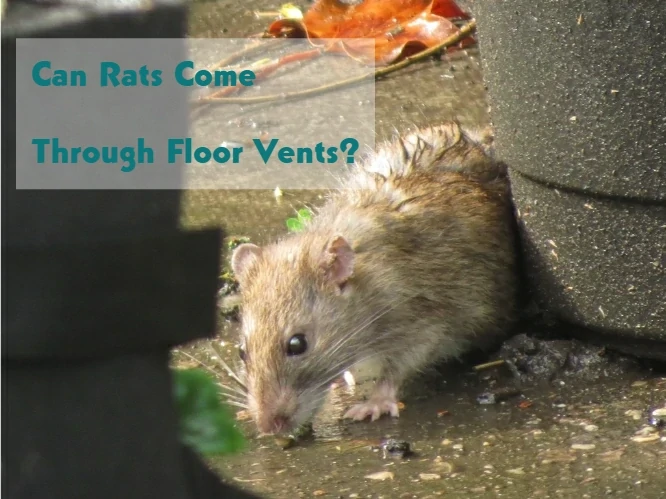
Floor vents are low to the ground and connect directly to the ductwork under your house, which makes them easy targets for pests.
If you’ve seen droppings near your floor vents or heard strange noises coming from below, you might be worried about rats getting in.
But can rats come through floor vents?
Yes, rats can come through floor vents if they get into your crawl space or ductwork. Floor vents are actually one of the easiest entry points for rats because they’re close to ground level and often have gaps around the edges that rats can squeeze through.
Rats living in your crawl space or basement can use floor vents as doorways into your living areas. They can push through loose vent covers or squeeze around the edges where the vent meets the floor.
Why Floor Vents Are Easy Targets for Rats
Floor vents sit right at ground level, which makes them really accessible to rats. Unlike ceiling vents that rats need to climb to reach, floor vents are right where rats naturally travel.
Many floor vents also have design features that make them easy for rats to get through. The metal grates have openings that are sometimes big enough for young rats to squeeze through directly.

Even if the grate openings are too small, rats can work at the edges where the vent cover sits in the floor.
Over time, floor vents can become loose or damaged. The screws holding them down might come out, or the metal frame around the vent might rust and create gaps. These imperfections are all rats need to find their way into your home.
How Rats Access Floor Vents from Below
Rats usually don’t start at your floor vents. They get into your crawl space or basement first, then work their way up through the ductwork to reach the vents.
Common ways rats get into crawl spaces include foundation cracks, gaps around pipes and wires, broken vent screens on your foundation, and doors that don’t seal properly. Once they’re in the crawl space, they have access to all the ductwork under your house.

The ducts under your floor are often in pretty rough shape. They might have holes, loose connections, or sections that have come apart over time. Rats can squeeze through these openings and travel through the duct system until they reach a floor vent.
Some rats will push up on floor vent covers from below. If the vent cover isn’t secured properly or is old and warped, a determined rat can actually lift it up enough to squeeze through.
Signs of Rats Coming Through Floor Vents
If rats are using your floor vents to get into your home, you’ll notice some clear warning signs. The most obvious is droppings around the vent openings, especially concentrated near specific vents.
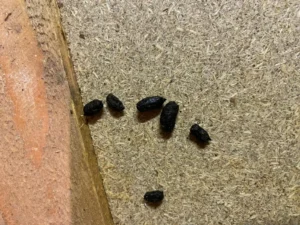
- You might see greasy smudge marks on the vent covers or on the floor around them.
These marks come from the oils in rat fur and show where rats have been rubbing against surfaces as they move around.
- Strange smells coming from floor vents are another big sign.
Rat urine has a really strong ammonia smell that gets worse over time. If you notice a musty or unpleasant odor coming from specific floor vents, rats might be living in the ductwork below.
- Sounds are a dead giveaway too.
You might hear scratching, squeaking, or scurrying sounds coming from under your floor, especially at night when rats are most active. Sometimes you can actually hear them moving inside the ducts or pushing against the vent covers.
The Difference Between Floor Vents and Wall Vents
Floor vents are more vulnerable to rat entry than wall vents for several reasons. First, they’re at ground level where rats naturally travel, so rats come across them more easily.
Second, floor vents deal with more wear and tear. People step on them, furniture gets pushed over them, and they collect more dirt and debris. This damage creates gaps and weak spots that rats can take advantage of.
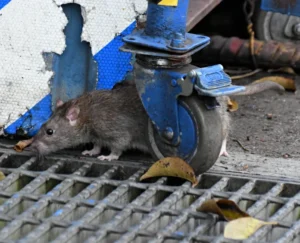
Wall vents are usually higher up and better sealed into the wall structure. While rats can still get to them by climbing or accessing attic spaces, it takes more effort than simply walking across a crawl space floor to a floor vent.
That said, if you have rats in your ductwork, they can come through any type of vent. Floor vents are just the easiest starting point for most rat infestations.
Can Rats Lift Floor Vent Covers?
Yes, rats can actually lift some floor vent covers if the covers aren’t secured well. Floor vent covers that just sit in the opening without screws are especially vulnerable.
Rats are surprisingly strong for their size. A full-grown rat can lift objects several times its own weight. If a vent cover is light and loose, a rat can push it up from below and squeeze through the gap.
Even heavy vent covers can be moved if they’re not fastened down. Rats will work at the edges, pushing and wiggling until they create enough space to get through. You might notice your vent covers are slightly out of position if rats have been moving them.
This is why it’s really important to make sure all your floor vent covers are properly secured. Use screws to fasten them down so rats can’t lift or shift them from below.
What Type of Floor Vents Are Most Vulnerable?
Older metal floor vents with larger openings in the grate are the most vulnerable. These vents were designed when energy efficiency wasn’t as big a concern, so the openings are sometimes large enough for rats to squeeze through directly.
Plastic floor vents can be easier for rats to damage than metal ones. While plastic vents are cheaper and lighter, rats can chew through them more easily if they’re determined to get into your home.

Floor vents in older homes are usually more at risk because they’ve had more time to develop problems. The screws might be rusted, the metal might be corroded, and the fit might be loose from years of settling and temperature changes.
Vents that are partially blocked by furniture or rugs are also more vulnerable. You might not notice if a rat has damaged or moved a vent that’s hidden under something, giving them more time to establish a route into your home.
How to Inspect Your Floor Vents for Rat Access
Start by removing all your floor vent covers so you can check both the cover and the opening. Look for any droppings, smudge marks, or chew marks on the vent covers themselves.
- Check the edges where the vent sits in the floor.
Look for gaps between the vent frame and the flooring. Even small gaps can be entry points for rats. Run your finger around the edge to feel for any openings you might not see easily.

- Look down into the duct opening with a flashlight.
You might see droppings, nesting material, or even rat trails in any dust that’s built up. If you see these signs, rats are definitely using your ductwork.
- Check if the vent covers are secured properly.
Try to lift each cover. If it comes up easily without removing screws, it’s not secure enough. Rats can definitely lift covers that aren’t fastened down.
Sealing Floor Vents Against Rats
The best way to keep rats from coming through floor vents is to make sure the vents are properly sealed and secured. Start by replacing any damaged or worn-out vent covers with new ones made of heavy-duty metal.
Make sure all vent covers are screwed down tight. Don’t just let them sit in the opening. Use screws that go into the floor or the duct frame to hold the cover firmly in place.

If there are gaps around the edge of the vent opening, seal them with caulk or expanding foam. For bigger gaps, stuff steel wool into the space first, then cover it with foam or caulk. Rats can’t chew through steel wool, so it creates a good barrier.
Consider installing vent covers with smaller openings in the grate. You can find vent covers designed with pest prevention in mind that still allow good airflow but have openings too small for rats to fit through.
What to Do About Rats Already Using Floor Vents
If rats are already coming through your floor vents, you need to deal with the problem from multiple angles. First, you need to remove the rats that are already in your crawl space or ductwork.
Set traps in your crawl space near the ductwork. Snap traps work well for rats, and you should use peanut butter or dried fruit as bait. Check the traps daily and remove any dead rats right away.
You might want to call a pest control professional, especially if you have a lot of rats or can’t safely access your crawl space. They have better tools and experience dealing with rat infestations in ductwork.
While you’re removing the rats, temporarily seal your floor vents from inside your home. You can tape cardboard over them or block them with heavy objects. This stops rats from getting into your living spaces while you deal with the infestation below.
Should You Block Floor Vents Completely?
You shouldn’t permanently block your floor vents because they’re part of your home’s heating and cooling system. Blocking them will mess up your HVAC airflow and can make your system work harder and less efficiently.
Instead of blocking vents, focus on sealing them properly and removing the rats from your crawl space and ductwork. Once the rats are gone and can’t get back in, you can use your vents normally.
If you have floor vents in rooms you don’t use much, you can close them with the built-in dampers (if they have them). This reduces the number of potential entry points while still keeping your HVAC system working properly.
Some people install additional screening behind their floor vent covers. This adds an extra barrier without blocking airflow. Just make sure the screening is made of metal that rats can’t chew through.
Preventing Rats from Getting to Your Floor Vents
The best long-term solution is to keep rats out of your crawl space in the first place. If they can’t get under your house, they can’t reach your floor vents from below.
Inspect your home’s foundation for any cracks or holes and seal them. Pay special attention to where pipes and wires enter your foundation. These are common entry points for rats.
Make sure all foundation vents have secure screens that aren’t damaged or rusted. Replace any broken vent screens with new ones made of heavy-duty metal mesh.
Keep the area around your home’s foundation clear of clutter, wood piles, and dense vegetation. These give rats places to hide and live while they look for ways into your crawl space.
The Connection Between Crawl Space Conditions and Floor Vent Access
The condition of your crawl space plays a big role in whether rats can reach your floor vents. A damp, cluttered crawl space with exposed soil is really attractive to rats.
Moisture in your crawl space can damage your ductwork and create gaps where rats can get in. It also provides rats with the water they need to survive, making your crawl space a more desirable place to live.

If your crawl space has exposed dirt, consider installing a vapor barrier. This is a thick plastic sheet that covers the ground and helps control moisture. While it won’t stop rats by itself, it makes your crawl space less attractive to them.
Make sure your crawl space has proper ventilation to reduce moisture. At the same time, make sure those vents have secure screens so they don’t become entry points for rats.
Health Risks from Rats Using Floor Vents
When rats come through floor vents, they bring health risks right into your living spaces. Rats carry diseases that can spread through their droppings, urine, and saliva.
Every time your heating or air conditioning runs, it can blow contaminated air from the ductwork through your floor vents. You might breathe in particles from rat waste without realizing it.

Rats also carry parasites like fleas, ticks, and mites. When rats come through your floor vents, these parasites can spread into your home. They might drop off the rat and end up in your carpets or furniture.
Children are at higher risk because they play on the floor near floor vents. If rats have been coming through a floor vent, the area around it might be contaminated with rat waste or parasites.
Professional Help vs DIY Solutions
For minor problems, like a single rat or securing loose vent covers, you can probably handle it yourself. But if you have a serious infestation or rats have damaged your ductwork, professional help is worth it.
Pest control professionals can inspect your crawl space and ductwork thoroughly. They have cameras and tools that let them see into areas you can’t reach easily. They can find all the entry points and problem areas you might miss.

If your ductwork is damaged, you might need an HVAC professional in addition to pest control. They can repair or replace damaged sections of ductwork and make sure everything is sealed properly.
The cost of professional help is usually less than the cost of the damage rats can cause if you don’t deal with the problem properly. Plus, professionals can often solve the problem faster and more completely than DIY methods.
Conclusion
Rats can definitely come through floor vents if they get into your crawl space or ductwork. Floor vents are especially vulnerable because they’re at ground level and often have gaps or loose covers that rats can take advantage of.
The best way to protect your home is to keep rats out of your crawl space, secure all floor vent covers properly, and seal any gaps around the vent openings. Regular inspections help you catch problems before they get serious.
If you already have rats coming through your floor vents, act quickly. Remove the rats, clean the affected areas, and seal all entry points. Don’t ignore the problem because it will only get worse over time and put your family’s health at risk.

Hi, my name is Ezra Mushala, i have been interested animals all my life. I am the main author and editor here at snakeinformer.com.