
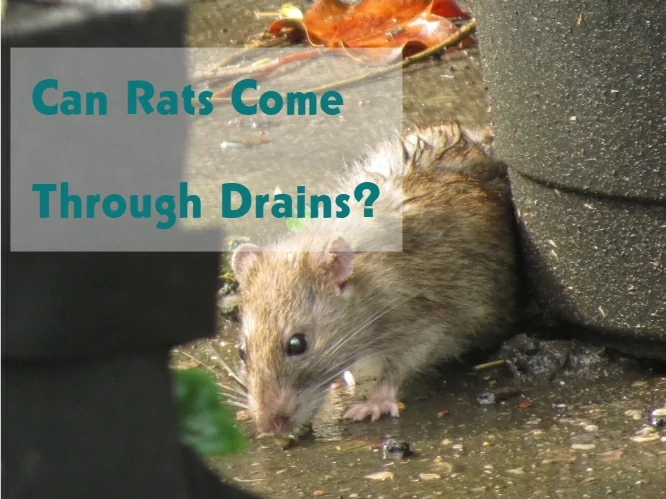
Finding a rat in your sink or bathtub is one of those nightmare scenarios that seems too horrible to be real.
You’ve probably heard stories about rats coming up through drains, but you might wonder if it’s actually possible or just an urban legend. Can rats really come through drains?
Yes, rats can come up through drains, and it happens more often than you’d think. Rats are excellent swimmers who can hold their breath for up to three minutes. They can navigate through your plumbing system, swim through water traps, and emerge from sink drains, floor drains, and even toilets.
While it’s not the most common way rats enter homes, it’s definitely possible.
Rats in sewer systems actively look for ways to get into buildings, and your drains provide a direct path if conditions are right.
Why Rats Can Navigate Through Drains
Rats have several physical abilities that make them perfectly suited for traveling through drain systems. Understanding what they can do helps you see why this is a real threat.
Rats are incredible swimmers. They can tread water for up to three days and swim for half a mile without stopping. Research on rat behavior shows they’re comfortable in water and actually use waterways as highways to travel.
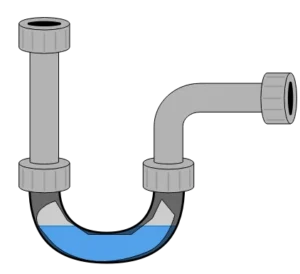
They can hold their breath for up to three minutes. This is way more than enough time to swim through the water trap in your drain.
That U-bend under your sink that’s supposed to keep things out doesn’t stop a rat.
Rats can squeeze through incredibly small spaces. If their head fits, their whole body can follow.
They can compress their rib cages and flatten their bodies to get through openings as small as a quarter. Many drain pipes are much larger than this.
Their whiskers help them navigate in the dark. Drains are completely dark inside, but rats don’t need light. Their sensitive whiskers touch the pipe walls and help them know which way to go.
Rats also have incredible determination. Once they sense food, warmth, or shelter, they’ll keep trying to reach it. They won’t give up just because the journey is difficult or uncomfortable.
How Rats Get Into Your Drain System
For a rat to come up through your drain, it first needs to get into your plumbing system. This usually happens through breaks or openings in sewer lines, not because the rat somehow swam in from miles away.
Damaged sewer pipes are the main entry point. Old clay or concrete pipes can crack, break, or develop gaps at joints.
Tree roots growing through pipes create openings. When a pipe is damaged, rats living in the soil can get inside.
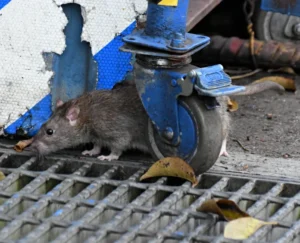
Rats often live in sewer systems. City sewers provide everything rats need: shelter from predators and weather, constant moisture, and plenty of food waste. A whole population of rats can live in the sewer system under your street.
Once in the sewer, rats explore all the connected pipes looking for food and shelter.
Your home’s drain pipes connect to the main sewer line.
If a rat is exploring the sewer and finds your connection, it might follow that pipe to see where it leads.
Rats are attracted to the smells coming from your drains. Food waste, soap, and other organic matter create scents that rats can detect from inside the sewer.
These smells lead them right to your pipes.
Which Drains Are Most Vulnerable?
Not all drains are equally likely to have rats come through them. Some are much more vulnerable based on their design, location, and how often they’re used.
Floor drains in basements are high-risk entry points. These drains sit at the lowest point in your house and connect most directly to the sewer.
If they’re not used regularly, the water trap can dry out, leaving the pipe completely open.
Toilets are actually the easiest drain for rats to navigate.
The pipes are larger than sink drains, and there’s a direct path from the sewer to the bowl. Many rat-in-toilet stories are completely true.

Kitchen sink drains get used a lot, which you’d think would deter rats. But food waste in kitchen drains is super attractive to rats.
The smell of food can draw them up despite the frequent water flow.
Bathroom sink drains are less common entry points because they’re smaller and don’t smell like food. But a determined rat can still navigate them if it wants to.
Shower and bathtub drains are possible but less common. The pipes are often smaller, and there’s less attractive scent to draw rats. Still, it can happen, especially in older homes with larger drain pipes.
Signs Rats Might Be in Your Drains
If rats are living in or traveling through your drain system, there are several warning signs you might notice before you actually see a rat.
1. Strange Noises From Your Drains Are a Major Red Flag.
You might hear scratching, squeaking, or scurrying sounds coming from under your sink or near floor drains.

These sounds are especially noticeable at night when rats are most active.
2. Bad Smells Coming From Drains Can Indicate Rats.
If a rat died in your pipes, it creates a terrible odor. Even living rats leave behind urine and droppings that smell bad.
3. Slow Draining or Gurgling Sounds Might Mean Something Is Partially Blocking Your Pipes.
Rats can get stuck in pipes, or their nesting materials can create clogs.
4. You Might See Rat Droppings Near Drains.
Rat droppings are dark, pellet-shaped, and about half an inch long.
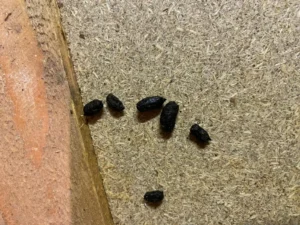
Finding these near your kitchen sink, bathroom, or basement floor drain is a clear warning sign.
5. Grease or Dirt Marks Around Drain Openings Can Indicate Rats.
As they squeeze in and out, their oily fur leaves marks. Look for dark smudges around the edges of drains.
How to Keep Rats Out of Your Drains
Keeping rats out of your drains requires a combination of good plumbing maintenance and smart prevention strategies. Here’s what actually works.
- Keep all drain traps filled with water.
If you have floor drains or sinks you don’t use regularly, pour water down them at least once a month.
The water trap is your first line of defense, and it only works when it’s full.
- Install drain covers on all your drains.
Get covers with small holes that rats can’t squeeze through. Floor drains especially need secure covers.

Make sure the covers fit tightly and can’t be pushed aside.
- Use one-way valve covers on vulnerable drains.
These special covers let water flow down but have flaps that prevent anything from coming back up.
They’re especially good for basement floor drains and toilets if you’re in a high-risk area.
- Keep your drains clean.
Don’t let food waste, grease, or organic matter build up in your kitchen drain. The less attractive your drains smell to rats, the less likely they are to investigate.
- Have your sewer line inspected if you have an old house.
A plumber can run a camera through your sewer line to check for cracks, breaks, or tree root damage.
Studies show that fixing damaged pipes is the most effective way to keep sewer rats from entering homes.
- Don’t flush food waste down your toilet.
Food in your sewer line is like putting out a welcome sign for rats.
Use your garbage disposal sparingly and compost or trash food waste when possible.
What to Do If You Find a Rat in Your Drain
If you actually see a rat in your sink, tub, or coming from a drain, you need to act fast. Here’s how to handle this scary situation safely.
1. Don’t Panic, but Do Act Quickly.
If the rat is in your sink or tub, close the drain so it can’t escape back down. You want to contain it so it doesn’t run into your house.
2. If You Can Safely Trap the Rat, Use a Large Container or Box.
Wear thick gloves because rats can bite hard. Don’t try to grab it with your bare hands.

Once trapped, you can take it outside, but honestly, this is dangerous and you should call professionals instead.
3. Call a Pest Control Professional Immediately.
This isn’t a DIY situation. If rats are coming through your drains, you have a serious problem that needs expert help.
Professionals have the right equipment and knowledge to handle rats safely.
4. Call a Plumber to Inspect Your Sewer Line.
If rats are getting into your drains, there’s damage somewhere in your plumbing.
A plumber needs to find and fix the entry point, or more rats will keep coming.
5. Don’t Use Poison in Your Drains.
If a rat dies in your pipes, the smell will be horrible and you’ll have a much worse problem. Plus, poison in your drains can contaminate your water supply.
6. Keep All Drains Closed Until the Problem Is Fixed.
Put covers on everything and keep toilet lids down. This prevents more rats from coming up while you’re working on a solution.
Are Rats in Drains Dangerous?
Having rats come through your drains is more than just disgusting and scary. It’s actually a serious health and safety issue that needs immediate attention.
Sewer rats especially are exposed to all kinds of bacteria, viruses, and parasites.

They can spread leptospirosis, salmonella, rat-bite fever, and other illnesses through their urine, droppings, and bites.
- Rat bites are dangerous.
If you’re trying to handle a rat from your drain and it bites you, you need medical attention immediately.
Rat bites can get seriously infected and transmit diseases.
- Rats contaminate your living spaces.
When a rat comes through your drain, it brings sewer bacteria with it. Anywhere the rat walks becomes contaminated.
Your counters, floors, and furniture all need deep cleaning.
- They can damage your plumbing.
Rats chew constantly to keep their teeth from getting too long. They might chew on pipes, especially plastic ones.
This can cause leaks and water damage.
- A rat in your drain means more are coming.
Where there’s one rat, there are usually many more. If your plumbing is accessible to one rat, it’s accessible to dozens

. The problem will get worse fast if you don’t act.
Why Old Homes Are More Vulnerable
If you live in an older house, you’re at higher risk for rats coming through drains. Age and construction methods make a big difference in vulnerability.
Old sewer pipes are often made of clay or cast iron. These materials crack and break down over time.
Clay pipes especially can develop gaps at joints where sections connect. These gaps are perfect entry points for rats.
Tree roots invade old pipes. If your sewer line has been in the ground for 50 or more years, tree roots have probably found it.

Roots break through pipes looking for water. The gaps they create let rats in.
Older homes might have larger drain pipes. Modern plumbing codes require smaller pipes that are harder for rats to navigate.
But old houses often have 4-inch or larger drain lines that give rats plenty of room.
Settling and ground movement affect old homes more. Over decades, houses settle and shift. This can crack or disconnect sewer pipes, creating new entry points for rats.
If you own an old home, have your sewer line inspected. It’s worth the cost to know if you have vulnerabilities.
Many plumbers offer camera inspections that show exactly what’s going on inside your pipes.
Septic Systems vs. City Sewers
You might wonder if having a septic system instead of city sewer makes you more or less vulnerable to rats. Here’s how the two compare.
City sewers actually have more rat populations. Municipal sewer systems are like rat highways with entire colonies living down there. Thousands of rats can live in city sewers, and they’re always exploring the connected pipes.
Septic systems are less likely to have rats inside them. Your septic tank is sealed, and rats can’t really live in it. There’s no rat population in your septic system the way there is in city sewers.

But septic systems can still have problems. If your pipes between your house and septic tank are damaged, rats living in the soil can get in.
Tree roots are actually more common in septic system areas because the pipes are closer to the surface.
The main drain line from your house to either system is the vulnerable point. Whether you have septic or sewer, that line can crack or break.
Regular inspection and maintenance matter more than which system you have.
Can Rats Swim Back Down?
If a rat comes up through your drain, can it go back down the same way? This is important to know if you’re trying to deal with a rat emergency.
Yes, rats can swim back down drains. They’re just as capable going down as coming up. If a rat feels threatened or scared in your house, it might retreat back down the drain it came from.
But a rat might not want to go back down. If it smells food in your house or finds a good hiding spot, it might decide to stay. Rats are opportunistic and will take advantage of what seems like a safe place with resources.
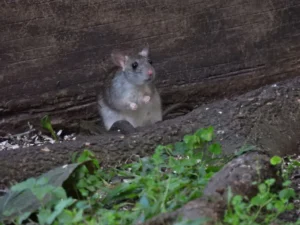
You can’t count on a rat leaving the way it came. Even if you leave drains open hoping it’ll swim back out, the rat might explore your house instead.
This is why containing and removing the rat (with professional help) is better than hoping it leaves on its own.
If a rat does go back down your drain, the problem isn’t solved. That same rat or others will probably come back up. Y
ou need to fix the underlying issue of how rats are getting into your plumbing.
How Common Is This Problem Really?
You might wonder if rats in drains are actually common or if it’s just rare horror stories that get publicized. Here’s the reality.
In cities with old sewer systems, it’s more common than people think. Major cities like New York, London, and Chicago have well-documented rat problems in their sewers. Rats coming up through plumbing happens regularly in these areas.
It’s less common in newer developments. Modern plumbing codes, better materials, and newer infrastructure make it harder for rats to access drain systems.
If you’re in a house built in the last 20 years with modern plumbing, your risk is much lower.
Ground floor and basement units are higher risk. Upper-floor apartments are much less likely to have rats come through drains because it’s a longer, harder journey for the rats. The higher up you live, the safer you are.
The problem gets worse in certain conditions. Heavy rain can flood sewers and push rats to seek higher ground through your pipes. Construction that disturbs sewer lines can drive rats into new areas.
Most people never deal with this. While it’s a real threat, the vast majority of homeowners will never have a rat come through their drains.
But the consequences are serious enough that prevention is worth it.
Conclusion
Rats can definitely come through drains, and it’s not just an urban legend. They’re excellent swimmers who can hold their breath for minutes, squeeze through small spaces, and navigate complex pipe systems.
Your drains provide a direct path from the sewer to your home.
The best protection is maintaining your plumbing system. Have your sewer line inspected, especially if you have an old home. Fix any damage immediately.
Keep all drain traps filled with water and install proper covers on vulnerable drains.
If you find a rat in your drain, call professionals immediately. This isn’t something to handle yourself.
You need both pest control and plumbing experts to solve the problem and prevent it from happening again.
Prevention is worth the investment. Installing one-way valves, getting sewer line repairs, and using proper drain covers costs money upfront.
But it’s nothing compared to the health risks, property damage, and stress of actually having rats come through your drains.

Hi, my name is Ezra Mushala, i have been interested animals all my life. I am the main author and editor here at snakeinformer.com.