
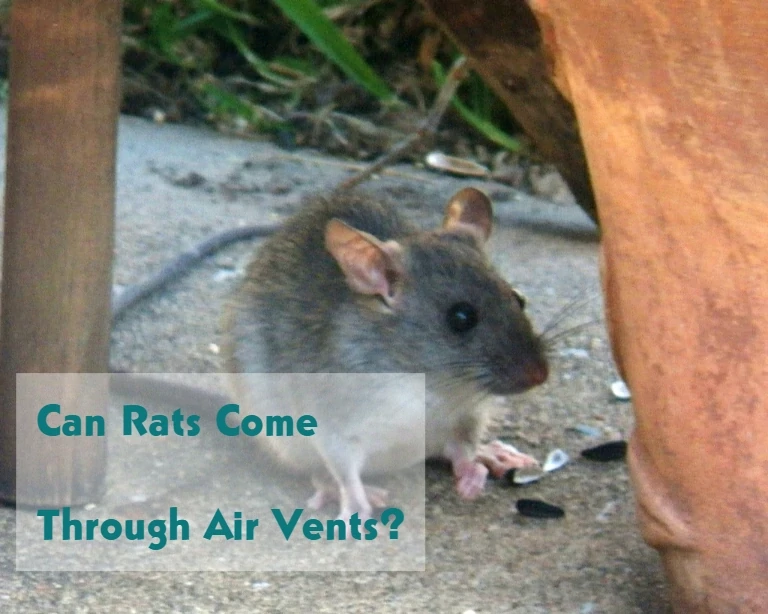
Air vents are everywhere in your home, from the ceiling to the floor to the walls. They’re connected to your ductwork and spread throughout every room, which makes them potential highways for pests.
If you’re worried about rats using your ventilation system to get around, you’re right to be concerned. But can rats come through air vents?
Yes, rats can come through air vents if they get into your ductwork. They can squeeze through gaps around vent covers, push through loose vents, or access the ducts through openings in your attic, crawl space, or exterior walls.
Once rats are in your duct system, they can travel to any room in your house and emerge from the vents. This makes air vents a serious vulnerability in your home’s defenses against rats.
How Rats Access Air Vent Systems
Rats don’t usually start inside your air vents. They have to find a way into your ductwork first, and they typically do this from outside your home or from areas like your attic or crawl space.

Common entry points include damaged or missing vent covers on the outside of your home, gaps where ductwork connects to your HVAC unit, and holes or disconnected sections of ductwork in your attic or crawl space.
Rats are really good climbers and can scale walls to reach roof vents or soffits. Once they find an opening into your ductwork, they can climb right in and start exploring your vent system.
Some rats get into air vents through damaged ductwork. If your ducts have holes, rust spots, or sections that have come loose, rats can squeeze through these openings and get inside.
Types of Air Vents and Their Vulnerability
Different types of air vents have different levels of vulnerability to rats. Floor vents are often the most vulnerable because they’re at ground level and easy for rats to reach from crawl spaces or basements.
Wall vents can be accessed by rats if they’re already in your walls or if the ductwork behind them has openings. Rats in wall cavities will quickly find air vents as potential entry or exit points.
Ceiling vents are usually safer from direct rat entry, but if rats are in your attic, they can access ceiling vents from above. They might push up on the vent covers or find gaps around the edges.
Return air vents (the vents that pull air into your HVAC system) are actually more vulnerable than supply vents in some ways. They often have larger openings and less secure covers, making them easier for rats to manipulate.
Signs Rats Are Using Your Air Vents
The most obvious sign is hearing scratching or scurrying sounds coming from your vents. These sounds are usually loudest at night when rats are most active, and you might hear them moving through the ducts.
You might also notice bad smells coming from your vents. Rat urine has a strong ammonia smell, and if rats are living or traveling through your ductwork, that smell will spread through your home whenever the system runs.
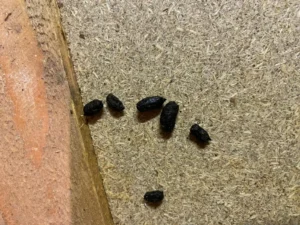
Droppings around vent openings are another clear sign. You might see small, dark droppings on the floor near floor vents or on furniture near wall vents. These droppings look like dark rice grains.
Greasy marks around vent covers show where rats have been rubbing against surfaces. The oils from their fur leave visible smudges, especially on lighter-colored vent covers.
If you remove a vent cover and look inside with a flashlight, you might see droppings, nesting material, or even see the rats themselves if they’re using that section of ductwork.
Why Air Vents Are Attractive to Rats
Air vents provide rats with protected travel routes throughout your home. They can move from room to room without being seen, which is perfect for nocturnal creatures that want to avoid predators (including you).
The ductwork stays relatively warm, especially if you run your heating system. This warmth is really attractive to rats, particularly in cold weather when they’re looking for cozy places to nest.
Ducts are dark and enclosed, which makes rats feel safe. They can rest during the day without worrying about being spotted or disturbed.
From the ductwork, rats can smell food in your kitchen and easily find their way to food sources. Air vents give them direct access to the rooms where you store and prepare food.
Can Rats Push Through Vent Covers?
Yes, some rats can push through certain types of vent covers, especially if the covers aren’t secured properly. Vent covers that just snap into place or sit loosely are vulnerable.
Rats are surprisingly strong for their size. They can push, lift, and wiggle vent covers that aren’t screwed down. If there’s any give to the cover, a determined rat will work at it until it creates enough space to squeeze through.
Floor vent covers are especially easy for rats to manipulate from below. If a rat is in your crawl space or basement ductwork, it can push up on a floor vent and potentially lift it enough to get through.
Even screwed-down vent covers can have gaps around the edges if they’re old or warped. Rats can squeeze through these gaps or chew at them to make them bigger.
Damage Rats Cause in Air Vent Systems
Rats in your air vents can cause serious damage to your HVAC system. They love to chew on things, and that includes the wires and insulation in your ductwork.
When rats chew through electrical wiring in your HVAC system, it can cause the system to malfunction or create fire hazards. These repairs can be expensive and sometimes require replacing entire sections of ductwork.
Rats also tear up the insulation around ducts to make nests. This reduces your system’s efficiency and makes your heating and cooling bills go up. Lost insulation means your conditioned air loses more heat or coolness before it reaches your rooms.
Rat droppings and urine in your ductwork create health hazards. Every time your system runs, it can spread contaminated air throughout your home. This can cause respiratory problems, allergies, and spread diseases.
Health Risks From Rats in Air Vents
Having rats in your air vents is particularly dangerous from a health standpoint because your HVAC system actively distributes air throughout your home. If that air passes through contaminated ductwork, everyone in your house breathes it.
Rat droppings can carry hantavirus, salmonella, and other diseases. When droppings dry out and break apart, they can become airborne particles that your air system blows around.
Rats also carry parasites like fleas, ticks, and mites. These parasites can drop off the rats and travel through your ductwork, potentially ending up in your living spaces.
The allergens from rat fur, urine, and droppings can trigger asthma attacks and allergic reactions. Children and people with existing respiratory conditions are at higher risk.
If a rat dies in your ductwork, the decomposing body creates a terrible smell and attracts other pests. The bacteria from decomposition can also spread through your ventilation system.
Inspecting Your Air Vents for Rat Activity
Start by removing all accessible vent covers in your home. Check each cover for damage, chew marks, or signs that it’s been moved or manipulated.
Look inside the duct openings with a bright flashlight. You’re looking for droppings, nesting material, food debris, or damage to the inside of the ducts. Sometimes you can see trails in dust where rats have been traveling.

Check the edges where vent covers meet the wall, floor, or ceiling. Look for gaps or damage. Even small gaps can let rats squeeze through.
In your attic and crawl space, inspect any visible ductwork. Look for holes, disconnected sections, or places where ducts have been damaged. Pay special attention to where ducts connect to your HVAC unit.
Don’t forget to check outdoor vent covers on the exterior of your home. These are common entry points for rats to get into your duct system.
Sealing Air Vents Against Rats
The first step is to make sure all vent covers are properly secured. Replace any damaged covers with heavy-duty ones, and use screws to fasten them down instead of just letting them snap into place.
For floor vents, consider installing covers with smaller openings that rats can’t fit through. Look for vent covers specifically designed with pest prevention in mind.

Seal any gaps around the edges of vent openings with caulk or expanding foam. For larger gaps, stuff steel wool into the space first, then cover with caulk or foam. Rats can’t chew through steel wool.
In your attic and crawl space, repair or replace damaged sections of ductwork. Use metal tape (not regular duct tape) to seal holes and connections. Make sure all duct sections are properly connected with no gaps.
Add screens or mesh covers to outdoor vents if they don’t already have them. Use heavy-duty metal mesh that rats can’t chew through or push aside.
Removing Rats From Air Vent Systems
If rats are already in your air vents, you need to get them out before sealing everything up. The challenge is that you can’t easily access most of your ductwork to set traps inside.
The best approach is to set traps where rats are entering your duct system. This is usually in your attic, crawl space, or at exterior vent openings. Use snap traps or electronic traps with peanut butter or dried fruit as bait.

You might also set traps near floor vents inside your home if you know rats are using specific vents to come and go. Place the traps right next to the vent opening where rats will encounter them when they exit.
Never use poison for rats in your ductwork. If a rat eats poison and dies inside your ducts, you’ll have to deal with the smell and potential health hazards until the body fully decomposes.
Call a professional pest control company if you have a serious infestation or can’t figure out where rats are getting into your ducts. They have specialized equipment like cameras that can inspect inside ductwork.
Cleaning Contaminated Ductwork
Once you’ve removed all the rats, you need to clean your ductwork thoroughly. This isn’t a DIY job if rats have been living in your ducts for a while.
Professional duct cleaning services have the equipment to reach throughout your entire duct system. They’ll remove droppings, nesting material, food debris, and any dead rats they find.
The cleaning process should include sanitizing the ducts to kill bacteria and viruses that rats might have left behind. Make sure the company you hire has experience with ductwork that’s been contaminated by pests.
After cleaning, you should replace all your HVAC filters. Use high-quality filters that can trap smaller particles, at least MERV 8 or higher.
If rats caused significant damage to your ductwork or insulation, you might need to have sections replaced rather than just cleaned. An HVAC professional can assess the damage and let you know what needs replacing.
Preventing Rats From Returning to Your Vents
Prevention is all about eliminating entry points and making your home less attractive to rats. Start by keeping tree branches trimmed away from your roof so rats can’t use them to reach upper vents.
Make sure all exterior vent covers are in good condition and properly secured. Check them at least twice a year for damage or signs that animals have been trying to get in.
Keep your attic and crawl space clean and clutter-free. Rats like to nest in stored items and debris, so minimizing these hiding spots makes these areas less attractive.
Fix any moisture problems in your attic or crawl space. Rats need water to survive, so eliminating water sources makes your property less appealing to them.
Store food properly and clean up crumbs and spills right away. The less food available in your home, the less reason rats have to work their way through your vents to reach your living spaces.
Should You Turn Off Your HVAC If Rats Are in the Vents?
If you know rats are in your air vents, you should probably avoid running your HVAC system until they’re removed. Running the system will blow contaminated air throughout your home.
The air movement can also stress out the rats and make them more active and destructive. They might chew on more wiring or insulation trying to escape the airflow.
However, if it’s extremely hot or cold and you need climate control for health or safety, you might not have a choice. In that case, change your air filters frequently and consider using portable air purifiers in your rooms.
Once the rats are removed and your ducts are cleaned, you can safely use your HVAC system again. Just make sure to monitor it for the first few weeks to confirm no new rats are getting in.
The Cost of Dealing With Rats in Air Vents
The cost of removing rats from air vents and repairing damage can add up quickly. Professional pest control services typically charge $200 to $600 for rat removal, depending on the size of the infestation.
Professional duct cleaning after a rat infestation usually costs $300 to $500 for an average-sized home. This is necessary to remove all the contamination rats left behind.
If rats damaged your ductwork, HVAC repairs can cost anywhere from a few hundred to several thousand dollars. The cost depends on how much of the system needs repair or replacement.
Replacing damaged insulation around ducts adds to the cost. If rats destroyed significant amounts of insulation, this can be a major expense.
These costs are on top of your time and stress dealing with the problem. When you add everything up, preventing rats from getting into your air vents is much cheaper than dealing with them after they’re already inside.
Professional vs DIY Solutions
For minor issues like securing loose vent covers or sealing small gaps, DIY solutions work fine. You can handle these tasks with basic tools and materials from the hardware store.
But if you have rats actively living in your ductwork, professional help is usually worth it. Pest control experts have the experience and tools to remove rats from hard-to-reach duct systems.
HVAC professionals should inspect your ductwork after a rat infestation to check for damage. They can spot problems that you might miss and make sure your system is working safely and efficiently.
The combination of pest control and HVAC services might seem expensive, but it’s usually less than what you’d spend dealing with ongoing problems or serious damage if you try to handle everything yourself without the right expertise.
Conclusion
Rats can definitely come through air vents by accessing your ductwork and traveling to different rooms in your home. They get into the duct system through damaged exterior vents, gaps in the ductwork, or openings in your attic and crawl space.
The best defense is to seal all potential entry points, secure your vent covers properly, and maintain your ductwork in good condition. Regular inspections help you catch problems before they turn into full infestations.
If rats are already in your air vents, act quickly to remove them and clean your ductwork. Don’t ignore the problem because rats in your ventilation system create serious health risks and can cause expensive damage to your HVAC system.

Hi, my name is Ezra Mushala, i have been interested animals all my life. I am the main author and editor here at snakeinformer.com.