
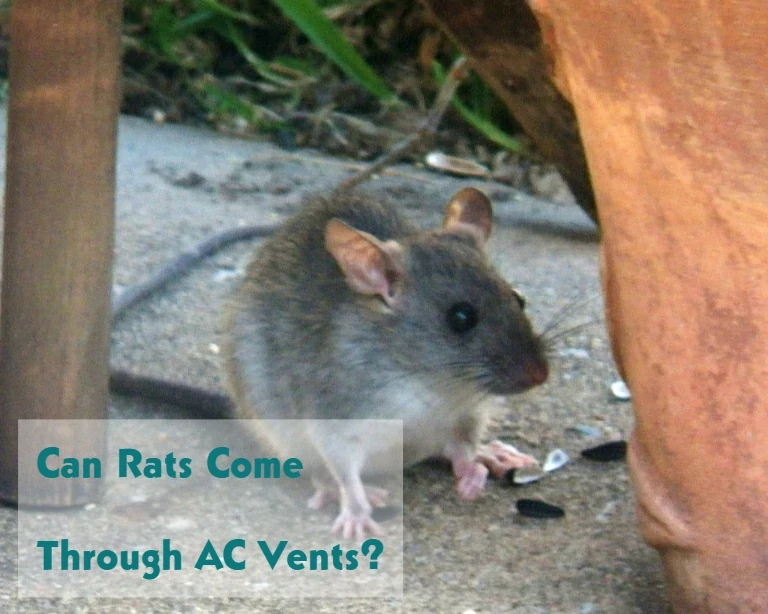
If you’ve heard scratching sounds coming from your air conditioning vents, you might be wondering if rats can actually get inside through them. AC vents are all over your home, and the idea of rats using them as highways is pretty unsettling. But can rats come through AC vents?
Yes, rats can come through AC vents if the vents aren’t properly sealed or if there are gaps in the ductwork. Rats are really good climbers and can squeeze through surprisingly small openings to get into your home’s ventilation system.
Rats are always looking for warm places to nest and easy access to food, and your AC system can provide both. If there are any openings in your ductwork or around the vents themselves, rats can find their way in and move through your home undetected.
How Rats Get Into AC Vents
Rats don’t usually start inside your AC vents. They get there by finding entry points from outside your home or through other parts of your house first.
Common entry points include damaged vent covers on the outside of your home, gaps around where the AC lines enter your house, or holes in the ductwork itself. Once a rat finds one of these openings, it can climb right into your ventilation system.

Rats can also enter AC vents through sewer connections and wall cavities that link up with ductwork. In some homes, especially older ones, ducts run close to plumbing lines or pass through unfinished spaces where rats are already active.
If a rat is living in a wall or crawl space, getting into a nearby vent is often just a matter of chewing through a thin barrier.
Rats are really good at climbing vertical surfaces. They can scale the outside of your house and reach roof vents or attic openings connected to your AC system. From there, they can move through the ducts and pop out at different vents throughout your home.
Why AC Vents Attract Rats
Your AC system provides everything rats need to survive. The ducts are dark, protected from predators, and lead to multiple rooms in your home.
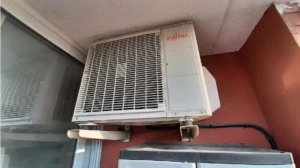
During colder months, the warmth from your heating system makes the ducts even more attractive. Rats can nest in the insulation around the ductwork and stay warm all winter.
The vents also give rats easy access to your living spaces. They can smell food from your kitchen and use the duct system to get closer to it. Some rats will even chew through the thin metal or plastic vent covers to get into your rooms.
Another reason AC vents attract rats is moisture. Condensation can build up inside ductwork, especially in humid climates or during heavy AC use.
Rats need water to survive, and even small amounts of moisture inside vents can make them more appealing as nesting spots.
Signs Rats Are in Your AC Vents
You’ll usually notice some clear signs if rats are living in your ventilation system. The most obvious is scratching or scurrying sounds coming from your vents, especially at night when rats are most active.
You might also smell something musty or unpleasant coming from your vents. This smell comes from rat urine and droppings building up in the ductwork. It can get pretty strong if rats have been living there for a while.
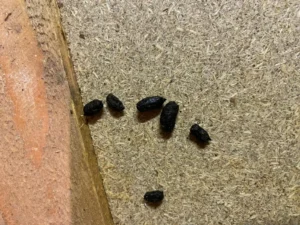
Other signs include greasy smudge marks around vent openings (from the oils in rat fur), small droppings near floor vents, or chewed edges on vent covers. You might also notice your AC not working as well if rats have damaged the insulation or blocked airflow.
You might also notice unusual sounds when your AC turns on or off. Flapping, rattling, or thumping noises can happen if rats have disturbed duct panels or nesting materials get blown around when air starts moving.
These sounds are often mistaken for normal AC noises at first.
Can Rats Damage Your AC System?
Yes, rats can really mess up your AC system. They love to chew on things to keep their teeth from growing too long, and that includes the wires and insulation in your ductwork.
When rats chew through electrical wiring in your AC system, it can cause short circuits or even fire hazards. They can also tear up the insulation around your ducts, which makes your heating and cooling less efficient and drives up your energy bills.
Rat droppings and urine in your ductwork create serious health risks too. Every time your AC runs, it can blow contaminated air throughout your home. This can cause respiratory problems and spread diseases.
What Size Openings Do Rats Need?
You might think rats need a pretty big hole to get into your AC vents, but that’s not true. Rats can squeeze through openings as small as a quarter (about half an inch for young rats, and slightly larger for adults).

This is because rats have flexible skeletons that can compress. If they can fit their skull through an opening, the rest of their body can follow. This means even small gaps around vent covers or tiny cracks in ductwork can be entry points.
That’s why it’s really important to check all the vents in your home, not just the obvious ones. Even a small gap that doesn’t look like a problem can be an open door for rats.
How to Keep Rats Out of Your AC Vents
The best way to deal with rats in your AC vents is to stop them from getting in at all. Start by inspecting all the vent covers on the outside of your home.
1. Replace any damaged or missing vent covers with new ones that fit tightly.
Look for vent covers made of heavy-duty metal mesh that rats can’t chew through. Make sure there are no gaps around the edges where the vent meets your house.
2. Check where your AC lines enter your home and seal any gaps with steel wool and caulk.
Rats can’t chew through steel wool, so it’s a really good barrier. You can also use expanding foam, but you should stuff steel wool into the gap first before adding the foam.

3. Inspect your ductwork in your attic and crawl spaces for any holes or loose connections.
Seal these with metal tape (not regular duct tape, which rats can chew through). If your ducts are really damaged, you might need to replace sections of them.
4. Installing rodent guards or vent screens on roof and exterior vents adds another layer of protection.
These are designed to allow airflow while blocking animals from entering. They’re especially useful for homes where vents are located high up or hard to inspect regularly.
What to Do If Rats Are Already in Your Vents
If you already have rats in your AC vents, you need to get them out before sealing everything up. Setting traps inside your ductwork is tricky and usually not a good idea because you might not be able to reach dead rats.
The best approach is to call a pest control professional who has experience with rats in ventilation systems. They have special tools and cameras to find where the rats are and how they’re getting in.
Once the rats are removed, you’ll need to clean and sanitize your ductwork. Rat droppings and urine can carry diseases, so this isn’t a DIY job. Professional duct cleaning services have the right equipment and protective gear to do this safely.
After cleaning, seal all the entry points you found. This is really important because if you don’t block their way back in, new rats will just move into the clean space.
Should You Use Your AC If Rats Are in the Vents?
If you know or suspect rats are in your AC vents, you should probably turn off your system until you can get them removed. Running your AC can blow rat droppings and allergens throughout your home.
It can also stress out the rats and make them more active, which might cause them to chew through more wiring or insulation. Plus, the air movement can spread the smell of rat waste through your entire house.
The one exception is if it’s extremely hot or cold and you need climate control for health reasons. In that case, change your air filters more often and consider using portable air purifiers in your rooms while you wait for professional help.
Long-Term Prevention Tips
After you’ve dealt with a rat problem in your AC vents, you need to make sure it doesn’t happen again. Regular inspections are key to catching problems early.
Check your vent covers at least twice a year, especially before winter when rats are looking for warm places to nest. Look for any new gaps, loose covers, or signs of gnawing.
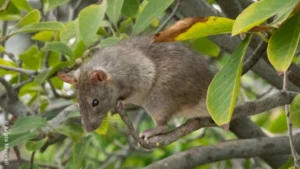
Keep tree branches trimmed back from your house so rats can’t use them as bridges to your roof and upper vents. Rats are good jumpers and can leap several feet from a tree branch to your house.
It also helps to inspect your roof and siding once a year for small gaps or loose panels. Rats don’t need obvious holes to get inside. A small opening that looks harmless can become a major entry point over time.
Store firewood and other materials away from your home’s exterior. These create hiding spots where rats can live while they look for ways into your house.
Keep your yard clean and don’t leave pet food outside. The less attractive your property is to rats, the less likely they are to stick around and find their way into your vents.
Health Risks from Rats in AC Vents
Having rats in your AC vents isn’t just annoying, it’s actually a health hazard. Rats carry diseases that can spread to humans through their droppings, urine, and saliva.
When your AC runs, it can circulate these contaminants throughout your home. You might breathe in particles from rat waste without even knowing it. This can cause respiratory infections, allergic reactions, and in rare cases, serious diseases like hantavirus.
Rats can also bring other pests into your vents. They often have fleas, ticks, and mites living in their fur. These parasites can then spread into your living spaces through the vent openings.
Even after rats are gone, leftover contamination can continue to affect indoor air quality. Particles from dried droppings and urine can remain in the ductwork and get recirculated long after the infestation ends. This is why proper cleaning and filter replacement are so important.
Children and people with weakened immune systems are at higher risk from these health problems. If you have rats in your vents, getting them removed and your ducts cleaned should be a priority.
The Cost of Rat Damage to AC Systems
Fixing rat damage to your AC system can get really expensive. The cost depends on how long the rats were there and what they destroyed.
Simple repairs like replacing chewed wires or sealing small holes might cost a few hundred dollars. But if rats damaged large sections of ductwork or your AC unit itself, you could be looking at thousands of dollars in repairs.
Professional duct cleaning after a rat infestation usually costs between $300 and $500, depending on the size of your home. If you need to replace sections of ductwork, that can add another $500 to $2,000 or more.
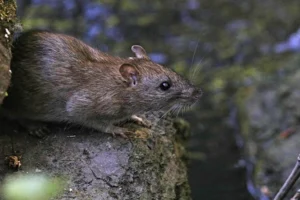
Don’t forget about the cost of pest control services to remove the rats in the first place. This can range from $200 to $600 depending on how bad the infestation is.
The good news is that these costs are usually less than what you’d pay if you ignore the problem. Rats can cause even more damage over time, and the health risks get worse the longer they’re living in your vents.
Conclusion
Rats can definitely come through AC vents if they find a way into your ductwork. These pests are amazing at squeezing through small openings and climbing to reach entry points around your home.
The key to keeping rats out of your AC vents is prevention. Regularly inspect your vent covers, seal any gaps around your AC lines, and maintain your ductwork. If you already have rats in your vents, call a professional to remove them safely and clean your ducts thoroughly.
Don’t wait if you suspect rats in your ventilation system. The longer they’re there, the more damage they can cause and the bigger the health risks become. Taking action quickly will save you money and protect your family’s health.

Hi, my name is Ezra Mushala, i have been interested animals all my life. I am the main author and editor here at snakeinformer.com.