
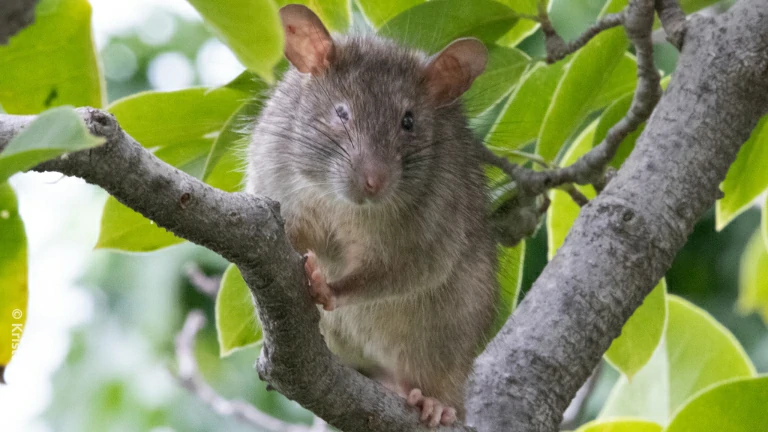
If you’ve been dealing with a rat problem and think you’ve finally killed or trapped a rat, seeing it move again can be shocking and confusing. You might have found what looked like a dead rat, only to see it suddenly twitch or even get up and run away later. This can make you wonder if rats have some kind of ability to come back to life after dying. So can rats actually come back to life?
No, rats cannot come back to life after they die. When a rat is truly dead, it stays dead. However, rats can appear dead when they’re actually unconscious, stunned, or in shock. They might also play dead as a defense mechanism. What looks like a rat coming back to life is usually a rat that wasn’t actually dead in the first place.
Understanding the difference between a dead rat and one that’s just temporarily incapacitated helps you handle rat problems more effectively and avoid the shock of a “dead” rat suddenly moving.
Why Rats Appear Dead
Rats have several physiological responses that can make them look dead when they’re actually still alive.
Shock can make a rat completely motionless. When a rat experiences severe trauma or extreme fear, it might go into shock and appear lifeless.

Their breathing can slow down so much that it’s barely detectable. Without obvious breathing, a rat looks dead even though its heart is still beating.
Body temperature drops when rats are in shock or severely injured. A cold, still rat naturally looks dead to anyone checking it.
Some rats will instinctively freeze when they feel threatened or trapped. This freeze response can be so complete that the rat doesn’t move at all, even when touched.
Blood loss from injuries can cause rats to lose consciousness. An unconscious rat looks just like a dead one until it wakes up.
Playing Dead as a Defense Mechanism
Some animals play dead when threatened, and rats can do this too, though it’s less common than in other species.
Playing dead (called thanatosis) is a survival strategy. If a predator thinks the rat is already dead, it might lose interest and leave.
A rat playing dead will be completely limp and unresponsive to touch. This can be really convincing if you don’t know what to look for.
The rat’s eyes might stay open during this behavior, which makes it look even more dead. Open, unblinking eyes are something we associate with death.
This behavior usually doesn’t last very long. Most rats playing dead will “come back to life” within a few minutes once they feel the danger has passed.
Not all rats do this. It’s more common in young or inexperienced rats that haven’t learned better escape strategies yet.
Temporary Unconsciousness From Traps
Different types of rat traps can cause temporary unconsciousness that looks like death.
Snap traps that don’t kill instantly might knock a rat unconscious instead. The rat looks dead until it regains consciousness minutes or even hours later.

Glue traps cause extreme stress and exhaustion. A rat on a glue trap might collapse and appear dead from exhaustion, only to revive later.
Electric traps that malfunction or don’t deliver enough voltage can stun rats without killing them. A stunned rat will be completely still until it recovers.
Even cats and dogs that catch rats might injure them enough to cause unconsciousness without killing them immediately.
Effects of Rat Poison
Rat poison (rodenticide) causes effects that can make rats appear dead before they actually are.
Most rat poisons are anticoagulants that cause internal bleeding. Rats poisoned this way become very weak and lethargic before dying.
A poisoned rat might collapse and stop moving for extended periods. It could look completely dead but still be alive.
Some rats will hide when they’re dying from poison. If you find a rat that looks dead in a hiding spot, it might actually be in the final stages of dying but not quite dead yet.
The time between exposure to poison and actual death can be days. During this time, rats will have periods where they seem dead but aren’t.
Second-generation anticoagulants are more potent and work faster, but even these can cause several days of declining health before death.
How to Tell If a Rat Is Actually Dead
Knowing how to confirm death prevents the shock of a rat suddenly moving after you’ve assumed it’s dead.
Check for breathing by watching the chest for movement. Look very carefully and for at least 30 seconds, because breathing might be very slow.
Look at the eyes. Dead rats have dull, cloudy eyes. Living rats (even unconscious ones) have clearer, more glossy eyes.
Touch the eye gently with something like a stick or pencil (don’t use your finger). Dead animals don’t blink or react. Living ones usually will.
Feel for a heartbeat by gently placing fingers on the rat’s chest. This requires getting close, so use gloves if you try this method.
Check body temperature. Dead rats cool to room temperature fairly quickly. A rat that’s still warm might still be alive.
Rigor mortis (stiffening of the body) sets in several hours after death. If the rat is stiff, it’s definitely dead. If it’s limp, it might still be alive.
The smell of decomposition starts within 24 hours in warm conditions. A truly dead rat will start to smell, though this isn’t a good test for recently dead rats.
Why People Think Rats Come Back to Life
There are specific situations that create the illusion of rats coming back to life.
Finding a rat in a trap that appears dead, then coming back later to dispose of it and finding it gone makes it seem like it came back to life and escaped.
Seeing a rat collapse from poison or injury, assuming it’s dead, then seeing the same rat (or one that looks similar) alive later creates this impression.
Improper disposal can lead to confusion. If you put a rat in the trash that wasn’t actually dead, you might hear it moving later in the trash bag.
Poor lighting makes it hard to properly confirm death. A rat checked briefly in dim light might be assumed dead when it’s actually just unconscious.
Wishful thinking plays a role too. If you want the rat problem to be over, you might be less thorough in confirming the rat is actually dead.
What Happens After a Rat Dies
Understanding the biological process of death helps you recognize when it has actually happened.
Brain death occurs when the brain stops functioning. This is the point of no return. Once brain death happens, the rat cannot recover.
The heart can sometimes continue beating briefly even after brain death, but this doesn’t mean the rat is alive in any meaningful way.
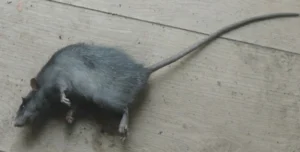
Muscle spasms can happen shortly after death as nerves fire randomly. These twitches can make a dead rat move slightly, which is unsettling but doesn’t mean it’s alive.
The body temperature drops steadily after death, reaching room temperature within hours depending on environmental conditions.
Rigor mortis begins 1 to 6 hours after death as chemical changes in muscles cause them to stiffen. This process is complete within 12 hours in rats.
Decomposition starts immediately but becomes obvious within 24 hours in warm conditions. Bacteria begin breaking down tissues, causing smell and visible changes.
Injured Rats That Recover
Sometimes what looks like a rat coming back to life is just a seriously injured rat that was able to recover.
Rats are surprisingly tough and resilient. They can survive injuries that would kill less hardy animals.
A rat with a broken leg or other injury might collapse and appear dead from shock and pain. Hours later, after the initial shock passes, it might recover enough to move.
Head injuries can cause temporary unconsciousness. A rat that was hit on the head might wake up later with no memory of the injury.
Near-drowning can leave a rat appearing dead. Rats can hold their breath for several minutes, and if rescued before true drowning, they might recover.
Even severe blood loss doesn’t always kill rats immediately. They can survive with surprisingly low blood volume if vital organs aren’t damaged.
Safety Concerns With “Dead” Rats
Assuming a rat is dead when it’s not creates safety problems you should be aware of.
A rat that suddenly moves while you’re handling it can bite. Rats bite out of fear when threatened, and being picked up by a human while injured is definitely threatening.
Disposing of a live rat in the trash is inhumane and can lead to problems. The rat might escape the trash bag and get back into your home or attack garbage collectors.
Children or pets might interact with a rat they think is dead. If it’s actually alive, it could bite them.
Disease transmission is still possible from rats that appear dead. Their saliva, urine, and droppings carry bacteria even if the rat is unconscious.
Humane Considerations
If you find a rat that might not be dead, there are ethical considerations in how you handle it.
A severely injured rat that’s suffering should be humanely euthanized rather than left to die slowly. This is more humane than watching it suffer.
Methods of confirming death should be done carefully to avoid causing additional suffering if the rat is still alive.
If you’re not comfortable killing an injured rat yourself, contact animal control or a pest control professional who can do it humanely.
Never attempt to “finish off” an injured rat with methods that cause suffering. Use quick, humane methods or call for help.
Some people choose to take injured rats to veterinarians for euthanasia, especially if they’re squeamish about doing it themselves.
Preventing the Confusion
Taking proper steps when dealing with rats prevents the situation where you think a rat is dead when it’s not.
Use traps that kill instantly and effectively. Quality snap traps, when properly set, kill rats immediately without leaving them injured.
Check traps frequently. Don’t leave rats in traps for hours or days where their status can become uncertain.
If using poison, understand that rats won’t die immediately. Don’t assume a lethargic rat is dead. It’s probably dying but not yet dead.
When you find a rat you think is dead, confirm death properly using the methods described earlier before handling or disposing of it.
Wear gloves when handling any rat, dead or alive. This protects you from disease and from bites if the rat isn’t actually dead.
When to Call Professionals
Some situations with rats are beyond what most people want to handle themselves.
If you regularly find rats that aren’t completely dead in traps, your traps might not be working properly. Professionals can help you choose better options.
Large infestations are overwhelming for homeowners to handle alone. Professional pest control can deal with many rats more efficiently.
If you’re uncomfortable confirming whether rats are dead or disposing of them, professionals can handle this for you.
Repeated problems where you think you’ve killed rats but they keep appearing suggest you’re not solving the root problem. Professionals can find how rats are entering and seal those points.
The Reality of Rat Biology
Understanding basic rat biology makes it clear why they can’t come back to life but might appear to.
Rats are mammals with the same basic life processes as other mammals. When their brains die, they die. Period.
There’s no biological mechanism for resurrection in rats or any other mammal. Death is permanent.
What looks like coming back to life is always one of the situations described earlier: the rat was unconscious, in shock, playing dead, or severely injured but not actually dead.
The confusion comes from our difficulty in accurately determining death in small animals. We’re not trained in this, and we make mistakes.
Conclusion
Rats cannot come back to life after they’re truly dead. What seems like a rat coming back to life is almost always a rat that wasn’t actually dead in the first place. Rats can appear dead when they’re unconscious, in shock, playing dead, or dying from poison or injury.
To avoid the shock and potential danger of a “dead” rat suddenly moving, always confirm death properly before handling or disposing of rats. Look for breathing, check eye reaction, feel for warmth, and watch for any signs of life.
If you’re dealing with rats, use effective traps that kill quickly, check traps frequently, and handle all rats (dead or apparently dead) with gloves and caution. When in doubt about whether a rat is truly dead, call a professional to handle it safely.

Hi, my name is Ezra Mushala, i have been interested animals all my life. I am the main author and editor here at snakeinformer.com.