

If you’ve ever had a rat problem, you know these rodents can show up in the most unexpected places. You might find them on your kitchen counter, in your attic, or even on upper floors of your home.
This raises an obvious question about just how athletic these pests really are. Can rats climb walls?
Yes, rats can climb walls, especially rough or textured surfaces like brick, concrete, stucco, and wood. They use their sharp claws and strong legs to grip tiny imperfections in the surface as they climb. Smooth walls like painted drywall or glass are much harder for them to climb, but they’ll still try if there’s something they want at the top.
Rats are way more athletic than most people realize. They’re not just ground-dwelling pests that scurry around your basement.
They can climb, jump, swim, and squeeze through incredibly tight spaces. Understanding how they climb can help you figure out how they’re getting into your home.
Why Rats Are Such Good Climbers
Rats have several physical features that make them excellent climbers. Their claws are sharp and curved, which lets them dig into rough surfaces and pull themselves up.
Their legs are surprisingly strong for their body size. Rats can grip with all four paws at once, which gives them stability as they climb. Think of it like having four hands instead of two.

Their low body weight helps too. A typical rat only weighs between half a pound to a pound, so they don’t need much grip strength to support themselves. This makes it easy for them to climb vertical surfaces that would be impossible for heavier animals.
The tail plays a huge role in climbing. Rats use their long tails for balance, swinging it from side to side to keep from falling backward. The tail can also help them brace against surfaces for extra support.
Their body flexibility is another advantage. Rats can twist and contort their bodies to navigate around obstacles while climbing. They can squeeze into gaps, change direction mid-climb, and adjust their position without losing their grip.
What Types of Walls Can Rats Climb?
Not all walls are equally climbable for rats. The texture and material make a huge difference.
- Brick walls are like highways for rats.
The mortar lines between bricks create natural footholds, and the rough texture of brick gives their claws plenty to grip onto. Rats can basically run up brick walls without much effort.
- Concrete block walls are similar to brick.
The porous surface and the lines between blocks make climbing easy. Even smooth concrete has enough texture that a determined rat can find grip points.
- Wood siding and shingles are perfect for climbing.
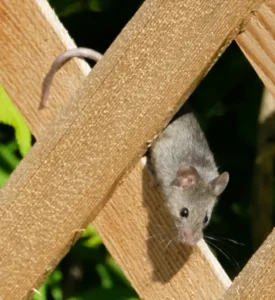
Wood has natural grain and texture, plus any gaps between boards give rats easy handholds. Rough-cut wood is even easier to climb than smooth, finished wood.
- Stucco walls are rough and bumpy, which makes them climbable.
The texture gives rats lots of places to dig their claws in as they climb.
- Painted drywall inside your home is much harder for rats to climb.
The smooth surface doesn’t give them much to grip. However, if there are any imperfections, cracks, or if the paint has texture, rats might still manage it.
- Glass and smooth metal are nearly impossible for rats to climb.
There’s just nothing for their claws to grip onto. But rats are smart, and they’ll find other ways up if these materials are blocking them.
How High Can Rats Climb?
Rats can climb as high as the wall goes, basically. There’s no specific height limit for them. If there’s something they want at the top (food, shelter, safety), they’ll keep climbing until they get there.

They’ve been found on the upper floors of apartment buildings, in church steeples, and on rooftops of tall houses. As long as the surface is climbable and they’re motivated enough, height isn’t really a barrier.
The only thing that might stop them is if they get tired or if the surface changes to something they can’t grip. But even then, they’ll often find a way to rest on a ledge or a pipe before continuing up.
Can Rats Climb Inside Walls?
Yes, and this is actually one of the most common ways rats move around inside homes. The inside of your walls provides perfect climbing conditions for rats.
Most walls have wooden studs (the vertical boards that hold the wall up). Rats can easily climb these studs to move between floors. The studs are rough, vertical, and spaced just right for rats to grip.

Insulation inside walls gives rats even more to grip onto. They can dig their claws into fiberglass insulation or foam and climb right through it. It’s not ideal because insulation can be irritating, but rats will do it if they need to.
Pipes and electrical wires inside walls act like ladders for rats. They can wrap their paws around pipes and shimmy up or down. Electrical conduit works the same way.
This is why you’ll sometimes hear rats scratching and scurrying inside your walls, especially at night. They’re using the inside of your walls as their personal highway system to move between different parts of your house.
What About Smooth Interior Walls?
Smooth interior walls (like painted drywall or plaster) are much harder for rats to climb. Without texture or grip points, their claws just slip.
But here’s the thing: rats rarely need to climb a smooth interior wall. By the time they’re inside your home, they’ve already found routes through walls, ceilings, and floors that don’t require climbing smooth surfaces.
If they do need to get up a smooth wall, they’ll look for anything nearby that can help. A curtain hanging down works like a rope. Furniture pushed against the wall becomes a staircase. Baseboards or crown molding might give them just enough of a ledge to work with.
Rats are problem solvers. If there’s a way up, they’ll find it, even if it means using furniture, decorations, or other objects in the room.
Do Different Rat Species Climb Differently?
Yes. The two main rat species you’ll encounter (roof rats and Norway rats) have different climbing abilities.
Roof rats are amazing climbers. They’re lighter, more agile, and have longer tails that help with balance. These rats spend most of their time above ground. They’ll climb walls, trees, power lines, and anything else that gets them up high.

Roof rats prefer to live in elevated areas like attics, rafters, and upper floors of buildings. They got their name because people kept finding them on roofs. They’re so comfortable with climbing that they’ll often nest in trees.
Norway rats are bulkier and heavier. They can climb, but they’re not as graceful about it. These rats prefer to stay at ground level or in burrows. They’ll climb if they have to, but they’d rather not.

Norway rats are more likely to enter your home through ground-level openings like gaps in the foundation or under doors. But don’t underestimate them. If there’s food in your attic, a Norway rat will figure out how to get up there.
How Rats Use Climbing to Get Into Homes
Climbing is one of the main ways rats get inside houses. Understanding their techniques can help you block their entry points.
They’ll climb exterior walls to reach roof vents, gaps in the roofline, or openings around the chimney. Once they’re on the roof, they can squeeze through surprisingly small holes to get into your attic.
Downspouts and drainpipes are like elevators for rats. They’ll climb right up the outside of these pipes to reach your roof or second-story windows. Some rats will even climb up inside the downspout if there’s room.

Utility lines that run up the side of your house give rats an easy path upward. This includes electrical wires, cable TV lines, phone lines, and anything else attached to your exterior walls.
Trees and bushes close to your house become climbing platforms. Rats will climb the tree, jump onto your roof or siding, and then look for ways inside. Even a small branch touching your house can be enough.
Ivy, vines, and other climbing plants on your walls are basically ladders for rats. The plants give them grip and cover as they climb, making it even easier to reach upper levels of your home.
Signs That Rats Are Climbing Your Walls
You might not see the rats climbing, but there are clues they leave behind.
Greasy smear marks on walls are a telltale sign. Rats have oily fur, and when they repeatedly climb the same path, they leave dark, greasy streaks on the surface. These marks are usually along the edges of walls or near corners where rats feel safer.
Scratching sounds inside walls, especially at night, mean rats are moving around in there. You might hear them climbing up and down between floors.
Droppings near the base of walls or on ledges indicate rats are using that area regularly. Rat droppings are dark brown or black, shaped like capsules, and about half an inch long.
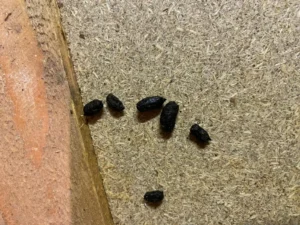
Gnaw marks on wood siding or around entry points show where rats have been chewing to make openings bigger. They’ll gnaw while climbing if they hit a spot that’s too narrow.
Holes or gaps in your roofline that look worn or enlarged probably started as tiny cracks that rats made bigger through repeated climbing and gnawing.
Can You Stop Rats From Climbing Your Walls?
It’s really hard to completely stop rats from climbing, but you can make it way more difficult for them.
1. Trim back any vegetation touching your house.
Trees, bushes, and vines should be at least six to eight feet away from your walls and roof. This removes their bridges and climbing aids.
2. Install metal guards on downspouts and pipes.
You can buy special rat guards that wrap around pipes and create a smooth, slippery surface rats can’t grip. Place these guards several feet up from the ground.
3. Seal any cracks or holes in your exterior walls.

Fill small cracks with caulk or expandable foam. Larger holes need wire mesh or metal flashing. Don’t leave any gaps bigger than a quarter inch.
4. Keep your walls well-maintained.
Loose siding, crumbling mortar, or damaged stucco gives rats extra grip points. Fix these problems as soon as you notice them.
5. Remove clutter from around your home’s exterior.
Stacked firewood, old furniture, trash cans, and other items against your walls give rats places to hide and platforms to climb from.
6. Consider applying smooth metal or plastic barriers to the bottom few feet of exterior walls in problem areas.
This won’t stop all climbing, but it makes the first part of the climb much harder.
What If Rats Are Already Climbing Inside Your Walls?
If you’ve got rats in your walls, you need to act fast. They won’t leave on their own, and the problem will only get worse.
- First, figure out how they’re getting in.
Check your attic, basement, and exterior walls for entry points. Look for holes, gaps, or damage that could be letting rats inside.
- Seal up those entry points, but don’t do it while rats are still inside.
You need to make sure all the rats are out first, or you’ll trap them in your walls where they’ll die and smell terrible.
- Set traps in areas where you hear activity.
Snap traps work well for rats. Place them along walls where you’ve seen droppings or greasy marks. Use peanut butter or bacon as bait.
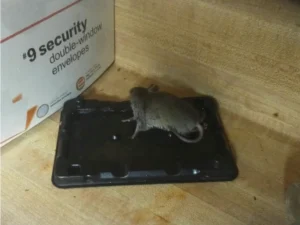
- Once you’ve caught all the rats, then seal up the entry points permanently.
Use materials rats can’t chew through, like metal flashing, wire mesh, or concrete.
- Clean up any rat droppings, urine, or nesting materials.
Wear gloves and a mask because rat waste can carry diseases. Use a disinfectant to clean contaminated areas.
- If the infestation is bad or you can’t find where they’re getting in, call a pest control professional.
They have tools and experience to track down entry points and eliminate the problem.
Are There Walls That Are Completely Rat-Proof?
No wall is 100% rat-proof, but some materials are way harder for rats to deal with.
Smooth metal panels with no seams or joints are about as close to rat-proof as you can get. Rats can’t climb smooth metal, and they can’t chew through it either (at least not thick metal).

Glass is also nearly impossible for rats to climb. But glass isn’t practical for most walls, and rats can still get around it by climbing nearby structures.
Smooth plastic or vinyl siding can slow rats down, but it’s not a complete solution. They might not be able to climb it easily, but they’ll find seams, corners, or other features they can use.
The reality is that rats are incredibly persistent and adaptable. Even the toughest barriers can be bypassed if rats are determined enough. The best defense is a combination of difficult surfaces, sealed openings, and elimination of anything that attracts rats in the first place.
Conclusion
Rats can absolutely climb walls, and they’re surprisingly good at it. Rough surfaces like brick, concrete, and wood are easy for them to scale using their sharp claws, strong legs, and excellent balance.
They use this climbing ability to get into homes through upper-level entry points, move inside walls between floors, and access food or shelter in high places. Roof rats are especially skilled climbers, while Norway rats are less graceful but still capable.
The best way to keep rats from climbing into your home is to remove vegetation touching your house, seal all openings, install barriers on pipes and downspouts, and keep your exterior walls in good repair.
If you’ve already got rats climbing inside your walls, you’ll need to trap them, find their entry points, and seal everything up before the problem gets worse.

Hi, my name is Ezra Mushala, i have been interested animals all my life. I am the main author and editor here at snakeinformer.com.