
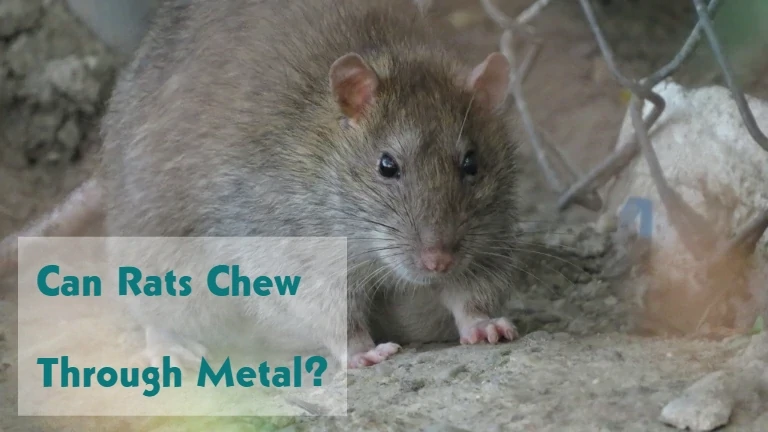
Rats are notorious for their ability to chew through almost anything, from wood and plastic to drywall and even concrete. If you’re trying to rat-proof your home or property, you might be wondering about using metal barriers. Can rats chew through metal?
Rats can’t chew through solid, heavy-gauge metal like steel, iron, or thick aluminum. However, they can chew through thin sheet metal, aluminum foil, copper, soft metals, and metal that’s already corroded or damaged. The thickness and hardness of the metal determines whether rats can get through it.
Knowing which metals actually stop rats and which ones don’t is critical when you’re trying to secure your home or chicken coop against these determined rodents.
Rat Teeth Are Incredibly Strong
To understand what metals rats can and can’t chew through, you need to know how powerful their teeth really are.
Rat teeth grow continuously throughout their lives, growing about four to five inches per year. This constant growth means they need to gnaw regularly just to keep their teeth at a manageable length.

Their front incisors are incredibly hard, ranking about 5.5 on the Mohs hardness scale. This is harder than copper and brass, which means they can actually chew through these softer metals.
Rats have a bite force of up to 12 tons per square inch at the tip of their incisors. This concentrated force lets them gnaw through materials that seem impossible.
The front surface of rat teeth is covered with a hard enamel, while the back surface is softer dentine. This creates a chisel-like edge that self-sharpens as the rat chews.
Their jaw muscles are powerful and efficient, designed specifically for gnawing. Rats can chew for hours without tiring.
Metals That Stop Rats Completely
Some metals are tough enough that rats can’t chew through them at all.
- Steel is your best bet for rat-proofing.
Heavy-gauge steel (16-gauge or thicker) is too hard for rats to gnaw through. Steel wool made from this material also works well for filling gaps.
Galvanized steel mesh or hardware cloth with a thickness of 19-gauge or heavier stops rats effectively. This is commonly used for protecting chicken coops and other structures.

Cast iron is extremely hard and rats can’t chew through it. Old cast iron pipes in buildings are often the only parts rats haven’t damaged.
Stainless steel is harder than regular steel and completely rat-proof at any reasonable thickness. This is expensive but offers excellent protection.
Thick sheet metal (at least 24-gauge, but 20-gauge or heavier is better) provides reliable protection. The key word here is “thick.”
Metals That Rats Can Chew Through
Not all metals are rat-proof, and some might surprise you.
- Aluminum foil and thin aluminum sheeting are useless against rats. They’ll shred through this in minutes.
- Thin sheet metal (26-gauge or thinner) isn’t thick enough to stop determined rats. They can chew through it given enough time.
- Copper and brass are soft metals that rats can gnaw through. Their teeth are actually harder than these metals on the hardness scale.
- Lead is very soft and rats chew through it easily, though lead is rarely used in construction anymore.
- Soft solder and other metal alloys used in pipes can be chewed through if the rats are determined enough.
- Any metal that’s already corroded, rusted, or weakened is vulnerable. Rats will chew at weak spots and expand them into holes.
Thickness Is the Critical Factor
The same type of metal can be either rat-proof or useless depending on how thick it is.
24-gauge steel sheet metal (about 0.024 inches thick) is generally the minimum thickness that rats can’t chew through, but thicker is safer.
Hardware cloth or mesh needs to be 19-gauge or heavier to stop rats. Thinner mesh, even if made from steel, can be chewed or torn.

Screen wire like you’d use for windows (even if it’s metal) is way too thin. Rats tear through window screens easily.
Even small differences in thickness matter. 22-gauge vs. 19-gauge doesn’t sound like much, but it’s the difference between something rats can eventually chew through and something they can’t.
When buying materials for rat-proofing, always check the gauge. Lower numbers mean thicker metal (14-gauge is thicker than 20-gauge).
How Rats Approach Metal Barriers
Understanding how rats try to get through metal helps you rat-proof more effectively.
Rats don’t just randomly gnaw at metal. They test it first with their teeth and whiskers to assess if it’s worth the effort.
They look for weak points like edges, corners, welded seams, or areas where the metal is already damaged. Rats will focus their chewing on these vulnerable spots.
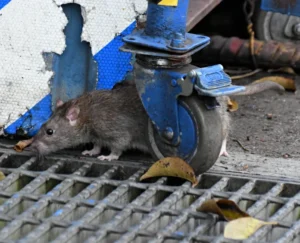
If a metal barrier has any small gap or opening, rats will work at that spot to enlarge it rather than trying to chew through solid metal.
Rats are persistent. If they really want to get through and the metal is marginally weak enough, they’ll chew at it for hours or days until they succeed.
They often combine chewing with scratching and pushing. If they can loosen metal from its mounting or push it aside, they don’t need to chew all the way through.
The Right Way to Use Metal for Rat-Proofing
Just having metal barriers isn’t enough. You need to install them correctly to be effective.
- Use hardware cloth or steel mesh with half-inch openings or smaller.
Rats can squeeze through amazingly small holes, so tight mesh is important.
- Secure metal firmly with no gaps around the edges.
Rats will exploit even tiny spaces between the metal and the structure you’re protecting.
- Overlap metal pieces if you need to join sections.

Don’t just butt edges together because rats can work at the seam.
- Bury metal barriers at least 12 inches underground if you’re protecting something like a chicken coop.
Rats are excellent diggers and will tunnel under barriers that don’t extend below ground.
- Use metal screws or bolts to attach barriers, not nails.
Rats can work nails loose over time.
- Inspect metal barriers regularly.
Over time, weather and corrosion can weaken metal, making it vulnerable to rat chewing.
Steel Wool as a Rat Barrier
Steel wool is popular for filling gaps and holes to block rats, but it needs to be used correctly.
Use coarse steel wool (the type rated for heavy cleaning), not the fine stuff. Coarse steel wool is thicker and harder to chew through.
Rats can eventually pull out or chew through steel wool if it’s just stuffed into a hole. You need to secure it somehow.

Combining steel wool with expanding foam creates a more effective barrier. The foam holds the steel wool in place and the wool prevents rats from just chewing through the foam.
Some people use steel wool with concrete or mortar to fill holes. The steel wool provides immediate blockage while the concrete sets and adds permanent strength.
Change out steel wool every few years if it’s exposed to moisture. Rust weakens it significantly, and rats can then chew through it.
Wire Mesh and Hardware Cloth
Hardware cloth is one of the most common materials for rat-proofing, especially around chicken coops and garden areas.
The term “hardware cloth” actually refers to galvanized steel mesh, not cloth at all. It comes in various gauges and mesh sizes.
Quarter-inch mesh or half-inch mesh both work well for rats. Smaller mesh is overkill for rats but might be necessary if you’re also keeping out mice.

19-gauge hardware cloth is the standard recommendation for rat-proofing. Thinner gauges (like 23-gauge) are cheaper but not as reliable.
Install hardware cloth with the smooth side facing the rats if possible. The cut edges of the mesh are sharper and slightly easier for rats to grab and work at.
Galvanized coating protects the steel from rust, which is important because rusted mesh is weaker and easier for rats to damage.
Metal Garbage Cans and Storage
Metal containers can protect feed, trash, and other items that attract rats, but quality matters.
Heavy-duty metal garbage cans with tight-fitting lids keep rats out effectively. The metal needs to be thick enough that rats can’t chew the rim.
Flimsy tin cans or cheap metal trash cans sometimes have metal thin enough for rats to chew through or deform.

The lid fit is often more important than the can material. Rats don’t need to chew through metal; they just need to get the lid off. Make sure lids are secure.
Metal feed bins for chicken feed or pet food work well if they’re made from heavy-gauge metal. Thin decorative metal bins aren’t sufficient.
Latches on metal containers matter. Use metal latches that rats can’t chew, and make sure they’re tight enough that rats can’t just knock them open.
When Metal Corrodes or Rusts
Even metal that rats couldn’t chew through when new becomes vulnerable as it ages.
Rust weakens metal significantly. Corroded metal is softer and more brittle, making it easier for rats to chew or break.
Galvanized coating protects steel, but once that coating is compromised, the underlying steel will rust.
Coastal areas with salt air see faster corrosion. Metal rat barriers near oceans need more frequent replacement or maintenance.
Underground metal (like buried hardware cloth around coop foundations) corrodes faster due to moisture in the soil.
Inspect metal barriers annually and replace any sections showing significant rust or corrosion before rats discover and exploit the weakness.
Combining Metal with Other Materials
Metal works best as part of a comprehensive rat-proofing strategy, not alone.
Concrete reinforced with metal mesh is stronger than either material alone. The concrete provides bulk and the metal prevents rats from chewing through.
Metal flashing combined with proper wood construction creates rat-proof buildings. Use metal to cover edges and seams where rats might chew into wood.
Metal door sweeps at the bottom of doors block the gap while the door itself provides the main barrier.
Wire mesh over vents, drains, and other openings keeps rats out while still allowing airflow or water drainage.
Metal in Pipes and Plumbing
Rats interact with metal pipes regularly, and understanding this is important for preventing toilet rats and other plumbing intrusions.
Older cast iron sewer pipes are extremely rat-resistant. Rats can’t chew through them, though they can enter through cracks or broken sections.

Modern PVC pipes aren’t metal, and rats can theoretically chew through them, though they rarely do because it’s difficult and there are usually easier entry points.
Copper pipes are chewable by rats, though they typically don’t target intact copper pipes because there’s no food incentive.
The bigger problem with pipes isn’t rats chewing through them but rats entering through damaged sections, broken joints, or where pipes connect to city sewers.
The Cost Factor in Metal Choice
When rat-proofing, budget often determines which metal you use.
Galvanized hardware cloth is relatively affordable and widely available. A 25-foot roll of 19-gauge, half-inch mesh costs around $50 to $80.

Heavy-gauge sheet metal is more expensive, running $2 to $5 per square foot depending on thickness and type.
Stainless steel is the premium option, costing significantly more than galvanized steel but lasting longer without corrosion.
Steel wool is cheap (a few dollars for a package) but labor-intensive to install properly in every gap and hole.
Sometimes spending more on heavier-gauge metal saves money long-term because you won’t need to replace or repair it as often.
Testing Metal Before Committing
If you’re unsure whether a particular metal is thick enough to stop rats, you can test it yourself.
Try scratching the metal hard with your fingernail or a key. If it marks easily, it’s probably too soft or thin.

Bend a piece of the metal. If it bends easily with hand pressure, rats will likely be able to deform or tear it.
Look at the edge thickness. Hold the metal up and look at how thick it is in cross-section. Really thin metal (like aluminum foil) is obviously inadequate.
Check the gauge number if it’s wire mesh or sheet metal. Remember that lower numbers mean thicker metal.
When in doubt, go thicker. The cost difference between 23-gauge and 19-gauge mesh is small compared to the cost of dealing with rats that get through inadequate barriers.
Real-World Examples of Metal Success and Failure
Learning from other people’s experiences helps you make better choices.
Chicken coop owners who use 19-gauge hardware cloth report it stops rats indefinitely when installed properly. Thinner mesh often fails within months.
Buildings with properly installed metal kick plates at the base of doors remain rat-free for decades.

Warehouse owners who tried to save money with thin aluminum flashing find rats chew through it quickly and end up spending more to replace it with steel.
Homeowners who use steel wool plus expanding foam to seal entry points successfully keep rats out as long as they inspect and maintain these barriers.
Historic buildings with original cast iron pipes rarely have rats entering through the plumbing, while the same buildings with newer, improperly sealed connections have rat problems.
Installation Mistakes That Weaken Metal Barriers
Even the right metal won’t work if you install it wrong.
- Leaving gaps around the edges of metal barriers gives rats a way in without having to chew anything. Seal all edges completely.
- Using insufficient fasteners means rats can push or tear metal loose at mounting points. Use plenty of screws or bolts.
- Not extending barriers far enough (like not burying hardware cloth deep enough underground) lets rats just go around the barrier.
- Mixing metal types can cause galvanic corrosion where different metals touch. This weakens both metals and creates vulnerabilities.
Installing metal that’s exposed to weather without considering corrosion means your barriers will fail faster than expected.
Conclusion
Rats can’t chew through heavy-gauge steel, cast iron, or thick metal, but they can get through thin sheet metal, aluminum foil, copper, and any metal that’s already corroded or damaged.
The key to using metal effectively for rat-proofing is choosing the right type and thickness (19-gauge or heavier for wire mesh, 24-gauge or heavier for sheet metal) and installing it properly with no gaps or weak points.
Metal barriers are one of the most reliable ways to keep rats out if you do it right. Don’t try to save money by using thin metal that rats will eventually defeat.
Invest in proper heavy-gauge materials from the start, install them correctly, and maintain them over time. Metal rat-proofing done right can last for decades and give you real peace of mind that rats won’t be getting through.

Hi, my name is Ezra Mushala, i have been interested animals all my life. I am the main author and editor here at snakeinformer.com.