
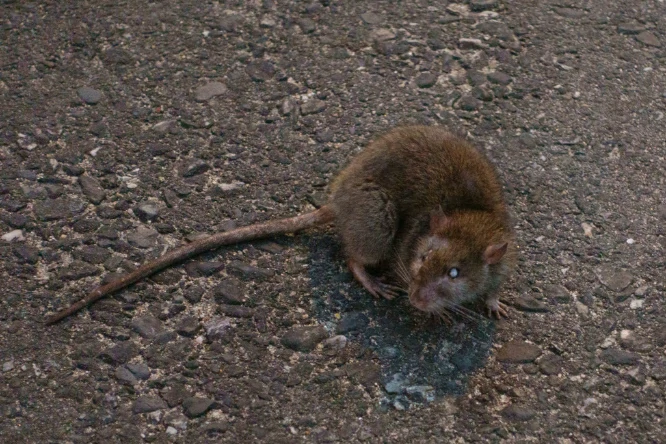
If you’ve got different types of rodents or you’re curious about how animal breeding works, you might wonder if rats can mate with other animals and produce offspring.
Maybe you’ve seen rats and mice together and wondered if they could have babies, or you’re worried about your pet rat getting pregnant by a different species. So can rats breed with other animals?
No, rats cannot breed with other animals. Rats can only successfully reproduce with other rats of the same species. While they might show mating behavior with other rodents like mice or hamsters, they can’t produce offspring because they have different numbers of chromosomes and are too genetically different.
For two animals to create babies together, they need to be closely related genetically and have compatible reproductive systems. Rats are so different from other animals (even other rodents) that their DNA just won’t work together to make viable offspring.
Why Rats Can Only Breed With Rats
The main reason rats can’t breed with other animals comes down to genetics. Every animal has a specific number of chromosomes (the structures that carry genetic information), and for breeding to work, the numbers need to match up pretty closely.
Rats have 42 chromosomes. Mice have 40 chromosomes. Hamsters have 44 chromosomes. Even these small differences are enough to make breeding impossible between species.

When animals mate, their chromosomes need to pair up to create offspring. If the numbers don’t match, the pairing can’t happen correctly, and you won’t get a viable embryo.
Beyond just chromosome numbers, the actual genetic code needs to be similar enough that the instructions for building a new animal make sense when combined. Rats and mice might look similar to us, but at the DNA level, they’re really different.
What Happens If a Rat Tries to Mate With Another Species?
Sometimes rats will show sexual or mounting behavior toward other rodents or even other pets. This is usually about dominance or confusion rather than actual breeding attempts.
Male rats especially might mount other animals when they’re feeling hormonal or trying to establish dominance. This doesn’t mean they’re actually trying to breed or that anything will come of it.

If a rat and another species (like a mouse) actually mated, nothing would happen. The sperm wouldn’t be able to fertilize the egg because the genetic material is incompatible. It’s like trying to use a key from one brand of lock on a completely different brand – it just won’t work.
There won’t be any hybrid babies, and the female won’t get pregnant. The two animals are just too different on a biological level.
Can Rats and Mice Breed Together?
This is probably the most common question because rats and mice look so similar. They’re both small rodents with long tails, and people often confuse them or assume they’re closely related.
But despite looking alike, rats and mice absolutely cannot breed together. They’re different species with different chromosome numbers and very different genetics.
Rats (Rattus norvegicus or Rattus rattus) and mice (Mus musculus) actually separated on the evolutionary tree millions of years ago. They’re about as different from each other as you are from a lemur.
If you put a rat and a mouse together, they’re more likely to fight than try to mate. Rats often see mice as prey, and even if they don’t attack, they typically won’t get along.
What About Different Types of Rats?
Here’s where things get interesting. Different types of pet rats (like fancy rats, Dumbo rats, hairless rats, and Rex rats) can absolutely breed with each other because they’re all the same species.

All pet rats are varieties of the same species called Rattus norvegicus (the Norway rat or brown rat). The different “breeds” we see are just variations in appearance – different coat colors, ear shapes, or fur types.
So a Dumbo rat (with big, low-set ears) can breed with a standard fancy rat and have babies. A hairless rat can breed with a Rex rat (with curly fur). The babies will just have a mix of traits from both parents.
This is different from breeding across species, which doesn’t work at all. Breeding within a species but between different varieties is totally normal and happens all the time.
Can Rats Breed With Hamsters or Gerbils?
No, rats can’t breed with hamsters or gerbils either. Even though they’re all rodents, they’re very different animals that split off from each other evolutionarily a long time ago.
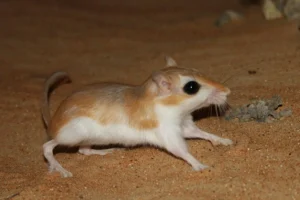
Hamsters have different chromosome numbers (as we mentioned earlier), different body structures, and completely different reproductive systems. They also have very different gestation periods (how long pregnancy lasts).
Gerbils are equally incompatible with rats. They’re from a different family of rodents entirely and have their own unique genetics.
If you tried to house any of these animals together, you’d likely end up with fighting, stress, or injury rather than any kind of breeding. Most rodents are territorial and don’t appreciate other species in their space.
What Makes Two Animals Able to Breed
For two animals to successfully breed and create fertile offspring, they generally need to be the same species or very closely related species. The closer they are genetically, the better chance breeding has of working.
Sometimes closely related species can breed and create hybrids, but this is rare and usually the hybrid offspring are sterile (can’t have their own babies). Examples include mules (horse and donkey) or ligers (lion and tiger).
But these hybrid situations only happen with animals that are extremely closely related. Rats and other rodents aren’t close enough for even sterile hybrids to occur.
The reproductive systems also need to be compatible. Everything from the timing of fertility cycles to the shape of reproductive organs needs to line up. Different species of rodents have these cycles and structures set up differently.
Why This Matters for Pet Owners
If you have multiple types of rodents as pets, you don’t need to worry about accidental cross-species breeding. Your rat can’t get your hamster pregnant, and your mouse can’t get your gerbil pregnant.

However, you should still keep different species separated for other reasons. Most rodents are territorial and will fight with other species. A rat can seriously injure or kill a smaller rodent like a mouse or hamster.
Different rodents also have different care needs, social structures, and temperaments. What works for a rat won’t work for a hamster, and mixing them causes stress even if they’re not fighting.
If you do have multiple pet rats, make sure you’ve separated males and females if you don’t want babies. Rats can definitely breed with other rats, and they do it fast and often.
The Science Behind Species Barriers
Scientists call the inability of different species to breed together “reproductive isolation.” It’s actually one of the main things that defines what a species is.
If two groups of animals can’t breed together and create fertile offspring, they’re considered different species. This barrier keeps species distinct and prevents genetic mixing that wouldn’t work.
Over millions of years, as animals evolve and adapt to different environments, their genetics change and drift apart. Eventually, they become so different that breeding between them is impossible.
This is a good thing from an evolutionary perspective. It prevents genetic combinations that wouldn’t survive and helps each species stay adapted to its particular lifestyle and environment.
What About Lab-Created Hybrids
You might have heard about scientists creating hybrid animals in labs and wondered if that means rats could be bred with other animals using science.

While scientists can do some impressive things with genetics, creating viable rat hybrids with other species still isn’t possible. Even with advanced technology, you can’t overcome the basic genetic incompatibilities.
What scientists can do is use rat cells in research, transfer genes between species, or create genetically modified rats. But this is very different from breeding two animals together naturally.
These lab techniques don’t create true hybrids that could survive and reproduce on their own. They’re research tools used to study genetics and disease, not new species.
Historical Myths About Rodent Breeding
Throughout history, people have believed myths about rodents interbreeding. Some thought rats and mice could create hybrids, or that domestic rats came from breeding wild rats with other animals.
These myths probably started because people didn’t understand genetics and saw different rodents living in the same areas. They assumed they must be breeding together.
Old wives’ tales and folklore also spread stories about “rat-mice” or other impossible hybrids. But there’s never been any scientific evidence that these creatures existed.
Modern genetics has proven definitively that these cross-species breeding stories are impossible. The genetic barriers are just too strong.
Conclusion
Rats cannot breed with other animals, including mice, hamsters, gerbils, or any other species. They can only successfully reproduce with other rats because breeding requires genetic compatibility, matching chromosome numbers, and similar reproductive systems.
Different types of pet rats (like Dumbo, Rex, or hairless varieties) can breed with each other because they’re all the same species with just different appearances. But crossing species lines isn’t possible, even between rodents that look similar.
If you have multiple rodents as pets, you don’t need to worry about cross-species breeding, but you should keep different species separated to prevent fighting and stress.
And if you have both male and female rats of the same species, make sure they’re separated unless you want a whole lot of baby rats running around.

Hi, my name is Ezra Mushala, i have been interested animals all my life. I am the main author and editor here at snakeinformer.com.