
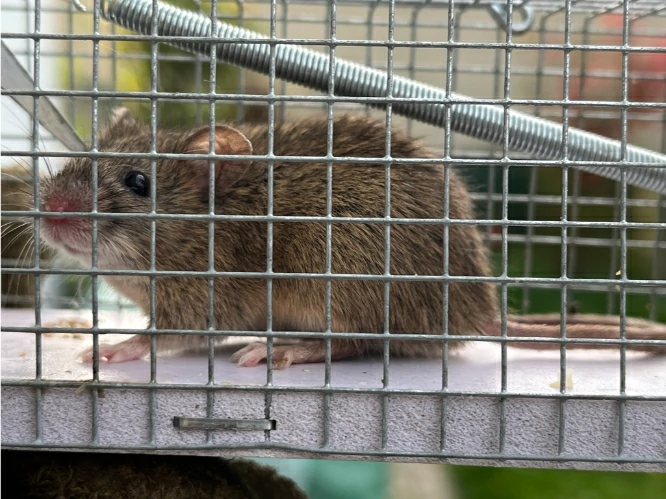
If you’ve found mice in your home, you’re probably trying to figure out how they got in. You’ve checked for obvious holes and gaps, but the mice keep appearing. Then you start wondering about your heating and cooling vents. Those openings lead throughout your house, and they seem like they could be highways for mice. Can mice actually come through vents?
Yes, mice can definitely come through vents. Both heating and cooling vents, as well as other types of vents in your home, can provide entry points and travel routes for mice. If your ductwork has gaps, holes, or damaged screens, mice can get into the system from outside and then enter your living spaces through the vents.
This is actually one of the more common ways mice get into homes, and it’s something many people don’t think to check until they already have a mouse problem.
How Mice Get Into Vent Systems
Mice don’t usually start inside your vent system. They first need to find a way into your ductwork from outside or from other parts of your home.
Exterior vent openings are common entry points. Most homes have multiple vents that open to the outside: dryer vents, bathroom exhaust vents, kitchen exhaust vents, attic vents, crawl space vents, and foundation vents. If these exterior vents don’t have screens, or if the screens are damaged, mice can crawl right in.

Dryer vents are particularly vulnerable because they often have flaps that open when the dryer is running. When the dryer isn’t on, these flaps should close, but they don’t always seal tightly. Mice can push through loose flaps or find gaps around them.
Gaps where ductwork connects to your HVAC system can let mice in from attics, basements, or crawl spaces. If there are mice already in these areas, they’ll investigate any openings and follow them into your ductwork.
Holes or damage in ductwork itself creates entry points. Ducts can develop holes from age, rust, physical damage, or poor installation. If your ducts run through areas where mice are present, they’ll find these openings and get inside.
Disconnected or loose duct joints are common problems in older homes. Where sections of ductwork connect, the joints might have gaps or might have come apart over time. Mice can squeeze through these spaces and enter the duct system.
Unsealed penetrations where ducts pass through walls or floors create gaps that mice can exploit. These openings are supposed to be sealed, but the sealant can fail over time or might never have been applied properly.
Types of Vents That Mice Can Use
Different types of vents in your home present different levels of risk for mouse entry, but pretty much any vent can be a problem.
Floor vents and wall vents for heating and cooling are direct pathways into your living spaces. Once mice are in your ductwork, these vents let them pop out into your rooms. The metal grates covering these vents usually have openings big enough for mice to squeeze through.
Dryer vents lead from your laundry room to the outside of your house. Mice can enter from the exterior opening and travel through the dryer vent duct. They might end up behind your dryer or find ways from the dryer vent into other parts of your ductwork if it’s connected.
Bathroom exhaust vents pull air from your bathroom and push it outside. The ductwork for these vents can be accessed by mice from either end. Mice might climb into the exterior opening or enter the duct from your attic if that’s where the duct runs.
Kitchen range hood vents work similarly to bathroom vents. They exhaust air from above your stove to the outside. If the exterior vent doesn’t have proper screening or if the ductwork is damaged, mice can get in.
Attic vents are designed to ventilate your attic space. These include soffit vents, ridge vents, and gable vents. If these vents don’t have proper screening or if the screens are damaged, mice can enter your attic. From there, they can find ways into your ductwork if it runs through the attic.
Crawl space and foundation vents allow air flow under your house. These are often overlooked, but they’re common entry points for mice. Once in the crawl space, mice can access ductwork that runs beneath your floors.
Signs That Mice Are Using Your Vents
If mice are traveling through your vent system, they’ll leave clues that tell you what’s going on.
Scratching or scurrying sounds coming from vents are pretty obvious signs. You’ll typically hear these noises when mice are active, which is usually at night. The sounds might seem to move around as mice travel through the ductwork.
Squeaking or chattering noises from vents can indicate mice communicating with each other. Baby mice make high-pitched sounds, so if you hear these coming from your vents, there might be a nest in your ductwork.
Bad smells coming from vents might mean a mouse has died in your ductwork. The smell of decomposition is strong and unpleasant. It might get worse when your heating or cooling system runs because the air flow spreads the odor.
Droppings near or on floor vents show that mice are using those specific vents to enter your rooms. Mouse droppings are small, dark, and rice-shaped. Finding these on or around vents is a clear sign.
Visible mice near vents mean they’re actively using those pathways. You might see a mouse run behind a floor vent, or you might catch one in the act of squeezing through the vent grate.
Grease marks or smudges around vent openings indicate repeated mouse traffic. Mice have oily fur that leaves dark streaks on surfaces they frequently rub against. Check the edges of vent grates for these marks.
Gnaw marks on vent covers or nearby baseboards suggest mice are trying to enlarge openings or are chewing while they’re near the vents. Fresh gnaw marks show lighter wood or plastic where the outer layer has been chewed away.
Nesting materials pulled from vents or shoved into them can indicate mice are building nests in your ductwork. You might notice fabric scraps, paper, or insulation material around vents.
Dangers of Mice in Your Vent System
Having mice in your vents and ductwork isn’t just gross. It creates real problems for your home and health.
Contamination of your air supply is a major concern. When mice live and travel through your ductwork, they leave behind droppings, urine, and dander. Every time your heating or cooling system runs, it can blow these contaminants into your living spaces. This affects the air quality you and your family breathe.
Disease transmission through contaminated air is possible. Mice carry various diseases, and their waste can contain harmful bacteria and viruses. When this waste dries out and breaks into tiny particles, it can become airborne and travel through your ducts into your home.

Allergies and respiratory issues can be triggered or worsened by mouse contamination in your vents. The allergens from mouse droppings and urine can cause or worsen asthma, allergic reactions, and other breathing problems, especially in children and people with existing respiratory conditions.
Damage to ductwork happens when mice chew on the materials. They might gnaw through duct insulation, damage flexible ductwork, or create holes that reduce your HVAC system’s efficiency. This can lead to higher energy bills and uneven heating or cooling in your home.
Fire hazards can develop if mice nest in or near your ductwork. Mice build nests from flammable materials like paper and fabric. If these nests are near heating elements or if mice chew through electrical wires in your HVAC system, fires can start.
Unpleasant odors from mouse waste and dead mice can spread throughout your home through the vent system. These smells are hard to get rid of and can make your whole house unpleasant.
How to Keep Mice Out of Your Vents
Preventing mice from getting into your vent system requires checking multiple points and making sure everything is properly sealed and screened.
Install or repair screens on all exterior vents. Every vent opening to the outside should have a secure metal screen. Check dryer vents, bathroom exhaust vents, kitchen exhaust vents, and any other exterior vent openings. Replace damaged screens and make sure they fit tightly with no gaps.
Use heavy-duty metal screens rather than plastic ones. Mice can chew through plastic screens easily, but metal screens provide real protection. The screen openings should be no larger than a quarter inch.
Seal gaps and openings in your ductwork. If you can access your ducts in the basement, attic, or crawl space, inspect them for holes or gaps. Use metal tape or mastic sealant to seal any openings. Regular duct tape isn’t good enough because mice can chew through it.
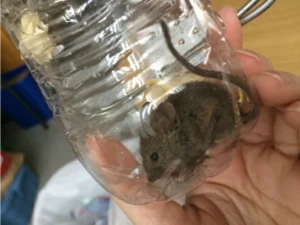
Make sure all duct joints are properly connected and sealed. Check where sections of ductwork meet and make sure they’re fitted together tightly. Seal the joints with metal tape or mastic.
Seal penetrations where ducts pass through walls and floors. Use expanding foam rated for pest control, steel wool, or other mouse-proof materials to seal gaps around ducts.
Install pest-proof dryer vent covers. These special covers have designs that keep mice out while still allowing your dryer to vent properly. They’re available at home improvement stores and online.
Keep the areas around exterior vents clear. Don’t let vegetation grow close to vent openings, as this can hide mouse activity and give mice cover while they’re trying to get in.
Inspect your vent system regularly. Make checking your vents part of your routine home maintenance. Look for signs of damage, loose screens, or mouse activity at least twice a year.
What to Do If Mice Are Already in Your Vents
If you’ve discovered that mice are using your vent system, you need to take action to remove them and prevent them from coming back.
Don’t use poison if mice are in your vents. If you poison mice and they die inside your ductwork, you’ll deal with terrible smells for weeks and won’t be able to easily remove the bodies. Poison is a bad idea for any mice inside your home, but it’s especially problematic when they’re in your vents.
Set traps near floor vents where you’ve seen mouse activity. Place snap traps or live traps along walls near the vents where mice are emerging. This can help you catch mice as they come out of the vent system.
You might need to set traps inside your ductwork at access points. If your ducts have access panels or if you can reach into them through floor vents, you can try placing traps there. However, you’ll need to check them frequently.

Consider hiring a professional for vent system mouse removal. Pest control professionals and HVAC technicians can work together to remove mice from your ducts, clean the contamination, and seal the entry points. They have tools and experience that make this easier and more effective.
Have your ductwork professionally cleaned after removing the mice. This gets rid of mouse droppings, urine, nesting materials, and odors. Duct cleaning services use specialized equipment to thoroughly clean your entire duct system.
Seal all entry points after mice are removed. Work from the outside in, checking and sealing every exterior vent, gap in ductwork, and penetration where ducts pass through your home’s structure.
Monitor for signs that mice have returned. Even after you’ve removed mice and sealed entry points, keep checking for signs of activity. Mice are persistent, and if you missed an entry point, they’ll find it.
Preventing Mice From Entering Your Home in the First Place
While focusing on your vents is important, you need a comprehensive approach to keep mice out of your home entirely.
Eliminate entry points throughout your home, not just around vents. Seal cracks in your foundation, gaps around pipes and wires, spaces under doors, and any other openings larger than a quarter inch.
Remove food sources that attract mice to your property. Store all food in sealed containers, clean up crumbs and spills promptly, don’t leave pet food out overnight, and keep garbage in sealed bins.
Eliminate water sources around your home. Fix leaky faucets, eliminate standing water, and make sure gutters direct water away from your foundation. Mice need water to survive, and removing access makes your property less attractive.
Keep your property clean and uncluttered. Don’t let debris pile up in your yard, keep storage areas organized, and eliminate potential nesting sites. Mice prefer cluttered areas where they can hide.
Trim vegetation away from your home’s exterior. Keep bushes, shrubs, and tree branches at least six feet away from your house. This removes cover that mice use while approaching your home.
Store firewood and building materials away from your house. These items provide shelter for mice, and if they’re against your exterior walls, they give mice easy access to finding entry points.
Use steel wool or copper mesh to seal small gaps. These materials are effective because mice can’t chew through them. They’re perfect for gaps around pipes, wires, and other small openings.
Conclusion
Mice can definitely come through vents, and your vent system can actually provide them with easy routes throughout your home. They enter through exterior vent openings that lack proper screening, through gaps in ductwork, or from spaces where mice are already present like attics and crawl spaces.
Keeping mice out of your vents requires checking and securing all exterior vent openings, sealing gaps in ductwork, and making sure all connections are tight and properly sealed. Use metal screens, seal penetrations, and inspect your system regularly.
If mice are already in your vent system, avoid using poison, set traps strategically, and consider professional help for removal and cleaning. After removing mice, have your ducts professionally cleaned to eliminate contamination and health risks. Taking vents seriously as potential mouse highways is an important part of keeping your home rodent-free.

Hi, my name is Ezra Mushala, i have been interested animals all my life. I am the main author and editor here at snakeinformer.com.