
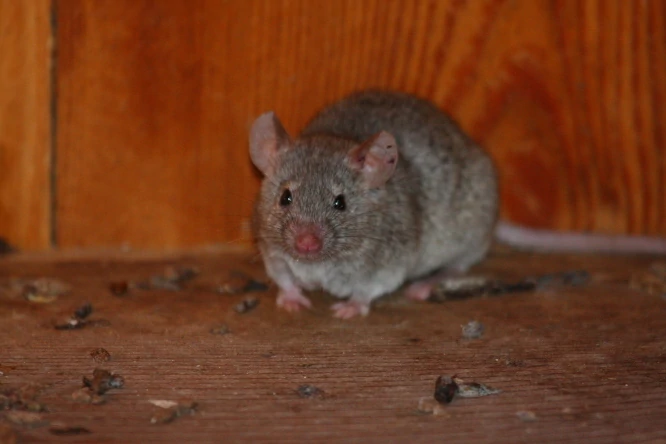
Your attic is probably one of the last places you regularly check, which makes it perfect for mice looking for an undisturbed place to nest. Attics are warm, dark, full of insulation for nesting material, and often have multiple entry points that go unnoticed for months or even years.
If you’ve been hearing sounds from above or finding signs of mice in your upper floors, your attic might be their entry point. But can mice really come in through the attic?
Yes, mice can come in through the attic. They enter through roof vents, gaps in soffits, holes around roof penetrations, damaged fascia boards, and gaps where the roof meets the walls. Once inside the attic, mice can travel down through walls to access lower floors of your home. Attics are actually one of the most common entry points for mice.
The attic is particularly vulnerable because it has so many potential entry points. Your roof has vents for airflow, chimneys, satellite dishes, and other penetrations. The soffits (the underside of the roof overhang) often have gaps. Plus, most people don’t inspect their attic regularly, so mice can establish themselves up there without being noticed for a long time.
How Mice Get Into Attics
Roof vents are common entry points. Ridge vents, gable vents, and other ventilation openings often have screens, but these screens can be damaged, missing, or have gaps around the edges.
Soffit vents run along the underside of your roof overhang. These vents bring fresh air into the attic, and they’re usually covered with screening or louvers. But the screens can deteriorate, or there can be gaps where the soffit material meets the fascia board.
Mice are excellent climbers and can easily reach roof-level entry points. They’ll climb up siding, trees that touch your house, downspouts, or anything else that provides a path to the roof.
Gaps where roof lines meet are vulnerable spots. Where two sections of roof come together, or where the roof meets an addition, there are often small openings that mice can squeeze through.
Fascia and trim boards can rot or come loose over time. This creates gaps behind the boards that mice use to get into the attic space.
Common Roof Entry Points
Ridge vents run along the peak of your roof. They’re designed to let hot air escape from your attic, and they’re covered with mesh or a special vent material. If this covering is damaged or improperly installed, mice can get through.
Gable vents are the triangle-shaped vents on the ends of your house. They’re usually covered with louvers or screening. Old or damaged screens make these easy entry points.
Soffit vents are continuous or intermittent vents in the soffit. These are necessary for attic ventilation, but they need proper screening to keep pests out.
Roof penetrations for plumbing vents, exhaust fans, or chimneys often have gaps around them. The flashing or sealant around these penetrations can deteriorate and leave openings.
Roof-mounted equipment like satellite dishes or TV antennas have mounting brackets that create holes in your roof. If these aren’t properly sealed, they’re entry points for mice.
Signs Mice Are in Your Attic
Scratching or scurrying sounds from above are the most obvious signs. These noises are usually loudest at night when mice are most active. You might hear them running across the attic floor or inside the walls.
Mouse droppings in the attic are clear evidence. Check on top of insulation, along rafters and beams, and near the edges where the roof meets the attic floor. Fresh droppings are dark and shiny.
Chewed insulation means mice are nesting. They’ll shred insulation to make nests, and you’ll see piles of torn-up material or bare spots where insulation has been removed.
Grease marks along rafters and beams show regular pathways. Mice follow the same routes repeatedly, leaving dark, oily streaks from their fur.
A musty smell in rooms below the attic can indicate mouse urine and droppings up above. The odor seeps through ceiling materials over time.
Why Attics Attract Mice
Attics provide everything mice need. They’re warm (especially in winter when heat rises), dark, quiet, and undisturbed. Mice feel safe in attics because people rarely go up there.
Insulation is perfect for nesting. Whether it’s fiberglass, cellulose, or foam, mice will use attic insulation to build comfortable nests.
Attics offer access to the rest of your home. Mice in the attic can travel down through walls via plumbing chases, electrical runs, and other vertical pathways.
Stored items in attics give mice even more hiding spots. Boxes, old furniture, and holiday decorations create a maze where mice can hide and nest.
Many attics have gaps or holes that connect to lower floors. Where wires or pipes pass through the attic floor, there are often unsealed openings that mice use to travel between levels.
Inspecting Your Attic for Mouse Entry
Start by checking all vents from outside. Use binoculars if needed to inspect roof vents from the ground. Look for damaged screens or gaps around vent covers.
Walk around your house and look up at the soffits. Check for gaps, holes, or sections where the material has come loose. Pay attention to corners where different sections meet.
Look at where your roof meets walls. These intersections should be sealed, but gaps can develop over time. Check around dormers, additions, and where roof slopes change.
Inspect roof penetrations. Look at the flashing around chimneys, plumbing vents, and exhaust fans. Check for gaps or deteriorated sealant.
Inside the attic, look for light coming through. If you can see daylight, that’s a hole large enough for mice. Do this inspection during the day with all attic lights off.
Roof Vents and How to Secure Them
Ridge vents should have proper baffles or mesh that prevents pest entry while allowing air flow. If yours doesn’t, you can add pest-proof screening.
Gable vents need tight-fitting screens. Replace old or damaged screening with hardware cloth that has quarter-inch openings or smaller. Regular window screening won’t stop mice because they can chew through it.
Soffit vents are harder to screen because they need continuous airflow. The best solution is to use soffit vent covers specifically designed to keep pests out while maintaining ventilation.
Turbine vents (the spinning vents on roofs) can have gaps where the spinning part connects to the base. Check that these connections are tight and add screening if needed.
Bathroom and kitchen exhaust vents that exit through the roof need dampers that close when not in use. If the damper is stuck open or broken, replace it.
Sealing Soffit and Fascia
Soffits often have gaps where panels meet or where the soffit connects to the fascia board. Fill these gaps with caulk or expanding foam.
Check for rot in soffit and fascia boards. Rotten wood is soft and easy for mice to chew through. Replace damaged sections with new material.
Make sure all soffit panels are securely attached. Loose panels create gaps that mice can push through.
Where the soffit meets the wall, there should be no gap. If there is, seal it with appropriate materials based on what your soffit is made from.
Aluminum soffit can develop holes from rust or damage. Patch small holes or replace entire sections if the damage is extensive.
What to Do If Mice Are Already in Your Attic
First, find out how they’re getting in. Check all the potential entry points we’ve discussed. You might find multiple openings because mice often use several different routes.
Set traps in the attic. Snap traps work best placed along walls and rafters where you’ve seen signs of activity. Check traps daily and remove any caught mice.
Don’t use poison in your attic. Mice that die from poison often die in inaccessible places like inside walls. The decomposing smell is horrible and can last for weeks.
Once you’ve caught all the mice, clean up the mess they left. Remove droppings, contaminated insulation, and nesting material. Wear a mask and gloves because mouse waste can carry diseases.
After cleaning, seal all entry points. Don’t skip this step or new mice will just move into the now-vacant space.
Sealing Entry Points in the Attic
Use hardware cloth to cover vents and openings. This metal mesh with quarter-inch openings or smaller will keep mice out while allowing airflow.
Seal gaps around roof penetrations with appropriate materials. Roofing cement or specialized sealants work for most situations. For larger gaps, use a combination of metal mesh and sealant.
Fill holes in soffit and fascia with wood filler, caulk, or expanding foam depending on the size. Cover repairs with metal flashing if mice might try to chew through.
Replace damaged vent screens. Don’t try to patch old screens; install new ones that are properly sized and secured.
Where wires or pipes enter the attic from below, seal around them with spray foam or caulk. These pathways between floors are how mice travel throughout your house.
The Insulation Problem
Mice destroy insulation. They tunnel through it, compress it, and shred it for nesting. Damaged insulation loses its effectiveness, which increases your energy bills.
Contaminated insulation should be replaced. Mouse droppings and urine in insulation create health hazards and smell bad. Once mice have been active in your insulation, it needs to go.
Different types of insulation react differently to mice. Fiberglass can be compressed and contaminated but isn’t eaten. Cellulose (blown paper insulation) is often used for nesting. Spray foam is harder for mice to damage.
Replacing attic insulation after a mouse infestation is expensive but necessary. Factor this cost into your decision making about prevention; it’s much cheaper to prevent mice than to replace all your insulation.
Can Mice Get From Attic to Living Space?
Yes, mice in your attic will find ways into your living areas. They don’t stay in the attic; they explore and look for food and water.
Mice travel down through walls using any vertical opening. Plumbing chases, electrical wiring runs, and HVAC ducts all provide pathways from the attic to lower floors.
Gaps around light fixtures in your ceiling can be entry points from the attic. Recessed lights particularly often have gaps around them.
Where walls meet the ceiling, there are sometimes gaps that mice can squeeze through. This is especially common in older homes.
Mice can also travel along exterior walls between the attic and the living space. They’ll get into wall cavities from the attic and travel down to find openings into your rooms.
Trees and Vegetation Near Your Roof
Tree branches that touch or hang over your roof are highways for mice. They’ll climb the tree and jump onto your roof, then find entry points into the attic.
Trim branches back at least 6 feet from your roof. This prevents mice from using trees to access your house.
Vines growing on your house provide easy climbing routes. Ivy and other climbing plants make it simple for mice to reach roof level.
Overgrown shrubs near your house can hide mice as they climb up siding or downspouts. Keep vegetation trimmed back from the building.
Tall grass and weeds should be cut short near your foundation. This doesn’t directly relate to attic access, but it eliminates cover that mice use when approaching your house.
Seasonal Considerations for Attic Entry
Fall is when mice most actively seek attic access. As temperatures drop, they’re looking for warm places to spend the winter. Your attic is ideal.
Winter weather can create new entry points. Ice dams can damage roof edges, and snow load can shift materials, creating gaps.
Spring storms can damage roof vents, shingles, and soffit. After severe weather, inspect your roof for new openings.
Summer is actually a good time to do attic inspections and repairs. The weather is nice for roof work, and you can address problems before fall when mouse activity increases.
Different Roof Types and Vulnerabilities
Hip roofs (where all sides slope down) have different vulnerabilities than gable roofs (with triangular ends). Gable roofs have the obvious gable vents, while hip roofs might have more soffit ventilation.
Flat or low-slope roofs often have different venting systems. These might use roof-mounted vents or parapet walls that can have gaps.
Complex roof lines with multiple levels, valleys, and intersections have more potential entry points. Each transition is a place where mice might find openings.
Older roofs with deteriorating materials are more vulnerable. As shingles, fascia, and soffit age, they develop gaps and damage that mice exploit.
Professional Inspection and Repair
A professional roof inspection can find entry points you’d miss. Roofers can safely access all parts of your roof and attic and know what to look for.
Pest control professionals can identify signs of mouse activity and recommend specific solutions. They know the most common entry points and how to properly seal them.
For extensive damage or difficult repairs, professional work is worth it. Working on roofs is dangerous, and some repairs require specialized skills.
Combined pest control and roofing assessments provide comprehensive solutions. Having experts from both fields look at your problem ensures you address all issues.
Attic Ventilation and Pest Prevention
Your attic needs ventilation to prevent moisture problems and extend roof life. You can’t just seal everything shut; you need to maintain airflow while keeping mice out.
The solution is proper screening on all vents. Use pest-proof materials that allow air movement but block animals.
Balance is key. You need enough ventilation for your attic to function properly, but all vents must be properly protected.
Some newer vent designs are specifically made to keep pests out. These have baffles or mesh built into their structure.
Never compromise attic ventilation to stop mice. Instead, use proper screening and maintenance to achieve both goals.
Storage and Attic Organization
How you store items in your attic affects mouse problems. Boxes stacked haphazardly create hiding spots and make inspection difficult.
Use plastic bins with tight-fitting lids instead of cardboard boxes. Mice can chew through cardboard easily, but plastic containers protect your belongings.
Keep stored items away from the edges and eaves. This creates clear space where you can walk and inspect for mouse activity.
Don’t store food in your attic. Even sealed packages can attract mice, and they’ll chew through packaging to get to food.
Organize your attic so you can easily walk around and see all areas. Good visibility helps you spot problems early.
Long-Term Prevention
Make attic inspection part of your regular home maintenance. Check your attic at least twice a year for signs of mice and new entry points.
Keep detailed records of repairs. Note when and where you sealed openings so you know what’s been addressed.
After storms or severe weather, do an extra inspection. Wind, rain, and ice can create new problems.
Budget for roof and soffit maintenance. Keeping these structures in good repair prevents the deterioration that creates mouse entry points.
Consider a pest control service contract. Regular professional visits can catch problems before they become serious infestations.
Conclusion
Mice can definitely come in through the attic, and they often do. The attic has numerous potential entry points including roof vents, soffit vents, gaps in fascia and trim, and openings around roof penetrations. Mice are excellent climbers and can easily reach these roof-level openings.
The key to preventing mouse entry through your attic is regular inspection and maintenance. Check all vents and roof penetrations at least twice a year. Make sure all screens are intact and properly installed. Seal any gaps in soffits, fascia, and where roof lines meet. Trim trees and vegetation that provide access to your roof.
If mice are already in your attic, you need to trap and remove them, clean up the contamination they’ve left behind, and seal all entry points so they can’t return. Professional help is often worth it for attic mouse problems because the repairs can be complex and working in attics and on roofs can be dangerous. Prevention through regular maintenance is much cheaper and easier than dealing with an established infestation.

Hi, my name is Ezra Mushala, i have been interested animals all my life. I am the main author and editor here at snakeinformer.com.