

You’ve probably heard mice scurrying around at night, and the sounds seem to be coming from under your floors. If you have wooden floors or even just gaps between your floorboards, you might be wondering if these spaces are letting mice into your home.
Floorboards can develop gaps over time, especially in older houses. Can mice actually come in through floorboards?
Yes, mice can come in through floorboards if there are gaps, cracks, or holes between the boards or where the floor meets the walls. Mice only need an opening about ¼ inch wide to squeeze through, and many homes have gaps in their floorboards that are much larger than this.
Floorboards don’t usually provide direct entry from outside, but they can allow mice to move from one part of your home to another once they’re already inside. However, in some cases, gaps in your floor can connect to crawl spaces, basements, or even the outside, giving mice a way in.
How Gaps in Floorboards Develop
Most homes don’t start out with significant gaps in their floorboards, but these openings develop over time for several reasons.
Wood naturally expands and contracts with changes in temperature and humidity. During dry seasons, floorboards can shrink and pull apart slightly, creating gaps between them.

In older homes, the wood itself can warp or deteriorate over time. This warping can create uneven spaces and gaps that weren’t there when the floor was first installed.
Settling is another common cause. As your house settles over the years (which all houses do), the floor can shift slightly. This shifting can create or widen gaps between boards.
Wear and tear from foot traffic can also contribute. High-traffic areas of your floor might develop more gaps than areas that don’t get walked on as much.
Poor installation can be a factor too. If floorboards weren’t installed properly to begin with, they might have always had gaps, or they might develop gaps sooner than they should.
Where Floor Gaps Connect to Other Spaces
The reason floorboards are concerning for mouse entry isn’t usually because they provide direct access from outside. It’s because the spaces under and between your floorboards often connect to other areas where mice can travel.
In homes with crawl spaces, the area under your floor is basically a mouse highway. If there are gaps in your floorboards, mice can easily travel from the crawl space up into your living areas.
The same is true for homes with unfinished basements. Mice can access the floor joists and subfloor from the basement, and then squeeze through gaps in your floorboards to get into the rooms above.

Even in homes built on concrete slabs, there’s usually still a small space between the bottom of your walls and your flooring. This space can connect to wall cavities, and mice can travel through these cavities and then emerge through gaps in your floor.
Where your floorboards meet exterior walls is especially important. These edges often have larger gaps, and they might connect more directly to the outside or to areas where mice can enter from outside.
Types of Flooring and Mouse Entry
Different types of flooring have different vulnerabilities when it comes to mice.
Hardwood floors, especially older ones, are prone to gaps between boards. These gaps can be narrow or quite wide depending on the age and condition of the floor.
Laminate and engineered wood floors are usually installed with tighter seams than traditional hardwood, but they can still develop gaps over time, especially if there’s moisture damage or if the installation wasn’t perfect.
Vinyl plank flooring is generally pretty mouse-resistant because the planks fit together tightly. However, gaps can still occur around the edges of rooms or if the floor has been damaged.
Tile floors don’t usually have gaps that mice can use, but the grout lines between tiles can crack over time. Also, where tile meets walls or transitions to other types of flooring, there can be gaps.
Carpet seems like it would block mice, but it actually doesn’t. Mice can easily burrow under carpet, and the carpet just hides the gaps in the floorboards underneath.
Signs Mice Are Using Your Floorboards
If mice are traveling through or entering via your floorboards, you’ll usually notice specific signs.
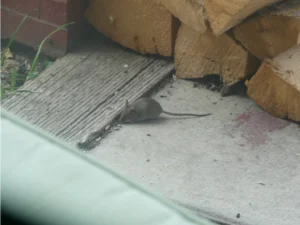
Scratching or scurrying sounds are the most obvious sign. These sounds often come from under your floors, especially at night when mice are most active.

If you have visible gaps between your floorboards, look closely at them. You might see mouse droppings in or near the gaps. Mouse droppings are small (about the size of a rice grain), dark, and pellet-shaped.
Smudge marks along the edges of floorboards can indicate mice are traveling there regularly. These marks are from the oils in mouse fur rubbing against the wood.
If your floor has carpeting, you might notice small holes or tears in the carpet near walls or in corners. Mice can chew through carpet to access the floorboards underneath.
A musty or ammonia-like smell can indicate mice are using the spaces under your floor. Mouse urine has a distinctive odor.
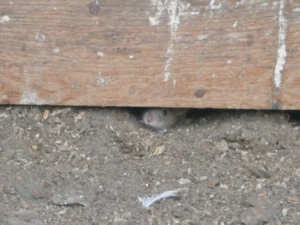
Sometimes you might see actual movement. If you have wide gaps between floorboards, you might catch a glimpse of a mouse moving underneath when you walk by.
The Dangers of Mice Traveling Through Floors
Having mice in the spaces under and between your floorboards creates several problems.
First, there’s the health concern. Mice leave droppings and urine everywhere they travel. If these waste products are under your floor, they can create odors and potentially spread bacteria into your living space.
Mice can carry diseases like hantavirus and salmonella. While the risk of getting sick from mice under your floors isn’t extremely high, it’s still a concern, especially if you have young children who play on the floor.
The structural damage is another issue. Mice will chew on anything, including wood floor joists, insulation, and even electrical wiring that runs under your floors. Chewed wiring is a serious fire hazard.
If mice are nesting under your floors, they’ll bring in materials like paper, fabric, and insulation. These materials can create additional fire hazards if they’re near any heat sources or wiring.
The constant movement of mice under your floors can also disturb insulation, making your home less energy-efficient.
Plus, there’s the stress and disturbance of hearing mice running around under your floors, especially at night when you’re trying to sleep.
How to Inspect Your Floorboards for Mouse Access
If you think mice might be using your floorboards to get around, you need to do a careful inspection.
Start by looking at all visible gaps between floorboards. Get down on your hands and knees with a flashlight and check along walls, in corners, and in any area where you’ve heard mouse sounds.
Pay special attention to where your flooring meets walls. These transition areas often have the largest gaps.
If you have access to your basement or crawl space, go down there with a good flashlight and look up at the underside of your floor. Look for any holes or gaps in the subfloor, and check around pipes and wires that go through the floor.
Look for mouse droppings both on top of your floor (especially near gaps) and underneath in the basement or crawl space.
Check around heat registers and cold air returns. These openings in your floor are necessary for your HVAC system, but they can also provide access points for mice if they’re not properly sealed to the ductwork.
If you have hardwood floors, check for any loose boards. Mice can more easily get through loose boards than tight ones.
In rooms where you’ve heard mouse sounds, try to pinpoint where the sounds are coming from. This can help you identify which specific floorboards or areas need attention.
How to Seal Gaps in Floorboards
Once you’ve found problem areas, you need to seal them to block mouse access.
For narrow gaps between floorboards (less than about ⅛ inch), you can use wood filler or floor gap filler. These products are designed specifically for filling gaps in wood floors. They come in different colors to match your flooring.
For wider gaps (⅛ inch to about ½ inch), you might need to use flexible wood filler, rope caulk, or even thin strips of wood. The goal is to fill the gap completely so mice can’t squeeze through.
Where floorboards meet walls, you can use caulk or expanding foam to seal gaps. If you’re using expanding foam, be careful because it expands a lot. Use “minimal expanding” foam for this purpose.
For gaps around pipes or wires that go through your floor, stuff steel wool into the opening first, then seal over it with caulk or foam. Mice can’t chew through steel wool.
If you have access to the underside of your floor from a basement or crawl space, you can seal gaps from underneath. This is actually often easier and more effective than trying to seal from above.
For large holes or damaged sections of flooring, you might need to replace boards entirely. Small repairs are DIY-friendly, but extensive floor damage might require a professional.
Dealing With Mice Already Under Your Floors
If mice are already living or traveling under your floors, you need to get rid of them before sealing up all the gaps.
Place snap traps or live traps in your basement or crawl space if you have access to these areas. Put the traps along walls and in corners where you’ve seen signs of mice.
Bait the traps with peanut butter, chocolate, or small pieces of bacon. These foods are more attractive to mice than cheese (despite what cartoons suggest).
Check your traps daily. If you catch mice, remove them right away and reset the traps.
You can also place traps in your living areas near gaps in the floorboards. Mice might come up through the gaps to look for food.
If you have a serious infestation (seeing or catching multiple mice regularly), you might want to call a pest control professional. They can assess the situation and might use more aggressive methods to clear out mice from under your floors.
Don’t seal up all the gaps until you’re confident you’ve gotten rid of the mice. If you seal mice in under your floors, they’ll die there, and dead mice create terrible smells that can last for weeks.
Preventing Future Floor Gap Problems
After you’ve sealed existing gaps, there are things you can do to prevent new gaps from forming.
Control humidity in your home. Use dehumidifiers in damp areas like basements. Keeping humidity levels stable helps prevent wood from expanding and contracting too much.
If you have a crawl space, make sure it’s properly ventilated and moisture is controlled. A damp crawl space can cause your floor joists and subfloor to deteriorate.

Address any water leaks immediately. Water damage can cause floorboards to warp and create gaps.
When you clean hardwood floors, don’t use too much water. Excessive moisture can damage wood flooring over time.
Consider having your hardwood floors professionally refinished if they’re old and have multiple gaps. Refinishing includes filling gaps and can make your floor more mouse-resistant.
If you’re installing new flooring, make sure it’s done properly with appropriate expansion gaps (which should be covered by baseboards) and that all transitions are sealed correctly.
Other Floor-Related Entry Points
While you’re dealing with gaps in floorboards, you should also check these related areas.
Floor vents and registers need to have screens or grates that fit properly. If there are gaps around your vents, mice can use them to travel between your ductwork and living spaces.
The transition strips where different types of flooring meet (like where carpet meets tile) can have gaps underneath them. Check these areas and seal if necessary.
Door thresholds sometimes have gaps underneath them. These should be sealed to block mice.
In older homes, there might be floor drains that aren’t used anymore. If these drains are dry, mice can potentially travel up through them. Make sure all drains have traps with water in them.
Stairways are another area to check. The spaces under stairs and where stairs meet floors can have gaps that mice use.
Conclusion
Mice can definitely come in through floorboards if there are gaps between the boards or where the floor meets the walls. While floorboards don’t usually provide direct entry from outside, they allow mice to travel from crawl spaces, basements, and wall cavities into your living areas.
Gaps in floorboards develop naturally over time as wood expands and contracts, as houses settle, and as floors experience wear and tear. Older homes are especially prone to floor gaps.
If you hear scratching sounds under your floors, see droppings near floor gaps, or notice smudge marks along floorboards, mice are probably using these spaces.
You can seal gaps in floorboards using wood filler, caulk, expanding foam, and steel wool depending on the size and location of the gaps. If you have access to your basement or crawl space, sealing from underneath is often more effective.
Make sure you get rid of any mice that are already under your floors before sealing up all the gaps, or you’ll trap them inside and have to deal with the smell of dead mice.
Regular maintenance and humidity control can help prevent new gaps from forming in your floors. Check your floorboards regularly and address any gaps before they become mouse highways through your home.

Hi, my name is Ezra Mushala, i have been interested animals all my life. I am the main author and editor here at snakeinformer.com.