
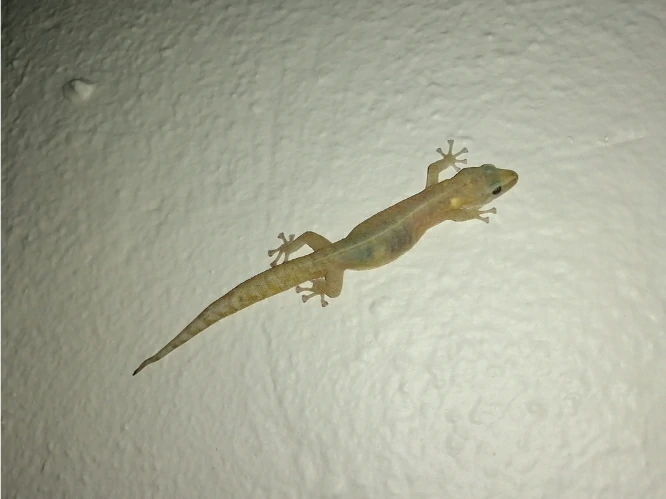
If you live in a warm climate where lizards are common, you might worry about them getting into your house. Air conditioning vents seem like they could be an easy path for small animals to sneak inside. Can lizards actually come through AC vents?
Yes, lizards can come through AC vents, but it’s pretty rare. They’d need to find their way into your ductwork first, usually through gaps in outdoor units or damaged ducts. Most AC systems have filters and screens that make it hard for lizards to get all the way through.
While it’s not common, it does happen. Lizards are good climbers and can squeeze through surprisingly small spaces. If there’s a way into your AC system from outside, a determined lizard might find it.
How Could a Lizard Get Into Your AC System?
For a lizard to come out of your AC vent, it first needs to get into your ductwork. This usually happens through the outdoor AC unit, not through the vents themselves.
Your outdoor AC unit sits outside your home and has openings for airflow. If the protective covering or screen is damaged or missing, lizards can crawl inside. Once they’re in there, they might climb into the ductwork that connects to your house.
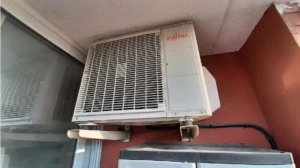
Gaps or cracks in your ductwork also give lizards a way in. If your ducts run through your attic, crawl space, or walls, and there are openings, a lizard could squeeze through.
Research on lizard climbing and clinging ability shows they’re really flexible and can fit through holes that look way too small for them.
Sometimes lizards get into the AC system by accident while looking for a warm or cool place to hide. They don’t mean to end up in your vents, but once they’re in there, they might not know how to get back out.
Why Don’t Lizards Come Through Vents More Often?
Even though lizards can get into AC systems, there are several things that stop them from making it all the way through to your vents.
First, most AC systems have filters. These filters are there to catch dust and dirt, but they also block larger things like lizards. A lizard would have to get past the filter to reach your vent, and that’s really hard to do.
The ductwork itself isn’t very lizard-friendly. It’s dark, there’s no food, and the air temperature changes a lot. Lizards prefer stable temperatures and places where they can find bugs to eat.
Your AC ducts don’t offer either of those things.
The airflow in your ducts can also push lizards back. When your AC is running, there’s constant air moving through the system. A small lizard trying to climb through would have to fight against that airflow, which can be really strong.
Plus, the journey is long. Even if a lizard gets into your outdoor unit, it has to travel through many feet of ductwork to reach a vent inside your house.
Most lizards won’t make it that far before turning back or getting stuck somewhere.
What Types of Lizards Are Most Likely to Get In?
If a lizard does make it into your AC system, it’s usually going to be a small species. Tiny geckos, anoles, and young lizards are the most common culprits because they can fit through smaller openings.
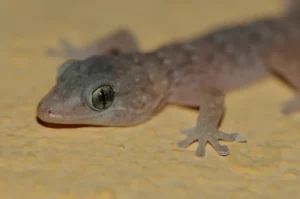
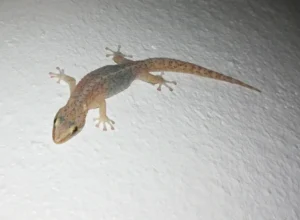
House geckos are probably the biggest AC vent invaders. These little lizards are really good climbers and often live around human buildings.
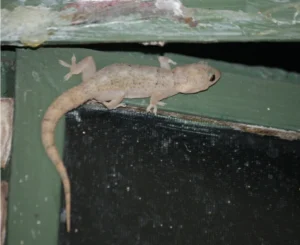
They’re attracted to the bugs that gather near lights and AC units, and they might accidentally wander into your system while hunting.
Studies on reptile locomotion show that geckos have specialized toe pads with microscopic hooks that help them climb smooth surfaces.
This climbing ability makes them more likely than other lizards to get into unusual places like AC systems.
Anoles (those little green or brown lizards you see everywhere in warm climates) are also small enough to squeeze through gaps. They’re curious and will check out any dark space they find.
Larger lizards like iguanas or monitors are way too big to fit through the openings in most AC systems. You don’t have to worry about a big lizard popping out of your vent.
Signs a Lizard Might Be in Your AC System
If a lizard gets into your ductwork, there are a few signs you might notice before you actually see it.
Strange noises are the first clue. You might hear scratching or scurrying sounds coming from your vents, especially when the AC isn’t running.
Lizards make noise when they move around in the metal ducts.
A bad smell could also mean there’s a lizard in your system. If a lizard gets stuck and dies in your ductwork, it’ll start to decompose.
This creates a really unpleasant odor that comes through your vents when the AC runs.
You might see droppings near your vents. Lizard poop is usually small, dark, and has a white tip. If you spot this near your AC vents, a lizard might be living in your ductwork.
Sometimes you’ll actually see the lizard peeking out from a vent or hanging onto the vent cover. This is pretty rare, but it happens.
How to Keep Lizards Out of Your AC Vents
The best way to deal with lizards in your AC system is to stop them from getting in there in the first place. Here’s what you can do.
- Check your outdoor AC unit regularly. Make sure all the screens and protective covers are in good shape with no holes or gaps. If you see any damage, fix it right away. Even a small gap can be an invitation for lizards.
- Look at your ductwork, especially any parts you can see in your attic, basement, or crawl space. Seal any cracks or gaps with duct tape or mastic sealant. This not only keeps lizards out but also makes your AC system work better.
- Keep the area around your outdoor AC unit clean. Don’t let plants grow too close to the unit, and remove any debris or hiding spots nearby. Lizards are less likely to hang around if there aren’t good places to hide.
- Install mesh screens over any openings in your outdoor unit if they aren’t already there. Make sure the mesh is small enough that even tiny lizards can’t squeeze through. You can find these screens at most hardware stores.
- Replace your AC filters regularly. A good filter won’t just improve your air quality, it’ll also create another barrier between any lizards in your ductwork and your living space.
What to Do If You Find a Lizard in Your Vent
If you actually spot a lizard in your AC vent, don’t panic. Here’s how to handle it safely.
First, turn off your AC. You don’t want to hurt the lizard or push it further into your system. Plus, it’s easier to catch a lizard when there’s no air blowing around.
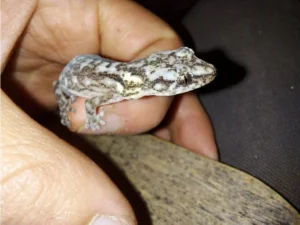
If the lizard is visible and close to the vent opening, you can try to catch it yourself. Use a small box or container and gently encourage the lizard to go inside.
Wear gloves if you’re worried about getting scratched or bitten (though most small lizards won’t hurt you).
Once you catch it, take the lizard outside and release it far from your house. Don’t kill it, these lizards are harmless and they eat bugs that you probably don’t want around anyway.
If the lizard is deep in your ductwork and you can’t reach it, you might need professional help.
An HVAC technician can access your ductwork and remove the lizard without damaging your system. They can also check for entry points while they’re at it.
Don’t use poison or traps in your ductwork. If a lizard dies in there, you’ll have to deal with the smell, and the decomposing body can attract other pests.
Are Lizards in AC Vents Dangerous?
Having a lizard in your AC system isn’t really dangerous, but it’s definitely annoying. Lizards themselves are harmless to humans in most cases.
The lizards that might get into your AC system are usually small species that don’t bite or aren’t aggressive. They’re more scared of you than you are of them.
The main problem is if a lizard dies in your ductwork. The smell can be really bad and last for weeks. Plus, a dead lizard can attract flies and other pests that you don’t want in your house.
Lizards can also leave droppings in your ductwork, which isn’t great for your air quality.
Their waste can carry bacteria, though the risk of getting sick from this is pretty low if your AC has good filters.
In rare cases, a lizard could damage your AC system by chewing on wires or blocking airflow, but this almost never happens. The lizard usually wants to get out more than it wants to mess with your AC.
Other Animals That Can Come Through AC Vents
Lizards aren’t the only small animals that might use your AC system as a way into your house. If you live in an area with lots of wildlife, you might deal with other visitors too.
Mice and rats can definitely get into AC ducts. They’re even better at squeezing through small spaces than lizards are. They might be attracted to your ductwork because it’s warm and protected.
Snakes sometimes follow lizards or rodents into ductwork. If you have lizards or mice in your AC system, a snake might come looking for them.
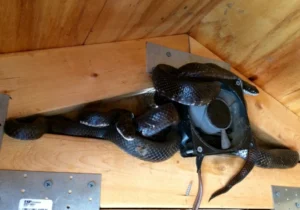
This is pretty rare, but it does happen in some areas.
Insects are the most common invaders. Research on pest entry into buildings confirms that roaches, spiders, and ants can all get into your ductwork. They’re much smaller than lizards, so they have an easier time getting past filters and screens.
Birds occasionally nest in or near outdoor AC units. While they won’t usually come through your vents, their nesting materials can block airflow and damage your system.
When to Call a Professional
Sometimes dealing with a lizard in your AC system is more than a DIY job. Here’s when you should call in help.
If you keep finding lizards in your vents even after sealing gaps and fixing screens, you might have a bigger problem. A professional can do a thorough inspection of your entire AC system and find entry points you missed.
When you can’t reach the lizard yourself, an HVAC technician has tools and knowledge to access your entire duct system safely. They can remove the lizard without tearing apart your house.
If you smell something dead in your vents but can’t locate it, professionals can find and remove the source. They can also clean and sanitize your ductwork to get rid of the odor.
When your AC system seems damaged or isn’t working right after a lizard invasion, don’t try to fix it yourself. You could make things worse or even void your warranty.
Conclusion
Lizards can come through AC vents, but it doesn’t happen very often. They need to find a way into your ductwork first, and even then, filters and airflow usually stop them from reaching your vents.
The best thing you can do is prevent lizards from getting into your AC system in the first place. Check your outdoor unit regularly, seal any gaps in your ductwork, and keep the area around your AC clean.
If you do find a lizard in your vent, stay calm. Turn off your AC, try to catch the lizard safely, and release it outside.
If you can’t handle it yourself or if it becomes a regular problem, call an HVAC professional for help.
Remember, lizards are actually helpful creatures that eat bugs and pests. Having one accidentally end up in your AC system isn’t a sign of a dirty home, it’s just something that can happen when you live in areas where lizards are common.

Hi, my name is Ezra Mushala, i have been interested animals all my life. I am the main author and editor here at snakeinformer.com.