
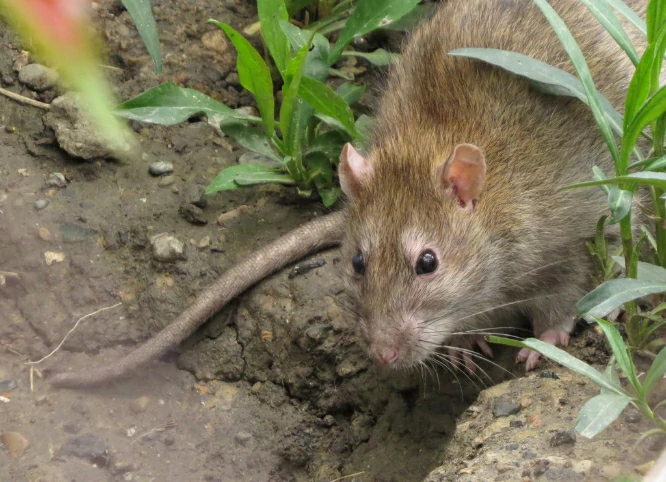
Gerbils and rats are both common pet rodents that many people keep in their homes. They’re similar in some ways, like their size, their rodent behaviors, and the fact that they both need cages with bedding and toys.
If you’re thinking about keeping both species or you’re just curious about how rodent genetics work, you might wonder if these two animals could mate and produce offspring. Can gerbils and rats breed together?
No, gerbils and rats can’t breed together. They’re completely different species from different subfamilies within the rodent order, and their genetics aren’t compatible. Even if a gerbil and rat were to mate (which wouldn’t happen naturally), no pregnancy would result because their DNA is too different to combine.
This isn’t just unlikely. It’s biologically impossible. Gerbils and rats have been on separate evolutionary paths for millions of years. Their reproductive systems, genetics, and even their cellular biology are so different that creating hybrid offspring can’t happen through natural breeding or even through most artificial methods.
The Genetic Incompatibility Problem
For two animals to breed and create offspring, their genetics need to be compatible at a fundamental level. This means their chromosomes need to be able to pair up correctly when sperm meets egg.
Rats have 42 chromosomes arranged in 21 pairs. Gerbils have a different number depending on the species. Mongolian gerbils (the most common pet gerbils) have 44 chromosomes in 22 pairs. This difference alone makes breeding impossible, but the incompatibility goes much deeper.
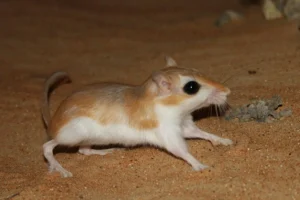
The chromosomes aren’t just different in number. They’re different in size, shape, and gene content. The genes on rat chromosomes are organized completely differently than genes on gerbil chromosomes. When you try to pair up chromosomes from such different species, they simply don’t match.
Even at the earliest stages of fertilization, the process would fail. Rat sperm has specific proteins designed to recognize and penetrate rat eggs. These proteins won’t work on gerbil eggs. The same is true in reverse. The biological lock-and-key mechanism that allows fertilization is species-specific.
Different Subfamilies, Different Worlds
Looking at how gerbils and rats are classified scientifically helps explain why they can’t breed. Both are in the order Rodentia (rodents), but that’s about where their close relationship ends.
Rats belong to the subfamily Murinae (Old World rats and mice). This group includes various rat and mouse species that are closely related. Gerbils belong to the subfamily Gerbillinae (gerbils). These subfamilies diverged from a common ancestor many millions of years ago.
To put this in perspective, the genetic distance between gerbils and rats is massive. They’re about as closely related as cats are to hyenas. Both are in the same general group (carnivores in that example, rodents in this one), but they’re from completely different branches of the family tree.
Even within each subfamily, breeding is limited. Different species of rats often can’t breed with each other. Different species of gerbils face the same limitation. The idea of crossing these subfamily boundaries is even more impossible.
They Don’t Recognize Each Other as Mates
Beyond the genetic impossibility, gerbils and rats wouldn’t even try to mate with each other under normal circumstances. Animals recognize potential mates through species-specific signals.
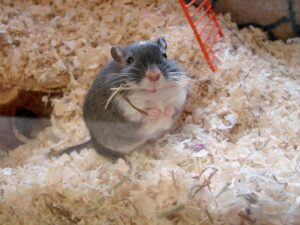
Gerbils communicate through scent marking using special glands on their belly. They recognize other gerbils by smell, and males are attracted to female gerbils in heat by specific pheromones. These chemical signals are unique to gerbils.
Rats also use pheromones to communicate and identify mates, but their chemical signals are completely different from gerbil pheromones. A male rat wouldn’t be attracted to a female gerbil’s pheromones, and a male gerbil wouldn’t respond to a female rat’s signals.
The courtship behaviors are also totally different. Gerbils have specific mating rituals that involve chasing, boxing (standing on hind legs), and mutual grooming. Rats have their own distinct courtship patterns. These behaviors are instinctive and species-specific.
Size and Physical Differences
Even if genetics and behavior weren’t barriers, the physical differences between gerbils and rats would make mating difficult or impossible. Adult rats are significantly larger than gerbils. A typical pet rat weighs 300-500 grams, while a gerbil weighs only 60-130 grams.
This size difference means the physical act of mating would be problematic. In most species, the male needs to mount the female from behind in a specific position. The size mismatch between rats and gerbils would make this extremely difficult even if they wanted to try.
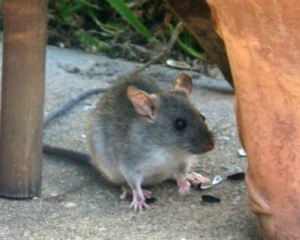
Body proportions are also different. Rats have longer bodies and tails relative to their size. Gerbils are more compact with different limb proportions. These physical differences reflect their different evolutionary adaptations and lifestyles.
The reproductive organs themselves are also sized differently. The anatomy simply wouldn’t work together, even before you get to the genetic incompatibility issues.
Examples of Possible Crossbreeding in Rodents
To understand why gerbils and rats can’t breed, it helps to know what kinds of crossbreeding can happen in rodents. The answer is: very little, and only between extremely close relatives.
Different color varieties of the same rat species can breed freely. For example, a white rat and a brown rat (both Rattus norvegicus) can produce offspring with no problems because they’re the same species with just different genes for color.
Black rats (Rattus rattus) and brown rats (Rattus norvegicus) are both rats but different species. In extremely rare cases, they might interbreed, but it’s very uncommon and usually unsuccessful. Most attempts at mating between these species fail.
Different species of mice generally can’t breed together. Different species of gerbils can’t breed together. And certainly, different rodent subfamilies like gerbils and rats can’t breed together.
The pattern is clear: only animals within the same species can reliably breed. Occasionally, very closely related species in the same genus might produce hybrid offspring, but these cases are rare and the offspring often have problems.
Why Some People Think It’s Possible
You might wonder why anyone would think gerbils and rats could breed in the first place. There are a few reasons for this misconception.
First, both animals are rodents and look somewhat similar to people unfamiliar with them. They both have four legs, fur, long tails, and similar behaviors like gnawing. This surface similarity can make people assume they’re closely related.

Second, people sometimes see hybrid animals in the news (like ligers or mules) and assume any two animals could potentially crossbreed. They don’t realize how closely related animals need to be for hybridization to work.
Third, pet stores sometimes mislabel animals or people misidentify what species they have. Someone might have two different rodent species that look similar and assume they’re the same thing, leading to confusion about breeding.
Finally, there are various internet myths and false claims about impossible animal hybrids. These stories spread online even though they have no scientific basis.
What Would Happen If They Tried to Mate?
Hypothetically, if you somehow forced a gerbil and rat into a situation where they attempted to mate (which would be unethical and wouldn’t happen naturally), nothing would result.
The sperm wouldn’t be able to fertilize the egg. At a cellular level, the sperm from one species can’t penetrate the egg of a very different species. The proteins and receptors don’t match up.
Even if you artificially forced sperm inside an egg in a laboratory (which is possible with advanced techniques), the resulting cell wouldn’t be able to divide and develop. The genetic instructions from gerbils and rats are too different.
The chromosomes wouldn’t be able to pair up during cell division. The embryo would fail at the earliest stages, probably within the first few cell divisions. No pregnancy would develop.
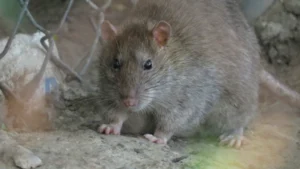
And if somehow, miraculously, an embryo started to develop (which is impossible with current biology), the mother’s immune system would likely reject it, the placenta couldn’t form properly, and countless other problems would cause the pregnancy to fail.
Gerbils and Rats Shouldn’t Live Together
Even though breeding isn’t possible, you shouldn’t house gerbils and rats together for many practical reasons. Both animals do better when kept separately or with members of their own species.
Rats are highly social animals that need to live with other rats. They’re intelligent and form complex social bonds with their rat companions. Gerbils are also social but in different ways, and they need to live with other gerbils to be happy.
Putting a gerbil with rats wouldn’t meet either species’ social needs. The rat would still be lonely for rat companionship, and the gerbil would be stressed by the presence of much larger animals.
Size differences create safety concerns. An adult rat could seriously injure or kill a gerbil, even accidentally. Rats might see gerbils as prey or as territorial intruders. Even if the rat isn’t aggressive, rough play or simple weight differences could harm the smaller gerbil.
Their habitat needs are also different. Gerbils need deep bedding for burrowing and tunneling, which is their natural behavior. Rats need vertical space with hammocks, ropes, and climbing opportunities. Creating one habitat that meets both species’ needs well would be really difficult.
Different Care Requirements
Beyond just housing, gerbils and rats have different care needs. Gerbils are desert animals originally from Mongolia and northern China. They’re adapted to dry environments and don’t drink much water. They don’t need water bowls (though they should have access to water bottles).
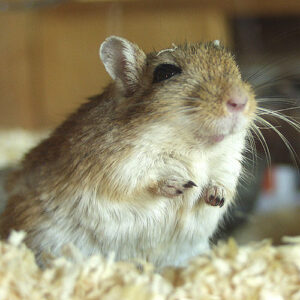
Rats, on the other hand, need more water and aren’t adapted to dry desert conditions. They come from different environments originally and have different humidity and temperature preferences.
Diet differences exist too. While both eat similar foods, the exact nutritional needs vary. Gerbil food and rat food are formulated differently. Feeding one species the wrong food long-term could cause health problems.
Gerbils are generally more active at dawn and dusk (crepuscular), while rats can be active at various times including during the day. This means their activity patterns don’t match up well.
Health issues and veterinary needs also differ. Rats are prone to respiratory problems, while gerbils more commonly have problems like seizures (in some genetic lines) and tail injuries. A vet experienced with one species might not be as knowledgeable about the other.
The Biology of Why It Can’t Work
At a deeper biological level, there are many reasons gerbil-rat breeding would fail. Gene expression (how genes are turned on and off) is controlled by species-specific mechanisms. The regulatory elements that control rat genes wouldn’t work properly with gerbil genes.
Protein compatibility is another issue. Even if somehow an embryo formed, the proteins from one species might not work properly with proteins from the other species. Cellular machinery is fine-tuned to work with proteins from the same species.
Developmental timing would be all wrong too. Rat embryos develop at different rates and go through different developmental stages than gerbil embryos. An embryo with mixed genetics wouldn’t know which developmental program to follow.
The placenta, which connects the embryo to the mother’s blood supply, is highly specialized. A gerbil placenta is designed for gerbil babies, and a rat placenta is designed for rat babies. A hybrid embryo couldn’t interact properly with either type of placenta.
Focus on Proper Species-Specific Care
Instead of wondering about impossible crossbreeds, it’s better to focus on giving excellent care to whichever species you choose to keep. Both gerbils and rats make wonderful pets when their needs are properly met.
If you want to keep both species, house them in completely separate cages. Ideally, keep them in different rooms so they can’t see or smell each other, which could cause stress.
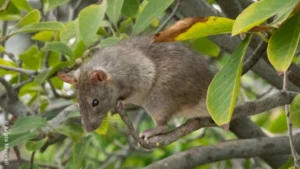
Learn about the specific requirements for each species. Rats need rat companions and daily human interaction. Gerbils need gerbil companions and deep bedding for burrowing. Both need species-appropriate diets, toys, and veterinary care.
Give each species the enrichment they need. Rats love climbing and puzzle toys. Gerbils love digging and chewing. Meeting these natural behaviors is important for their mental and physical health.
Why Understanding This Matters
Understanding that different species can’t interbreed is important for several reasons. First, it helps you be a responsible pet owner. You’ll know that keeping different species separately is necessary for their wellbeing, not just to prevent breeding.
Second, it helps you understand evolution and genetics better. Species boundaries exist for real biological reasons. The inability to interbreed is actually part of what defines different species.
Third, it helps you avoid scams. Some unethical sellers might claim to have rare hybrid animals. Understanding that these hybrids are impossible helps you avoid being tricked.
Finally, it encourages proper care. When you understand that gerbils and rats are fundamentally different animals with different needs, you’re more likely to provide appropriate care for each species.
Conclusion
Gerbils and rats can’t breed together. They’re different species from different subfamilies of rodents, separated by millions of years of evolution. Their genetics are completely incompatible, making crossbreeding impossible through natural mating or even most artificial methods.
Even if genetics weren’t a barrier, gerbils and rats don’t recognize each other as potential mates, have different courtship behaviors, and have significant size differences that would prevent mating. They simply aren’t compatible in any way for reproduction.
If you keep both gerbils and rats as pets, house them separately and provide species-specific care for each. Focus on meeting each animal’s unique needs rather than wondering about impossible crossbreeds. Both species make excellent pets when kept properly.

Hi, my name is Ezra Mushala, i have been interested animals all my life. I am the main author and editor here at snakeinformer.com.