
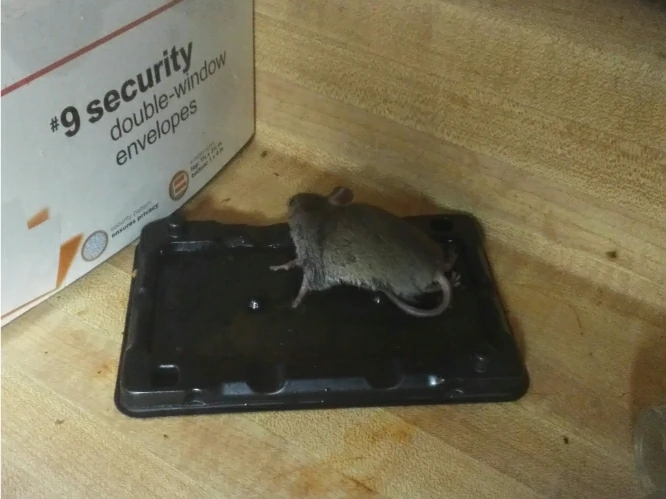
You’re dealing with a rodent problem and you’re not entirely sure if you have rats or squirrels getting into your attic or walls. You’ve got rat traps ready to set, but you’re wondering if they’ll work on squirrels too. Can a rat trap kill a squirrel?
Yes, a rat trap can kill a squirrel. Rat traps are strong enough to catch and kill squirrels, especially smaller ones. However, rat traps aren’t ideal for squirrels because squirrels are often larger and heavier than rats, which means the trap might injure rather than quickly kill a squirrel, causing unnecessary suffering.
If you’re trying to control squirrels, it’s better to use traps specifically designed for squirrels or to use live-catch traps. Using the wrong trap can create problems both legally and ethically.
How Rat Traps Compare to Squirrel Traps
Standard rat snap traps have a strong spring and metal bar that’s designed to kill rats quickly. These traps can definitely catch squirrels, but they might not be strong enough to kill a squirrel instantly.
Squirrels can be quite a bit bigger than rats. While a rat might weigh 8-12 ounces, a gray squirrel can weigh 14-21 ounces. This size difference matters when it comes to trap effectiveness.

Squirrel traps (when they’re snap traps) usually have stronger springs and bigger striking surfaces than rat traps. They’re designed to deliver enough force to kill a squirrel-sized animal quickly and humanely.
The trigger mechanism on squirrel traps is also calibrated differently. Squirrels move differently than rats, and a trap designed for squirrels will be more effective at catching them.
Why Using Rat Traps on Squirrels Is Problematic
A rat trap might not kill a squirrel instantly, which means the squirrel suffers before dying. This is inhumane and, in many places, illegal.
Most areas have laws about how you can trap and kill wildlife. Squirrels are usually classified as wildlife (even when they’re pests), while rats are classified as vermin. The laws are different for each, and you need to follow the regulations in your area.

An injured squirrel caught in a rat trap can be dangerous to handle. Squirrels have sharp teeth and claws, and a trapped, frightened animal will bite and scratch if you try to handle it.
If the trap only injures the squirrel but doesn’t hold it securely, you might end up with an injured squirrel loose in your home. This creates an even bigger problem than you started with.
Legal Considerations for Trapping Squirrels
In many states and countries, squirrels are protected wildlife. You might be allowed to trap them on your property, but only during certain seasons or with specific types of traps.
Some jurisdictions require that you use live-catch traps for squirrels and then release them a certain distance away from your property. Others allow lethal traps but have rules about what kinds you can use.
There are often laws about checking traps within a specific timeframe (like every 24 hours). Leaving a trapped animal to suffer is illegal in most places and can result in fines.
Before you set any trap for squirrels, check your local wildlife regulations. You can usually find this information on your state’s wildlife department website, or you can call them directly.
What Happens When a Squirrel Triggers a Rat Trap
If the squirrel is small or young, a rat trap might kill it quickly by breaking its neck or crushing its skull, similar to how it would work on a rat.
Larger adult squirrels might get caught by a limb instead of the head or neck. The trap will break bones and cause serious injury, but the squirrel might not die right away.
The squirrel will panic and struggle, which can cause additional injuries. It might also make a lot of noise, which can be distressing to hear.
In some cases, a very large squirrel might trigger the trap but be heavy enough that the spring doesn’t close completely. The squirrel could escape injured, or get stuck in the trap without being killed.
Better Alternatives for Dealing With Squirrels
Live-catch traps (cage traps) are the safest and most legal option for most people. These trap the squirrel alive without harming it, and you can then relocate or release it according to local laws.
Squirrel-specific snap traps are available if lethal trapping is legal in your area and you prefer that approach. These are designed to kill squirrels quickly and humanely.

One-way exclusion doors are often the best solution for squirrels in attics or walls. These let squirrels exit but prevent them from getting back in. Once they’re out, you seal up the entry points permanently.
Calling a professional wildlife control service is a good idea if you’re not sure what’s legal, if you’re uncomfortable handling traps, or if you have a large squirrel problem.
How to Tell If You Have Rats or Squirrels
Squirrels are active during the day, especially in the morning and late afternoon. If you hear activity in your attic during daylight hours, it’s probably squirrels.
Rats are mostly active at night. If you hear scratching, running, or chewing sounds after dark, you’re more likely dealing with rats.
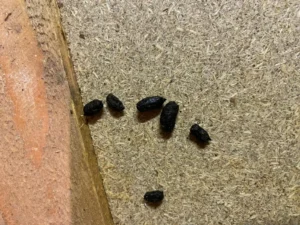
Squirrel droppings are larger than rat droppings. Squirrel droppings are about 3/8 inch long and rounded at the ends. Rat droppings are about 1/2 to 3/4 inch long and pointed at the ends.
The type of damage can also give you clues. Squirrels often chew larger holes and tend to chew on wood more than wiring. Rats chew through almost anything including wires, plastic, and soft metals.
If You Accidentally Catch a Squirrel in a Rat Trap
First, don’t panic. Check if the squirrel is still alive. If it’s dead, you need to dispose of it according to local regulations (usually double-bagging and putting it in outdoor trash).
If the squirrel is still alive and injured, you need to decide whether to humanely euthanize it (which usually requires a professional unless you know how to do this humanely) or call a wildlife rehabilitator.
Don’t try to release an injured squirrel. It won’t survive and will suffer more. If you can’t humanely euthanize it yourself, call animal control or a wildlife rehabber who can help.
Wear thick gloves if you have to handle the trap with a live squirrel in it. Keep your hands away from the squirrel’s mouth and claws.
Setting Up Proper Squirrel Traps
If you decide to use live-catch traps for squirrels, place them near entry points or in areas where you’ve seen squirrel activity.
Bait the traps with nuts, peanut butter, sunflower seeds, or fruit. Squirrels are attracted to these foods and will enter traps to get them.
Set the trap on a flat, stable surface. Squirrels are cautious animals and might avoid a trap that wobbles or seems unstable.
Check live-catch traps at least twice a day. Squirrels can get very stressed in traps, and leaving them trapped for long periods is inhumane and often illegal.
The Ethics of Killing Wildlife
Even when it’s legal to kill squirrels, you should think about whether it’s necessary. Often, exclusion and prevention are better long-term solutions than killing.
If you do choose lethal trapping, you have a responsibility to use traps that kill quickly and humanely. Using inadequate traps that cause suffering is wrong, even if you’re dealing with a pest animal.
Some people are uncomfortable with killing any animal, even pests. If that’s how you feel, stick with live-catch and relocation methods, or focus on exclusion and prevention.
Remember that killing a few squirrels doesn’t solve the underlying problem of why they’re getting into your home. You still need to seal entry points and remove attractants.
How Squirrel Behavior Differs From Rat Behavior
Squirrels are much bolder than rats in many situations. They’re active during the day and are used to being around humans (especially in suburban areas).
This means squirrels might not be as cautious around traps as rats are. They might walk right up to a trap and trigger it without much hesitation.
But squirrels are also smart and have good memories. If a squirrel has a bad experience with a trap (even if it escapes), it might avoid traps in the future.
Squirrels are territorial and often work alone, while rats live in colonies. This means you might only have one or two squirrels to deal with, rather than a large population like you might have with rats.
The Problem With Wrong-Sized Traps
Using traps that are too small for the animal you’re trying to catch is ineffective and inhumane. The trap won’t work properly and will cause unnecessary suffering.
Rat traps are designed for rat-sized animals. While they might catch squirrels, they’re not optimized for it and can lead to problems.
Mouse traps are completely inadequate for both rats and squirrels. They won’t kill these larger animals and will only injure them.
Always use the right size and type of trap for the animal you’re dealing with. If you’re not sure what you have, use live-catch traps until you can identify the animal.
Professional Wildlife Removal for Squirrels
Wildlife removal professionals have the proper equipment and licenses to deal with squirrels legally and humanely.
They can identify entry points you might have missed and will seal them up after removing the squirrels, so the problem doesn’t recur.
Professionals know the local laws and regulations about squirrel removal. They’ll handle everything legally, which protects you from potential fines or legal issues.
If you have squirrels in a difficult-to-reach area (like inside walls or in a high attic), professionals have the tools and experience to remove them safely.
Preventing Squirrels From Getting Inside
The best solution to a squirrel problem is preventing them from getting into your home in the first place. Seal any holes or gaps in your roof, soffits, or fascia boards.
Squirrels can fit through holes about 1.5 to 2 inches in diameter. Check your home’s exterior carefully and seal any openings this size or larger.
Trim tree branches that hang over your roof or come within 8-10 feet of your house. Squirrels use these branches as highways to access your roof.
Install metal flashing or hardware cloth over vulnerable areas. Squirrels can chew through wood and plastic, but they can’t get through metal barriers.
The Difference Between Controlling Rats and Controlling Squirrels
Rats are considered vermin and usually have fewer legal protections. In most places, you can trap and kill rats however you want (though humane methods are still preferred).
Squirrels are often classified as game animals or protected wildlife, which means there are more restrictions on how you can deal with them.
The methods that work well for rats might not work well for squirrels and vice versa. Squirrels are larger, stronger, and behave differently than rats.
Your strategy needs to match the animal you’re dealing with. This is another reason why it’s important to correctly identify whether you have rats or squirrels before you start trapping.
What to Do After Catching a Squirrel
If you caught a live squirrel, check local laws about relocation. Some areas require that you release squirrels on your property or nearby, while others allow you to transport them further away.
When releasing a squirrel, take it at least 5 miles from your home. Squirrels have a strong homing instinct and will try to return if released too close.
If you caught and killed a squirrel (whether intentionally with a proper trap or accidentally with a rat trap), dispose of the body properly. Double-bag it and put it in your outdoor trash, or bury it if local regulations allow.
Clean and disinfect any area where the squirrel was living or was trapped. Squirrels can carry parasites and diseases, and you don’t want these left behind in your home.
Long-Term Solutions for Both Rats and Squirrels
Whether you’re dealing with rats or squirrels, the long-term solution is the same: seal up your home so they can’t get in.
Remove food sources. Don’t leave pet food outside, keep garbage in sealed containers, and clean up fallen fruit from trees.
Reduce shelter opportunities. Keep your yard tidy, remove debris piles, and trim vegetation away from your home’s foundation and roof.
Regular home maintenance is key. Check your home’s exterior at least twice a year for new holes or damage that could let rodents in.
Why It’s Important to Use the Right Trap
Using the appropriate trap for the animal you’re targeting is more humane. The trap is designed to kill quickly or catch safely, reducing suffering.
The right trap is also more effective. A trap designed for your target animal is more likely to work correctly and catch it on the first try.
Using the wrong trap can create legal problems if you’re violating wildlife regulations in your area.
It’s also safer for you. A trap that’s too small for an animal can result in an injured, dangerous animal that you have to deal with.
Conclusion
A rat trap can kill a squirrel, especially smaller ones, but it’s not the right tool for the job. Rat traps aren’t designed for squirrels and might cause injury without killing quickly, which is both inhumane and potentially illegal depending on where you live.
If you’re dealing with squirrels, use traps specifically designed for them, or better yet, use live-catch traps and focus on exclusion methods. Always check your local wildlife regulations before trapping any animal to make sure you’re following the law.
The best approach to any rodent problem, whether rats or squirrels, is prevention. Seal up entry points, remove food sources, and maintain your home so these animals don’t want to come inside in the first place.

Hi, my name is Ezra Mushala, i have been interested animals all my life. I am the main author and editor here at snakeinformer.com.