
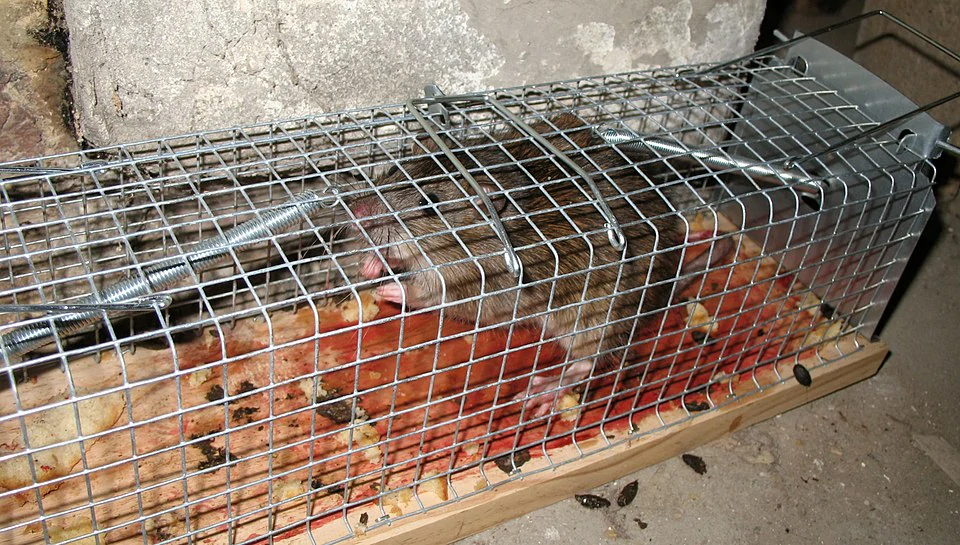
If you’ve got rats in your home, you’re probably thinking about setting out some traps to deal with the problem. But if you’ve also got a curious cat roaming around, you might be worried about what could happen if your pet gets too close to one of those traps. Can a rat trap hurt or kill a cat?
Yes, a rat trap can hurt a cat and in rare cases, could even kill one. Snap traps can break bones in a cat’s paw or cause serious injuries to the face and mouth. Electric rat traps can deliver dangerous shocks, and larger body-gripping traps designed for rats can cause severe trauma if a cat gets caught.
While most cats will survive an encounter with a standard snap trap, they can still suffer painful injuries that need immediate vet care. The risk gets much higher with larger or more powerful traps, especially electric models or body-gripping traps.
How Rat Traps Can Injure Cats
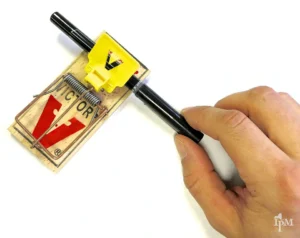
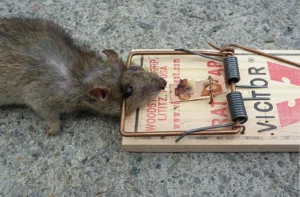
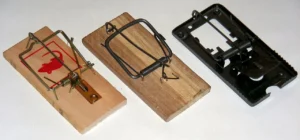
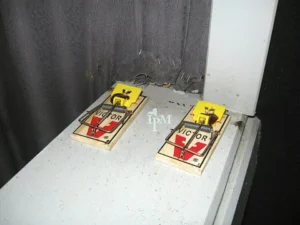
Traditional snap traps are the most common type people use for rats. These traps have a metal bar that snaps down with a lot of force when triggered.
If your cat steps on one or tries to investigate it with their paw, that metal bar can come down hard on their toes or foot. This can break small bones, cause deep cuts, or badly bruise the tissue.
Cats are naturally curious animals. They’re drawn to anything new in their environment, and a rat trap with bait on it smells interesting.
When a cat sniffs at a baited trap, they might trigger it with their nose or face. This can cause serious facial injuries, broken teeth, or damage to the sensitive tissues around the nose and mouth.
The pain from these injuries is intense. Your cat will likely cry out and might go into shock from the trauma.
Are Snap Traps the Biggest Danger?
Snap traps are dangerous, but they’re not always the worst option when it comes to risking your cat’s safety. Electric rat traps can be even more harmful.
These traps deliver a high-voltage shock that’s designed to kill a rat instantly. If a cat sticks their paw or nose into one of these traps, they’ll get a serious electric shock.
The shock can cause burns, muscle damage, and in some cases, can mess with the cat’s heart rhythm. Small cats or kittens are at higher risk because their bodies can’t handle the electrical current as well as a larger animal.
Body-gripping traps (sometimes called Conibear traps) are another serious threat. These are designed to snap shut around an animal’s body and kill quickly through trauma.
If a cat gets caught in one of these, the injuries can be catastrophic. We’re talking broken bones, crushed tissue, and severe internal damage.
Can a Rat Trap Actually Kill a Cat?
Death from a rat trap isn’t common, but it can happen. The most likely scenario involves electric traps or large body-gripping traps.
With electric traps, a cat could die from the shock itself, especially if they’re small or have any underlying heart problems. The electrical current can cause cardiac arrest in some cases.
Body-gripping traps can kill through trauma. If the trap catches a cat around the neck or chest, it can cause fatal injuries.

Even with standard snap traps, there’s a small risk of death. If a cat gets hit in the head or neck area, the impact could cause serious brain or spinal injuries.
Infection is another concern. If a cat gets injured by a trap and the wound isn’t treated, it can become infected. A bad infection can turn deadly if it spreads through the bloodstream.
What Happens If Your Cat Gets Caught in a Rat Trap?
If you hear your cat cry out and find them caught in a trap, you need to act fast. Don’t panic, but move quickly.
First, release the trap mechanism to free your cat. With snap traps, you’ll need to pull back the metal bar. Be careful because your cat will be in pain and might try to bite or scratch you.
Once your cat is free, look at the injury. If there’s bleeding, apply gentle pressure with a clean cloth. Don’t try to bandage it yourself.
Call your vet right away or take your cat to an emergency animal hospital. Even if the injury looks minor, there could be broken bones or internal damage you can’t see.
Your vet will examine your cat, take X-rays if needed, and provide pain relief. They might prescribe antibiotics to prevent infection and give you instructions for care at home.
How to Use Rat Traps Safely Around Cats
The best way to protect your cat is to place rat traps where your cat can’t reach them. This takes some planning, but it’s worth the effort.
Put traps inside boxes or containers with holes that are big enough for rats but too small for your cat’s paw. You can buy commercial bait stations or make your own from cardboard boxes.
Place traps in spaces your cat can’t access. Behind appliances, inside cabinets, or in the attic are good options if your cat doesn’t go in those areas.
You can also set traps at night and pick them up in the morning before your cat is active. This only works if rats in your area are mainly nocturnal and your cat sleeps through the night.
Never use poison in combination with traps if you have cats. A poisoned rat might stagger out where your cat can catch it, and your cat could get poisoned from eating the rat.
Are There Safer Alternatives to Traditional Rat Traps?
If you’re really worried about your cat’s safety, there are some alternatives to consider. Live traps are one option, though they come with their own challenges.
Live traps catch rats without killing them. These are basically boxes with a door that closes when the rat goes inside. Your cat could still get their paw caught in the door mechanism, but the risk of serious injury is much lower.
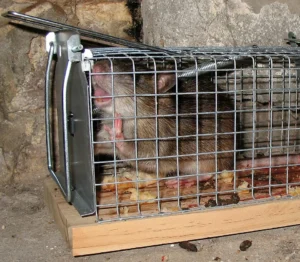
The downside is you’ll need to check these traps often and deal with live rats. You’ll have to take them far from your home and release them, or humanely kill them yourself.
Ultrasonic repellents claim to drive rats away with high-frequency sounds. The evidence on whether these actually work is mixed, and some cats can hear these frequencies too, which might stress them out.
Professional pest control is another route. Exterminators have access to methods and products that aren’t available to regular people, and they know how to use them safely around pets.
What About Glue Traps and Cats?
Glue traps are sticky boards designed to trap rats when they walk across them. These aren’t as immediately dangerous as snap traps, but they can still cause problems for cats.
If your cat steps on a glue trap, they’ll get stuck. Cats hate being restrained, so they’ll panic and struggle. This can cause injuries as they twist and pull trying to get free.
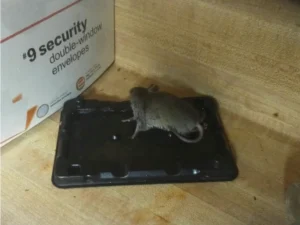
The glue itself can pull out fur and damage skin. It’s also really hard to remove from fur without cutting it away or using solvents that might irritate your cat’s skin.
If your cat tries to lick the glue off their fur, they could ingest it. Most glue trap adhesives aren’t toxic, but eating a bunch of it can cause digestive problems.
Getting a cat unstuck from a glue trap takes time and patience. You’ll usually need to use cooking oil or another substance to break down the adhesive, then give your cat a bath.
Signs Your Cat Has Been Injured by a Trap
Sometimes you might not see your cat get caught in a trap. If you’ve set traps and notice any of these signs, your cat might have been injured.
Limping or holding up a paw is an obvious sign. Your cat might also lick or bite at an injured area constantly. Check their paws, face, and mouth for injuries.
Behavior changes can indicate pain. A cat that’s usually friendly might hide, hiss, or become aggressive. They might also stop eating or using the litter box normally.
Swelling is another red flag. If you notice any part of your cat’s body is puffy or swollen, especially their paws or face, they might have been hurt.
Don’t wait to see if things get better on their own. Cat injuries can get worse quickly, especially if infection sets in. Get your cat to a vet as soon as you notice something wrong.
Why Cats Are Attracted to Rat Traps
Understanding why cats mess with rat traps can help you prevent accidents. It’s not that your cat is trying to get hurt, they’re just following their instincts.
Cats are hunters by nature. The smell of bait on a trap (usually peanut butter, cheese, or other foods) is interesting to them. They might investigate just out of curiosity.

Movement also attracts cats. If a trap has caught a rat and the rat is still moving, your cat will be drawn to that. They might try to play with or catch the trapped rat.
New objects in their environment are always worth checking out. Even if there’s no bait or movement, a cat might paw at a trap just to see what it is.
Some cats are more curious than others. Young cats and kittens are especially at risk because they haven’t learned to be cautious yet.
What Type of Rat Trap Is Safest Around Cats?
If you absolutely have to use traps and can’t keep your cat away from them completely, some types are safer than others. None are completely risk-free, but you can reduce the danger.
Enclosed bait stations with snap traps inside are probably your best bet. These have small openings that rats can fit through but cats can’t. Make sure the openings are really too small for your cat’s paw.
Live traps designed for rats are another option. While a cat could still get their paw caught in the door, the risk of broken bones or severe injury is lower than with snap traps.
Avoid electric traps and body-gripping traps entirely if you have cats. The risk is just too high, and the potential injuries are too severe.
Glue traps are also best avoided. While they won’t break bones, dealing with a glue-covered, panicked cat is a nightmare, and it can still cause injuries.
How Vets Treat Rat Trap Injuries in Cats
When you bring your injured cat to the vet, they’ll start with a thorough examination. They need to see exactly what’s damaged and how bad it is.
X-rays are common for paw injuries because broken bones aren’t always obvious from the outside. Your cat might need sedation for this because they’ll be in pain and won’t want to stay still.
If there are broken bones, your vet might splint or cast the injury. In severe cases, surgery might be needed to pin bones back together. This is more likely with multiple breaks or badly displaced fractures.
Wounds will be cleaned and possibly stitched. Your cat will get pain medication, which is really important. Cats are good at hiding pain, but that doesn’t mean they’re not suffering.
Antibiotics are usually prescribed to prevent infection. You’ll need to give these to your cat at home, which can be challenging. Your vet can show you the best technique.
Long-Term Effects of Rat Trap Injuries
Most cats recover well from rat trap injuries if they get prompt treatment. But some injuries can have lasting effects, especially if bones were broken.
A broken toe or paw bone might heal a bit crooked, which can cause a permanent limp. This usually doesn’t stop cats from being active, but they might favor the other paw.
Nerve damage is possible if the trap crushed tissue badly. This can cause numbness or reduced feeling in the affected area. In rare cases, a cat might lose function in a toe or even a whole paw.
Facial injuries can affect eating if teeth were broken or the jaw was damaged. Your cat might need dental work or might have to eat softer food for the rest of their life.
Psychological effects are real too. Some cats become anxious or fearful after a traumatic injury. They might avoid certain areas of the house or become more skittish overall.
What to Do Before Setting Rat Traps
Before you put out any rat traps, take time to plan carefully. This preparation can save your cat from serious injury.
Map out where you’ll place traps and think about whether your cat can reach those spots. Be honest with yourself, cats can get into places you might not expect.
Consider confining your cat to a certain part of the house while traps are active. This only works if the rats aren’t in that area too.
Talk to your vet about your plans. They might have suggestions for keeping your cat safe or alternatives you haven’t thought of.
Make sure everyone in your household knows where traps are and understands the importance of keeping the cat away. One person forgetting can lead to disaster.
Conclusion
Rat traps can definitely hurt your cat, and in rare cases, they can even be deadly. The risk depends on what type of trap you’re using and how careful you are about placement.
Traditional snap traps can break bones and cause serious injuries if your cat gets caught. Electric traps and body-gripping traps are even more dangerous and can cause life-threatening harm.
The best approach is to place traps where your cat absolutely can’t reach them. Use enclosed bait stations, put traps in spaces your cat doesn’t access, or consider safer alternatives like live traps.
If your cat does get injured, get them to a vet immediately. Quick treatment makes a big difference in recovery and can prevent complications.
Before you set any traps, take time to plan carefully and think about your cat’s safety. It might take more effort, but protecting your pet from a painful and potentially serious injury is worth it.
Sometimes calling in a professional pest control service is the smartest choice. They have the knowledge and tools to handle your rat problem while keeping your cat safe.

Hi, my name is Ezra Mushala, i have been interested animals all my life. I am the main author and editor here at snakeinformer.com.