
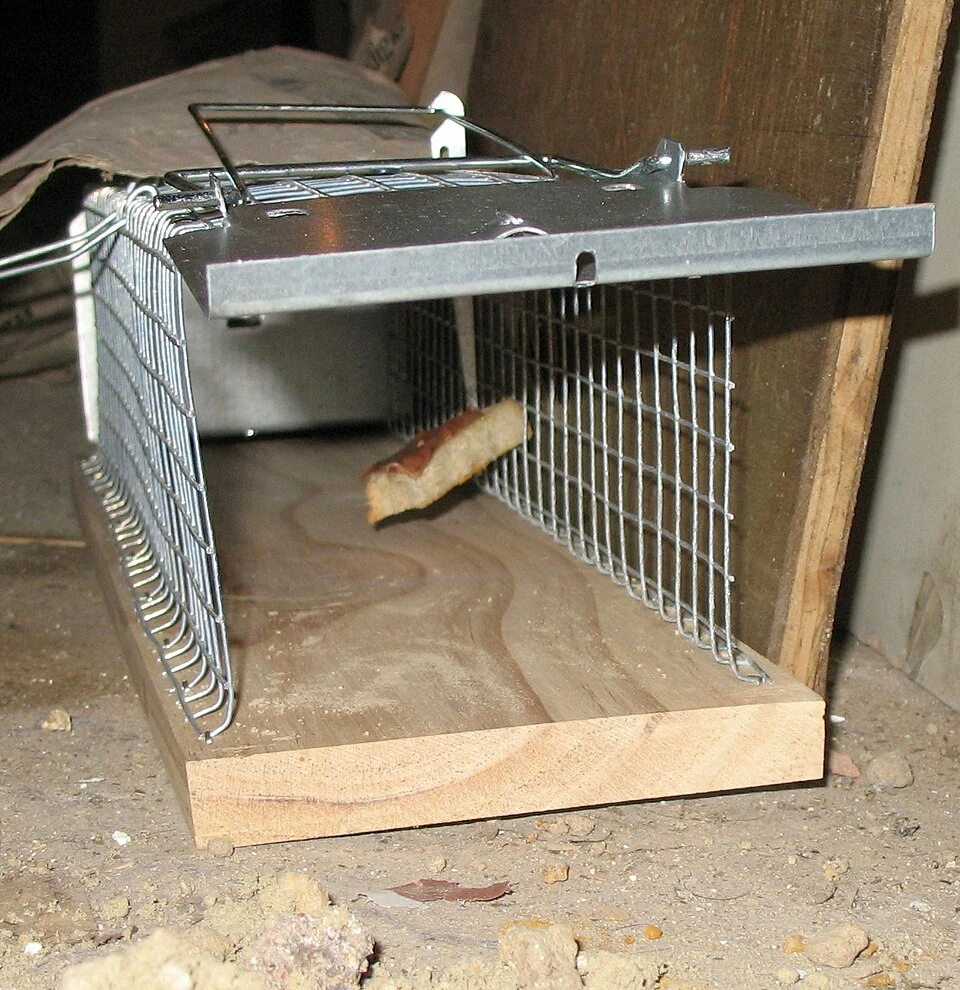
You’ve set out rat traps to deal with a rodent problem, and now you’re wondering what else might get caught in them. Maybe you’ve seen a possum around your property, or you’re just worried about accidentally hurting wildlife. Can a rat trap catch or kill a possum?
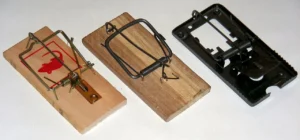
A standard rat trap can catch a possum’s paw, tail, or nose, but it won’t kill a full-grown possum. The trap isn’t strong enough to deliver a fatal blow to an animal that size. However, it can cause painful injuries like broken bones, deep cuts, or severe bruising that might lead to serious problems for the possum.
Young possums or very small adults might be at higher risk of severe injury, but even they’re unlikely to be killed outright by a typical rat trap.
Why Rat Traps Can’t Kill Adult Possums
Possums are much bigger than rats. An adult possum typically weighs between 4 to 14 pounds, while a rat weighs less than a pound.
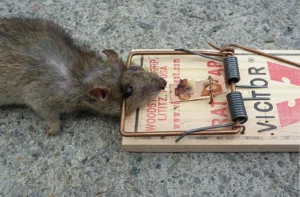
The force from a rat trap is designed to kill a small rodent quickly. When that same force hits a much larger animal, it just doesn’t have the same effect.

A rat trap’s metal bar comes down hard enough to break a rat’s neck or skull. But a possum’s bones are thicker and stronger, and their skull is much larger and tougher.
Think about it like this: a fly swatter can kill a fly, but it won’t kill a cat. The difference in size matters a lot when it comes to the effectiveness of the trap.
The spring mechanism in a standard rat trap just isn’t powerful enough to deliver a lethal blow to an animal the size of a possum.
What Happens If a Possum Gets Caught
If a possum triggers a rat trap, the most likely scenario is that the trap will catch a paw, the tip of their tail, or their nose. These are the parts that would come in contact with the bait or trigger plate.
The snap will hurt and might cause injury. A possum could end up with a broken toe, deep bruising, or a cut from the metal bar.
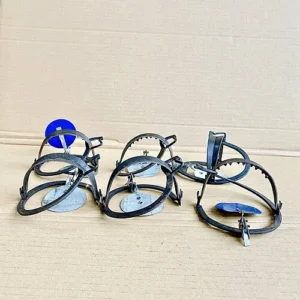
Possums will panic when caught. They might thrash around trying to get free, which can make the injury worse. They could also hurt themselves on other things while they’re struggling.
If the trap catches a paw and the possum can’t get free, they might chew their own paw off to escape. This sounds extreme, but animals in pain and panic will do desperate things.
A possum with an injured paw might not be able to climb trees or escape predators as well. This puts them at risk even after they get away from the trap.
Infections are a serious concern. If the trap breaks the skin, bacteria can get into the wound. Without treatment, an infection can spread and become life-threatening.
Young Possums Face Higher Risk
Baby possums are much smaller than adults. A very young possum might only weigh a few ounces.
At that size, a rat trap could potentially cause fatal injuries. The same force that just hurts an adult could break bones or cause internal damage in a baby.
Young possums are also more likely to be curious and investigate new things without being cautious. This increases the chance they’ll trigger a trap.
If a mother possum is injured by a trap and can’t care for her babies, those babies might die even if they weren’t directly hurt by the trap.
Possums carry their young on their backs once the babies leave the pouch. If a mother gets caught in a trap while carrying babies, they could all be in danger.
Where Possums and Rat Traps Cross Paths
Possums are attracted to the same areas where people set rat traps. They’re looking for food, and rat bait smells good to them too.
Garages, sheds, and spaces under houses are common places for both rats and possums. If you’ve got traps in these areas, a possum might find them.
Possums are active at night, which is the same time rats are out. This means traps set in the evening are active during possum hours.
Outdoor areas near garbage cans or compost piles attract both animals. Traps placed here have a higher chance of catching non-target animals like possums.
If you’re baiting traps with peanut butter, fruit, or other foods that possums like, you’re basically inviting them to investigate.
Legal and Ethical Issues
In many areas, possums are protected wildlife. Harming them, even accidentally, could get you in legal trouble depending on where you live.
Some states and countries have laws about trapping wildlife. Using traps that aren’t designed for possums might violate these laws, even if you’re technically trying to catch rats.
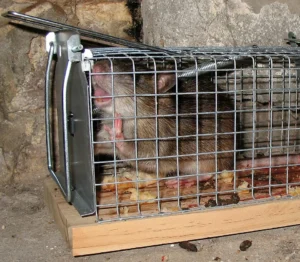
There’s also an ethical question. Possums are beneficial animals that eat ticks, insects, and even rats. Hurting them when you’re trying to solve a rat problem doesn’t make much sense.
If you injure a possum with a rat trap, you might have a legal obligation to report it or get help for the animal. Leaving an injured wild animal to suffer is illegal in many places.
Wildlife rehabilitation centers exist to help injured animals. If you find a possum caught in your trap, contacting a local wildlife rehab is often the right move.
How to Avoid Catching Possums in Rat Traps
The best way to protect possums is to place your rat traps where possums can’t reach them. This takes some thought about animal behavior.
Possums are good climbers but they’re also fairly large. Putting traps in tight spaces that only rats can fit into helps. Think inside walls, in very narrow gaps, or in small holes.
Use bait stations or boxes with openings too small for a possum’s head. Commercial rat bait stations are designed with this in mind. The opening lets rats in but keeps larger animals out.
Set traps in areas where you know rats are active but possums aren’t. If you’ve only seen rats in your attic but possums stay in the yard, keep traps in the attic.
Avoid setting traps near areas where possums den or travel. Common possum spots include under decks, in tree hollows, and along fence lines.
If you see possum droppings or other signs of possum activity in an area, don’t set rat traps there. Focus on locations that show only rat activity.
Signs a Possum Has Been Caught
If you check your traps and see signs of a struggle but no rat, a possum might have been caught and escaped. Here’s what to look for.
The trap might be moved from where you set it. Possums are strong enough to drag a trap a short distance while they’re trying to get free.
You might see blood or fur that’s clearly not from a rat. Possum fur is grayish and coarser than rat fur.
Scratch marks around the trap could indicate a larger animal was there. Possums have sharp claws that leave distinctive marks.
The bait might be gone but the trap didn’t kill anything. Possums are smart and might learn to steal bait without triggering the trap after one bad experience.
If you find the trap sprung but empty, with disturbed ground around it, a possum probably got caught and managed to escape.
What to Do If You Catch a Possum
If you find a live possum caught in your rat trap, don’t panic. The animal is already scared and in pain, so you need to be calm and careful.
Don’t try to free the possum yourself if you’re not experienced with wildlife. Possums can bite when they’re scared, and their mouths have a lot of teeth (50 in total).
Call animal control or a local wildlife rehabilitation center. They have the tools and experience to safely free the possum and check for injuries.
If you absolutely have to release the possum yourself, wear thick gloves and use a stick or tool to open the trap. Don’t put your hands near the possum’s mouth.
Once freed, the possum will probably run away immediately. If it doesn’t, or if it’s clearly badly injured, don’t try to catch it. Call professionals instead.
Watch the area for a few days after the incident. If you see the same possum limping or showing signs of injury, contact wildlife services.
Possums vs. Opossums (They’re the Same Thing)
Just a quick note: possums and opossums are two names for the same animal in North America. People use both words, though “opossum” is technically more correct.
In Australia, “possum” refers to different species that aren’t closely related to the North American opossum. But in the U.S. and Canada, the terms are used for the same animal.
This matters because if you’re researching online, you might find information about Australian possums that doesn’t apply to the Virginia opossum in your backyard.
The Virginia opossum (Didelphis virginiana) is the species we’re talking about here. They’re the only marsupial native to North America.
Why Possums Are Actually Helpful
Before you worry too much about protecting possums, you might wonder if they’re even worth the effort. The answer is yes, possums are really beneficial.
Possums eat thousands of ticks every year. They’re one of the best natural tick controls around, which means they help prevent Lyme disease and other tick-borne illnesses.
They also eat rats and mice. If you’ve got possums around, they might be helping with your rodent problem naturally.
Possums consume cockroaches, beetles, and other insects that people consider pests. They’re basically free pest control.
They’re also scavengers that clean up dead animals and fallen fruit. This reduces food sources for rats and other pests.
Unlike some wildlife, possums rarely carry rabies. Their body temperature is too low for the rabies virus to survive well, making them much safer than raccoons or skunks.
Alternatives to Rat Traps in Possum Areas
If you know possums are active where you need to control rats, consider using methods that are more selective.
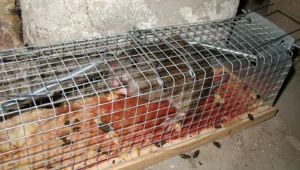
Live traps designed specifically for rats can work well. These have smaller openings and are less likely to attract possums.
Bait stations with rodenticide (rat poison) are an option, but they come with their own risks. Possums could potentially eat poisoned rats, though they’re less likely to eat the poison directly.
Electronic rat traps in enclosed boxes can work. Many of these are designed so only small animals can enter the electrified chamber.
Snap traps placed inside narrow tubes or pipes work well. Cut a piece of PVC pipe that’s wide enough for a rat but too narrow for a possum’s head.
Focus on exclusion methods too. Sealing entry points so rats can’t get into your home is the best long-term solution and doesn’t risk hurting possums.
Commercial Traps Designed to Avoid Non-Target Animals
Some trap manufacturers make products specifically designed to catch rats while avoiding other wildlife. These are worth looking into if possums are a concern.
Selective rat traps have mechanisms that only trigger under a certain weight range. They’re calibrated to snap for rat-sized animals but not for heavier possums.
Enclosed trap boxes with restricted entry holes are common. The hole is sized so rats can enter but possums can’t fit their heads inside.
Some electronic monitoring systems can identify what animal is approaching before triggering the trap. These are expensive but very effective for avoiding non-target catches.
Professional-grade bait stations often have possum-proof designs. They might use gravity-activated doors or complex entry systems that rats can navigate but possums can’t.
The Playing Dead Response
Possums are famous for “playing possum,” which is an involuntary response to extreme stress. If a possum gets caught in a trap, they might do this.
When possums play dead, they actually go into a shock-like state. They’re not consciously pretending, their body just shuts down.
A possum in this state will be limp, might drool, and could even emit a foul smell from their anal glands. They look and smell dead.
This can last from a few minutes to several hours. The possum will eventually “wake up” and run away when they feel safe.
If you find what looks like a dead possum in your trap, don’t assume it’s dead. It might be playing possum. Give it space and time, and it might recover and leave on its own.
Never put a “dead” possum in a trash bag or sealed container. If they’re actually playing possum, they’ll suffocate for real.
Impact on Possum Populations
Individual possums getting caught in rat traps usually doesn’t threaten the overall population. Possums are common in most areas where they live.
However, in areas where many people are trapping rats, the cumulative effect could be more significant. Multiple possums getting injured over time could impact local numbers.
Possums don’t reproduce as quickly as rats. They have smaller litters and longer time between breeding cycles. This means populations take longer to recover from losses.
In some regions, possums are already facing pressures from habitat loss and vehicle strikes. Adding trap injuries to these challenges doesn’t help.
Being mindful about trap placement and type can help ensure that your rat control efforts don’t accidentally harm possum populations in your area.
Teaching Kids About Wildlife Safety
If you have children and are using rat traps, teaching them about possums and other wildlife is important.
Explain that possums are wild animals that should be left alone. Kids shouldn’t try to touch or help an injured possum without adult supervision.
Teach them to tell you immediately if they see any animal caught in a trap. Quick action can make a big difference for an injured animal.
Help kids understand that possums are helpful animals, not pests. This builds respect for wildlife and encourages them to be careful with traps.
If a child sees a possum (caught or not), it’s a good teaching moment about nature and how different animals live in our neighborhoods.
Make sure kids know where traps are located so they can avoid those areas. This protects both the children and any animals that might be near the traps.
When to Call a Professional
Some rat problems are better left to professional pest control, especially if you’re worried about catching possums or other wildlife.
If you’ve tried DIY methods and keep catching non-target animals, professionals have better tools and knowledge to be more selective.
Pest control experts can identify exactly what animals you’re dealing with and use appropriate methods for each. They won’t use rat traps where possums are active.
Professionals also know local wildlife laws and regulations. They can ensure you’re not violating any rules about trapping or harming protected animals.
If you’re uncomfortable dealing with the possibility of injured wildlife, hiring someone else to handle it is perfectly reasonable.
The cost of professional pest control might be worth the peace of mind, especially if you value the local wildlife and want to protect them.
Conclusion
A rat trap can hurt a possum but almost certainly won’t kill a full-grown one. The trap just isn’t designed for an animal that size, so it doesn’t have enough force to be lethal.
That said, the injuries a possum can suffer from a rat trap are serious. Broken bones, deep cuts, and infections can all result from an encounter with a trap, and these can lead to the possum’s death indirectly.
Young possums are at higher risk because they’re smaller and more vulnerable. The same trap that just injures an adult could potentially kill a baby.
The best approach is to set traps in ways that avoid catching possums altogether. Use enclosed bait stations, place traps in spaces too small for possums, and avoid areas where you know possums are active.
If you do catch a possum, contact wildlife professionals to handle the situation safely. Don’t try to free an injured wild animal yourself unless you know what you’re doing.
Remember that possums are beneficial animals that help control ticks, insects, and even rats. Protecting them while dealing with your rat problem is possible with a little extra thought and planning.

Hi, my name is Ezra Mushala, i have been interested animals all my life. I am the main author and editor here at snakeinformer.com.