
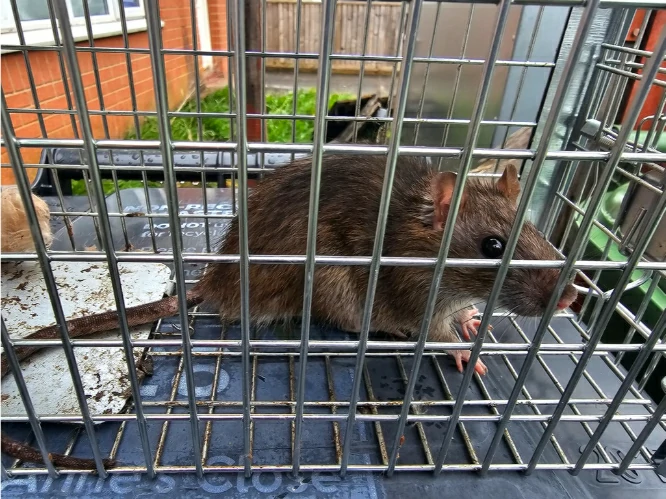
You set a trap to catch a rat, and when you check it later, the bait is gone but there’s no rat inside. This frustrating situation makes you wonder if rats are smart enough to escape from traps, or if you’re just not setting them correctly. Can a rat get out of a trap?
Whether a rat can escape depends on the type of trap. Rats can’t escape properly set snap traps or glue traps, but they can escape from some live-catch traps if the door mechanism isn’t secure or if the trap is too small. Rats can also steal bait from poorly positioned traps without getting caught.
The key word here is “properly set.” A trap that’s set correctly and is the right type for rats will hold them securely. But if the trap is old, damaged, or not designed for rats, escape is definitely possible.
Types of Rat Traps and Their Escape Potential
Snap traps can’t be escaped once they’re triggered correctly. The metal bar comes down fast enough that rats can’t pull away, and once caught, they can’t get free. However, if the trap doesn’t snap completely shut (maybe because it hit something else first), a rat might escape injured but alive.
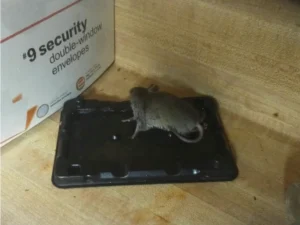
Glue traps hold rats stuck to their surface, and rats can’t escape these on their own. They might pull and struggle, but the adhesive is too strong. The trap might slide across the floor as the rat struggles, but the rat stays stuck.
Live-catch traps (also called cage traps or box traps) have doors that close behind the rat when it enters. Some cheaper models have weak door mechanisms that a strong rat might be able to push open, especially if the rat isn’t very far inside the trap.
Electric traps kill rats with a high-voltage shock. If the trap works properly, the rat dies quickly and there’s no chance of escape. But if the battery is low or the rat doesn’t make good contact with the plates, it might survive and escape.
How Rats Steal Bait Without Getting Caught
Rats are really good at testing traps carefully before committing fully. They might reach in with just their paw to grab bait, especially if the bait isn’t secured properly to the trap’s trigger plate.
If you’re using food that’s easy to grab and pull (like a piece of cheese just sitting on the trap), rats can often snatch it without putting enough weight on the trigger to set off the trap.

Rats can also approach from angles where the trap is less sensitive. Some snap traps have “safe zones” along the edges where a rat can reach the bait without triggering the mechanism.
Young rats that are smaller and lighter might not weigh enough to trigger some traps, especially older traps with stiff springs or triggers that need adjustment.
Problems With Worn Out or Damaged Traps
Old snap traps can lose their sensitivity over time. The spring might weaken, or the trigger mechanism can get bent or corroded. These traps might not snap shut when a rat takes the bait.
Glue traps lose their stickiness with age, especially if they’re exposed to dust, humidity, or temperature extremes. An old glue trap might not hold a rat securely.
Live-catch traps with broken or bent door mechanisms won’t hold rats even if they enter the trap. The door might not close fully or might be easy for a rat to push back open.
Traps that are the wrong size are a problem too. Traps made for mice are too small and weak to hold rats effectively. The snap might not be strong enough, or the rat might be able to break the trap.
Why Proper Bait Placement Matters
The bait needs to be positioned so the rat has to step on the trigger plate to reach it. This usually means putting the bait at the back of a snap trap, not on the edge near the trigger.
Securing the bait to the trap makes it harder for rats to steal. Tie bait down with thread or wire, or use sticky baits like peanut butter that can’t be grabbed quickly.

For snap traps, some people use a little peanut butter smeared directly on the trigger plate. This forces the rat to lick at the trigger itself, which almost always sets off the trap.
In live-catch traps, put bait at the very back of the trap, past the trigger plate. This ensures the rat has to go all the way inside and step on the trigger, which closes the door behind it.
How Rats Learn to Avoid Traps
Rats are smart and can learn from experience. If a rat has a close call with a trap (maybe it felt the trap move but didn’t get caught), it might avoid that type of trap in the future.
Rats also learn from watching other rats. If one rat in a colony gets caught in a trap, other rats in the area might become trap-shy and avoid all traps for a while.
This is called “trap wariness” and it’s a real challenge when you’re trying to catch rats. You might catch one or two rats easily, then find that the rest of the population avoids your traps completely.
Changing trap types, locations, and bait can help overcome trap wariness. If rats are avoiding snap traps, try a live-catch trap, or vice versa.
Can Rats Escape Live-Catch Traps?
If the door mechanism is secure and working properly, rats usually can’t escape live-catch traps. But there are several ways these traps can fail.
Cheap traps with flimsy doors can be pushed open by a strong, desperate rat. If the door just rests in place without a secure latch, a rat might work it open.

If the trap is too small for the rat, the door might not close fully. Part of the rat might block the door from shutting completely, leaving a gap the rat can use to escape.
Some traps have weak springs that hold the door closed. A heavy rat might be able to shake or push the door hard enough to defeat a weak spring.
If the trap isn’t level when you set it, the door might not function correctly. Doors on these traps rely on gravity and proper balance to close and stay closed.
What to Do If Rats Keep Escaping Your Traps
First, check that you’re using the right size and type of trap for rats, not mice. Rat traps need to be bigger and stronger than mouse traps.
Inspect your traps for damage. Bent parts, rusty springs, or cracked plastic can all cause traps to fail. Replace damaged traps.
Make sure you’re setting the traps correctly. Read the instructions again, and watch videos online if you need help. Many people don’t realize there’s a specific technique to setting traps properly.

Secure your bait so it can’t be stolen without triggering the trap. Use peanut butter, tie solid bait down, or place it in a way that forces the rat to fully engage with the trap.
Try different trap locations. Rats travel along walls and in corners, so place traps perpendicular to walls with the trigger end facing the wall. This puts the trap directly in the rat’s path.
The Problem With Glue Traps and Escape
Rats usually can’t escape glue traps on their own, but there are situations where it can happen. If the glue trap is old or has been exposed to moisture, it might not be sticky enough to hold a rat.
If only part of the rat gets stuck (like just one paw), a really determined rat might chew off its own foot to escape. This is rare but it does happen.
Small, lightweight rats might be able to pull free from glue if they only touch it briefly and don’t get their belly or multiple paws stuck.
Glue traps work better for rats when you use multiple traps arranged in a row or grid. This makes it much harder for a rat to jump over or avoid them, and increases the chances of the rat getting well stuck.
Why Snap Traps Sometimes Don’t Hold Rats
If a snap trap hits something other than the rat (like a wall or a piece of furniture), it might not close on the rat properly. Place traps in open areas where nothing will interfere with the snapping mechanism.
Some snap traps have a weak snap force. You want a trap designed specifically for rats, with a strong spring that will kill quickly and hold the rat securely.

If you set the trap too sensitively, it might snap before the rat is fully positioned over it. The rat could jump back before the bar comes down. Conversely, if it’s not sensitive enough, the rat might take the bait without triggering the trap at all.
The rat might be caught but not killed instantly. An injured rat can sometimes drag a snap trap a short distance before dying. This isn’t really an escape, but it can look like one if the trap and rat aren’t where you left them.
Tips for Setting Traps That Rats Can’t Escape
Use fresh traps or well-maintained traps that you know work properly. Test snap traps before setting them to make sure they snap with good force.
Position traps carefully along walls where rats travel. Rats prefer to run along edges rather than across open spaces.

Use multiple traps in areas where you’ve seen rat activity. Rats might avoid the first trap but run into the second or third one.
Don’t use too much bait. A small amount is actually better because it forces the rat to work harder to get it, which means more engagement with the trap mechanism.
Check traps at least once a day. A caught rat might damage the trap as it struggles, and you want to reset or replace traps as soon as possible after a catch.
Electronic Traps and Escape Risks
Electronic rat traps usually kill quickly and reliably if they’re working properly. Rats can’t escape once they’re inside and the shock is delivered.
The main failure point is battery power. If the batteries are weak, the shock might not be strong enough to kill the rat. It might stun the rat instead, giving it time to escape.
Some electronic traps have sensors that detect when a rat is inside. If the sensor fails or if the rat doesn’t trigger it properly, the trap won’t activate and the rat can just walk out.
Make sure the trap is clean and the metal plates that deliver the shock are free of debris. If the rat doesn’t make good contact with the plates, it might not receive a lethal shock.
What Happens When a Rat Escapes Injured?
A rat that escapes injured from a trap will usually hide and try to recover. It might die from its injuries even though it got away.
Injured rats become very cautious and are much harder to catch with the same type of trap. They’ll associate that trap type with danger and avoid it completely.

If you find blood or fur in or near a trap but no rat, there’s a good chance the rat was injured but escaped. You might find its body later in a hidden spot, or it might recover and continue causing problems.
This is why using the right trap and setting it correctly the first time is so important. A failed trap attempt makes your rat problem harder to solve.
Special Considerations for Smart Rats
Some rats are just smarter or more cautious than others. They’ll test traps, steal bait carefully, and generally be harder to catch than average rats.
For these smart rats, try pre-baiting the trap. Put bait on an unset trap for a few days, letting the rat eat freely without danger. Once the rat is comfortable with the trap, set it and reload with bait.
You can also try different bait. If a rat has been avoiding traps baited with peanut butter, try something different like nuts, dried fruit, or even cotton balls (which rats like to use for nesting material).
Sometimes the best approach with a smart rat is to use a professional pest control service. They have experience dealing with trap-wise rats and access to tools and techniques that homeowners don’t.
The Role of Trap Maintenance
Clean your traps after each catch. Rats can smell death on a trap, and while some rats are attracted to this smell, others are repelled by it.
Oil the moving parts of snap traps occasionally to keep them working smoothly. But don’t use so much oil that it gets on the trigger plate or makes the trap slippery.
Replace old traps regularly. Traps are relatively cheap, and a new trap that works perfectly is worth more than several old traps that might fail.
Store unused traps in a clean, dry place. Don’t leave them sitting outside or in damp areas where they’ll rust or degrade.
Why Multiple Traps Work Better Than Single Traps
Using multiple traps increases your chances of catching rats simply because there are more opportunities for a rat to encounter a trap.

It also helps with smart or cautious rats that might avoid or successfully steal from some traps but get caught by others.
Place traps in different locations and use different trap types. This covers more of the rats’ territory and doesn’t give them a chance to learn how to defeat just one type of trap.
Having backup traps ready means you can quickly replace traps that have caught rats or that have been tripped without catching anything.
When Professional Trapping Is Worth Considering
If you’ve tried multiple trap types and techniques but rats keep escaping or avoiding your traps, it might be time for professional help.
Pest control professionals have commercial-grade traps that are often better quality than consumer traps. They also know exactly how to position and bait them for maximum effectiveness.
Professionals can identify why your traps are failing. They might spot problems with your technique or your trap placement that you didn’t notice.
If you have a large rat infestation, DIY trapping might not be enough. Professionals can deploy many traps at once and have strategies for dealing with whole colonies of rats.
Conclusion
Rats generally can’t escape from properly set snap traps or glue traps, but they can escape from live-catch traps with weak door mechanisms or traps that are damaged or worn out. The more common problem isn’t rats escaping after being caught, but rats stealing bait without getting caught in the first place.
The key to successful rat trapping is using the right type and size of trap, setting it correctly, securing the bait properly, and placing it where rats actually travel. Check and maintain your traps regularly, and don’t be afraid to try different approaches if rats keep avoiding your current setup.
If rats continue to escape or avoid your traps despite your best efforts, it might indicate a larger problem that requires professional pest control help. Smart, experienced rats can be incredibly difficult to catch, and sometimes expert knowledge and commercial-grade equipment make all the difference.

Hi, my name is Ezra Mushala, i have been interested animals all my life. I am the main author and editor here at snakeinformer.com.