
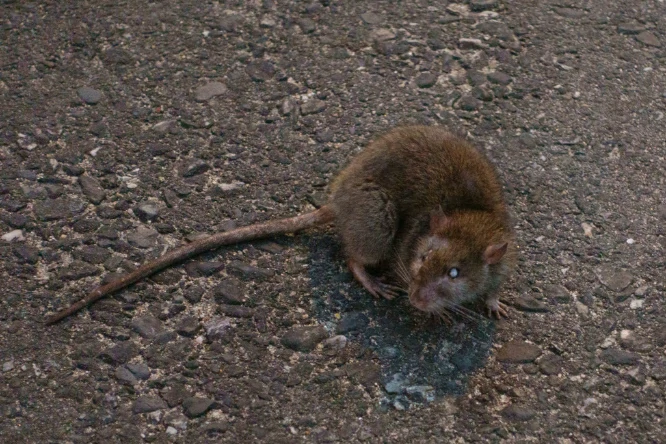
If you’ve got a rat problem on your property, you might be looking for a natural solution that doesn’t involve poison or traps. Dogs have been used for rat control for hundreds of years, and some breeds are way better at it than others. But what’s the best dog breed for catching rats?
The Rat Terrier is widely considered the best dog breed for catching rats. This breed was specifically developed for rat control and can kill dozens of rats in just minutes. Other excellent rat-catching breeds include the Jack Russell Terrier, Yorkshire Terrier, and Miniature Pinscher.
These breeds aren’t just good at catching rats by accident. They were actually bred for this specific job, with the right size, speed, and hunting drive to track down and kill rats quickly and efficiently.
Why Terriers Are the Best Rat Catchers
Terriers as a group are the go-to dogs for rat control, and there’s a really good reason for that.
These dogs were originally bred in England and Scotland specifically to hunt vermin. The name “terrier” actually comes from the Latin word “terra,” which means earth. This is because these dogs would dig into the ground to chase rats, badgers, and foxes out of their burrows.

Terriers have a high prey drive. This means they’re naturally wired to chase, catch, and kill small animals. When a terrier sees a rat, something clicks in their brain, and they go into full hunting mode.
They’re also the right size for the job. Most terriers are small to medium-sized, which means they can get into tight spaces where rats like to hide. But they’re not so small that they can’t handle a large rat.
Their jaw strength is impressive for their size. A terrier can deliver a killing bite quickly, which is important when you’re dealing with multiple rats or larger Norway rats that can fight back.
The Rat Terrier: Built for the Job
The Rat Terrier wasn’t given that name by accident. This breed was specifically developed in the United States for one main purpose: killing rats.
These dogs are incredibly fast and agile. They can change direction in an instant, which is super important when chasing rats that dart around unpredictably.
Rat Terriers have an amazing work ethic. They don’t get tired easily and can keep hunting for hours if needed. There are historical records of Rat Terriers killing over 2,000 rats in a single day during barn infestations.
Their size varies from about 10 to 25 pounds, which gives you options depending on your needs. Smaller Rat Terriers are better for getting into really tight spaces, while larger ones can handle bigger rats more easily.
They’re also really smart dogs. They can figure out where rats are hiding and work out the best strategy to catch them. You don’t have to train them much for rat catching because it comes naturally to them.
Jack Russell Terriers: Small but Fierce
Jack Russell Terriers are another top choice for rat control, and they pack a lot of hunting power into a small package.
These dogs weigh between 13 to 17 pounds, but they’ve got the courage and determination of a much bigger dog. They’re fearless when it comes to confronting rats, even large ones.
Jack Russells are incredibly energetic. They can work all day without slowing down, which makes them perfect for properties with serious rat problems.
Their digging ability is outstanding. If a rat runs into a hole or burrow, a Jack Russell will dig it out. This instinct makes them more effective than breeds that give up once the rat goes underground.
One thing to know about Jack Russells is that they’re very independent. They’ll often hunt on their own without waiting for your commands. This can be good for rat control, but it also means you need a secure fence because they’ll chase rats wherever they lead.
Yorkshire Terriers: Don’t Let the Size Fool You
Yorkshire Terriers might look like lap dogs today, but they were originally bred to catch rats in clothing mills and mines.
These little dogs only weigh about 4 to 7 pounds, but they’ve still got strong hunting instincts. They’re particularly good at catching smaller rats and mice.
Yorkies are quick and nimble. They can get into spaces that larger dogs can’t reach, like behind appliances, under decks, and in crawl spaces.
Their small size also means they won’t accidentally damage your property while hunting. A bigger dog might knock things over or dig up your garden, but a Yorkie can hunt rats without causing much mess.
However, Yorkies aren’t the best choice if you’re dealing with large Norway rats. These bigger rats can actually injure a small Yorkie, so they’re better suited for smaller rat species or for working alongside a larger dog.
Miniature Pinschers: The King of Toys
Miniature Pinschers, or Min Pins, are often mistaken for tiny Dobermans, but they’re actually a much older breed that was developed for rat catching.
These dogs stand about 10 to 12.5 inches tall and weigh 8 to 10 pounds. They’re bigger than Yorkies but smaller than most terriers, which puts them in a good middle range for rat control.
Min Pins are incredibly alert and aware of their surroundings. They’ll notice a rat’s presence before you do, often picking up on sounds and smells that humans can’t detect.
Their speed is impressive for such a small dog. They can sprint after rats and make quick turns without losing momentum.
Min Pins also have a strong territorial instinct. Once they consider your property their territory, they’ll actively patrol it looking for intruders, including rats.
Other Good Rat-Catching Breeds
While terriers dominate the rat-catching world, there are other breeds worth considering.
Dachshunds were originally bred to hunt badgers, but they’re also excellent at catching rats. Their long, low bodies allow them to follow rats into burrows and tight spaces. Standard Dachshunds (16 to 32 pounds) are better for larger rats, while Miniature Dachshunds (11 pounds or less) work well for smaller infestations.

Cairn Terriers are another solid choice. These dogs weigh about 13 to 14 pounds and were bred in Scotland to hunt rats and other vermin among the rocky cairns. They’re tough, determined, and can work in harsh weather conditions.
Schnauzers, particularly Miniature Schnauzers, were used on German farms for rat control. They’re smart, trainable, and have good stamina for long hunting sessions.
Border Terriers are working terriers that were bred to hunt foxes and rats in the border region between England and Scotland. They’re about 11.5 to 15.5 pounds and have the endurance to work all day.
What Makes a Dog Good at Catching Rats?
Not every dog can be an effective rat catcher, even within breeds known for hunting. There are specific traits that separate good rat dogs from average ones.
High prey drive is the most important factor. A dog needs to have that instinctive desire to chase and catch small animals. You can’t really train this into a dog; it’s either there or it isn’t.
Quick reflexes are critical. Rats are fast and can change direction instantly. A good rat dog needs to be able to react just as quickly.
The right size matters more than you might think. Dogs that are too large can’t get into the spaces where rats hide. Dogs that are too small might not be able to handle larger rats safely.
Courage is essential. Some rats, especially cornered Norway rats, will fight back. A good rat dog doesn’t hesitate or back down when a rat shows aggression.
Stamina keeps a dog working. Rat control often requires hours of hunting, digging, and chasing. Dogs that tire easily won’t be effective.
How Rat Dogs Work
Understanding how these dogs actually catch rats can help you know what to expect if you get one for pest control.
Most rat dogs use their nose first. They can smell rat urine, droppings, and the rats themselves. This helps them locate nests and activity areas even when rats aren’t visible.
Once they’ve located rats, the dogs will often watch and wait. Experienced rat dogs learn rat behavior patterns and will position themselves near escape routes.
When a rat appears, the chase is usually very short. These dogs accelerate incredibly fast and can catch rats within just a few feet.
The kill is quick. Most rat-catching breeds use a rapid bite and shake motion that breaks the rat’s neck or spine instantly. This is more humane than poison, which causes slow death, and more effective than traps, which rats can learn to avoid.
After killing a rat, good rat dogs will often drop it and immediately start looking for the next one. They’re not interested in eating rats; they just want to hunt them.
Training Your Dog for Rat Catching
Even dogs from rat-catching breeds can benefit from some training and exposure to make them more effective hunters.
Early socialization with rats (in safe, controlled settings) can help. Some breeders will introduce puppies to dead rats or rats in cages so they learn to recognize the scent and sight of their prey.
Never use punishment when training a rat dog. These dogs need to associate rat hunting with positive experiences. Praise them enthusiastically whenever they show interest in rats or successfully catch one.
Start young if possible. Puppies as young as 8 to 12 weeks can begin learning about rats, though they shouldn’t actually hunt live rats until they’re older and bigger.
Let experienced dogs teach young ones. If you have an older rat dog, letting a puppy watch and learn from them is incredibly effective.
Keep sessions short and exciting at first. You want your dog to stay enthusiastic about rat hunting, not get bored or overwhelmed.
Safety Considerations
Using dogs for rat control is generally safe, but there are some things you need to watch out for.
Rat bites can happen, especially with larger Norway rats. Most rat dogs are quick enough to avoid bites, but it’s still possible. Make sure your dog’s rabies vaccination is up to date since rats can carry the disease.

Leptospirosis is a bacterial disease that rats carry in their urine. Dogs can catch it if they come in contact with rat urine or contaminated water. There’s a vaccine for this, and it’s really important to get it if your dog will be hunting rats.
Rat poison is a serious danger. If you’re using dogs for rat control, you can’t use poison at the same time. Dogs can get poisoned by eating poisoned rats or by directly consuming rat bait.
Parasites like fleas, ticks, and worms are common in rats. Keep your rat dog on regular parasite prevention medication.
Physical injuries can occur when dogs chase rats into dangerous areas or when digging. Check your dog regularly for cuts, scrapes, and puncture wounds.
Do Rat Dogs Make Good Pets?
You might be wondering if a rat-catching breed can also be a good family pet, and the answer is usually yes, but with some considerations.
Most rat-catching breeds are affectionate and loyal to their families. Rat Terriers, Jack Russells, and Min Pins can all be great companions.
They need a lot of exercise and mental stimulation. These are working dogs with high energy levels. If you don’t give them enough activity, they can become destructive or develop behavior problems.
They might not be great with other small pets. A dog with a high prey drive might see your hamster, guinea pig, or rabbit as something to hunt. Careful introduction and supervision are essential.
They can be stubborn and independent. These dogs were bred to work on their own, making their own decisions. This means training can sometimes be challenging.
They’re usually good with children, but young kids need to be taught to respect the dog’s space. These breeds can be snappy if they’re bothered while resting or eating.
Professional Rat Hunting vs. Pet Ownership
There’s a difference between getting a dog primarily for rat control versus getting a pet that also happens to catch rats.
Professional rat dogs are usually kept specifically for working. They’re trained intensively and work regularly. These dogs might not have the same temperament as family pets because they’re bred and raised specifically for hunting performance.
Pet rat catchers are dogs that live as family members but also help with rat control when needed. This is actually the more common situation for most people.
If you’re dealing with a serious rat infestation, you might want to hire a professional with trained rat dogs rather than trying to handle it yourself. Some pest control companies and farms keep working terriers specifically for rat control jobs.
For ongoing rat prevention on your property, a pet from a rat-catching breed can be perfect. They’ll naturally patrol your yard and discourage rats from setting up nests.
Alternatives to Dogs for Rat Control
While dogs are excellent for rat control, they’re not the only option, and they’re not right for everyone.
Cats can be good rat catchers, though they’re generally less effective than dogs. Cats are better at catching mice than rats, and many domestic cats won’t take on larger rats.

Traps are the most common method for homeowners. Snap traps, live traps, and electronic traps can all work, but rats are smart and can learn to avoid them.
Poison is effective but has serious downsides. It causes slow, painful death for rats, can poison pets and wildlife, and dead rats often die in walls where they create horrible smells.
Professional exterminators use a combination of methods and can be really effective, but they’re an ongoing expense.
Prevention is always better than control. Sealing entry points, removing food sources, and keeping your property clean can reduce rat problems significantly.
How Much Does a Rat-Catching Dog Cost?
If you’re thinking about getting a dog for rat control, you should know what to expect financially.
Purchase price varies widely. A Rat Terrier puppy from a breeder focused on working lines might cost $300 to $800. Show-quality dogs or dogs from champion hunting lines can cost $1,000 to $2,000 or more.
Adoption is a cheaper option. You can sometimes find terrier breeds at shelters and rescues for $50 to $300, including spay/neuter and initial vaccinations.
Ongoing costs include food, veterinary care, vaccinations, parasite prevention, and licensing. Expect to spend at least $500 to $1,000 per year, more if health issues come up.
Training costs are minimal since rat-catching usually comes naturally to these breeds. If you want formal obedience training, group classes usually cost $100 to $300.
Equipment needs are basic. You’ll need a collar, leash, food and water bowls, and a secure fence if you want your dog to patrol for rats independently.
Conclusion
The Rat Terrier is the best dog breed for catching rats, but Jack Russell Terriers, Yorkshire Terriers, and Miniature Pinschers are all excellent choices too.
These breeds were specifically developed for rat control and have the right combination of size, speed, prey drive, and determination to be effective hunters.
If you’re dealing with rats on your property, a good rat dog can be way more effective than traps or poison. They’re faster, more thorough, and they actually prevent future infestations by making your property less attractive to rats.
Just remember that these are high-energy dogs that need lots of exercise and mental stimulation. They’re not lazy lap dogs (even if some of them are small enough to fit in your lap).
Choose a breed that fits your lifestyle and property size. A small Yorkie might be perfect for a city apartment, while a standard Rat Terrier might be better for a farm or large suburban yard.
With the right dog and proper care, you can have both an effective rat control solution and a loyal, entertaining companion.

Hi, my name is Ezra Mushala, i have been interested animals all my life. I am the main author and editor here at snakeinformer.com.