
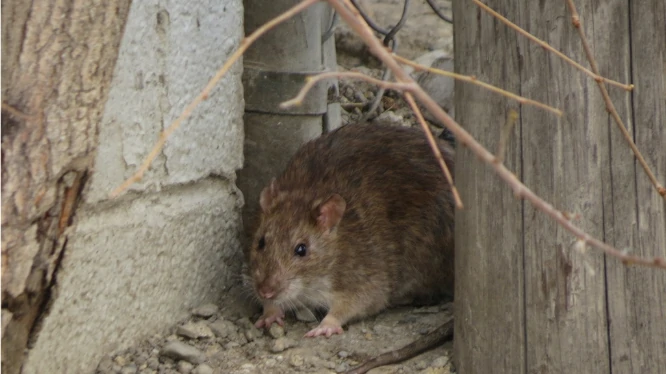
If you’ve ever accidentally stepped on your rat’s tail or given them medicine they didn’t like, you might have noticed some interesting behavior afterward. Maybe they avoided you for a while, nipped at you, or seemed to “punish” you in some way.
This has led many rat owners to wonder if their pets are actually holding grudges. But are rats vengeful?
Rats aren’t truly vengeful in the way humans understand revenge. They don’t plot payback or hold long-term grudges. However, rats have excellent memories and can associate people or situations with negative experiences. If you hurt or scare a rat, they might avoid you or act defensively around you until they learn to trust you again.
What looks like revenge is actually just a rat protecting themselves based on past experiences. They’re smart enough to remember what happened and react accordingly, but they’re not sitting around planning how to get back at you.
How Rat Memory Actually Works
Rats have surprisingly good memories for small animals. Studies show they can remember solutions to mazes and puzzles for months after learning them.
When it comes to people, rats can definitely remember who did what to them. If you’re the person who gives them treats and cuddles, they’ll get excited when they see you.

But if you’re the person who accidentally hurt them or took them to the vet for a scary procedure, they might be more cautious around you for a while. This isn’t revenge, it’s just smart survival behavior.
Wild rats use this same memory system to remember which areas are dangerous and which food sources made them sick. It’s kept them alive as a species for thousands of years.
What Looks Like Revenge But Isn’t
Let’s say you accidentally step on your rat’s foot. The next time you reach for them, they bite your finger. This might look like revenge, but it’s actually just fear or defensive behavior.
Your rat isn’t thinking “that human hurt me, so I’m going to hurt them back.” They’re thinking “that human hurt me before, so I need to protect myself this time.”

The behavior looks the same to us, but the motivation is completely different. One is emotional payback, the other is self-preservation.
Some rats will also test boundaries after a negative experience. They might nip or act out to see if you’re still safe to be around.
The Difference Between Revenge and Learned Behavior
True revenge requires planning and the desire to cause harm in return for harm done. That’s a pretty complex thought process that requires understanding the other person’s perspective.
What rats do is called associative learning. They link certain people, places, or actions with good or bad outcomes, then adjust their behavior based on those links.

If every time you see a person they give you a painful injection, you’d probably start getting nervous when that person walks into the room. That’s not revenge, that’s just your brain protecting you.
Rats work the same way. They’re not being spiteful, they’re being cautious based on what they’ve learned.
Why People Think Rats Are Vengeful
Rats are smart and expressive animals, which sometimes makes their behavior seem more intentional than it really is. When a rat acts differently toward you after something bad happened, it’s easy to interpret that as a grudge.
Social media and stories from other rat owners can also make this idea stronger. Someone posts about their rat “getting revenge” and suddenly everyone’s looking at their own rats’ behavior through that lens.
Rats also have distinct personalities. Some rats are more sensitive and reactive than others, which can make it seem like they’re more prone to holding grudges.
But really, what you’re seeing is just how different rats process and respond to negative experiences based on their individual temperament.
How Long Rats Remember Negative Experiences
The length of time a rat “remembers” something negative depends on how traumatic the experience was and how often it gets reinforced.
A minor scare might be forgotten within hours or days, especially if you follow it up with positive interactions. Your rat will quickly relearn that you’re safe.
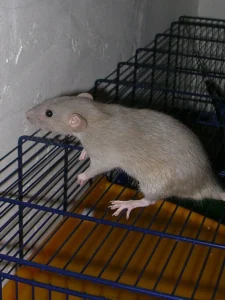
A seriously painful or frightening experience might stick in their memory for weeks or even months. If you hurt a rat badly enough, they might never fully trust you the same way again.
Repeated negative experiences create stronger, longer-lasting memories. If you have to give your rat medicine every day for two weeks, they’re going to remember you as “the medicine person” for quite a while after treatment ends.
Rebuilding Trust After a Negative Experience
If your rat seems to be “holding a grudge” against you, the good news is you can almost always fix the relationship. It just takes time and patience.
Start by giving your rat space. Don’t force interactions if they’re avoiding you. Let them come to you on their own terms.
Use high-value treats to create new positive associations. Offer their favorite foods from your hand (through the cage bars if they won’t come near you otherwise).
Keep your movements slow and predictable around them. Sudden movements can reinforce the idea that you’re dangerous.
Talk to them in a soft, calm voice. Even though they don’t understand words, they can pick up on the tone and it helps them relax.
Rats and Social Punishment Behavior
Here’s where things get interesting. While rats don’t do revenge against humans, they do show something similar with other rats.
Studies have shown that rats will refuse to help rats who didn’t help them in the past. If Rat A doesn’t share food with Rat B, Rat B is less likely to help Rat A later.
This is called reciprocal altruism, and it’s a form of social punishment. But even this isn’t really revenge in the emotional sense. It’s more like “I only help rats who help me.”
This behavior shows rats understand fairness on some level. They keep track of who’s a good group member and who isn’t.
Why Some Rats Seem More “Vengeful” Than Others
Rat personalities vary widely. Some rats are naturally more anxious and reactive, while others are laid-back and forgiving.
An anxious rat might avoid you for days after you accidentally hurt them. A confident rat might be cautious for an hour and then be back to normal.

Age can play a role too. Older rats who’ve had more life experiences might be more wary, while young rats are often more resilient and bounce back quickly from negative experiences.
How well socialized a rat was as a baby also matters. Rats who were handled gently from a young age tend to be more trusting and forgiving of mistakes.
The Nipping and Biting Confusion
Sometimes people think their rat is being vengeful when really the rat is just communicating. Rats use their teeth to send messages, not just to attack.
A gentle nip might mean “I don’t like this, please stop.” A harder bite might mean “I’m scared and I need you to back off right now.”
If you’re doing something your rat doesn’t like and they nip you, then you keep doing it and they bite harder, that’s not revenge. That’s escalating communication because you ignored the first warning.
Rats can’t talk, so they use body language and teeth to get their point across. Learning to read these signals prevents what looks like vengeful behavior.
Medical Procedures and “Revenge” Behavior
One of the most common times people think their rat is being vengeful is after vet visits or medical treatments. Your rat was fine before, now they hate you. What happened?
From your rat’s perspective, you took them somewhere scary, held them down, and let a stranger poke and prod them. They might have felt pain or serious fear.
Your rat doesn’t understand that the vet visit was to help them. All they know is that you were involved in something unpleasant.
This can create a temporary breakdown in trust. Your rat isn’t plotting revenge, they’re just scared that you might take them back to that scary place again.
The fix is consistency. Keep up your normal routine, offer treats, and show them that most of your interactions are still positive and safe.
Comparing Rat Intelligence to Other Animals
To understand if rats can truly be vengeful, it helps to compare them to other animals. Crows, for example, have been shown to remember people who wronged them and even tell other crows about those people.
Elephants are famous for their long memories and there are documented cases of elephants seemingly seeking out people who hurt them years earlier.
Rats fall somewhere in the middle. They’re smarter than hamsters or mice, but they don’t have the same level of complex social reasoning as crows or elephants.

Their memory and learning abilities are impressive for their size, but true revenge requires a level of theory of mind (understanding what others are thinking) that rats probably don’t have.
Body Language Signs of a Scared or Defensive Rat
If your rat seems vengeful, they’re probably actually scared or defensive. Here’s how to tell the difference between a relaxed rat and one who’s on guard:
A scared rat will have their fur slightly puffed up, ears back against their head, and eyes wide open. They might freeze in place or try to back away from you.
A defensive rat ready to bite will often stand on their hind legs, face you directly, and might show their teeth. Some rats also make a hissing or huffing sound.
Compare this to a happy rat who has sleek fur, ears pointed forward, and moves toward you willingly. The body language tells you everything about their emotional state.
The Role of Scent in Rat Behavior
Rats rely heavily on smell to understand their world. If you smell different (new soap, perfume, food on your hands), your rat might react differently to you.
After a vet visit, your rat might smell like the vet clinic for a while. Other rats in your group might react negatively to them because they smell “wrong.”
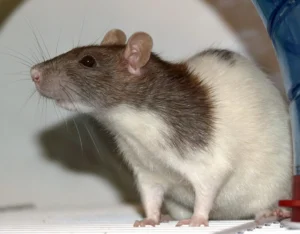
If you handled another animal and then try to interact with your rat, they might smell the other animal on you and act defensive or scared.
This can look like vengeful behavior, but it’s really just confusion or caution based on unfamiliar scents. Washing your hands before handling your rats can prevent a lot of these issues.
Stress and Its Effect on Rat Behavior
Sometimes what looks like a vengeful rat is actually just a stressed rat. Stress can make rats more reactive, nippy, and avoidant.
Sources of stress include:
- Changes in their environment (new cage, moved to different room)
- Loud noises or lots of activity
- Illness or pain
- Conflict with cage mates
- Not enough enrichment or attention
A stressed rat might seem like they’re mad at you, but really they’re just overwhelmed and on edge. Fixing the source of stress usually fixes the “attitude problem.”
Testing Whether Your Rat Is Actually Upset With You
If you think your rat is holding a grudge, try this experiment. Have someone else in your household interact with the rat while you watch.
If the rat is friendly and relaxed with the other person but tense and avoidant with you, that’s a sign they specifically associate you with something negative.

If the rat is tense and reactive with everyone, the problem probably isn’t you. They might be sick, in pain, or stressed about something in their environment.
This helps you figure out if you need to work on rebuilding trust or if you need to look for other causes of the behavior change.
How Rats Process Fear vs Anger
This is important to understand. When you look at rat brain structure and behavior, they clearly experience fear. Fear is a survival emotion that all animals have.
Anger in the way humans experience it (feeling wronged and wanting payback) is more complex. While rats can definitely be aggressive, it’s usually tied to specific triggers like defending territory or protecting babies.
What we interpret as a vengeful, angry rat is almost always a fearful, defensive rat. Fear is a much more likely explanation for their behavior than spite.
Positive Reinforcement and Forgiveness
The fastest way to “earn forgiveness” from a rat who seems upset with you is through positive reinforcement training. This means rewarding behavior you like and ignoring behavior you don’t.
Every time your rat takes a treat from you, that’s a small deposit in the trust bank. Every time you pet them and they don’t try to get away, that’s another deposit.
Be consistent with these positive interactions. Don’t skip days because you’re busy or frustrated. Rats need regular, predictable kindness to feel safe.
Over time, the positive experiences will outweigh the negative one, and your rat will go back to trusting you.
What Actual Rat Aggression Looks Like
Real aggression in rats is different from defensive or fearful behavior. Aggressive rats will seek out conflict rather than trying to avoid it.

An aggressive rat might chase you or other rats, puff up their fur to look bigger, and bite without warning. This is different from a scared rat who only bites when cornered.
True aggression is often hormonal (especially in unneutered males) or territorial. It’s not about getting revenge for something you did.
If your rat is showing real aggression rather than just defensive behavior, that’s a different problem that might need a vet visit to rule out pain or illness.
The Anthropomorphism Problem
Anthropomorphism means attributing human emotions and motivations to animals. It’s natural to do this, but it can lead us to misunderstand what our pets are actually feeling.
When we say a rat is “vengeful,” we’re applying a complex human emotion to an animal who likely doesn’t experience emotions that way.
Rats definitely feel things. They feel fear, happiness, stress, and probably basic forms of frustration. But plotting revenge requires a level of self-awareness and future planning that rats probably don’t have.
Understanding this helps you respond to your rat’s behavior more effectively. If you treat defensive behavior as revenge, you might react in ways that make the problem worse.
How Pain Affects Rat Behavior
A rat in pain might seem vengeful when really they’re just hurting. Pain makes any animal more reactive and defensive.
Common sources of hidden pain in rats include:
- Dental problems
- Respiratory infections
- Tumors (especially in older rats)
- Arthritis or joint pain
- Digestive issues
If your rat’s behavior changed suddenly and they seem “angry” at you, get them checked by a vet. Treating the pain often completely resolves the behavior problem.
Creating a Forgiving Environment
Your rat’s living environment can actually help them move past negative experiences faster. A enriched, comfortable environment reduces stress and helps rats feel safe.
Make sure their cage has:
- Plenty of hiding spots they can retreat to
- Soft bedding and hammocks
- Toys and things to chew on
- Clean water and fresh food always available
When rats feel secure in their home base, they’re more likely to be brave about interacting with you even after something scary happened.
Time and Consistency Are Key
The most important thing to remember is that time heals most trust issues with rats. As long as you keep showing up with gentle hands and tasty treats, your rat will eventually relax around you again.
Don’t give up if your rat seems mad at you for a few days or even weeks. Keep being kind and patient, and the relationship will repair itself.
Consistency matters more than grand gestures. Your rat doesn’t care about one amazing interaction if all your other interactions are unpredictable or scary.
Conclusion
Rats aren’t vengeful animals in the true sense of the word. They don’t hold grudges or plot payback when you wrong them.
What looks like revenge is actually just smart survival behavior. Your rat remembers what happened, associates you with that negative experience, and acts cautiously to protect themselves.
The good news is that with patience, positive reinforcement, and consistent gentle treatment, you can almost always rebuild trust with a rat who seems upset with you. Their “grudges” aren’t permanent, and they’re much more forgiving than people often think.

Hi, my name is Ezra Mushala, i have been interested animals all my life. I am the main author and editor here at snakeinformer.com.