
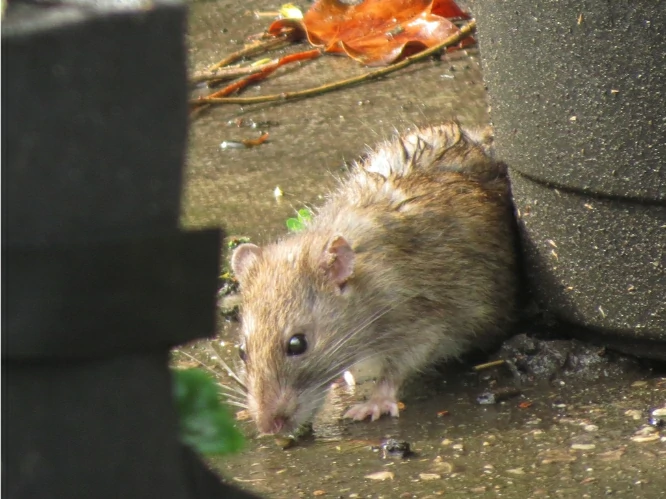
If you’ve ever kept rats as pets or dealt with a rat infestation, you’ve probably noticed something pretty gross: they pee everywhere. Unlike dogs or cats that can be house-trained, rats seem to just let loose wherever they happen to be.
Are rats incontinent? Can they actually control their bladder at all?
Rats are not actually incontinent, but they constantly dribble small amounts of urine as they move around. This isn’t a medical problem but rather a normal behavior they use to mark their territory, communicate with other rats, and navigate their environment.
Rats produce small droplets of urine continuously throughout the day and night. Male rats are especially bad about this, but females do it too.
This constant urination serves important purposes in their lives, even though it makes them messy and unhygienic to have around.
How Rat Urination Actually Works
Rats have bladders just like other mammals, and they can hold urine when they need to. However, they’ve evolved to release tiny amounts of urine almost constantly as they go about their daily activities.
When a rat walks, climbs, or explores, it leaves a trail of urine droplets behind. These drops are usually pretty small (just a few microliters each), but they add up over time.

Male rats produce more urine marks than females, sometimes leaving hundreds of marks in a single day. This is connected to their testosterone levels and gets worse when they’re around other males or when they smell female rats nearby.
The rat’s urinary system is built differently than animals that hold their urine for longer periods. Their bladder sphincter (the muscle that controls urine release) is less tightly controlled, making it easier for them to release small amounts without fully emptying their bladder.
This means rats can actually hold their urine when they need to (like when they’re sleeping or hiding), but they choose to release it in small amounts when they’re active.
Territory Marking Is the Main Reason
The biggest reason rats dribble urine everywhere is to mark their territory. In the wild, rats live in complex social groups with established territories, and urine marking helps them communicate ownership.
When a rat marks an area with urine, it’s basically saying “I was here” or “this belongs to me.” Other rats can smell these marks and understand who’s been in an area recently.
Male rats are especially aggressive about territory marking. A dominant male will mark much more frequently than subordinate males, sometimes urinating every few feet as he patrols his territory.
The urine contains pheromones (chemical signals) that tell other rats about the marking rat’s sex, age, social status, and reproductive condition. It’s like a complex messaging system that humans can’t detect but rats understand perfectly.
In homes or buildings where rats have moved in, you’ll often find urine trails along walls, pipes, and beams. Rats follow the same routes repeatedly, and they keep refreshing their urine marks on these pathways.
Fresh urine marks also help rats feel more secure in their environment. When they smell their own urine (or urine from their colony), they know they’re in familiar, safe territory.
Communication Through Urine
Rats don’t just mark territory with urine. They also use it to send specific messages to other rats in their area.
Female rats increase their urine marking when they’re ready to mate. The chemical signals in their urine tell male rats that they’re fertile and available. Male rats can detect these changes and will follow the urine trails to find the female.

When a rat is stressed or scared, the chemical composition of its urine changes. Other rats can smell this and know that there might be danger nearby. This helps the whole colony stay alert to threats.
Rats also use urine to mark food sources. If a rat finds good food, it might urinate near the location to help other rats from its colony find it later. However, they’re also careful not to contaminate the food itself.
Young rats learn about their environment partly through smelling urine marks left by adults. These marks help them understand safe routes, food locations, and areas to avoid.
The social hierarchy in a rat colony is partly maintained through urine marking. Dominant rats mark more frequently and in more locations, while subordinate rats may avoid marking in areas where dominant rats have recently been.
Navigation and Memory
Rats have pretty good memories and eyesight, but their sense of smell is their most important sense for getting around. Urine trails help them navigate, especially in dark or complex environments.
When a rat explores a new area, it leaves urine marks along its path. These marks help it retrace its steps and find its way back home. It’s like leaving breadcrumbs, except the breadcrumbs are pee.
Rats tend to follow walls and edges rather than crossing open spaces (this behavior is called thigmotaxis). They mark these wall-following routes heavily with urine, creating scent highways that other rats can follow.

In total darkness, rats can still navigate familiar areas by following their urine trails. The scent markers help them understand where they are even when they can’t see.
Pet rats do the same thing. If you let a pet rat explore a room, it’ll mark the whole area with tiny urine drops. The next time it explores that room, it’ll follow some of the same paths because it remembers the scent marks.
Even after you clean an area where rats have been, they can often still detect faint urine traces that humans can’t smell. This is why it’s so hard to keep rats from coming back to places they’ve marked before.
Male Rats Are Worse Than Females
Both male and female rats mark with urine, but males do it way more often. This difference is driven by hormones, specifically testosterone.
An intact (non-neutered) male rat might produce hundreds of urine marks per day. Neutered males mark less frequently but still do it more than females.
Male rats mark most heavily when they’re in the presence of other males or when they detect female pheromones. The competition for dominance and mating opportunities drives them to mark constantly.
Female rats increase their marking behavior when they’re in heat (which happens every 4 to 5 days), but their baseline marking rate is much lower than males. They’re more selective about where they mark.
If you neuter a male rat, it can reduce the marking behavior by 50% to 90%, but it doesn’t eliminate it completely. The rat will still mark for navigation and communication purposes.
In wild or feral rat populations, the most dominant male in an area will out-mark all the other males combined. This constant marking is exhausting but important for maintaining his position in the hierarchy.
Health and Hygiene Concerns
The fact that rats constantly dribble urine creates serious health and hygiene problems, especially when they’re living in human spaces.
Rat urine carries bacteria, viruses, and parasites that can make humans sick. Diseases like leptospirosis, hantavirus, and rat-bite fever can all spread through contact with rat urine.

When rats infest a building, their urine soaks into wood, insulation, drywall, and other materials. The smell becomes overwhelming, and the contamination can be really hard to clean up properly.
The urine also attracts more rats. New rats moving into an area can smell old urine marks and know that other rats have successfully lived there before. This makes infested buildings harder to keep rat-free even after you get rid of the current population.
For people with allergies or asthma, rat urine can trigger serious reactions. The proteins in dried rat urine become airborne and can cause respiratory problems.
Pet rats create hygiene challenges too. Even though they’re clean animals that groom themselves constantly, their cage and any area where they play will get covered in urine marks. You need to clean their living space frequently to prevent buildup.
Can Rats Be Trained Not to Mark?
This is a common question from people who keep rats as pets. The short answer is: not really.
You can’t train a rat to stop marking completely because it’s an instinctive behavior, not something they choose to do consciously. It’s like trying to train a dog not to wag its tail when it’s happy.
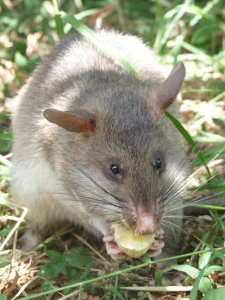
However, you can reduce marking behavior somewhat. Neutering male rats helps a lot. Keeping stress levels low also helps since stressed rats mark more frequently.
Some pet rats can be litter trained to urinate and defecate in a specific spot when they’re in their cage. But even litter-trained rats will still mark with small amounts of urine when they’re outside the cage exploring.
The best approach is to accept that rats will mark and plan accordingly. Use washable fleece liners in cages, put towels down in play areas, and wash your hands after handling them.
Some people find that female rats are easier to manage because they mark less. If urine marking really bothers you, rats might not be the best pet choice.
Why Wild Rats Mark More Than Pet Rats
Wild rats living in sewers, subways, and buildings tend to mark even more heavily than pet rats. This is because they face more competition and threats.
In the wild, rats deal with predators, rival colonies, and constant competition for resources. Heavy marking helps them establish and defend their territory against these threats.
Pet rats living in cages with familiar cage-mates don’t face the same pressures. They’re not competing for territory or mates, and they don’t need to worry about predators. This can reduce their marking somewhat.
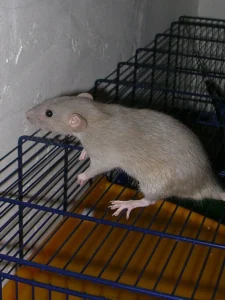
However, if you introduce a new rat to an established group, you’ll often see a huge increase in marking as the rats work out their social hierarchy and territory boundaries.
Wild rats also mark more when population density is high. In cities like New York where rats are everywhere, the constant presence of rival rats drives males to mark obsessively.
Female wild rats mark more during breeding season when they’re competing for the attention of dominant males. This seasonal variation is less noticeable in pet rats that live in stable environments.
The Evolutionary Advantage
From an evolutionary perspective, the ability to mark territory with urine has been really important for rat survival and success.
Rats evolved as ground-dwelling animals that lived in burrows and traveled through complex environments with limited visibility. Being able to mark and follow scent trails gave them a huge advantage for navigation.
The communication aspect also helped rats survive. Being able to signal danger, locate food, and coordinate with colony members improved the survival rate of the whole group.
For reproduction, urine marking helped male rats find fertile females and helped females signal their readiness to mate. This increased breeding success rates.
The fact that rats mark constantly (rather than just urinating when their bladder is full) means they can leave fresh marks throughout their territory multiple times per day. Fresh marks are more effective than old ones.
This behavior worked so well that it became hardwired into rat biology. Even pet rats that have been bred in captivity for hundreds of generations still mark just as much as wild rats.
Living With Incontinent Rats
If you have pet rats, you need to accept that incontinence is part of the package. Here are some ways to manage it better.
Clean their cage at least once or twice a week. Use absorbent bedding or fleece liners that you can wash regularly. The more absorbent the material, the less smell you’ll have.
When you let rats out to play, put down towels or washable blankets in their play area. This makes cleanup much easier than trying to clean urine off furniture or carpet.
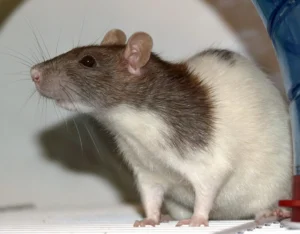
Wash your hands after handling rats every single time. The urine on their feet and fur can transfer to you, and you don’t want to spread bacteria around your home.
Keep male and female rats separated unless you want babies. The presence of females makes male rats mark even more heavily.
Consider neutering male rats if the marking becomes too much. Talk to a vet who has experience with rats, as the surgery does carry some risks.
Use enzyme-based cleaners designed for pet urine. Regular cleaners won’t fully break down the compounds in rat urine, and rats can still smell the marks even after you clean.
Conclusion
Rats are incontinent because constant urine marking is a normal, important part of their behavior. They use those tiny drops of pee to communicate, navigate, establish territory, and interact with other rats.
Male rats mark much more than females due to testosterone and competition for dominance. Neutering helps but doesn’t stop the behavior completely.
If you’re dealing with pet rats, accept that marking is part of life with these animals and plan your cleaning routine accordingly. If you’re dealing with wild rats in your home, understand that their urine marks are one reason why rat problems tend to persist even after you think you’ve gotten rid of them.
The incontinence isn’t a medical problem that can be fixed. It’s just how rats are built and how they’ve survived successfully for millions of years.

Hi, my name is Ezra Mushala, i have been interested animals all my life. I am the main author and editor here at snakeinformer.com.