
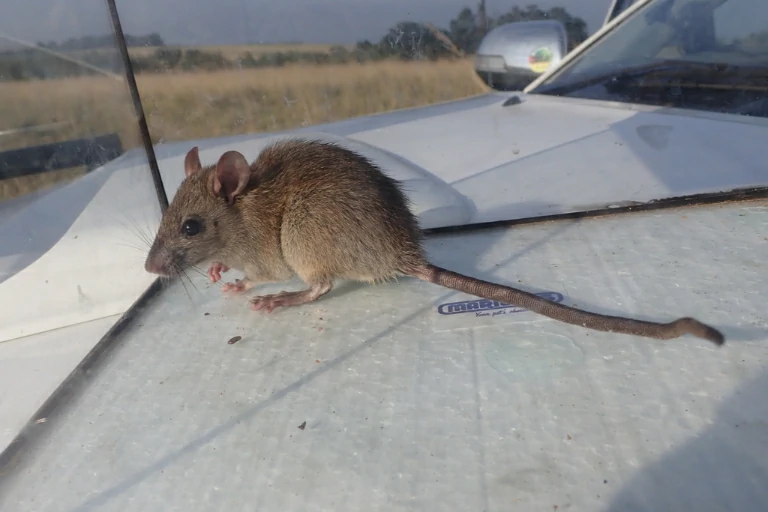
If you’ve ever found rats in your home, you might have noticed they seem to hang around electrical wires, outlets, or appliances. Maybe you’ve seen chewed electrical cords or found rat nests near your electrical panel. This pattern makes some people wonder if there’s something about electricity itself that draws rats in. Are rats actually attracted to electricity?
No, rats aren’t attracted to electricity itself. However, they’re drawn to the warmth that electrical equipment and wires produce, and they often chew on wires and cables because of their constant need to gnaw. Electrical areas also tend to provide the shelter and hidden pathways that rats look for when moving through buildings.
While rats don’t seek out electricity specifically, they end up around electrical systems a lot because these areas offer things rats do want: warmth, shelter, and convenient routes through your home.
Why Rats Are Found Near Electrical Systems
Rats end up around electrical wires and equipment for several practical reasons that have nothing to do with being attracted to the electricity itself.
Warmth is a big factor. Electrical equipment generates heat when it’s running. Things like motors, transformers, electrical panels, and even wires carrying current produce warmth. Rats are warm-blooded animals that seek out warm spots, especially in colder weather. A warm motor or electrical panel feels like a cozy spot to a rat.
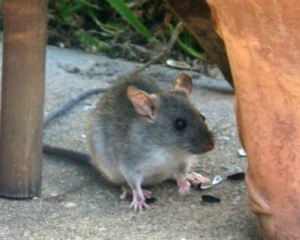
Wires and cables provide convenient travel routes through buildings. Electrical wiring runs through walls, attics, and crawl spaces, creating pathways that rats can follow. Rats prefer to move along edges and established routes rather than crossing open spaces, so wires give them ready-made highways through your home.
Electrical conduits and wire channels offer protection and concealment. When wires run through plastic or metal conduits, or when they’re bundled together, they create covered pathways where rats feel safe from predators. Rats are prey animals and prefer routes where they’re hidden from view.
The areas around electrical panels and junction boxes tend to be left alone by humans. These spots are often in basements, utility rooms, or closets that people don’t visit frequently. Rats prefer areas with less human activity, so these quiet electrical zones become attractive nesting spots.
Electrical systems often pass near or through wall voids, which are prime real estate for rats. When electricians install wiring, they drill holes through studs and run wires between walls. These same openings and spaces give rats access to move through your home’s structure.
Why Rats Chew on Electrical Wires
The real problem isn’t that rats are attracted to electricity, but that they chew on wires and cables constantly. This creates serious safety hazards and can damage your electrical systems.
Rats need to gnaw continuously because their front teeth never stop growing. If they don’t chew regularly, their incisors would grow too long for them to eat. They’ll chew on almost anything to keep their teeth worn down, including electrical wires.
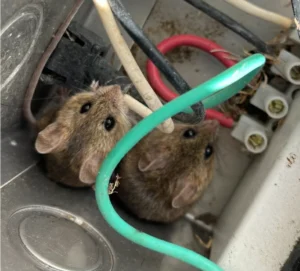
Wires are often the right size and texture for rats to grip and gnaw. The plastic or rubber coating on wires is soft enough to bite through but firm enough to provide good resistance. This makes wires satisfying for rats to chew on.
When rats find wires, they don’t know or care that there’s electricity running through them. They just see a chewable object. The plastic insulation around wires doesn’t conduct electricity, so rats can chew through the outer coating without getting shocked, at least initially.
Rats might also chew wires when they’re building nests or clearing pathways. If wires are blocking the route they want to take or if they need material for a nest, they’ll just chew through the obstacle.
The positioning of wires makes them easy targets. Wires often run along edges, baseboards, or through narrow spaces where rats travel. When a rat is moving along its regular route and encounters a wire, it might chew on it simply because it’s there.
The Dangers of Rats Chewing Electrical Wires
When rats chew through electrical wires, they create serious hazards for your home and family. This is one of the main reasons why having rats in your home is so dangerous.
Fire risk is the biggest concern. When rats chew through the insulation on electrical wires, they expose the live conductors inside. If these exposed wires touch each other or contact flammable materials like insulation or wood, they can spark and start a fire. According to various sources, rodents cause thousands of house fires every year.
Electrical shorts and damage to your home’s electrical system happen when rats chew through wires. This can knock out power to parts of your home, damage appliances, or trip circuit breakers repeatedly. You might not realize rats are the cause until an electrician investigates the problem.
Shock hazards become a risk when wires are damaged. If you or a family member touches an exposed wire that rats have chewed, you could get shocked. This is especially dangerous in wet areas like basements or if damaged wires are in walls where you might accidentally contact them during home repairs.
Expensive repairs are almost always necessary once rats have chewed through wiring. Fixing rat-damaged electrical systems isn’t cheap. Electricians need to find all the damaged wires, which might mean opening up walls, and then replace the damaged sections. This can cost hundreds or thousands of dollars depending on how extensive the damage is.
Your home insurance might not cover rat damage. Many insurance policies specifically exclude damage caused by rodents. This means if rats chew your wiring and cause a fire, you might have to pay for repairs out of pocket.
Signs That Rats Are Chewing Your Electrical Wires
You need to watch for warning signs that rats are damaging your electrical systems. Catching this early can prevent fires and major damage.
Flickering lights or power issues can indicate damaged wiring. If lights flicker for no apparent reason, or if outlets or circuits stop working suddenly, rats might have chewed through wires. This is especially likely if the problems affect just one area of your home.
Tripping circuit breakers repeatedly is another warning sign. If breakers keep tripping and you can’t figure out why, damaged wiring from rats could be causing short circuits.
Burn smells near outlets, switches, or electrical panels should alarm you. If you smell something burning but can’t identify the source, check for electrical damage. Rats might have exposed wires that are sparking or overheating.
Visible chew marks on exposed wires are obvious indicators. If you can see wires in your basement, garage, attic, or behind appliances, check them for gnaw marks. Fresh chew marks show rough, torn plastic or rubber coating with exposed wire underneath.
Finding bits of plastic or rubber insulation near wires means rats have been chewing there. Look for small shavings or pieces of wire coating on the floor or surfaces near electrical equipment.
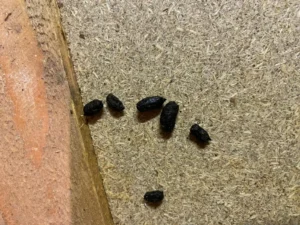
Droppings near electrical panels, junction boxes, or along wire runs show rat activity in those areas. Even if you don’t see chewed wires yet, finding droppings near electrical systems means rats are spending time there and might start chewing soon.
How to Protect Your Electrical Wires From Rats
Preventing rats from accessing and chewing your electrical wires is important for safety and avoiding expensive repairs.
The most effective approach is to get rid of the rats entirely. If there are no rats in your home, they can’t chew your wires. Use traps, seal entry points, remove food sources, and take other steps to eliminate rats from your property. This addresses the root cause rather than just protecting individual wires.
Seal all entry points that rats use to get into your home. Check your foundation, walls, roof, and anywhere pipes or wires enter your house. Rats can squeeze through openings as small as a quarter. Use steel wool, metal mesh, or special rodent-proof sealant to close these gaps.
Run wires through metal conduit when possible. Metal tubing that encases wires provides physical protection that rats can’t chew through. This is especially important for wires in areas where rats are likely to be, like attics, basements, and crawl spaces.
Keep areas around electrical panels and junction boxes clean and clutter-free. Don’t store boxes, supplies, or other items near electrical equipment. This gives rats fewer places to hide and makes it easier for you to spot signs of rat activity.
Use wire mesh or hardware cloth to protect vulnerable wiring. You can create barriers around wire bundles or in areas where rats are likely to travel. Make sure the mesh is metal, not plastic, and has openings smaller than a quarter inch.
Install guards or covers on wires that run along exposed surfaces. There are commercial products designed to protect cables from rodent damage, or you can create your own barriers using PVC pipe or metal channels.
Monitor electrical areas regularly. Make it a habit to check basements, attics, utility rooms, and other areas where rats might be active. Look for droppings, gnaw marks, or other signs of rats near your electrical systems.
What to Do If You Find Rat-Damaged Wires
If you discover that rats have chewed your electrical wiring, you need to act immediately. This is a serious safety issue that requires quick action.
Turn off power to the affected area right away. If you can identify which circuit the damaged wires are on, switch off that breaker. If you’re not sure, it’s safer to turn off power to larger sections or even the whole house until you can assess the damage properly.
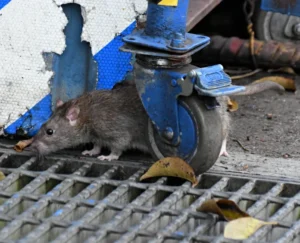
Don’t try to fix damaged electrical wires yourself unless you’re a licensed electrician. Working with electrical systems is dangerous and requires proper training and tools. Doing it wrong could result in shock, fire, or more damage.
Call a licensed electrician to inspect and repair the damage. Explain that rats have chewed wiring so they know what to look for. The electrician will need to check all the wiring in areas where rats have been active, not just the obviously damaged sections.
While waiting for the electrician, set traps to catch the rats. You need to eliminate the rats or they’ll just damage new wiring after it’s repaired. Use snap traps, live traps, or other effective methods to catch rats in your home.
Document the damage with photos if you’re going to file an insurance claim. Even though many policies don’t cover rodent damage, it’s worth checking with your insurance company. Take clear pictures of the chewed wires and any other damage you find.
After repairs are complete, take steps to prevent rats from returning. Seal entry points, remove food and water sources, clean up nesting materials, and stay alert for signs that rats are coming back.
Why Some Electrical Areas Seem More Attractive to Rats
You might notice that rats tend to congregate in certain electrical areas more than others. There are reasons why some spots become rat hotspots.
Utility rooms and electrical panels are often in basements or other areas that stay warmer than the rest of the house. The combination of warmth from the electrical equipment and minimal human traffic makes these spots ideal for rats.
Appliances like refrigerators, dishwashers, and washing machines have motors that produce heat when running. The area behind or under these appliances becomes warm and protected, perfect for rats. They can access wiring easily in these spots too.

Attic spaces where electrical wires run to lights and outlets provide everything rats want: shelter, warmth in cold weather, and quiet isolation. Wires running through attics are especially vulnerable because they’re often exposed and easy to reach.
Wall voids where electrical wires travel between floors or rooms give rats hidden highways through your home. Once rats discover these routes, they’ll use them repeatedly, increasing the chances they’ll chew on the wires passing through.
Older homes with outdated electrical systems might have more gaps and openings around wires. If wiring hasn’t been updated in decades, there are probably plenty of spaces where wires enter walls or pass through floors. These openings give rats easy access to follow the wires.
Conclusion
Rats aren’t attracted to electricity itself, but they’re definitely drawn to the warmth, shelter, and pathways that electrical systems provide. They chew on wires not because they want to but because they need to constantly gnaw to keep their teeth worn down. Unfortunately, this natural behavior creates serious fire hazards and electrical problems in homes.
The best way to protect your electrical system from rats is to prevent rats from getting into your home in the first place. Seal entry points, eliminate food and water sources, and keep potential nesting areas clean and organized. If rats are already present, get rid of them quickly before they can do serious damage to your wiring.
Stay alert for warning signs like flickering lights, tripping breakers, or burn smells. If you suspect rats have damaged your wiring, shut off power to affected areas and call a licensed electrician immediately. Taking rats seriously and addressing the problem quickly can prevent fires and save you from expensive repairs down the road.

Hi, my name is Ezra Mushala, i have been interested animals all my life. I am the main author and editor here at snakeinformer.com.