
Dogs are naturally curious and often can’t resist chasing small moving creatures in the yard. If you have a dog, you’ve probably watched them chase or even catch lizards.
This hunting behavior is completely normal, but it leaves many pet owners wondering about the safety of their furry friends. Are lizards dangerous to dogs?
Most lizards are not dangerous to dogs. The majority of common house and garden lizards are harmless and won’t hurt your dog if caught or eaten. However, a few lizard species can be venomous or toxic, and even harmless lizards can carry parasites or bacteria that might make your dog sick. Serious problems are rare, but it’s still important to know the risks.
Understanding which lizards could potentially harm your dog and which are completely safe helps you protect your pet while they explore the outdoors.
Can Lizards Poison or Harm Dogs?
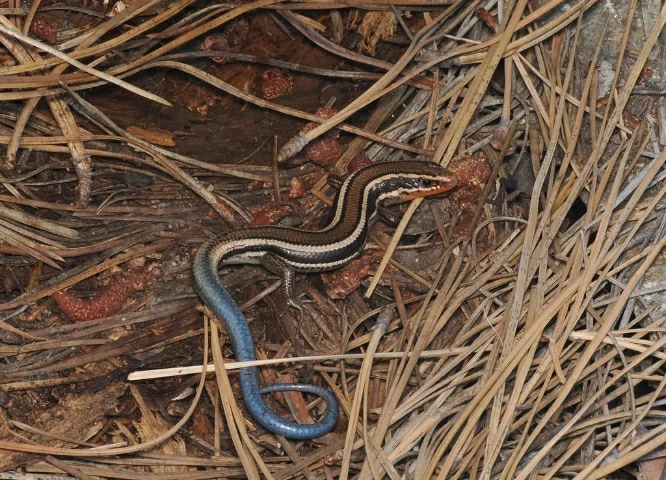
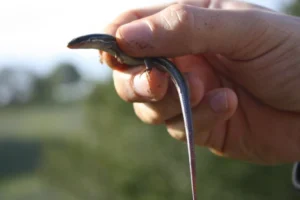
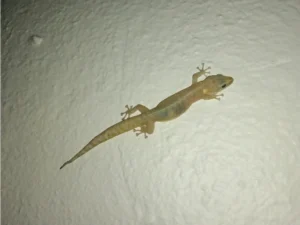
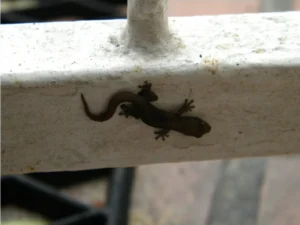
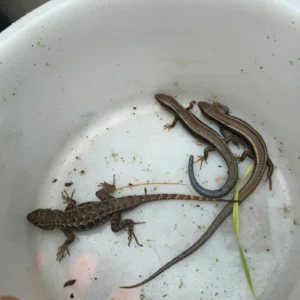
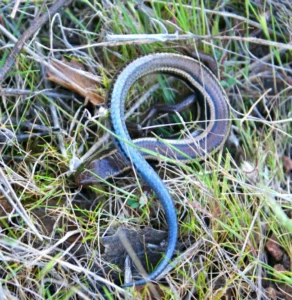
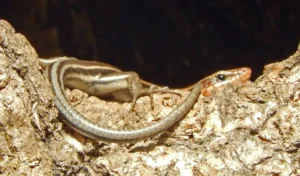
Most lizards your dog might encounter don’t produce any toxins at all. Common species like geckos, anoles, skinks, and fence lizards are not poisonous or venomous.
If your dog catches and eats one of these harmless lizards, they’ll probably be just fine. The worst that might happen is mild stomach upset or vomiting, simply because their body isn’t used to digesting whole lizards.
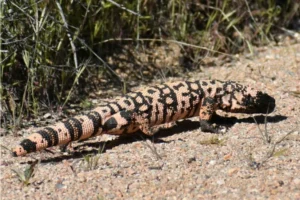
However, a few lizard species can actually harm dogs. The Gila monster and Mexican beaded lizard are venomous.
If one of these lizards bites your dog (which is more likely than your dog eating it), the venom can cause serious problems.
However, its extremely unlikely that your dog will ever meet these lizards in the first place.
They are very rare, and are only found in a few desert areas of the Southeastern united states, and Mexico.
Some large monitor lizards have a mildly venomous bite, though the bigger danger from monitors is the bacteria in their mouths and the damage from their powerful jaws.
Blue-tailed skinks are often thought to be poisonous, but this is just an old myth. They’re completely harmless to dogs.
The lizards your dog is most likely to catch in your yard are almost always safe. Venomous species are rare and only found in specific regions.
What Lizards Are Actually Dangerous to Dogs?
Only a small number of lizard species pose any real danger to dogs, and most dogs will never encounter them.
Gila monsters are venomous lizards found in the southwestern United States (Arizona, parts of California, Nevada, Utah, and New Mexico). Their venom causes severe pain, swelling, drooling, vomiting, and weakness in dogs. This is a veterinary emergency.
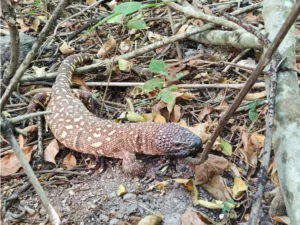
Mexican beaded lizards are closely related to Gila monsters and live in Mexico and small parts of Guatemala. They have similar venom and cause similar symptoms if they bite your dog.
Both of these lizards are slow-moving and not aggressive. A bite usually only happens if your dog tries to pick one up or corners it. The lizard will give warning signs (hissing, opening mouth) before biting.
Large monitor lizards can be dangerous because of their size, strength, and sharp teeth. However, most monitor species will run from dogs rather than fight. If a fight does happen, the monitor’s bite can cause serious wounds.
Some newts and salamanders (which people sometimes confuse with lizards, but they’re actually amphibians) are highly toxic. If your dog eats one, it can be fatal. Fortunately, dogs usually avoid these because they taste bad.
What Happens If My Dog Eats a Common Lizard?
If your dog eats a common house or garden lizard, they’ll most likely be completely fine. These lizards don’t have toxins that can hurt dogs.
Some dogs vomit after eating a lizard. This isn’t because the lizard is toxic but because eating something unusual can upset their stomach. If your dog vomits once or twice but seems otherwise normal, this is usually not a concern.
The lizard’s tail can sometimes irritate your dog’s throat or stomach, especially if it was still moving when swallowed (lizard tails keep wiggling for several minutes after they drop off).
Smaller dogs might have more stomach upset than larger dogs simply because the lizard is a bigger meal relative to their body size.
Most dogs that eat lizards are back to normal within a few hours. Just keep an eye on them and make sure they have access to fresh water.
If your dog shows more serious symptoms like repeated vomiting, diarrhea, lethargy, or difficulty breathing, contact your vet. These symptoms are rare with common lizards but can happen.
Can Dogs Get Sick from Lizard Parasites?
Parasites are actually one of the bigger concerns when dogs eat lizards. Lizards can carry various parasites that can be passed to dogs.
Liver flukes are parasites that some lizards carry. If your dog eats an infected lizard, they can pick up these parasites. Liver flukes live in the liver and bile ducts and can cause serious health problems over time.
Dogs can also get roundworms, tapeworms, and other intestinal parasites from lizards. These cause symptoms like weight loss, diarrhea, vomiting, and a dull coat.
The risk depends on where you live. In some areas, lots of lizards carry parasites. In other areas, it’s less common.
Symptoms of a parasitic infection might not show up right away. It can take weeks or months before you notice your dog isn’t feeling well.
If your dog regularly catches and eats lizards, talk to your vet about a deworming schedule. Preventive medication can protect your dog from most common parasites.
Regular fecal tests (at least twice a year) can catch parasite problems early before they become serious.
What About Salmonella and Other Bacteria?
All reptiles, including lizards, can carry salmonella bacteria in their digestive system. The bacteria don’t usually make the lizard sick, but they can potentially cause problems for dogs.
If your dog eats a lizard carrying salmonella, they might develop an infection. However, dogs are pretty resistant to salmonella because their stomach acid is very strong.

Most healthy adult dogs won’t get sick from salmonella even if they’re exposed to it. Their digestive and immune systems are built to handle bacteria that would make humans sick.
Puppies, elderly dogs, and dogs with weakened immune systems are at higher risk. If your dog falls into one of these categories and ate a lizard, watch them more closely.
Even if your dog doesn’t show symptoms of being sick, they can shed salmonella bacteria in their feces for weeks after eating an infected lizard. This means they could spread it to people in your household.
Always wash your hands after picking up your dog’s poop, especially if your dog has been eating lizards. Keep kids away from areas where your dog has gone to the bathroom until you’ve cleaned it up.
What Symptoms Should I Watch For If My Dog Eats A Lizard?
After your dog catches or eats a lizard, keep an eye on them for the next 24 to 48 hours. Most problems will show up during this time if they’re going to happen.
Mild symptoms include drooling, lip licking, or pawing at their mouth. This usually just means the lizard tasted bad. Your dog will be fine once the taste goes away.
Vomiting once or twice is common and usually not a concern if your dog seems otherwise normal. Make sure they have plenty of fresh water to drink.
Diarrhea can happen if the lizard upset your dog’s stomach. If it’s mild and your dog seems healthy otherwise, it should pass on its own.
Loss of appetite might occur for one meal. If your dog is back to eating normally by the next meal, you’re probably okay.
More serious symptoms that need a vet visit include excessive drooling or foaming at the mouth, repeated vomiting (more than 2-3 times), severe or bloody diarrhea, weakness or trouble standing, difficulty breathing, or tremors and seizures.
If your dog was bitten by or ate a venomous lizard, symptoms will be severe and immediate. Get to a vet right away.
What Should I Do If My Dog Catches a Lizard?
If you see your dog catch a lizard, try to get it away from them before they swallow it. Distract your dog with a toy or treat, then remove the lizard and release it outside.
If your dog already ate the lizard, don’t panic. In most cases, they’ll be fine. Just monitor them closely for the next day or two.
Try to figure out what kind of lizard it was. If you can, take a photo or remember its size, color, and any special markings. This information helps if your dog does develop symptoms.
Remove any remaining pieces of lizard from your dog’s mouth if you can do it safely. Be careful not to get bitten while doing this.
Give your dog access to fresh water. They might want to drink to wash away the taste.
Contact your vet if your dog shows any concerning symptoms. Be ready to describe what type of lizard your dog caught and what symptoms you’re seeing.
If you know your dog was bitten by or ate a venomous lizard, call your vet immediately. Don’t wait to see if symptoms develop.
Don’t try to make your dog vomit unless your vet specifically tells you to. In some cases, this can make things worse.
Can My Dog Get Addicted to Hunting Lizards?
Some dogs develop a strong interest in hunting lizards and will actively seek them out. This can become a problem over time.
Dogs that regularly eat lizards have a higher chance of picking up parasites. Even if each individual lizard only has a small risk of carrying parasites, the odds add up with repeated exposure.
Frequent lizard eating can lead to ongoing stomach problems. Your dog might have chronic digestive issues from their unusual snacking habit.
Some dogs become so focused on hunting that they ignore you when they’re in “hunt mode.” This can be frustrating and potentially dangerous if they’re chasing lizards near roads or other hazards.
The hunting behavior itself is completely normal for dogs. It’s an instinct that all dogs have to some degree. The problem is when it becomes excessive or puts your dog at risk.
If your dog is constantly hunting lizards, you should work on training them to respond to a “leave it” command. This takes time and patience but can help keep your dog safe.
How Can I Stop My Dog from Catching Lizards?
Preventing your dog from hunting lizards can be challenging because it’s natural behavior. However, there are strategies that can help.
- Supervise your dog when they’re outside, especially during warm, sunny times when lizards are most active. If you see your dog stalking a lizard, redirect their attention.
- Train a solid “leave it” command. Start practicing with less exciting items and gradually work up to moving prey. Reward your dog generously when they obey.
- Keep your dog on a leash in areas where lizards are common. This gives you direct control over what your dog can chase.
- Provide plenty of exercise and mental stimulation. A tired dog with a satisfied mind is less likely to obsess over hunting. Regular walks, play sessions, and training activities help.
- Make your yard less attractive to lizards by removing their hiding spots. Clear away piles of rocks, wood, logs, and debris. Keep your grass mowed and your garden tidy.
- Create a designated play area for your dog in a part of the yard that has fewer lizards. Paved or grassy areas without lots of cover tend to have fewer lizards.
Even with all these efforts, you might not completely stop your dog from occasionally catching a lizard. The goal is to reduce it as much as possible.
Are Certain Dog Breeds More Likely to Chase Lizards?
Some dog breeds have stronger hunting instincts than others, making them more interested in chasing lizards.
Terriers were originally bred to hunt small animals. Breeds like Jack Russell Terriers, Rat Terriers, and Yorkshire Terriers often have very high prey drives and love chasing lizards.
Hounds also have strong hunting instincts. Beagles, Dachshunds, and Basset Hounds might be very focused on tracking and catching small animals.

Herding breeds like Border Collies and Australian Shepherds have powerful chase instincts that can translate into hunting behavior.
Even breeds not known for hunting can develop a strong interest in lizards. Individual personality matters as much as breed. Some dogs are natural hunters, while others couldn’t care less about lizards.
Smaller dogs might be less successful at actually catching lizards because they’re not as fast or coordinated. However, if they do eat one, they might be at higher risk of problems because of their smaller size.
Understanding your dog’s breed tendencies helps you anticipate their behavior and take appropriate precautions.
What If My Dog Regularly Eats Lizards?
If your dog frequently catches and eats lizards despite your efforts to stop them, you need to take extra steps to protect their health.
Schedule regular vet checkups and fecal tests. Your vet can check for parasites and treat them before they cause serious problems. Aim for fecal tests at least twice a year, or more often if your vet recommends it.
Keep your dog on preventive deworming medication. Your vet can suggest the best product based on what parasites are common in your area.
Watch your dog’s overall health closely. Look for signs like weight loss, diarrhea, vomiting, or a dull coat that might mean a parasite problem.
Consider working with a professional dog trainer to address the behavior. A trainer can help you develop strategies to redirect your dog’s hunting drive in safer directions.
Make sure your dog is eating a complete, balanced diet. Sometimes dogs seek out unusual food when they’re missing something in their regular meals.
Accept that some hunting behavior is natural and normal. You might not be able to eliminate it completely, but you can minimize the risks through good veterinary care.
Should I Worry If My Dog Touched a Lizard But Didn’t Eat It?
If your dog just touched, sniffed, or played with a lizard without eating it, there’s very little to worry about.
Your dog can’t get salmonella or parasites just from touching a lizard. These things only cause problems if they’re ingested.
The main concern would be if a venomous lizard bit your dog during the interaction. If you know or suspect a venomous species bit your dog, get to a vet right away.
For non-venomous species, a bite might cause minor pain or a small wound, but it’s not dangerous. Clean any bite marks with soap and water.
Some dogs might drool or paw at their mouth after mouthing a lizard, even if they didn’t swallow it. This is just because lizards don’t taste good. Your dog will be fine once the taste goes away.
If your dog seems completely normal after encountering a lizard, there’s nothing to worry about. Just wash your hands after touching your dog, in case they have any lizard germs on their fur or mouth.
Are Lizards More Dangerous to Puppies or Small Dogs?
Puppies and small dogs face slightly higher risks than large adult dogs when it comes to lizards.
Puppies have developing immune systems that make them more vulnerable to bacteria and parasites. They’re more likely to get sick from salmonella or parasitic infections.
Small dogs have smaller bodies, so the same amount of toxin or bacteria has a bigger effect on them. A lizard that causes mild symptoms in a large dog might make a small dog quite sick.
Puppies and small dogs are also more likely to have trouble if a lizard gets stuck in their throat or causes a blockage in their digestive system.
However, serious problems are still rare even in puppies and small dogs. Most will be fine after catching a lizard.
If you have a puppy or small dog, just be extra vigilant about watching for symptoms and keeping them away from areas where venomous lizards might live.
Conclusion
Most lizards are not dangerous to dogs. The common species your dog is likely to encounter (geckos, anoles, skinks, fence lizards) are harmless and won’t hurt your pet.
The main risks are parasites (which you can prevent with regular deworming) and bacteria like salmonella (which rarely causes problems in healthy dogs). A few venomous species exist, but encounters with them are rare and only occur in specific regions.
Watch your dog for 24 to 48 hours after they catch or eat a lizard. If they show concerning symptoms like repeated vomiting, severe diarrhea, or lethargy, contact your vet.
The best approach is prevention when possible. Train your dog to leave lizards alone, supervise outdoor time, and make your yard less attractive to lizards.
If your dog regularly eats lizards, work with your vet on a parasite prevention plan and monitor your dog’s health closely.

Hi, my name is Ezra Mushala, i have been interested animals all my life. I am the main author and editor here at snakeinformer.com.