

Cats are natural hunters, and if you have a cat, you’ve probably seen them stalk, chase, or even catch small animals like lizards.
This hunting behavior is completely normal for cats, but it can leave pet owners wondering about the safety of their feline friends. Are lizards dangerous to cats?
Most lizards aren’t dangerous to cats. The majority of common house and garden lizards are harmless and won’t hurt your cat if caught or eaten. However, a few lizard species can be poisonous or venomous, and even harmless lizards can carry parasites or bacteria that could make your cat sick.
While your cat will probably be fine after catching a lizard, there are some risks you should know about.
Some lizards have toxins that can cause mild to severe reactions in cats, and others carry diseases that can be passed on to your pet.
Can Lizards Poison Cats?
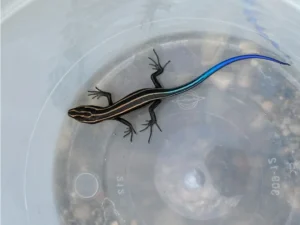
Most lizards you’ll find around your house or garden don’t produce any toxins. These include common species like anoles, skinks, and geckos. If your cat catches and eats one of these lizards, they’ll probably be just fine.
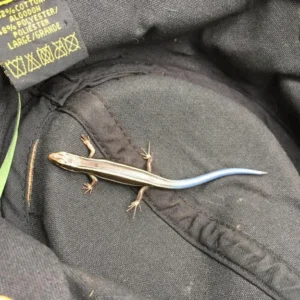
However, some lizard species do produce toxins that can make cats sick. The most well-known toxic lizards are the Gila monster and the Mexican beaded lizard.
These lizards are venomous, meaning they can bite and inject venom into their victims.
Fortunately, these venomous lizards are pretty rare. You’ll only find them in specific areas of the southwestern United States and Mexico.
Unless you live in these regions, your cat probably won’t come across them.
There are also some lizards that are poisonous rather than venomous.
The difference is important: venomous animals inject toxins through bites or stings, while poisonous animals secrete toxins on their skin or in their body that can harm predators when touched or eaten.
What Lizards Are Actually Dangerous to Cats?
The Gila monster and Mexican beaded lizard are the only truly venomous lizards in North America. If one of these lizards bites your cat, it can inject venom that causes pain, swelling, and potentially more serious symptoms.
A bite from a Gila monster can cause severe pain and swelling at the bite site. Your cat might also drool excessively, vomit, have trouble breathing, or show signs of weakness. In rare cases, the venom can cause more serious problems, but this is uncommon.
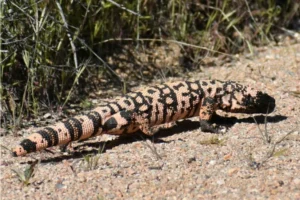
The good news is that these lizards are slow-moving and not aggressive. They’ll only bite if they feel threatened or cornered. They also tend to hold on when they bite, rather than striking quickly like a snake, which gives you time to separate your cat from the lizard.
Some newts and salamanders (which are amphibians, not lizards, but cats might catch them too) can be highly toxic when ingested.

These animals produce toxins called tetrodotoxins on their skin, which can be deadly to cats if eaten.
Monitor lizards, which are found in some parts of the world, can also be dangerous. They have a venomous bite and can grow quite large. However, you won’t find these in most residential areas.
What About Common Garden Lizards?
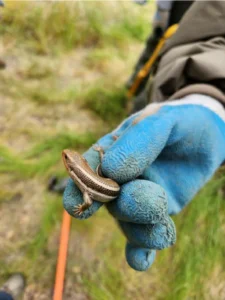
The lizards your cat is most likely to catch are completely harmless. These include species like green anoles, brown anoles, fence lizards, and house geckos.
These lizards don’t have venom, don’t produce toxins, and can’t hurt your cat in any way. If your cat catches and eats one, the worst thing that might happen is an upset stomach from eating something unusual.
Some cats might vomit after eating a lizard, not because the lizard is toxic, but simply because their stomach isn’t used to processing this kind of food.
This is usually nothing to worry about and will pass on its own.
The lizard’s tail can sometimes cause minor irritation if it gets stuck in your cat’s throat, but this is rare. Most cats will either eat the entire lizard without problems or just play with it and leave it alone.
Can Cats Get Parasites from Lizards?
This is actually a bigger concern than toxins for most cat owners. Lizards can carry parasites, and if your cat eats an infected lizard, they can get these parasites too.
Liver flukes are one of the parasites that cats can get from eating lizards. These parasites live in the liver and bile ducts and can cause serious health problems if left untreated.
Cats can also get other types of internal parasites like roundworms or tapeworms from eating lizards. These parasites live in the cat’s digestive system and can cause weight loss, diarrhea, vomiting, and a dull coat.
The risk of parasite transmission depends on where you live and whether the local lizard population carries these parasites. In some areas, the risk is quite low, while in others it’s more common.
If your cat regularly catches and eats lizards, it’s a good idea to have them checked by a vet and kept on a regular deworming schedule.
This will help prevent any parasite infections from becoming a problem.
Do Lizards Carry Diseases That Can Make Cats Sick?
Yes, lizards can carry bacteria and other pathogens that might make your cat sick. The most common concern is salmonella bacteria.
Salmonella lives in the digestive tract of many reptiles, including lizards. The bacteria don’t usually make the lizard sick, but they can cause illness in cats (and humans) if transmitted.

If your cat eats a lizard carrying salmonella, they might develop an infection. Symptoms of salmonellosis in cats include diarrhea, vomiting, fever, and loss of appetite. In most cases, healthy adult cats will fight off the infection without treatment.
However, young kittens, elderly cats, or cats with weakened immune systems are at higher risk of developing serious illness from salmonella.
If your cat falls into one of these categories and has eaten a lizard, watch them closely for any signs of illness.
It’s worth noting that even if your cat doesn’t get sick from salmonella, they can still shed the bacteria in their feces and potentially spread it to humans in the household. This is why it’s important to practice good hygiene, especially when cleaning the litter box.
What Should You Do If Your Cat Catches a Lizard?
If you see your cat catch a lizard, the best thing to do is try to get the lizard away from them before they eat it. You can distract your cat with a toy or treat, then safely release the lizard outside.
If your cat has already eaten the lizard, don’t panic. In most cases, they’ll be perfectly fine. Just keep an eye on them for the next 24 to 48 hours and watch for any unusual symptoms.
Signs that your cat might be having a problem include excessive drooling, vomiting, diarrhea, loss of appetite, lethargy, or difficulty breathing.
If you notice any of these symptoms, call your vet right away.
If you know your cat ate a Gila monster or Mexican beaded lizard (or any other venomous species), take them to the vet immediately. Don’t wait for symptoms to appear. The vet can provide supportive care and monitor your cat for any serious reactions.
For cats that regularly hunt lizards, talk to your vet about the best parasite prevention plan. Regular deworming can help protect your cat from any parasites they might pick up from their prey.
How Can You Keep Your Cat Away from Lizards?
The best way to protect your cat from any potential risks is to keep them away from lizards in the first place. This can be tricky since cats are natural hunters, but there are some things you can do.
- Keeping your cat indoors is the most effective way to prevent them from catching lizards. Indoor cats live longer, healthier lives overall and aren’t exposed to the risks that come with hunting wildlife.
- If your cat does go outside, try to supervise their time outdoors.
- You can create a “catio” (an enclosed outdoor space) where your cat can enjoy fresh air and sunshine without being able to hunt.
- You can also make your yard less attractive to lizards by removing their hiding spots. Clear away piles of rocks, wood, or debris where lizards like to hide. Keep your grass mowed and your garden tidy.
However, it’s important to remember that hunting is a natural behavior for cats. Even well-fed cats will chase and catch prey because it’s instinctive.
Don’t punish your cat for doing what comes naturally to them.
Are There Long-Term Health Risks?
For most cats, occasionally catching and eating a lizard won’t cause any long-term health problems.
The immediate risks (like upset stomach or parasite infection) are temporary and treatable.
However, cats that regularly eat lizards might have a higher risk of parasite infections over time. These infections can damage the liver and other organs if left untreated for long periods.
Regular vet checkups and fecal tests can help catch any parasite problems early.
Your vet can recommend a deworming schedule based on your cat’s lifestyle and risk factors.
If your cat lives in an area with venomous lizards and has been bitten before, repeated bites could potentially cause more serious reactions over time.
However, this is very rare since most cats learn to avoid these lizards after a bad experience.
The best approach is to be aware of the risks, take reasonable precautions, and not worry too much about the occasional lizard encounter.
Most cats who catch lizards will be perfectly fine.
Conclusion
Most lizards aren’t dangerous to cats at all. The common lizards your cat is likely to encounter in your yard or home are harmless and won’t hurt your pet if caught or eaten.
The main risks come from a few venomous species (which are rare and only found in specific regions), parasites that lizards might carry, and bacteria like salmonella. These risks are generally small, especially for healthy adult cats.
If your cat catches a lizard, they’ll probably be fine. Just watch them for any unusual symptoms and contact your vet if you’re concerned. The best way to protect your cat is to keep them indoors or supervise their outdoor time, and make sure they’re on a regular parasite prevention program.
Remember that hunting is natural for cats, so don’t be too hard on your furry friend for following their instincts. With a little awareness and common sense, you can keep your cat safe while they enjoy being a cat.

Hi, my name is Ezra Mushala, i have been interested animals all my life. I am the main author and editor here at snakeinformer.com.