
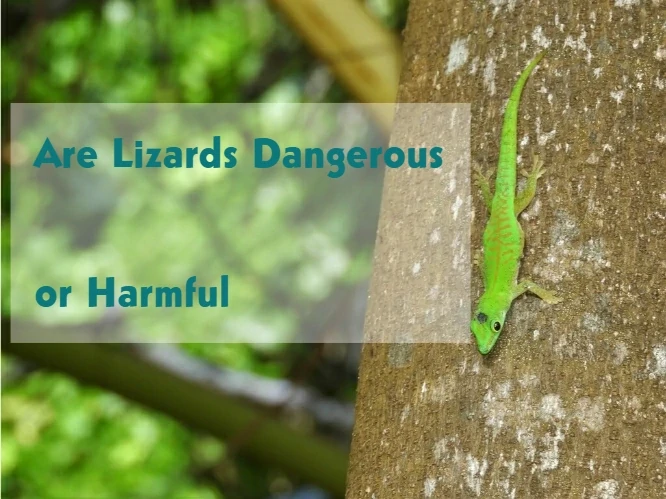
Lizards are commonly seen in many parts of the world, from tiny geckos in your home to larger iguanas in gardens and parks. When you see one, you might wonder if you should be worried about your safety or your family’s safety. Are lizards dangerous or harmful?
Most lizards are not dangerous or harmful to humans, dogs, cats or other pets. The vast majority of lizard species are harmless, non-aggressive, and will run away from people rather than attack. Only a few species (like Gila monsters and large monitors) can cause harm, and these encounters are rare. Common house and garden lizards are not dangerous at all.
Understanding which lizards are truly dangerous and which are harmless can help you feel more comfortable around these animals.
Most of the lizards you’ll ever see in your life can’t hurt you.
What Makes a Lizard Dangerous?
For a lizard to be considered dangerous, it needs to be able to harm humans or animals in some way. This could be through venom, strong bites, sharp claws, or toxic secretions.
Size is one factor. Larger lizards have stronger jaws and can deliver more powerful bites. However, size alone doesn’t make a lizard dangerous if it’s not aggressive.
Venom is another factor. Only two lizard species in North America are venomous: the Gila monster and the Mexican beaded lizard. These lizards can inject toxins through their bites.
Aggression matters too. A large lizard that runs away from humans is less dangerous than a small aggressive one that stands its ground and bites.
The ability to cause injury is what really defines danger. Can the lizard break your skin? Can it cause infection? Can it inject venom? If the answer to these questions is no, the lizard isn’t dangerous.
Common House and Garden Lizards Are Not Dangerous Or Harmful
The lizards most people see regularly are not dangerous at all. These include the small species that live around homes and gardens.
House geckos are completely harmless. They’re small, gentle, and don’t bite. Even if one did try to bite you, it couldn’t break your skin. These lizards actually help you by eating insects.
Green and brown anoles are safe. These small lizards might puff up their throats and open their mouths if scared, but they rarely bite. If one does bite, it feels like a pinch and doesn’t cause any real injury.
Fence lizards (spiny lizards) look tough with their pointed scales, but they’re not dangerous. They might bite if you grab them, but their bite is weak and usually doesn’t break skin.
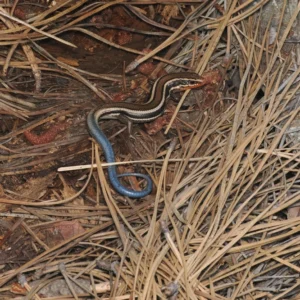
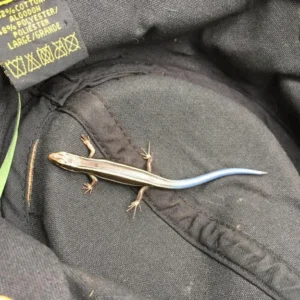
Blue-tailed skinks are harmless despite old myths saying otherwise. These lizards are shy and will run away from you. They don’t have venom or toxins.
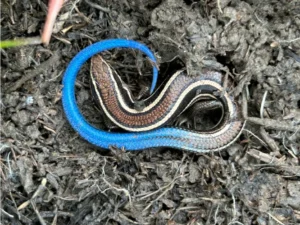
Wall lizards and Mediterranean house geckos found in many parts of the world are all safe. You can coexist with these lizards without any worry.
The worst thing that might happen with these small lizards is they might poop on you if you pick them up. It’s unpleasant but not dangerous.
Which Lizards Are Actually Dangerous?
While most lizards are harmless, there are a few species that can be dangerous if you’re not careful around them.
Gila monsters and Mexican beaded lizards are the only venomous lizards in North America. These lizards have venom that causes severe pain and swelling when they bite.
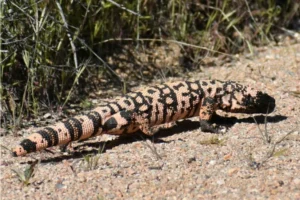

However, they’re slow-moving and not aggressive. You’d have to really mishandle one to get bitten.
Komodo dragons are the world’s largest lizards and can be very dangerous. They have venomous bites and powerful jaws. However, these lizards only live on specific islands in Indonesia.
You won’t encounter them unless you visit their natural habitat.
Large monitor lizards can be dangerous because of their size and strength. Species like the Nile monitor or water monitor have sharp teeth and strong jaws.

They can cause serious bite wounds, though most monitors will flee from humans rather than attack.
Green iguanas can be aggressive during breeding season, especially males. A large iguana has a powerful tail that it can use like a whip, and it has sharp claws.
Bites from large iguanas can be serious.
Even with these species, attacks on humans are rare. These lizards only become dangerous when they feel threatened, cornered, or are defending their territory.
Can Lizard Bites Cause Serious Harm?
The harm a lizard bite can cause depends entirely on the species and size of the lizard.
Small lizard bites from species like geckos or anoles rarely break the skin. At most, you might get a small pinch mark that fades quickly.
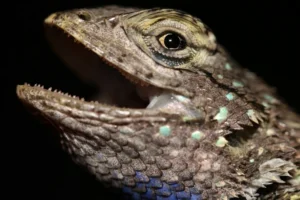
There’s no risk of serious injury from these bites.
Medium-sized lizards like bearded dragons or small iguanas can break the skin if they bite hard. However, these bites usually aren’t deep and heal quickly with basic first aid.
Large lizards can cause significant bite wounds. A big iguana, monitor lizard, or tegu can deliver a powerful bite that breaks skin, causes bleeding, and might need stitches.
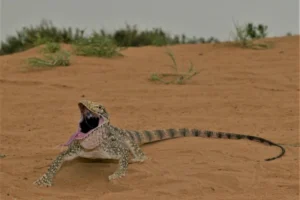
The bigger concern with any lizard bite is infection. Lizards have bacteria in their mouths that can cause infections if the wound isn’t cleaned properly.
This is true even for small bites that barely break the skin.
Venomous lizard bites are a different story. A bite from a Gila monster causes intense pain, severe swelling, and can affect your blood pressure.
While rarely fatal, these bites require medical attention.
Do Lizards Attack Humans?
Lizards don’t hunt or attack humans. We’re way too big to be prey, and lizards see us as threats, not food.
Most lizards will run away when they see a human. Their first instinct is always to flee and hide. This is true for everything from tiny geckos to large iguanas.
A lizard will only bite if it feels it has no other option. This usually happens when someone tries to catch it, corners it, or picks it up. The bite is a defensive action, not an attack.
Some male lizards become territorial during breeding season. A male iguana guarding his territory might stand his ground and display aggressive behavior if you get too close.
However, even then, they’ll usually give you warning signs before biting.
Pet lizards that aren’t handled properly might bite out of fear or stress. This is why it’s important to learn proper handling techniques if you keep lizards as pets.
Wild lizards want nothing to do with humans. If you leave them alone, they’ll leave you alone.
Can Lizards Carry Diseases?
The biggest health concern with lizards isn’t bites or venom but the diseases they can carry. However, these diseases are only transmitted through poor hygiene, not through casual contact.
All reptiles, including lizards, can carry salmonella bacteria. The bacteria live in their digestive tract and are shed in their waste. The lizard itself usually doesn’t get sick from the bacteria.

You can’t get salmonella just from being near a lizard or from a lizard touching you. The bacteria has to get into your mouth. This usually happens when you touch a lizard or something it’s been on, then touch your mouth or eat without washing your hands.
Salmonella infections cause stomach cramps, diarrhea, fever, and nausea. Most healthy adults recover without treatment, but young children, elderly people, and those with weakened immune systems can become seriously ill.
Preventing salmonella is simple: wash your hands thoroughly with soap and water after touching any lizard or anything in their environment.
Lizards can also carry parasites, but these are typically species-specific and don’t infect humans. However, if a pet dog or cat eats a lizard, they might pick up parasites from it.
Are Pet Lizards Dangerous?
Most pet lizards are not dangerous. Popular pet species like leopard geckos, bearded dragons, and crested geckos are gentle and rarely bite.
Leopard geckos are one of the safest pet lizards. They’re small, docile, and even if they bite (which is rare), it doesn’t hurt. They’re great pets for beginners and families.

Bearded dragons are friendly and calm when handled regularly. They might bite if startled or mishandled, but this is uncommon with proper care.
Blue-tongued skinks are gentle despite their intimidating appearance. They’re slow-moving and have calm personalities.
Even larger pet lizards like iguanas can be safe if raised and handled properly from a young age. However, they require experienced owners who understand their behavior and needs.
The key to safe pet lizard ownership is proper handling, regular interaction, and understanding your lizard’s body language. A well-cared-for pet lizard poses minimal risk.
The main concern with any pet lizard is still salmonella. Always wash your hands after handling your pet or cleaning their enclosure.
What You Should You Do If You Encounter a Lizard
If you see a lizard in the wild or in your home, the best thing to do is leave it alone. The lizard isn’t interested in you and will move away on its own.
If you need to remove a lizard from your home, use a cup and piece of cardboard. Place the cup over the lizard, slide the cardboard underneath, and carry it outside.
Don’t try to catch a lizard with your bare hands unless you’re experienced and know the species. Even harmless lizards will try to bite if grabbed.
If you encounter a large lizard outdoors (like an iguana in Florida), give it space. Don’t approach it or try to touch it. Most large lizards will move away if you give them room.
Never corner a lizard or block its escape route. This will make it feel threatened and more likely to defend itself.
If you live in an area with venomous lizards like Gila monsters, learn what they look like. If you see one, stay well away and let it go on its way. These lizards are protected by law, and it’s illegal to harm them.
Can Lizards Damage Your Propetry?
Lizards don’t cause damage to homes or property. Unlike rodents, they don’t chew through wires, insulation, or wood.
Small lizards in your home are actually beneficial. They eat insects like spiders, mosquitoes, cockroaches, and flies. Many people consider house geckos to be natural pest control.
Lizards don’t build nests or create messes like birds or rodents might. Their droppings are small and easy to clean up.
Large iguanas can sometimes damage gardens by eating plants. In Florida, where green iguanas have become invasive, they can be a nuisance in yards and gardens. However, they don’t damage structures.
If lizards are getting into your home frequently, it usually means you have a lot of insects attracting them. Dealing with the insect problem will naturally reduce the number of lizards.
Overall, lizards are much more helpful than harmful around your property.
Can Lizards Be Dangerous to Pets?
Most lizards don’t pose a danger to pets, but there are some considerations depending on the size of your pet and the type of lizard.
Small dogs and cats might try to catch and eat lizards. Common house and garden lizards won’t hurt your pets if eaten, though they might cause mild stomach upset.
The main concern is parasites. Lizards can carry parasites that can be transmitted to dogs and cats if they eat the lizard. Regular deworming of your pets can help prevent this.
Large lizards like iguanas can potentially harm small pets if they feel threatened. An iguana’s tail whip or bite could injure a small dog or cat. However, most lizards will flee rather than fight.
If you have a pet reptile and other pets, make sure they can’t interact. Even if your lizard is harmless, stress from a dog or cat trying to get to it can be harmful to the lizard.
Venomous lizards obviously pose a danger to pets. If you live in an area with Gila monsters, keep your pets away from areas where these lizards are common.
Having Lizards Around Is Not Dangerous or Harmful
Living around lizards or encountering them regularly poses no long-term health risks. Lizards don’t spread diseases through the air or through casual contact.
The only ongoing concern is salmonella, which is easily prevented with basic hygiene. Wash your hands after contact with lizards, and you’ll be fine.
Some people worry about lizards reproducing near their homes, but lizard populations naturally regulate themselves based on available food (insects). If you have a lot of lizards, it means you have a lot of bugs.
Pet lizard owners who follow proper hygiene don’t develop any health problems from years of keeping reptiles. The risks remain the same year after year and are easily managed.
In some regions, invasive lizard species can be a concern for local ecosystems, but they’re not dangerous to humans. The issues are environmental, not personal safety issues.
Conclusion
Most lizards are not dangerous or harmful to humans. The small lizards you encounter in daily life (geckos, anoles, skinks, fence lizards) are completely harmless and will run away from you.
Only a few lizard species can cause harm, and these are either rare (Gila monsters), not found in most areas (Komodo dragons), or only dangerous when mishandled (large monitors or iguanas).
The main health concern with all lizards is salmonella bacteria, which is easily prevented by washing your hands after touching lizards or anything they’ve been on.
Lizards are more beneficial than harmful. They eat insects and other pests, don’t damage property, and generally avoid humans. You can safely coexist with the lizards around your home without worry. Just use common sense, respect their space, and practice good hygiene.

Hi, my name is Ezra Mushala, i have been interested animals all my life. I am the main author and editor here at snakeinformer.com.