
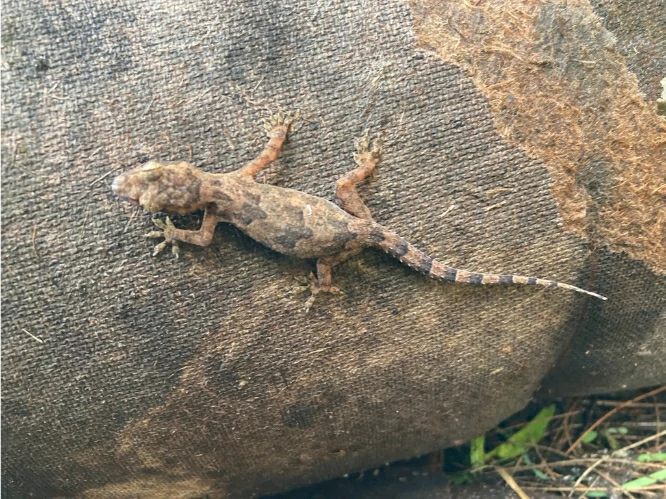
If you’ve ever walked into a room at night, switched on the light, and noticed a little gecko frozen on the wall like it was caught doing something it shouldn’t, you know the strange mix of surprise and curiosity they create.
They move so quickly that sometimes you only catch a tail disappearing behind a curtain or a tiny head peeking from a frame. In that moment, a question usually pops into your head, even if you don’t say it out loud: is this little guy dangerous to me?
They have claws, fast movements, and a habit of staring like they’re planning something. So it’s natural to wonder, are geckos actually harmful to humans?
No, geckos aren’t harmful to humans. They won’t bite you unless you grab or handle them roughly, their saliva isn’t poisonous, they don’t have venom, and they actually help by eating insects.
But that simple answer often brings more questions once you start thinking about how geckos live, what they do in homes, and why they act the way they do.
Why Geckos Aren’t Dangerous To People In Everyday Life
The first thing that helps people relax about geckos is understanding what they actually want. And honestly, what they want has almost nothing to do with humans.
Geckos don’t see people as prey, predators, threats, or even obstacles. To them, we’re basically just part of the scenery.
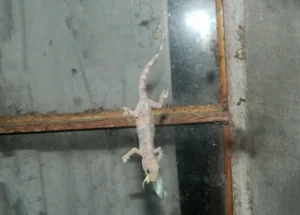
Most geckos that show up in homes or yards are small, about four to six inches long, and their whole life is focused on finding insects.
They eat moths, mosquitoes, roaches, spiders, beetles, and almost anything else that crawls or flies. Their mouths, teeth, and even claws are designed for catching tiny insects, not for hurting humans.
If you walk by a gecko, it won’t puff up, hiss, or lunge like some snakes or bigger lizards do. It will just scoot away and hide. That behavior alone tells you a lot about why they aren’t dangerous.
An animal that actually wants to hurt humans acts very differently. It’s loud, aggressive, and direct. Geckos, on the other hand, are all about avoiding trouble.
Do Geckos Bite People And What Is It Like If They Do?
People usually ask this because they’ve heard some lizards have strong jaws or sharp teeth. Geckos do have teeth, but they’re tiny and meant for holding insects, not defending against humans.
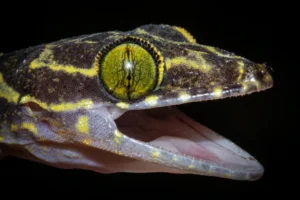
A gecko bite is very rare, but it can happen if:
-
Someone tries to grab it
-
Someone accidentally traps it
-
Someone handles it roughly or stresses it out
If a bite does happen, it usually feels like a soft pinch. Most people say it’s more surprising than painful. Some are just shocked the gecko tried at all.
There’s no venom, no poison, and no long-term harm. You might wash your hands afterward just because that’s good hygiene, but the bite itself isn’t something you’d see a doctor for.
Even kids who pick up geckos out of curiosity usually only get a tiny pinch that barely leaves a mark.
Even larger species like tokay geckos, which can bite a little harder, rarely do more than cause a momentary sting. They use their bite to hold prey or defend themselves from animals their own size, not humans.
What About Gecko Saliva, Droppings, Or Skin Shedding?
People sometimes quietly worry about this. They notice a tiny drop on the floor or a piece of shed skin stuck to a window and wonder if it’s dangerous.
Here’s the clear truth:
-
Gecko saliva isn’t poisonous or harmful. It’s basically just digestive fluid for insects. Touching it by accident won’t hurt you.
-
Gecko droppings aren’t dangerous but should be cleaned up. Like bird droppings, you don’t want to handle them directly. Gloves and a quick wipe are enough.
-
Gecko skin shedding is harmless. They shed in tiny papery pieces or thin patches. Geckos sometimes even eat their own shed to recycle nutrients and avoid leaving scent trails for predators.
Nothing from their bodies contains venom, poison, or dangerous bacteria for humans. Normal cleanliness is all you need to handle the little messes they leave.
What Makes People Think Geckos Might Be Harmful?
Fear of geckos usually comes from myths, stories, and their quick movements rather than actual danger.
When people see something small, fast, and quiet on the wall, the brain immediately tries to decide if it’s harmless or threatening.
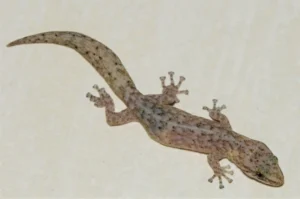
Because geckos move fast, they often get mistaken for something risky before you even realize what they are.
Some common reasons people think geckos are dangerous:
-
Their sudden movements look alarming. A gecko can jump or dash across a wall faster than expected. Speed often looks like aggression.
-
Some species chirp or click. House geckos make tiny sounds that people sometimes read as warning noises.
-
Old myths from different cultures. Some say geckos are poisonous or fall on people on purpose. None of this is true, but myths spread quickly.
-
They appear in the dark. Animals active at night often get linked to danger because humans react more strongly to things they can’t see well.
Once you understand geckos, those myths fall apart. Their behavior is all about staying safe and finding food, not harming people.
Are House Geckos Inside Homes A Danger To Kids Or Pets?
Many people worry about toddlers who love picking up small, wiggly animals. The good news is geckos aren’t harmful to kids. In most cases, the gecko is more scared of the child than the child should be of the gecko.
If a child catches one, the worst that might happen is a tiny pinch or the gecko dropping its tail from stress.
There’s no toxin, no danger, and no medical problem. Some kids even enjoy watching the gecko for a bit before letting it go.
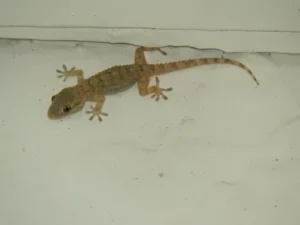
Pets are similar. Dogs and cats sometimes chase geckos, especially if they run across the floor. But geckos aren’t dangerous to them either.
If a pet catches and eats a gecko, it might upset their stomach, but there’s no poison or venom.
The only thing to avoid is letting pets constantly stress wild geckos. The geckos will eventually hide or leave. And you actually want geckos around because they eat insects.
How Geckos Help Humans Without People Realizing It
Most people don’t know geckos are natural pest control. They patrol walls, ceilings, and outdoor lights like tiny security guards.
If you see one near a porch light at night, it’s because insects gather there and geckos know it’s an easy buffet.
A single gecko can eat dozens of insects a night, including:
-
mosquitoes
-
spiders
-
moths
-
ants
-
beetles
-
small roaches
In some parts of the world, people even consider geckos lucky because they reduce pests like disease-carrying mosquitoes. They do all of this quietly, without chewing wires, scratching furniture, or damaging anything. They just hang out on walls and eat bugs.
Even in tropical areas where mosquitoes are constant, geckos are a quiet, chemical-free way to cut down the number of biting insects.
Do Any Gecko Species Have Venom Or Toxic Glands?
This comes up a lot because many reptiles have venom or special glands. People naturally wonder if geckos do too.
The answer is no. No gecko species has venom that can harm humans. There are no venom glands, poisonous saliva, toxic skin, or dangerous chemicals.
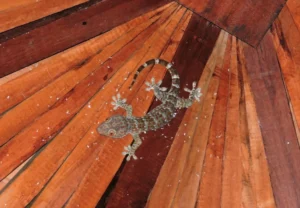
Geckos rely on speed, camouflage, and climbing walls to stay safe, not venom.
Even larger geckos, like tokay geckos, which can bite harder, don’t have venom. They only use jaw pressure on insects or to defend against animals their size.
So there’s absolutely no risk of poison or venom from any gecko. You can watch them safely without worry.
What Happens If A Gecko Falls On Someone?
Sometimes people worry a gecko might fall on them from a ceiling or wall. It happens occasionally if a gecko loses grip or gets startled.
If it does fall, the result is usually:
-
a small thump
-
maybe a quick scramble as it runs
-
your heart racing a little
-
absolutely zero danger
There’s no harm from the fall, no toxin, no disease, and nothing biologically dangerous. The gecko might be more startled than you and will immediately try to hide.
Why Geckos Actually Prefer To Avoid Human Contact
Geckos survive by staying unnoticed. Their bodies are delicate and not made for fighting big animals. A gecko that keeps getting too close to humans won’t last long in the wild. So they’ve evolved to avoid conflict completely.
They like to:
-
stay high on walls
-
move at night
-
run from sudden movements
-
freeze when spotted
-
hide behind clocks, pictures, or cabinets
Everything about their behavior is avoidance, not aggression. The only reason they’re near humans is because bugs show up near us. They’re basically insect patrols sharing our space.
Can Geckos Spread Diseases To Humans?
Geckos aren’t major carriers of human diseases. They’re not like rodents with fleas, mosquitoes with viruses, or birds with respiratory issues.
There’s no common disease geckos pass to people in a house. The main advice is just to wash your hands after touching any wild animal, including geckos, to avoid minor bacteria.
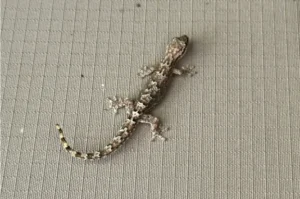
You won’t catch salmonella or any serious infection just from seeing geckos around.
Why Geckos Are Often Seen As Harmless Good Luck In Many Cultures
In many parts of the world, geckos are seen as harmless roommates that bring good luck by reducing pests. People often leave them alone or give them nicknames because they eat insects.
This comes from the simple fact that geckos live peacefully with humans and make life easier without asking for anything. They’re just doing their thing, eating bugs, and never harming anyone.
What To Do If You Don’t Want Geckos Inside The House
Even though geckos aren’t harmful, some people prefer not to have them inside. That’s fine. You can keep geckos outside without harming them or using chemicals.
The best ways are:
-
reducing indoor insects
-
sealing tiny gaps in windows or doors
-
using bright outdoor lights to draw insects away
-
keeping indoor lighting lower at night
Since geckos only come inside for insects, if you reduce the bug population, geckos will naturally stay outdoors. You don’t need to remove them forcefully.
Some people also gently encourage geckos toward garden areas or outdoor walls with insects, keeping both humans and geckos happy.
Conclusion
Geckos might look mysterious when they scurry across a wall, but they’re not harmful at all. They don’t attack people, they don’t have venom, they don’t poison anyone, and even if they bite, it’s barely noticeable.
They don’t damage homes, threaten kids or pets, or spread dangerous diseases.
They’re actually helpful little animals quietly eating bugs we don’t want around.
Once you understand their behavior and why they show up near lights, windows, and walls, they feel less like intruders and more like tiny neighbors doing their job.
The next time you see a gecko calmly sitting on the wall, you can relax knowing the truth. It’s not harmful. It’s just living its quiet life, doing what it does best, and asking for nothing in return.

Hi, my name is Ezra Mushala, i have been interested animals all my life. I am the main author and editor here at snakeinformer.com.