
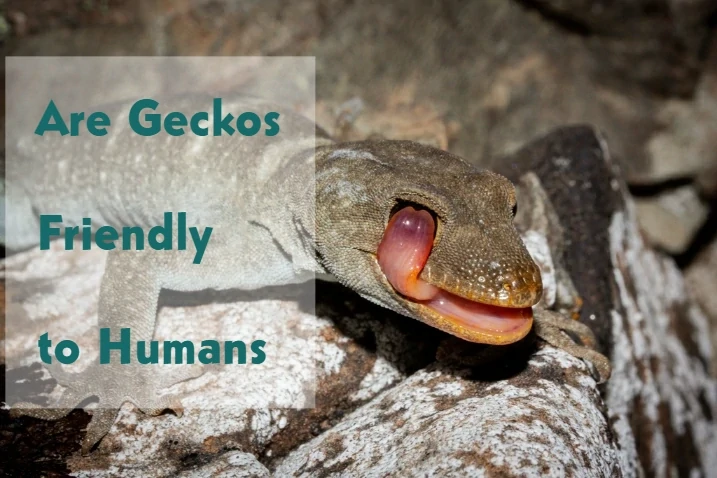
If you’ve ever watched a tiny gecko cling to a wall or scamper across your floor like it owns the place, you might’ve wondered something simple but very common.
You pause for a moment, look at that little creature with its big eyes and soft footsteps, and think, “Does it even like me being here?”
It’s normal to ask yourself whether geckos feel friendly toward humans or if they just tolerate us because we’re big, warm, and mostly harmless. So are geckos actually friendly to humans?
Most geckos aren’t “friendly” in the same way a dog or cat might be, but many species become calm, gentle, and comfortable around people once they feel safe. They don’t show affection the way mammals do, but they also don’t see humans as threats and can learn to trust us through routine, gentle handling, and predictable care.
Geckos don’t have the same kind of brain wiring we have. They aren’t built for emotional bonding the way social mammals are.
But they can still recognize patterns, learn who handles them, understand that you’re not dangerous, and stay relaxed in your presence.
Some will even approach you when they get used to you, though they’re doing it for safety or curiosity, not love.
What Does “Friendly” Even Mean When We’re Talking About Geckos?
Before deciding whether geckos are friendly to humans, it helps to understand what friendliness really means in the reptile world.
When we use the word for cats or dogs, we’re usually talking about affection, bonding, and emotional expression.
A dog wags its tail, a cat purrs, they come to you because they enjoy your presence. But a gecko doesn’t have those kinds of social instincts.
It’s a solitary creature that lives alone, defends its space, and survives by noticing danger fast.
So when people ask, “Are geckos friendly?”, what they really want to know is whether geckos act calm, gentle, safe, and comfortable around humans.
And the short answer is yes, many gecko species can be exactly that. You just have to understand it in their language.
Imagine a wild gecko on your wall. It pauses, looks at you, maybe blinks, but it doesn’t run. In gecko language, that is friendliness. For a prey animal, choosing not to flee means it sees you as safe.
And over time, especially with geckos kept as pets, this calm behavior grows stronger as they realize you bring food, warmth, stability, and no danger at all.
How Do Geckos React To Humans The First Time They See Us?
If you watch a new gecko in a room with a person for the first time, you’ll notice something interesting. It’s cautious, alert, and focused on your movements.
Its tail might twitch slightly. Its body stays close to the ground. There’s curiosity mixed with a natural instinct to keep distance. But here’s the important part.
Most geckos don’t panic the way some other small animals do. They don’t scream, bite wildly, or sprint across the room. They just watch.

And that tells you something right away. Even wild geckos don’t see humans as predators.
We’re too big, too slow, and too loud to blend into the patterns they’re used to avoiding.
A gecko sees us more like a large, dull tree. We exist in the background of their world, not in the center of it.
This is why they’ll often sit on a wall while you walk right past them. Some will even let you get surprisingly close if you move slow enough.
That calmness is the foundation for what people would call friendliness. It’s not affection, but it’s trust.
Do Geckos Actually Recognize Humans Over Time?
This is a question that pops up often because people want to feel a connection with their pets. And the good news is yes, geckos can recognize humans, but not in the emotional way a dog recognizes its owner.
Geckos learn through routine and repetition. They can connect your presence with food, gentle handling, safety, and warmth.
After weeks of consistent care, most pet geckos will:
- stop hiding when you walk into the room
- show calm body language when you open their enclosure
- crawl onto your hand on their own
- stop trying to escape when being held
- look toward you when they hear or feel your footsteps approaching
This isn’t affection, but it’s learned trust. It’s the gecko understanding that you’re part of its environment and you don’t bring danger.
For example, leopard geckos are known for being naturally calm once they settle in. Many owners say their gecko walks right onto their hand without hesitation after a while.
That’s friendliness in reptile terms. The animal feels safe with you. It accepts your presence. It trusts your touch.
Crested geckos do this too. They’re naturally jumpier, but once they recognize your handling style, they remain relaxed and slow instead of trying to leap away. Their version of friendliness is simply choosing not to run.
How Do Geckos Show They Feel Safe Around You?
Reptiles communicate mostly through body language. Geckos don’t wag their tails in happiness or purr, but they do have clear signals that say, “I’m comfortable,” or “I’m nervous.”
When a gecko feels relaxed with a human, you’ll see things like:
- slow blinking
- calm breathing
- Soft steps on your hand
- choosing to stay still instead of hiding
- exploring you gently instead of scrambling away
These tiny signs show confidence. A gecko that doesn’t trust you will act very differently. It’ll freeze, run, or hide under anything it can find.

Think of it like this. A relaxed gecko on your hand is basically the reptile version of friendliness. It’s the animal deciding you’re safe enough to share physical space with.
For a species that survives by noticing danger instantly, that decision means a lot.
Can Geckos Form A Bond With Humans?
This is where a lot of myths get mixed in. Many people want their gecko to love them the way a puppy does. But geckos don’t form emotional bonds like mammals.
They don’t attach to humans for affection or companionship. They attach to patterns.
When a gecko becomes comfortable with a person, it’s because the gecko understands that this person consistently provides:
- warmth
- food
- gentle handling
- a safe environment
It’s a kind of learned trust, not emotional bonding. But this still creates a relationship that feels meaningful. Your gecko becomes calm with you because it knows what to expect. Predictability makes a reptile feel at ease.
And ease feels like friendliness when you’re the one holding them.
Some geckos even climb onto their owner’s hand voluntarily. Not out of love, but because they’ve learned that the hand is safe and familiar. They respond to the experience, not the emotion.
Do Wild Geckos Ever Act Friendly Toward Humans?
Surprisingly, yes, they can. Not affectionate, but surprisingly bold. In many parts of the world, house geckos actually live right alongside humans without fear.
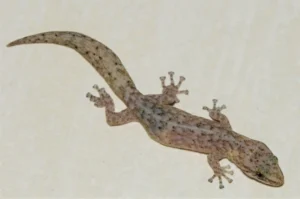
They hide behind picture frames, rest on ceilings, and hunt insects near porch lights. And they don’t seem bothered by people at all.
Some wild geckos will even live in the same spot for years, appearing in the evenings like familiar neighbors. They’re not trying to socialize with you, but they’re using your house as part of their home. And because they learn your patterns, they stay calm around you.
If you sit on a porch and stay still, a wild gecko might crawl surprisingly close while hunting moths. It’s not trusting you in the emotional sense, but it’s comfortable enough to ignore you. And that’s a kind of friendliness too.
Are Some Geckos More Friendly Than Others?
Absolutely. Different species have different temperaments, just like people. Some are naturally calm and relaxed, while others are quick, jumpy, or shy.
For example:
Leopard geckos
These are known for being gentle, slow-moving, and easy to handle. They’re often described as the friendliest pet gecko because they rarely bite and can get used to humans fairly quickly.
Crested geckos
These are curious and active. They can be nervous at first, but once they trust you, they’re calm and enjoyable to handle.
Tokay geckos
These are a totally different story. They’re beautiful, bold, and very territorial. They rarely tolerate handling and will bite if provoked. They don’t become friendly easily.
House geckos
They live around humans but don’t enjoy being touched. They’ll stay near you but not with you.
Different geckos have different natural attitudes. So whether one becomes friendly depends partly on the species, and partly on how you interact with it.
Why Some Geckos Become Friendly And Others Don’t
Just like people, geckos have personalities. Two geckos of the same species can act totally different. One may be calm from the start. The other may be nervous and shy for months. Personality, stress, past experiences, and environment all play a huge role.
A gecko becomes friendly to humans when three things come together:
1. It feels safe in its enclosure
A gecko that feels exposed or stressed can’t relax with a human either.
2. it experiences gentle, predictable handling
Fast movements or grabbing increases fear. Slow steps build trust.
3. It has time to adjust
Trust grows slowly. Sometimes weeks. Sometimes months.
When these three things line up, even a shy gecko can become surprisingly comfortable with a person.
How To Help A Gecko Become Friendly With You
If you want your gecko to act friendly toward you, the process is simple but slow. You don’t rush. You don’t force. You let the gecko choose the pace.
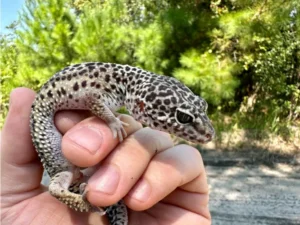
Start with basic presence. Sit near the enclosure without touching anything. Let the gecko see you stay still and calm. Then start placing your hand inside without trying to hold it. Let it smell you, step near you, or just ignore you. Every peaceful moment builds trust.
Feeding with tongs helps too. Your gecko begins connecting your hand with food instead of danger. Eventually, many geckos walk onto a hand just because it feels natural after weeks of positive experiences.
Never chase. Never grab. Let the gecko come to you. That’s how friendliness grows in a reptile’s mind.
Can A Gecko Actually Enjoy Being Held?
This depends on the gecko, but many do. Not emotionally, but physically. Your hand is warm. Your movements are slow. Your skin is soft.
Most geckos relax once they realize your hand is a stable place to rest.
Some owners notice their gecko sits calmly on their shoulder while they watch TV or walk around. The gecko isn’t bonding, but it’s not stressed either.
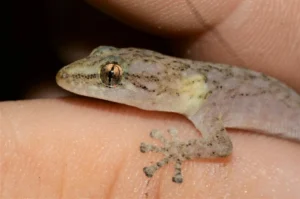
It’s simply comfortable, which is the highest form of friendliness a reptile can show.
Some geckos even crawl toward their owners at tank-cleaning time, almost like they’re curious. This isn’t love. It’s familiarity. And familiarity feels very close to affection when you’re the human experiencing it.
Do Geckos Ever Show Dislike Toward Humans?
Yes, but not in emotional terms. They show stress. A gecko that feels threatened will:
- wag its tail
- hiss
- open its mouth
- try to bite
- run fast and hide
These signs don’t mean the gecko hates you. They mean it feels unsafe. Fixing the environment, slowing your movements, and letting the gecko take the lead usually solves the problem.
Conclusion
The answer is yes, but in their own reptile way. They’re not affectionate like dogs or cats. They don’t bond or love. But they can trust, relax, and feel completely safe with people who handle them gently and predictably.
A friendly gecko is one that doesn’t run when you come near. One that steps on your hand without fear. One that stays calm and curious while you’re around. That calmness is their version of friendliness.
In the end, a gecko is friendly when it feels safe with you. And once that trust is built, it stays with them for life.

Hi, my name is Ezra Mushala, i have been interested animals all my life. I am the main author and editor here at snakeinformer.com.