
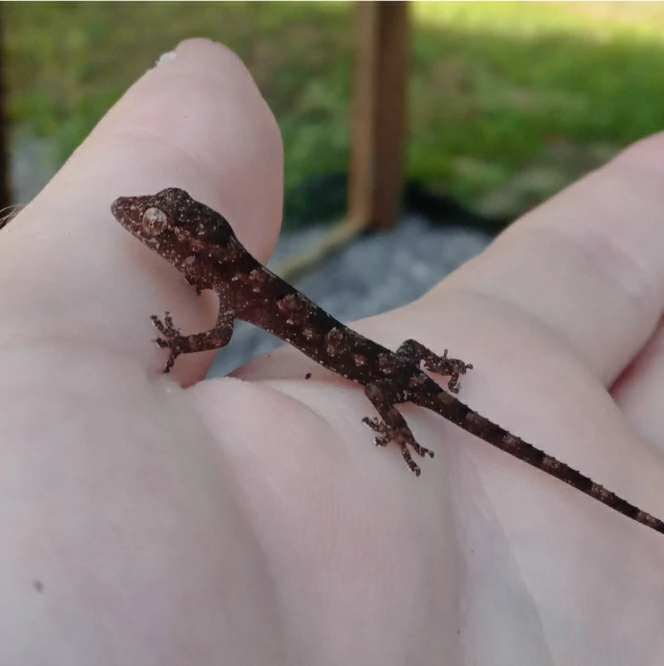
If you’ve ever walked into your kitchen late at night, turned on the light, and spotted a little gecko frozen on the wall like it’s been caught doing something sneaky, you’ve probably had that split-second thought: are geckos dangerous to humans?
No, geckos aren’t dangerous to humans. They don’t have venom, they don’t carry poison, and they don’t attack people. The worst they can do is startle you, drop their tail, or make you jump if they suddenly run across the ceiling like a tiny parkour expert.
That’s the simple version. But the longer version is a lot more interesting because people only worry about geckos when they don’t really understand them.
A creature that can run up smooth walls, survive falls, and drop its tail on purpose seems mysterious if you haven’t really looked at how harmless they really are.
Why Geckos Seem Spooky When You First See Them
Most people don’t fear geckos because of what they do. They fear them because of how they move. Geckos don’t act like birds or mammals.
They don’t make footsteps you can hear. They appear quietly. They stick to walls. They run with a quick, twitchy motion that’s almost too fast to follow.
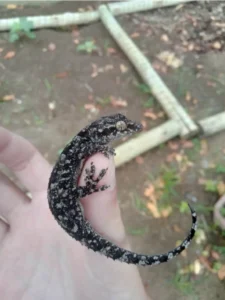
This sudden movement can make people jump, especially if they weren’t expecting anything alive on the wall.
Some people describe the first sighting as a “mini heart attack,” especially if the gecko darts across their face or ceiling in near darkness.
And because geckos are experts at hiding in cracks, behind picture frames, or high corners, the first time you notice one might be when it suddenly crosses your view.
Your brain reacts before you even think. That makes the gecko feel sneaky or threatening, even though its goal is the exact opposite: avoiding you entirely.
Geckos don’t see humans as food. They don’t see humans as enemies. They just see humans as huge hazards they need to avoid at all costs.
In fact, a gecko that freezes when it sees you isn’t being “suspicious”, it’s using stillness to protect itself. Moving attracts attention, so staying perfectly still is its safest move.
Do Geckos Bite Humans?
This is probably the second question people ask, especially if they’ve tried to pick one up.
Yes, geckos can bite humans, but the bite is harmless and usually just feels like a soft pinch.
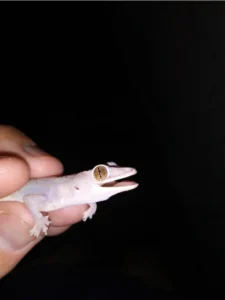
Most geckos have tiny jaws and small teeth, and their bite rarely breaks the skin. A gecko will only bite if it feels trapped. For example:
-
If someone grabs it too tightly
-
If it gets cornered
-
If it can’t find a way to escape
Even then, many geckos prefer to run or drop their tail instead of biting. The tail drop, or autotomy, is a defense move.
The tail wriggles to distract danger while the gecko escapes, and it can grow a new tail later; though it uses energy and leaves the gecko a little weaker until it’s fully grown.
Bigger species, like tokay geckos, can bite harder, and those bites can surprise you, mostly because the gecko may not let go right away.
But even a tokay gecko bite isn’t venomous and doesn’t cause long-term harm. It’s more shocking than dangerous.
So yes, a gecko might bite, but no, the bite won’t hurt you in any meaningful way. Most bites leave no marks at all.
People are usually more startled by the sudden movement than by any pain.
Do Geckos Carry Diseases Harmful To People?
This is one of those questions that gets passed around by friends, cousins, and people online who half-remember something they heard years ago.
Here’s the clear answer: geckos aren’t known to pass dangerous diseases to humans.
They can carry bacteria like Salmonella, the same way many reptiles do. But for geckos living inside homes, the risk is very low because they don’t interact with food, water, or surfaces the way bigger reptiles do.

Most households don’t see any health problems from geckos at all.
Also:
-
Geckos don’t live in groups inside houses
-
They don’t drag dead animals around
-
They don’t bite people often
-
They don’t release dangerous toxins
In most homes, the only thing geckos leave behind is the occasional tiny dropping that dries out quickly and doesn’t spread disease easily.
Washing your hands after touching a gecko (or even after accidentally touching a surface where one has been) is enough to stay safe.
Geckos aren’t like rodents, which chew food or carry disease. They aren’t like mosquitoes that spread viruses. They aren’t like bats or feral animals that carry viruses.
Geckos are more like quiet pest control workers living rent-free on your walls.
Do Geckos Attack Humans?
No. Not even a little.
A gecko’s whole survival strategy is built around running away, staying safe, and blending into its surroundings.
Geckos have no tools for attacking humans. They don’t have strong jaws, sharp claws, venom glands, or sprays.
When they feel threatened, their first instinct is to escape.
Their second instinct is also escape.
Their third instinct is dropping their tail and then trying escape again.
A gecko attacking a human is basically impossible. At most, a gecko might run across your arm or foot if it panics, but that isn’t aggression, it’s confusion.

Humans look enormous to geckos, like a giant leaning toward them. A gecko isn’t thinking about fighting. It’s thinking: “how do I get away before that giant accidentally steps on me?”
Even when humans try to corner a gecko, it usually prefers hiding in high, tight spaces over fighting back.
Their small size and fragile bodies make confrontation a last-resort option, so actual “attacks” simply don’t happen.
Why Geckos Inside Homes Actually Help People
This is the part most people don’t realize at first.
Geckos eat pests. Lots of pests. Every night.
Depending on the species and your location, geckos commonly eat:
-
Flies
-
Mosquitoes
-
Moths
-
Small roaches
-
Spiders
-
Ants
-
Beetles
If you see a gecko near a porch light or kitchen ceiling, it isn’t spying on you. It’s hunting insects attracted to the light.
Some homeowners even report that after a few geckos show up, they notice a big drop in insect activity, especially at night. In some cultures, geckos are welcomed because they act like tiny, natural bug control.
Unlike other creatures that enter homes (like rodents or cockroaches) geckos don’t chew furniture, scratch walls, dig holes, or cause structural damage.
They’re basically harmless roommates who quietly reduce the number of flying insects you have to deal with.
What About The Rare Big Geckos People Hear Stories About?
Most geckos people see in homes are small, gentle, and soft-bodied. But every once in a while, someone hears a story about a bigger gecko, like a tokay gecko.
Tokays can deliver a stronger bite because they’re larger and more territorial. But even that bite isn’t dangerous.
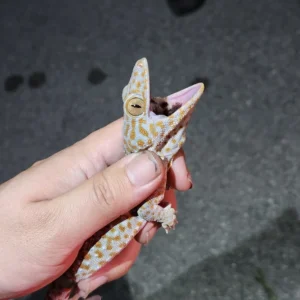
It doesn’t have venom and it rarely causes infection. It just surprises people because the gecko may hold on longer than expected.
Even in areas where tokay geckos are common, they don’t go after humans. They only bite if someone grabs them or tries to remove them from a hiding spot.
And even then, it’s more of a “defensive protest” than an attack.
So yes, bigger geckos exist. But no, they still aren’t a real danger.
Are Geckos Harmful To Babies Or Children?
This is one of the most common worries for parents living in warm climates.
The answer is simple: no, geckos aren’t harmful to babies or children.
They won’t crawl into a crib to attack. They won’t bite unless directly handled. And even if a small gecko nipped at a child who was poking it, the bite wouldn’t be serious.
Parents sometimes get nervous because geckos move fast or appear suddenly, but geckos have no interest in human contact.
They want to stay high on walls, near light sources, or in corners where insects gather. As long as basic hygiene is followed, geckos don’t pose risks to children.
Should You Remove Geckos From Your Home?
This depends on your comfort level.
Many people leave geckos alone because they help control insects. They mind their own business and only show up occasionally.
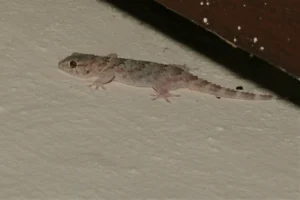
But if someone prefers not to have geckos inside, gentle removal works best.
You can guide them toward open windows, keep doors closed at night, or reduce indoor lights that attract insects.
There’s no need to kill or harm them because they aren’t dangerous. Simple redirection works.
Conclusion
Geckos might look mysterious with their big eyes, sticky toes, and quiet movements, but they aren’t dangerous to humans in any real sense.
They don’t have venom. They don’t carry poison. They don’t attack people, children, or pets. They rarely bite, and when they do, the bite is harmless.
The only real effect they have on your home is eating the bugs you don’t want around in the first place.
So the next time you see a little gecko sitting calmly on your wall like it pays rent, you don’t need to panic or feel uneasy.
It’s just a tiny reptile trying to live its life, avoid danger, and grab a midnight snack.
And most of the time, it’s doing you a favor by keeping your insect population under control.

Hi, my name is Ezra Mushala, i have been interested animals all my life. I am the main author and editor here at snakeinformer.com.