
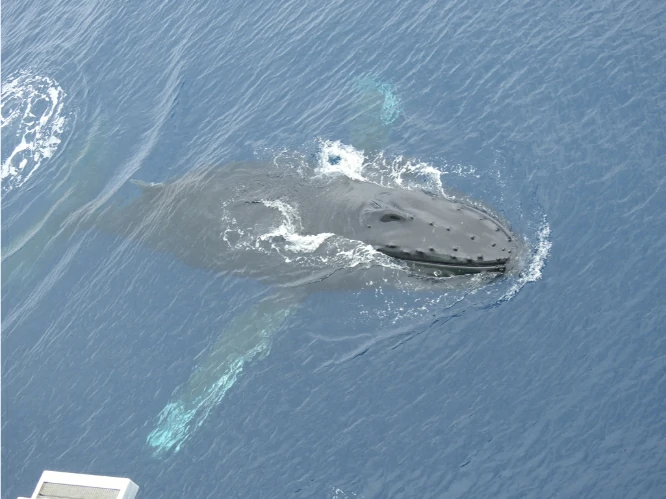
Whales are the largest animals on Earth, with some species weighing over 200 tons and reaching lengths of 100 feet or more. Their size alone makes them powerful and potentially dangerous.
But despite sharing the ocean with humans for thousands of years, have whales ever actually killed people?
Yes, whales have killed humans, but these deaths are extremely rare. Most fatal whale encounters happened during the whaling era when people hunted whales and the whales fought back. Modern deaths from whales are very uncommon and usually involve accidents like boats being capsized or people being hit by a whale’s tail or body.
It’s important to understand that when whales kill people, it’s almost never an attack in the way we think of predators hunting prey.
Whales don’t eat humans and don’t see us as food. Deaths happen because of defensive behavior, accidents, or cases where the whale simply doesn’t realize a human is there.
Deaths During the Whaling Era
Most documented whale killings of humans happened in the 1700s, 1800s, and early 1900s when commercial whaling was common. Whalers hunted whales from small boats, and the whales often fought back violently.
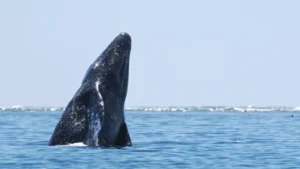
When a whale was harpooned, it would frequently attack the boat and crew. Sperm whales were particularly known for this.
They would ram boats with their heads, smash boats with their tails, or drag boats underwater.
Many whalers drowned when their boats were destroyed. Others were killed by direct impacts from the whale’s body or tail. These deaths happened because the whale was fighting for its life, not because it was trying to hunt humans.
Historical whaling records show dozens, probably hundreds, of whalers killed by whales during this period.
The exact number is hard to know because record-keeping wasn’t always good, especially for smaller whaling operations.
The Sinking of the Essex
One of the most famous whale attacks happened in 1820 when a sperm whale sank the whaling ship Essex.
The ship was hunting whales in the Pacific Ocean when an enormous sperm whale rammed it twice, creating holes that caused the ship to sink.
The crew escaped in small boats, but they were stranded thousands of miles from land. Most of the crew died from starvation, dehydration, and exposure during the months they spent trying to reach safety.
Only eight of the 21 crew members survived.
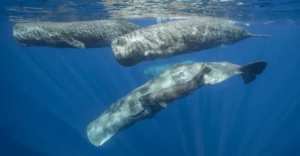
This incident inspired the novel Moby-Dick and showed how dangerous whale hunting could be.
However, it’s worth noting that the men didn’t die from the whale directly killing them. They died from being stranded at sea after the whale sank their ship.
The whale’s behavior was likely defensive. The ship had been actively hunting and killing whales, and the whale that attacked may have been protecting itself or its pod.
Modern Whale-Related Deaths
Deaths from whales in modern times are much rarer than during the whaling era.
This is partly because large-scale whaling is mostly banned, and partly because people have learned to give whales more space.
However, deaths still occasionally happen. In 2020, a whale capsized a fishing boat off the coast of Australia, and one person drowned.
The whale likely didn’t even realize the boat was there and accidentally hit it while surfacing.
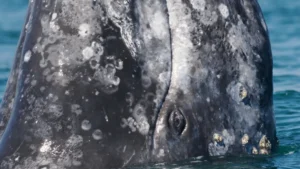
In 2013, a gray whale capsized a boat in Baja California, Mexico, killing a Canadian tourist. The whale came up underneath the boat during a whale watching tour. Again, this was almost certainly an accident, not an attack.
Small boats are at the highest risk. When a whale surfaces near a kayak or small motorboat, the whale’s body can easily flip the boat.
If the person hits their head, gets trapped under the boat, or can’t swim, they can drown.
Deaths at Marine Parks
There have been several deaths at marine parks involving captive orcas (killer whales). The most well-known incidents involved an orca named Tilikum at SeaWorld.
Tilikum was involved in three human deaths between 1991 and 2010. The most publicized was the death of trainer Dawn Brancheau in 2010.
Tilikum pulled her into the water and she drowned.
These incidents are different from wild whale encounters because captive orcas live in very unnatural conditions. They’re kept in small tanks, separated from their families, and forced to perform tricks. This stress likely contributed to the aggressive behavior.
Wild orcas have never been documented killing a human in the wild. Despite their name “killer whales,” they don’t appear to view humans as prey or threats when they’re living naturally in the ocean.
What Types of Injuries Do Whales Cause?
When whales do harm humans, certain types of injuries are most common. Being hit by a whale’s tail (called the fluke) is extremely dangerous.
The tail can weigh several tons and moves with incredible force. A direct hit can cause massive trauma, broken bones, or death.
Being struck by a whale’s body is another common cause of injury or death. When a whale surfaces or breaches (jumps out of the water), it might land on a boat or hit a person in the water. The sheer weight can crush someone instantly.
Drowning is often the actual cause of death rather than direct trauma. A person might be knocked unconscious by a hit, or their boat might capsize, leaving them unable to swim to safety.
In very rare cases, people have been injured by being briefly caught in a whale’s mouth during feeding. This happened to the lobster diver in 2021, though he survived with only bruises and soft tissue damage.
Why Whales Don’t Normally Attack Humans
Whales are not naturally aggressive toward humans. They’re not predators that hunt people, and they don’t see us as threats under normal circumstances. In fact, whales often seem curious about humans and approach boats or swimmers peacefully.
Baleen whales like humpbacks and blue whales eat tiny fish and krill. They have no interest in anything as large as a human. Their throats are too small to swallow us anyway.
Even toothed whales like sperm whales and orcas, which do hunt larger prey, don’t target humans. Orcas in the wild hunt seals, fish, and sometimes other whales, but there’s no documented case of a wild orca killing a person.
When whales do cause human deaths, it’s almost always accidental or defensive, not predatory.
Sperm Whales and Aggressive Behavior
During the whaling era, sperm whales developed a reputation as the most aggressive whales toward humans.
They would actively fight back when hunted, using their massive heads as battering rams.
Sperm whales have the largest brains of any animal on Earth and appear to be highly intelligent. Some historians believe that sperm whales learned to recognize whaling ships and would attack them on sight.
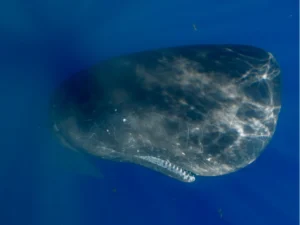
There are accounts of sperm whales that became famous (or infamous) for sinking multiple whaling ships. Moby-Dick was based partly on a real whale called Mocha Dick that supposedly destroyed numerous whaling boats in the 1800s.
However, in modern times, sperm whales don’t show this aggressive behavior toward humans. They generally avoid boats and people. This suggests their historical aggression was a learned response to being hunted, not natural behavior.
Humpback Whales and Accidental Encounters
Humpback whales are responsible for some modern whale-related injuries and deaths, but these are accidents, not attacks. Humpbacks are actually known for being relatively friendly toward humans.
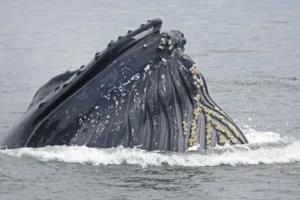
The problem is their size and their feeding behavior. Humpbacks often feed at the surface using a technique called lunge feeding. They rush up from below with their mouths wide open, taking in huge gulps of water and fish.
If a boat or person is in the wrong spot at the wrong time, they can get caught up in this feeding behavior. The 2021 lobster diver incident was exactly this.
The whale didn’t mean to scoop him up, it just happened to be feeding where he was diving.
Humpbacks also breach (jump out of the water) frequently, sometimes landing very close to boats. If a 40-ton whale lands on or near a small boat, the results can be catastrophic.
Gray Whales and Protective Mothers
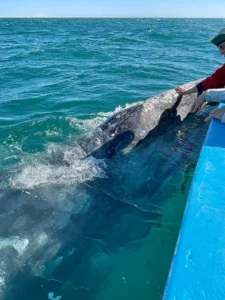
Gray whales are generally calm around humans, but mother gray whales with calves can be defensive. There have been incidents where mother gray whales have bumped or hit boats that got too close to their babies.
In Baja California, where gray whales gather to breed and give birth, there have been several cases of mother whales capsizing boats. In most cases, everyone survived, but as mentioned earlier, there was at least one fatal incident in 2013.
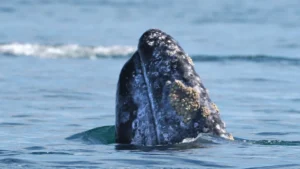
This defensive behavior makes sense. Mother whales are protecting their young from what they perceive as a threat. It’s not aggression, it’s maternal protection.
Whale watching operators in these areas know to keep extra distance from mothers with calves for this reason.
Right Whales and Ship Strikes
Right whales get their name because whalers considered them the “right” whale to hunt (they were slow, floated when dead, and had lots of valuable blubber and baleen). Today, they’re critically endangered.
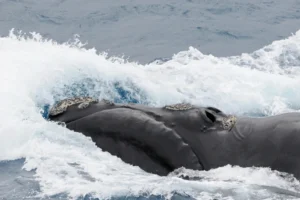
Right whales move slowly and spend a lot of time near the surface. This makes them vulnerable to being hit by ships. While this usually kills the whale, there have been cases where ship-whale collisions injured or killed people on the ship.
When a ship hits a large whale at high speed, the impact can damage the ship. Crew members have been injured by the collision or by parts of the ship breaking.
These incidents are rare but show that whale encounters can be dangerous even when the whale isn’t trying to harm anyone.
Blue Whales and Their Size
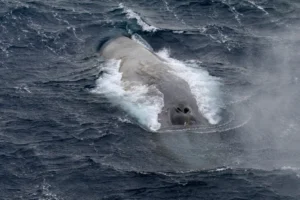
Blue whales are the largest animals ever to exist on Earth. An adult blue whale can weigh 200 tons and reach 100 feet long. Their tail alone can be 25 feet across.
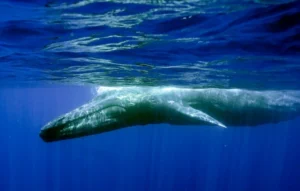
Despite their enormous size, blue whales are not aggressive and are rarely involved in incidents with humans. They’re filter feeders that eat krill and don’t pay much attention to boats or people.
However, their sheer size means that any accidental contact is potentially deadly. A blue whale surfacing underneath a boat could easily capsize it without even noticing. The whale’s tail moving through the water creates powerful currents that could flip a kayak.
Fortunately, blue whales seem to be aware of boats and usually avoid them. Fatal encounters between blue whales and humans are extremely rare.
Orcas in the Wild vs. Captivity
It’s important to distinguish between wild orcas and captive orcas. As mentioned earlier, captive orcas have killed several people. But wild orcas have a completely different record.
There is not a single confirmed case of a wild orca killing a human. This is remarkable considering that orcas are apex predators that hunt seals, sea lions, and even other whales.
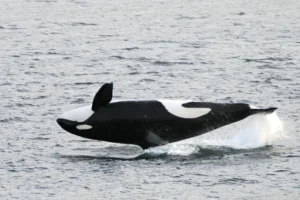
Wild orcas sometimes approach swimmers, divers, and boats with curiosity, but they don’t attack. There have been a handful of cases where orcas bit surfboards or kayaks, but these incidents seem to be playful or investigative, not aggressive.
The difference between wild and captive orcas shows how much environment affects behavior. In the wild, orcas live in family groups, travel vast distances, and hunt naturally. In captivity, they’re stressed and confined.
Whale Watching Safety and Regulations
Modern whale watching regulations exist partly to prevent human deaths. In most countries, boats must stay at least 100 feet away from whales (some places require even more distance).
These rules protect both the whales and the people. When boats get too close, whales can accidentally hit them, or the boat’s propeller can injure the whale. Keeping distance reduces both risks.
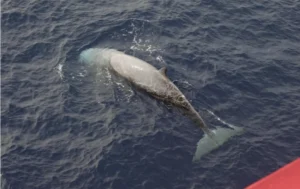
Professional whale watching operators know how to read whale behavior and keep their boats in safe positions. They avoid areas where whales are feeding actively or where mothers have calves.
Despite these precautions, accidents still occasionally happen. Whales can surface unpredictably, and even experienced operators can’t always predict what a whale will do.
How Rare Are Whale Deaths Actually?
To put things in perspective, whale-related deaths are incredibly rare. Millions of people go whale watching every year, and millions more swim, surf, and boat in waters where whales live. Deaths are extremely uncommon.
You’re far more likely to be killed by lightning, a dog bite, a bee sting, or drowning in general than by a whale. Whales kill maybe one or two people per year worldwide, if that.
During the whaling era, deaths were more common, but that was because people were actively hunting and harming whales. The whales were defending themselves.
In the modern context where most people interact with whales peacefully, fatal encounters are exceptionally rare events that make the news precisely because they’re so unusual.
What to Do If a Whale Gets Too Close
If you’re in a boat or the water and a whale approaches closely, stay calm. Sudden movements might startle the whale. If you’re in a boat, turn off the engine if possible. Noise and propeller movement can confuse or agitate whales.
Don’t try to touch the whale, even if it seems friendly. This is illegal in many places and can be dangerous. A whale might react unpredictably to being touched.
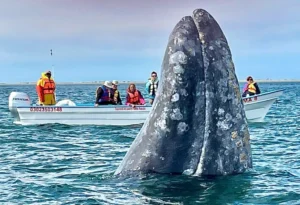
If you’re in the water, don’t swim toward the whale or try to block its path. Give it plenty of space to move away. If the whale is between you and your boat, wait for it to move rather than trying to swim past it.
If a whale is actively feeding near you, get out of the area quickly but calmly. Feeding whales are less aware of their surroundings and more likely to accidentally hit you.
Historical Perceptions vs. Modern Understanding
Historically, many cultures feared whales as monsters or sea dragons. Stories like Moby-Dick portrayed whales as vengeful, dangerous creatures. These views made sense in an era when people regularly fought whales and saw them sink ships.
Modern research has completely changed our understanding. We now know whales are intelligent, social, and generally peaceful animals. They have complex communication, family bonds, and behaviors that suggest high intelligence and even empathy.
Cases where whales have helped other species (including humans) have been documented. There are stories of whales protecting people from sharks, supporting injured dolphins, and showing what seems like compassion toward other animals.
This doesn’t mean whales can’t be dangerous, especially given their size, but it changes how we think about that danger. It’s the danger of being near a powerful animal, not the danger of being near a malicious predator.
Conservation and Future Interactions
As whale populations recover from centuries of hunting, humans and whales will interact more often. More whales means more chances for encounters, both positive and negative.
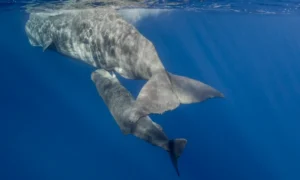
Conservation efforts focus on reducing negative interactions. This includes ship speed limits in whale areas, better fishing gear that whales can’t get tangled in, and education about keeping safe distances.
At the same time, whale watching is becoming more popular, bringing economic benefits to coastal communities and helping people appreciate these animals. The challenge is balancing access with safety and conservation.
Most experts believe that as we learn more about whale behavior and implement better safety practices, whale-related deaths will become even rarer than they already are.
Conclusion
Yes, whales have killed humans, but these deaths are extremely rare and almost never involve the whale intentionally hunting or attacking people.
Most historical deaths happened during the whaling era when people were hunting whales and the whales fought back defensively.
Modern deaths from whales are accidents caused by the whale’s enormous size and power, not by aggression or predatory behavior.
A whale surfacing near a boat, turning suddenly, or feeding at the surface can accidentally cause fatal injuries to nearby humans.
The most important thing to remember is that whales are not our enemies. They don’t see humans as prey or threats under normal circumstances.
By respecting their space, following safety guidelines, and understanding their behavior, we can share the ocean with these magnificent animals safely.
The fact that whale deaths are so rare, despite millions of whale-human interactions every year, actually shows how non-aggressive whales are. These gentle giants deserve our respect and protection, not our fear.

Hi, my name is Ezra Mushala, i have been interested animals all my life. I am the main author and editor here at snakeinformer.com.