
If you’ve ever kept lizards as pets or studied reptiles, you might wonder about their reproductive life cycle. Mammals like humans experience menopause, where females stop being able to reproduce after a certain age.
This got many people curious about whether reptiles follow the same pattern. Do lizards go through menopause like mammals do?
No, lizards don’t go through menopause. Female lizards can keep producing eggs throughout their entire lives as long as they stay healthy. Unlike mammals, reptiles don’t have a biological clock that stops their ability to reproduce as they age.
This is actually one of the biggest differences between how reptiles and mammals handle reproduction.
While human women and most female mammals stop producing eggs at a certain age, lizards just keep going.
Their reproductive systems work completely differently from ours.
Why Don’t Lizards Experience Menopause?
Menopause happens in mammals because of how their reproductive system is built.
Female mammals are born with all the eggs they’ll ever have, and once those eggs run out or become too old to work properly, they can’t reproduce anymore.
Lizards work differently. They don’t have a fixed number of eggs from birth. Instead, their bodies keep making new eggs as long as they’re alive and healthy.
It’s kind of like how their scales keep growing back when damaged, or how some lizards can regrow their tails.
Research on reptile reproduction shows that female lizards maintain their egg-producing ability throughout their lifespan. Their ovaries don’t shut down with age the way mammal ovaries do.
How Long Can Lizards Keep Reproducing?
A healthy female lizard can lay eggs from the time she reaches sexual maturity until she dies. For most lizard species, they become sexually mature somewhere between 1 to 3 years old, depending on the species.
Some lizards live for just a few years, while others can live for decades.
A bearded dragon might live 10-15 years, and a female can keep laying eggs during all those years if she’s healthy and has access to males.
Larger lizards like iguanas can live even longer, sometimes up to 20 years or more. Throughout their entire lives, they can still produce eggs if conditions are right.
But here’s the thing: just because they can reproduce doesn’t mean they always will. Their ability to lay eggs depends on their health, diet, stress levels, and environment.
What Affects a Lizard’s Ability to Lay Eggs?
Even though lizards don’t go through menopause, they can still stop laying eggs if something’s wrong. Poor health is the biggest factor.
If a lizard isn’t getting the right nutrients, especially calcium and vitamins, her body might not be able to produce healthy eggs.
Temperature plays a huge role too. Lizards are cold-blooded, which means their body temperature depends on their environment. If it’s too cold, their metabolism slows down, and they might not be able to reproduce.
Stress can also shut down reproduction. A lizard that’s constantly stressed from being handled too much, living in a bad environment, or not having enough space might stop producing eggs even if she’s physically capable.
Studies on reptile physiology have shown that environmental conditions directly impact reproductive success in lizards. When conditions aren’t right, they just won’t breed.
Do Older Lizards Lay Fewer Eggs?
While lizards don’t experience menopause, older lizards might lay fewer eggs than younger ones. This isn’t because they’re running out of eggs, but because their overall health and energy levels change with age.
A young, healthy lizard in her prime might lay larger clutches of eggs more frequently. As she gets older, she might lay smaller clutches or skip breeding seasons.
Think of it like this: an older lizard can still make eggs, but she might not have as much energy to put into reproduction. It’s not a biological shutdown like menopause, it’s just the natural effects of aging.
Some older lizards actually become better mothers because they’ve had more experience. They know better where to lay their eggs and how to prepare nesting sites.
Can Female Lizards Lay Eggs Without Males?
This is where things get really interesting. Some female lizards can actually lay eggs even if they’ve never been around a male. These are called infertile eggs, and they won’t hatch because they weren’t fertilized.
If you keep a female lizard as a pet and she’s never been with a male, don’t be surprised if she still lays eggs. It’s completely normal.
Her body goes through the egg-producing cycle whether a male is around or not.

Some species, like certain whiptail lizards, can even reproduce without males at all through a process called parthenogenesis. The females basically clone themselves. But most common pet lizards need males to produce babies.
Even without menopause, a female lizard’s reproductive system keeps working on its own schedule throughout her life.
Which Animals Actually Go Through Menopause?
Menopause is actually pretty rare in the animal kingdom. Humans are one of the few species that experience it. Some whale species, like orcas and pilot whales, also go through menopause.
Research has found that only a handful of mammal species stop reproducing before they die. Most animals, including all reptiles, can keep reproducing until the end of their lives.
Scientists think menopause evolved in humans and some whales because older females help raise their grandchildren.
This “grandmother effect” helps the whole family survive better.
Lizards don’t have this family structure. Most lizards don’t care for their young at all after laying eggs. The babies hatch and are on their own from day one. So there’s no evolutionary reason for them to stop reproducing.
What Happens to Old Female Lizards?
Since lizards don’t go through menopause, what actually happens when they get old? Most lizards in the wild don’t live long enough to die of old age. They’re eaten by predators, get sick, or face harsh environmental conditions.
In captivity, where lizards are protected and well-fed, they can live much longer. An old captive lizard might slow down, eat less, and become less active.
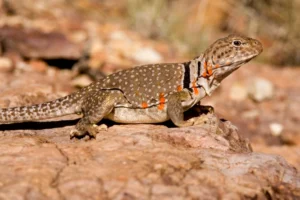
But her reproductive organs don’t just shut down like they would in a mammal.
If an old lizard is healthy and has the right conditions, she can still lay eggs. It might happen less often, and the clutches might be smaller, but the ability is still there.
Some lizard owners actually choose to stop breeding their older females even though they physically could still reproduce. Egg laying takes a lot of energy and calcium, and it can be hard on an older lizard’s body.
Should You Breed an Older Pet Lizard?
Just because a lizard can keep reproducing doesn’t mean she should. If you have an older female lizard, you need to think carefully about whether breeding is a good idea.
Egg laying puts a lot of stress on a lizard’s body. She needs extra calcium, extra food, and extra energy. An older lizard might not have the same reserves as a younger one.
Egg binding (when eggs get stuck inside) becomes more common in older lizards. This is a serious medical emergency that can kill your pet if not treated quickly.
Many experienced reptile keepers recommend stopping breeding programs once a lizard reaches a certain age, even though she’s still physically capable. It’s about quality of life and keeping your pet healthy.
If your older female is laying infertile eggs on her own and it’s causing problems, a vet can give her hormone treatments to stop egg production.
This isn’t menopause, but it can give her body a break.
How Do Lizards Compare to Other Reptiles?
Lizards aren’t the only reptiles that can reproduce throughout their lives. Snakes, turtles, and crocodiles all work the same way. None of them go through menopause.
Turtles are famous for this. Some sea turtles live for over 100 years, and females can still lay eggs when they’re 80 or 90 years old. Their reproductive systems just keep working.
Crocodiles and alligators can also reproduce for their entire lives. A 50-year-old female crocodile can still lay eggs if she’s healthy.
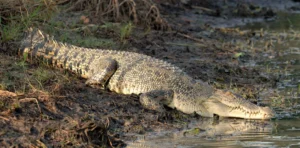
This is a basic feature of reptile biology. Their reproductive systems are built to keep working as long as the animal is alive.
It’s completely different from how mammals handle reproduction.
Conclusion
Lizards don’t go through menopause. They can keep producing eggs throughout their entire lives as long as they’re healthy. This is true for all reptiles, not just lizards.
While older lizards might lay fewer eggs or take breaks from breeding, this isn’t because their reproductive system is shutting down.
It’s just the natural effects of aging and energy levels. Their bodies can still make eggs, even if they choose not to use that ability.
If you keep lizards as pets, remember that your female can potentially lay eggs at any age. Make sure she has proper nutrition, especially calcium, and watch for signs of egg binding. Just because lizards don’t have menopause doesn’t mean breeding is always a good idea, especially for older animals.
Understanding how lizard reproduction works helps you take better care of your pets and appreciate how different reptiles are from mammals like us.

Hi, my name is Ezra Mushala, i have been interested animals all my life. I am the main author and editor here at snakeinformer.com.