
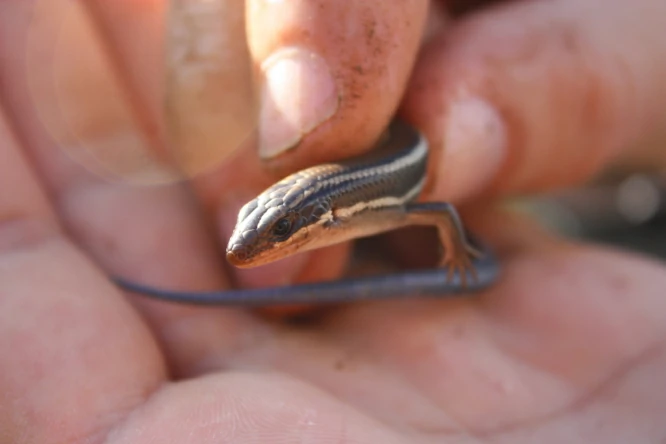
If you live in a warm climate, you might have spotted a lizard or two near your air conditioning unit. But can these little reptiles actually get inside your AC system and make their way into your house?
Can lizards come through AC?
Yes, lizards can get into your air conditioning system through vents, gaps, and drain holes. They’re especially attracted to the warm environment inside AC units. Once inside, they can get into your ductwork and sometimes make their way into your home through your AC vents.
This is more common than you’d think, especially with smaller lizards like geckos. They can squeeze through surprisingly small openings.
Why Lizards Love Air Conditioning Units
Lizards are cold-blooded, which means they can’t make their own body heat. They need to find warm places to keep their body temperature up.
The circuit boards and electronic parts inside your AC unit give off heat. To a lizard, this is like finding a cozy heated bed.
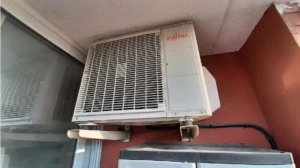
The outdoor unit of your AC is particularly attractive to lizards. It’s usually in a sheltered spot, protected from rain and predators. Plus, it’s warm inside when the unit is running.
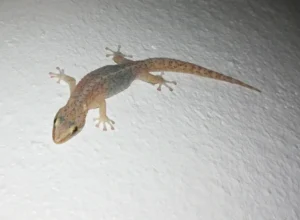
Geckos are the biggest culprits here. These small lizards are amazing climbers and can walk up walls and across ceilings.
They can get into openings that seem way too small for them.
How Lizards Get Inside Your AC System
AC units aren’t designed to keep lizards out. They have lots of entry points that lizards can use.
Drain holes are one of the main ways in. Your AC unit needs these holes to let water drain out. But they’re also perfect gecko-sized doorways.
The vents on the outside of your AC unit are another entry point. These vents need to be there for airflow, but they’re not usually screened well enough to keep out small lizards.
Gaps around where the unit connects to your house can also let lizards in. If the installation wasn’t perfect or if caulking has cracked over time, lizards can find their way through.
Once a lizard gets into the outdoor unit, it can sometimes make its way into the ductwork. From there, it’s got access to your whole HVAC system.
The Problems Lizards Cause in AC Systems
Having a lizard in your AC unit isn’t just gross. It can actually cause serious damage.
When lizards walk across circuit boards, they can cause short circuits. Their bodies can connect two parts that aren’t supposed to touch, which sends electricity where it shouldn’t go.
This can fry expensive electronic components. Replacing a circuit board in an AC unit can cost over $3,000. That’s a lot of money for one little lizard.
If a lizard gets caught in the blower fan, it’ll get chopped up. This creates blockages that make your AC work less efficiently. Your energy bills go up because the system has to work harder to push air through.
The worst part is when a lizard dies inside your AC system. The smell is absolutely horrible. Dead lizards produce a stink that spreads through your whole house every time you run the AC.
Studies on HVAC issues show that small animals in ductwork can also leave behind parasites and bacteria that get blown into your home.
Can Lizards Get Into Your House Through Vents?
Yes, but it depends on your system setup. If a lizard gets into your ductwork, it can potentially crawl all the way to your indoor vents.
Interior vents usually have some kind of cover, but these aren’t designed to keep animals out. A determined gecko could probably squeeze through the gaps in a standard vent cover.
Most lizards that make it into houses through AC systems are small ones like geckos. Larger lizards usually can’t fit through the ductwork.
If you’ve seen a lizard come out of a vent in your house, there’s probably a gap or hole somewhere in your ductwork that’s letting them in.
Sometimes lizards don’t actually come through the vents themselves. Instead, they die in the ductwork, and you just smell them. But the smell coming through your vents might make you think there’s a lizard right there.
Signs You Have a Lizard in Your AC
The most obvious sign is the smell. If your AC suddenly starts blowing out a terrible rotting smell, there’s probably a dead lizard (or other small animal) somewhere in the system.
You might hear scratching or rustling sounds coming from your vents or outdoor unit. This is the lizard moving around inside.
If your AC suddenly stops working or starts working poorly, a lizard might have caused a short circuit or blockage.
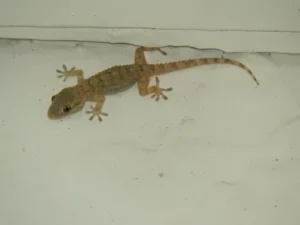
Lizard droppings around your outdoor unit or near your vents are another clear sign. Gecko poop looks like small dark pellets with a white tip.
Sometimes you’ll actually see a lizard near your AC unit, especially at night. Geckos are nocturnal and come out to hunt for insects that gather around outdoor units.
How to Keep Lizards Out of Your AC
The best approach is to make it harder for lizards to get in. You can’t completely gecko-proof an AC unit, but you can make it way less attractive.
- Install mesh screens over your outdoor unit’s vents. These let air flow through but keep lizards out. You can buy these at hardware stores or have an HVAC professional install them.
- Plug up extra drain holes. Most AC units have multiple drain holes, but you only need one for water to escape. Your manufacturer might sell a drain kit with plugs for the other holes.
- Apply a protective coating to your circuit boards. HVAC professionals can spray products like Action Corrosion on your electronics. This creates a barrier between the circuit board and any lizards that get in.
Some people have success with natural deterrents. Lizards don’t like the smell of mothballs, so placing these in and around your outdoor unit might help keep them away.
Natural Repellents That Might Work
- Lanolin spray is another option. Lizards don’t like the smell of lanolin, so spraying it on circuit boards and around your unit might deter them.
- Onions cut up and placed near your AC unit can work too. Lizards avoid the strong smell.
- Eggshells scattered around your outdoor unit might keep lizards away. Some people swear by this method, though it’s not clear exactly why it works.
- Pepper spray (made from water and hot peppers) can be sprayed around entry points. The irritating effect keeps lizards from wanting to get close.
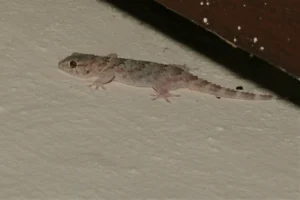
Keep in mind that none of these methods are 100% effective. They might reduce the problem but probably won’t eliminate it completely.
Professional Solutions for Gecko Problems
If you’re in an area where gecko problems are common (like parts of Australia or the southern US), you might need professional help.
HVAC companies in these areas often offer gecko protection services. They’ll apply multiple coats of protective coating to your electronics and seal up entry points.
This usually needs to be redone every year or two to stay effective. The coatings wear off over time.
Some manufacturers now make AC units with better protection against small animals. If you’re replacing your unit anyway, ask about gecko-resistant models.
Placing your outdoor unit lower to the ground can also help. Geckos like to stay high up where they can bask in the sun and avoid ground predators. A ground-level unit is less attractive to them.
What to Do If a Lizard Gets In
If you know a lizard is already in your AC system, turn off the unit right away. Running it could kill the lizard and cause the horrible smell problem.
Call an HVAC professional to open up the unit and remove the lizard. Don’t try to do this yourself unless you really know what you’re doing. AC units have high-voltage components that can be dangerous.
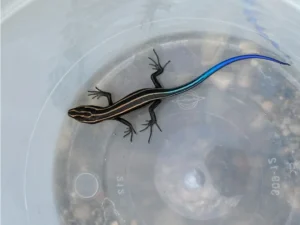
If you can see the lizard and it’s still alive, you might be able to catch it yourself. Use a container and a piece of cardboard to trap it, then release it far from your house.
After removing the lizard, have your HVAC system checked for damage. Even if everything seems fine, the lizard might have caused problems you can’t see.
Clean your ductwork if the lizard got in there. Dead lizards can leave behind bacteria and parasites that you don’t want blowing through your house.
The Smell Problem and How Long It Lasts
If a lizard dies in your AC, the smell can last for days or even weeks. It depends on how big the lizard was and where it died.
Some people just stop using their AC until the smell goes away. In hot climates, this can be torture, but it might be better than breathing in that stink.
The smell comes from the decomposition process. As the body breaks down, it releases gases that really, really stink.
You can’t usually just spray air freshener and make it go away. The source needs to be removed, or you need to wait for the body to fully decompose.
Once the body is completely dried out (which can take weeks), the smell finally stops. But that’s a long time to deal with a terrible odor in your house.
Regional Differences in Lizard Problems
This problem is way worse in some places than others. Warm, humid areas have the most issues.
Parts of Australia deal with geckos in AC units constantly. It’s such a common problem that AC companies there automatically offer gecko protection services.
The southern United States, especially Florida and Texas, also sees a lot of these issues. House geckos are everywhere in these states.
Tropical and subtropical climates anywhere in the world can have this problem. If you’re in a place where you see lizards regularly, your AC is probably at risk.
In cooler climates, lizards in AC units are basically unheard of. The lizards aren’t active enough or common enough to cause problems.
Prevention Is Worth the Effort
Dealing with a gecko-damaged AC unit is expensive and gross. Prevention is definitely worth the time and money.
Regular AC maintenance helps catch problems early. A technician can spot signs of animal intrusion before it becomes a bigger issue.
Keeping vegetation trimmed back from your outdoor unit helps too. Bushes and tall grass give lizards cover to approach your unit without being seen by predators.
Don’t leave lights on near your outdoor unit at night. Lights attract insects, and insects attract lizards. It’s a whole food chain leading right to your AC.
Check around your unit regularly for signs of lizards. If you catch the problem early, you can take action before they get inside.
Common Questions About Lizards and AC
Can lizards come through split ac?
Can lizards come though window ac?
Conclusion
Lizards can definitely get into your AC system through vents, drain holes, and gaps. They’re attracted to the warmth inside the unit and see it as a perfect place to hang out.
Once inside, they can cause serious damage to expensive electronics, create blockages, and produce awful smells if they die in there. In some cases, they can even make their way into your house through the ductwork.
The best approach is prevention. Install mesh screens, plug extra drain holes, use natural repellents, and consider professional gecko-proofing if you live in an area where this is a common problem.
If a lizard does get into your system, turn off your AC right away and call a professional to remove it. The cost of professional help is way cheaper than the cost of replacing fried circuit boards or dealing with weeks of terrible smell.
Regular maintenance and inspection can catch these problems early before they become expensive nightmares. In warm climates, protecting your AC from lizards should be part of your regular home maintenance routine.

Hi, my name is Ezra Mushala, i have been interested animals all my life. I am the main author and editor here at snakeinformer.com.