

Finding a lizard in your sink or bathtub can be pretty unsettling. You might wonder if it crawled up through the drain. After all, if rats and snakes can come through plumbing, why not lizards? Can lizards actually come through the drain?
No, lizards almost never come through drains. Drains have water traps that create a barrier, and lizards can’t swim well enough to make it through. If you find a lizard near your drain, it probably got into your bathroom another way and just ended up near the sink or tub.
While technically possible in rare cases, it’s extremely unlikely. Lizards face too many barriers in drain pipes, and they don’t have any reason to go down there in the first place.
There are much easier ways for them to get into your house.
Why Drains Are Bad for Lizards
Your drain system is built in a way that makes it really hard for animals to use it as an entrance. There are several reasons why lizards can’t come up through your drains.
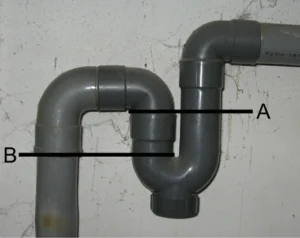
Every drain in your home has what’s called a P-trap or S-trap. This is that curved section of pipe under your sink.
It stays filled with water all the time, which stops sewer gases from coming up into your house. But it also stops animals from climbing through.
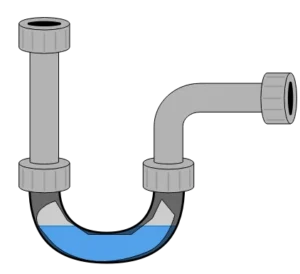
For a lizard to come through your drain, it would have to swim through this standing water. Research on lizard aquatic behavior shows that most lizards can’t do this.
They’re not good swimmers, and they’d drown before making it through the trap.
Even if a lizard could hold its breath long enough, drain pipes are smooth and vertical in many places. Studies on lizard locomotion show that lizards need texture to grip when they climb.
The inside of PVC or metal drain pipes is too slick for them to get any traction.
The pipes also go down deep into your home’s plumbing system and connect to sewer lines.
A lizard would have to travel through many feet of pipe, deal with other people’s wastewater, and somehow know which way to go. It just doesn’t make sense.
How Lizards Actually Get Into Your Bathroom
If you found a lizard near your drain, it didn’t come through the drain. It got into your bathroom the normal way – through gaps, cracks, or open windows and doors.
Lizards can squeeze through surprisingly small gaps. If you have a crack under your bathroom door, around the window frame, or where pipes enter the wall, that’s how the lizard got in. They only need about a quarter-inch opening.
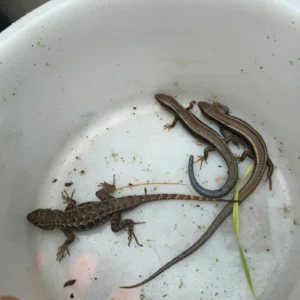
Open windows without screens are an obvious entry point. Even a window that’s just cracked open a little bit can let a small lizard slip inside.
They’re attracted to the light and might wander in looking for bugs.
Gaps around your pipes where they come through the walls or floor are common entry spots. When plumbers install pipes, they sometimes leave small openings that aren’t properly sealed.
A lizard can use these to get from outside walls or crawl spaces into your bathroom.
Sometimes lizards are already in your house somewhere else and just wander into the bathroom.
They might be living in your attic, walls, or garage, and they found their way to your bathroom through interior gaps.
What About Floor Drains and Shower Drains?
You might think floor drains or shower drains are different from sink drains, but they work the same way. They all have water traps that would stop a lizard.
Floor drains in basements or garages do have one difference though. If the drain isn’t used regularly, the water in the trap can evaporate.
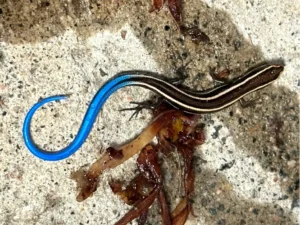
This leaves the pipe open and might let sewer gases come up.
But even with a dry trap, it’s still really unlikely a lizard would come through. They’d have to somehow get into your sewer line from outside, navigate through the plumbing system, and climb up vertical pipes. This almost never happens.
Shower drains are even less likely entry points because you use them regularly. The water trap always has fresh water in it. Plus, you’d probably wash the lizard right back down if it somehow made it that far.
Can Lizards Survive in Drain Pipes?
Even if a lizard accidentally fell down your drain, it couldn’t survive in there for long. Drain pipes aren’t a good environment for reptiles.
There’s no food in your drain pipes. Lizards eat insects and other small creatures. Your drains might have some organic matter, but not the live prey that lizards need.
It’s dark in the pipes. Most lizards need light to regulate their body temperature and stay active. Without sunlight or warmth, a lizard would become sluggish and weak.

The water and chemicals in your drains would also hurt a lizard. Every time someone uses a sink or flushes a toilet, water and soap rush through the pipes. A lizard trapped in there would get battered by all that flow.
Lizards also need to breathe air. Being in pipes with limited oxygen and lots of moisture isn’t good for them. They’d either drown in the water trap or suffocate from lack of oxygen.
Animals That Actually Do Come Through Drains
While lizards don’t come through drains, there are some animals that actually can. It’s helpful to know what’s possible and what’s not.
Rats are probably the most common animal to come up through drains. They’re excellent swimmers and can hold their breath long enough to get through water traps. They can also squeeze through really small pipes.
Snakes can sometimes come through drains, especially smaller species. Research on reptile aquatic locomotion confirms that some snakes are good swimmers and can navigate through pipes.

But this is pretty rare and usually only happens if your sewer line has breaks or openings.
Frogs and toads can occasionally come up through drains. Like snakes, they’re comfortable in water and can swim through traps. You’re more likely to see this in rural areas or places with septic systems.
Insects definitely come through drains. Drain flies, cockroaches, and other bugs can breed in the organic buildup inside pipes and climb up to your sink.
But insects are much different from lizards in terms of their abilities.
What to Do If You Find a Lizard Near Your Drain
If you spot a lizard in your sink, bathtub, or near a floor drain, here’s what you should do. Remember, it didn’t come through the drain, so you don’t need to worry about that.
- Stay calm. The lizard is probably more scared than you are. It’s just looking for a way out. Don’t try to kill it or flush it down the drain. That’s cruel and unnecessary.
- Try to catch it with a cup or container. Gently place a cup over the lizard, then slide a piece of cardboard under the cup. This traps the lizard without hurting it.
- Carry it outside and release it away from your house.
If you can’t catch it, the lizard will probably find its own way out eventually. Leave a door or window open if possible. Most lizards will head toward light and fresh air.
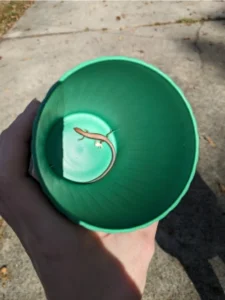
After you remove the lizard, figure out how it got in. Check for gaps around pipes, cracks near windows and doors, and holes in screens. Seal these entry points so more lizards don’t come in the same way.
How to Keep Lizards Out of Your Bathroom
Since lizards don’t come through drains, you need to focus on sealing the real entry points into your bathroom and home.
- Check all your window screens for tears or gaps. Even a small hole can let a lizard in. Replace damaged screens and make sure they fit tightly in the frame.
- Seal gaps around pipes and wires where they enter your walls. You can use caulk, expanding foam, or steel wool depending on the size of the gap. Pay special attention to areas under sinks where pipes come through the wall or floor.
- Install door sweeps on exterior doors. These rubber or bristle strips attach to the bottom of your door and seal the gap between the door and floor. This stops lizards (and bugs) from crawling underneath.
- Keep doors and windows closed, especially at night when lizards are most active. If you want fresh air, make sure you have intact screens.
- Fix any cracks in your foundation or exterior walls. These don’t lead directly to your bathroom, but they give lizards a way into your house. Once they’re inside, they can wander anywhere.
Why People Think Lizards Come Through Drains
The myth about lizards coming through drains is pretty common. There are a few reasons why people believe this even though it’s not true.
When you find a lizard in your bathtub or sink, it’s natural to think it came through the drain. After all, that’s where it is.
But lizards often end up in tubs and sinks because they’re looking for water, not because they came through the drain.
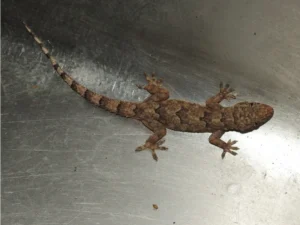
Bathtubs and sinks are smooth, which makes it hard for lizards to climb out once they’re in there.
A lizard might climb over the edge, slip, and fall in. Then it’s trapped because it can’t get back out.
Stories about rats and snakes coming through toilets might make people think lizards can do the same thing. But lizards don’t have the same abilities as rats or snakes. They’re not comfortable in water and can’t navigate pipes the way those animals can.
Sometimes people confuse lizards with salamanders or newts, which are amphibians. A
mphibians are much more at home in wet environments and might be more likely to use drains. But true lizards are reptiles that avoid water.
Special Cases: Could It Ever Happen?
While it’s extremely rare, there are a very few situations where a lizard might end up in your drain system. But even then, it’s not what you think.
If your home has a septic system with damaged pipes, and there are lizards living in the ground around those pipes, one might accidentally fall into a crack or opening. But it would have to be a pretty serious break in the line.
In very old homes with outdated plumbing, you might have floor drains that don’t have proper traps. If a lizard got into the crawl space under your house and found an open pipe, it could theoretically climb up.
But modern plumbing makes this basically impossible.
Outside drain grates and storm drains are different from your indoor plumbing.
A lizard could live in a storm drain system and pop up through a grate. But these don’t connect to your bathroom drains.
Even in these special cases, the lizard isn’t really “coming through your drain” the way people imagine. It’s taking advantage of broken or unusual plumbing situations that almost no modern home has.
Should You Worry About Your Drains?
You don’t need to worry about lizards coming through your drains. It’s not a real threat. Your plumbing is designed to prevent animals from using it as an entrance.
Focus your energy on sealing the real entry points into your home. Gaps around windows, doors, and pipes are where lizards actually get in.
Keep your drain traps working properly by using all your drains regularly. If you have a floor drain you don’t use often, pour a little water down it every month to keep the trap filled.
If you’re still worried, you can buy drain covers or screens that fit over floor drains. These won’t stop lizards (because they weren’t coming through anyway), but they will stop bugs and give you peace of mind.
Conclusion
Lizards don’t come through drains. Your plumbing system has built-in barriers like water traps that make this nearly impossible. Lizards also can’t swim well enough, don’t have the right body structure, and have no reason to try.
If you find a lizard near your sink or tub, it got there through normal entry points like gaps in doors, windows, or around pipes.
The lizard might have fallen into the sink or tub and gotten stuck because it can’t climb the smooth sides.
Focus on sealing gaps and cracks in your home to keep lizards out. Check your window screens, install door sweeps, and seal openings around pipes. This is much more effective than worrying about your drains.
If you do find a lizard in your home, catch it safely and release it outside. Remember, lizards are actually helpful because they eat insects.
They’re not trying to invade your home through your plumbing, they’re just looking for food and shelter like any other creature.

Hi, my name is Ezra Mushala, i have been interested animals all my life. I am the main author and editor here at snakeinformer.com.