
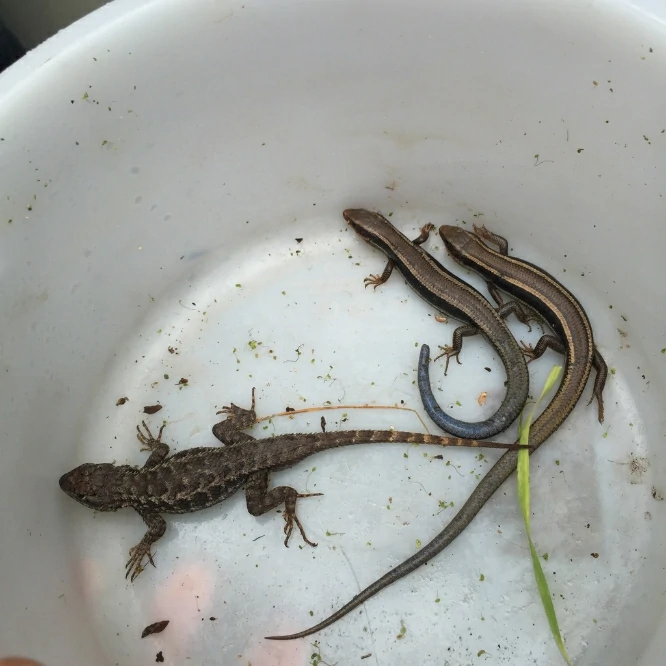
The thought of a lizard popping up in your toilet is pretty terrifying. You’ve probably heard stories about snakes or rats coming through toilets, so it’s natural to wonder if lizards can do the same thing. Can lizards actually come through the toilet?
No, lizards can’t come through toilets. They’re not strong enough swimmers to navigate through the water trap in your toilet, and they don’t have any way to get into your sewer line from outside. If you find a lizard in your bathroom, it got there through a gap or crack, not through your toilet.
While it’s technically possible in extremely rare situations with broken plumbing, it basically never happens.
Lizards face too many obstacles in your sewer system, and there are much easier ways for them to get into your house.
Why Toilets Are Lizard-Proof
Your toilet has several features that make it nearly impossible for lizards to come up through it. Understanding how toilets work shows why this isn’t something you need to worry about.
Every toilet has a built-in water trap. This is the U-shaped bend in the toilet bowl that always stays filled with water.
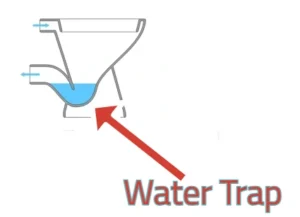
It’s designed to block sewer gases from coming up into your bathroom, but it also blocks animals.
For a lizard to come through your toilet, it would have to swim underwater through this trap.
Studies on reptile aquatic behavior confirm that most lizards aren’t adapted for swimming through confined spaces underwater. They’d drown before making it through.
Even if a lizard could somehow hold its breath long enough, it would need to navigate through many feet of sewer pipes to reach your toilet.
These pipes are filled with water and waste, making it an impossible journey for a lizard.
The pipes are also smooth inside. Lizards need rough surfaces to grip when they climb.
The inside of PVC or cast iron sewer pipes doesn’t give them anything to hold onto.
How Your Toilet Plumbing Works
To understand why lizards can’t come through toilets, it helps to know how the plumbing actually works. The path from the sewer to your toilet is really complicated.
Your toilet connects to a main drain pipe in your house. This pipe collects waste from all your bathrooms and sends it down to either your septic tank or the city sewer line.
That main drain pipe goes deep underground. It’s usually several feet below your house. For a lizard to get into this pipe from outside, there would have to be a major break or crack in the line.
Even if there was a crack and a lizard got in, it would have to swim through wastewater, navigate multiple bends and junctions, and somehow know which pipe leads to your toilet.
This is basically impossible.
The water pressure and flow in sewer lines would also push a small lizard back down, not up toward your toilet.
When you flush, water rushes down with enough force to carry waste away. A lizard couldn’t swim against that current.
Animals That Can Come Through Toilets
While lizards can’t come through toilets, there are a few animals that actually can. It’s helpful to know what’s possible so you understand the real risks.
Rats are the most common animal to come up through toilets. They’re excellent swimmers and can hold their breath for several minutes.
They can also squeeze through incredibly small pipes. This is rare, but it does happen, especially in older buildings with damaged sewer lines.
Snakes occasionally come through toilets in areas where they’re common. Small non-venomous snakes like rat snakes or water snakes might follow rats into the sewer system.

Again, this is extremely rare and usually only happens with broken pipes.
Frogs and toads can sometimes come through toilets, especially in rural areas with septic systems. They’re comfortable in water and small enough to navigate the pipes.
But they’re much different from lizards in their swimming abilities.
The key thing all these animals have in common is that they’re strong swimmers who can hold their breath for a long time. Lizards don’t have these abilities, which is why they can’t make the journey through your plumbing.
If It’s Not Coming From the Toilet, How Did It Get There?
If you find a lizard in your bathroom near the toilet, it didn’t come from the toilet. It got into your bathroom the normal way lizards get into houses.
Small gaps around pipes are common entry points. When your toilet was installed, plumbers drilled holes through the floor for the waste pipe and water supply line.
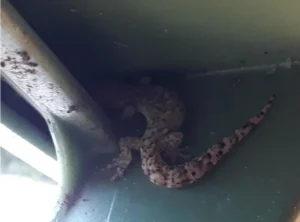
If these holes weren’t sealed properly, there might be tiny gaps that a lizard can squeeze through.
Cracks under doors or around window frames are easy ways for lizards to get in. They only need about a quarter-inch opening.
Your bathroom door might have a gap at the bottom that’s just big enough for a small lizard.
Ventilation fans and exhaust vents are another way in. If the exterior cover is damaged or has gaps, a lizard might climb in looking for warmth. From the vent, they can get into your bathroom.
Sometimes lizards are already somewhere else in your house (like the attic or walls) and wander into the bathroom through interior openings.
Research on lizard movement patterns shows they’re good climbers and explorers who can navigate through buildings easily.
Why People Think Lizards Can Come Through Toilets
The myth about lizards coming through toilets is surprisingly common. There are a few reasons why people believe this even though it’s not true.
When you find a lizard near or on your toilet, it’s easy to assume it came from there. But lizards are actually attracted to bathrooms for other reasons.
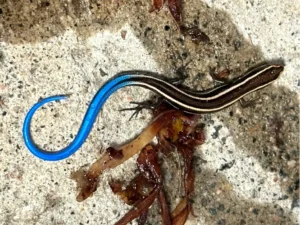
They’re looking for water, humidity, and the bugs that live in bathrooms.
Stories about snakes and rats in toilets make people think all reptiles can do the same thing. But lizards are completely different.
They don’t have the swimming abilities or breathing capacity that snakes and rats have.
In some tropical countries, you might actually see lizards on the outside of toilets or in bathroom areas.
But they climbed there from outside through windows or vents. They didn’t come up through the plumbing.
Sometimes people confuse lizards with salamanders or newts. These are amphibians that do much better in water.
But true lizards are reptiles that avoid water when they can.
What to Do If You Find a Lizard in Your Bathroom
If a lizard is in your bathroom, here’s how to handle it safely. Remember, it got there through a normal entry point, not your toilet.
Stay calm. The lizard is more scared of you than you are of it. It’s just trying to find a way out.
Don’t try to flush it down the toilet or kill it. That’s unnecessary and cruel.
Try to catch it with a cup or small box. Place the container over the lizard, then slide a piece of cardboard underneath.
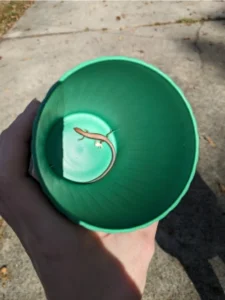
This traps it without hurting it. Take it outside and release it far from your house.
If you can’t catch it, open a window or door. Most lizards will head toward light and fresh air. They’ll usually find their own way out if you give them time.
After removing the lizard, look for how it got in. Check around pipes, under doors, and near windows. Seal any gaps you find with caulk or weatherstripping.
How to Keep Lizards Out of Your Bathroom
Since lizards don’t come through toilets, you need to focus on sealing the actual entry points. Here’s how to make your bathroom lizard-proof.
- Check all gaps around pipes. Look where the toilet connects to the floor, where the water supply line enters the wall, and around any other plumbing. Fill these gaps with caulk or expanding foam.
- Install or fix door sweeps. The gap under your bathroom door is probably big enough for a lizard to squeeze under. A good door sweep seals this gap completely.
- Make sure your window screens are intact. Even small tears can let lizards in. Check the fit of the screen in the frame too. There shouldn’t be any gaps around the edges.
- Check your exhaust fan and any vents. Make sure the exterior cover is secure and doesn’t have holes. You can add fine mesh screening over vents for extra protection.
- Look for cracks in the walls or ceiling. Bathrooms can develop cracks from moisture and temperature changes. Seal these with appropriate filler or caulk.
Could a Lizard Fall Into Your Toilet?
While lizards can’t come up through toilets, one could theoretically fall into an open toilet. This is different from coming through the plumbing though.
If a lizard was on your bathroom ceiling or wall and fell, it might land in the toilet if the lid was up. This would be an accident, not the lizard trying to use the toilet as an entrance.
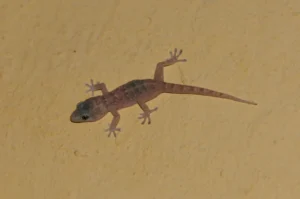
A lizard that falls in a toilet would be in serious trouble. The water is deep relative to their size, and the sides of the bowl are too smooth to climb. They’d likely drown before they could get out.
If you find a lizard in your toilet water and it’s still alive, you can scoop it out with a cup or small net. Put it in a container with air holes and take it outside immediately.
To prevent this, keep your toilet lid closed when you’re not using it. This protects lizards from accidentally falling in, and it also keeps bugs and odors contained.
Septic Systems vs. City Sewers: Does It Matter?
You might wonder if having a septic system instead of city sewer makes it easier for lizards to get into your toilet. The answer is no, it doesn’t really matter.
Both systems have the same basic design when it comes to your toilet. You still have a water trap in the toilet bowl, and the pipes leading away from your toilet work the same way.
With a septic system, the waste goes to a tank on your property instead of to city sewers. But that tank is sealed, and lizards can’t get into it from outside any easier than they could get into city sewer lines.
The pipes between your toilet and the septic tank would still be full of water and waste. A lizard couldn’t navigate through them any better than through city sewer pipes.
The only situation where a septic system might be slightly riskier is if you have very old clay pipes with tree roots growing through them. But even then, the water trap in your toilet prevents anything from coming up.
Signs Your Plumbing Has Issues
While you don’t need to worry about lizards coming through your toilet, damaged plumbing is still a problem. Here are signs you might have issues that need fixing.
If you smell sewer gases in your bathroom, your water trap might be compromised. This won’t let lizards through, but it’s not good for your health.
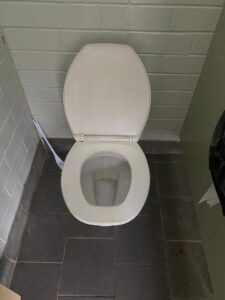
Make sure your toilet is used regularly to keep the trap filled.
Slow draining or gurgling sounds can indicate blockages or venting problems. While these won’t let lizards in, they can let cockroaches and other pests come up from drains.
Water backing up into your toilet from other drains suggests a serious clog in your main sewer line. This needs professional attention right away.
Cracks or damage around the base of your toilet mean the seal is bad. This can let sewer gases and bugs out, though not lizards.
It needs to be fixed to protect your health and prevent water damage.
Why Bathrooms Attract Lizards
Understanding why lizards like bathrooms helps you see why people often find them there, even though they’re not coming from the plumbing.
Bathrooms have water. Lizards need to drink, and they’re attracted to moisture. Your bathroom often has higher humidity than other rooms, which lizards find comfortable.
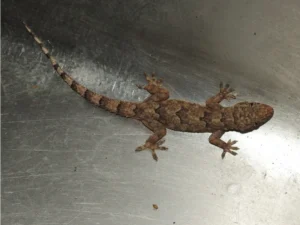
There are bugs in bathrooms. Drain flies, silverfish, and other insects live in bathrooms, and lizards eat these bugs. Research shows that lizards will follow their food sources into buildings, including bathrooms.
Bathrooms are usually quieter and less busy than other rooms. A lizard looking for a safe place to hide might choose your bathroom because people aren’t constantly walking through it.
The temperature in bathrooms can be appealing too. After you shower, the bathroom is warm and humid. Lizards are cold-blooded and like warm environments, so they might wander in to warm up.
Conclusion
Lizards can’t come through toilets. They don’t have the swimming ability, breathing capacity, or strength to navigate through your plumbing. Your toilet’s water trap alone makes it impossible for them.
If you find a lizard in your bathroom, it got there through cracks, gaps, or openings in your doors, windows, or walls.
The lizard might have been attracted to the moisture and insects in your bathroom, but it didn’t come up through the toilet.
Focus on sealing gaps around pipes, fixing screens, and installing door sweeps. These simple steps will keep lizards out of your bathroom much more effectively than worrying about your toilet.
Remember that lizards are harmless creatures that actually help by eating insects. If you find one in your house, catch it safely and release it outside.
Then look for and seal the entry point it used so more don’t come in the same way.

Hi, my name is Ezra Mushala, i have been interested animals all my life. I am the main author and editor here at snakeinformer.com.