
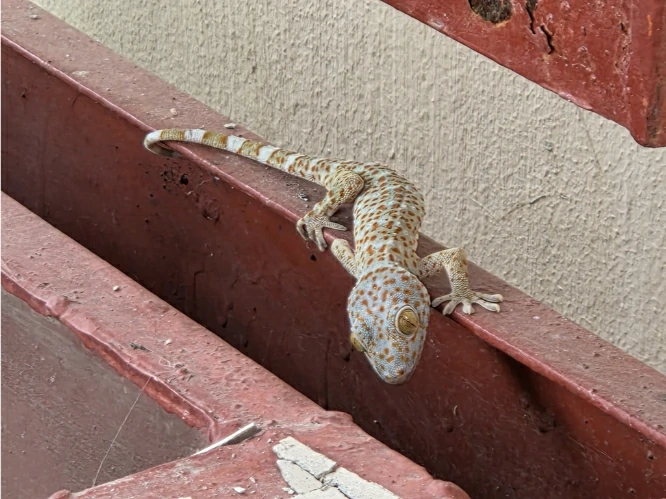
Tokay geckos are famous for their feisty personalities and surprisingly strong jaws, and anyone who has tried to handle one knows they are not lizards you want to underestimate. But just how strong is a tokay gecko bite?
A tokay gecko’s bite is really strong for a lizard its size. Adult tokays can bite with a force around 200–300 PSI, enough to pierce skin, leave bruises, and really make you wince. While they aren’t venomous, the combination of their strong jaws, sharp teeth, and stubborn grip means a bite can hurt more than you’d expect from a small lizard.
The strength of a tokay gecko’s bite isn’t random. It’s a tool they use to survive. It helps them grab food, protect themselves, and hold onto their territory.
The pain you feel isn’t just from their teeth, it comes from the gecko holding on tightly and refusing to let go. This is a behavior that can surprise even experienced reptile owners.
Why Do Tokay Geckos Bite So Hard?
Tokay geckos are hunters, but they are also prey. In the wild, they move through forests and human areas alike, hunting insects and avoiding snakes, birds, and even other geckos.
Their jaws evolved to be strong so they can:
-
Grab onto prey and stop it from escaping, even if it struggles
-
Protect themselves when threatened by predators or rivals
-
Show control in their territory against other geckos
Even though they are usually 10–14 inches long including the tail, tokay geckos can give a very strong bite for their size.
Scientists have measured adult tokays biting around 200–300 PSI, much stronger than most pet geckos like leopard geckos or crested geckos, whose bites rarely leave more than a small scratch.
This jaw strength isn’t just for defense. It also helps tokays catch bigger prey than you might expect.
They can hold onto beetles, cockroaches, and even small animals like baby mice with enough force to stop them from escaping.
Some studies have even seen tokays dragging insects bigger than their head into a corner to eat, relying entirely on that firm bite to keep their meal secure.
What Does a Tokay Gecko Bite Feel Like?
If you’ve been bitten by a tokay gecko, you know it’s sharp, sudden, and painful. The first pinch is intense and focused, like a small, firm clamp on your skin.
Because tokays don’t let go right away, that pinch turns into a lasting grip that can leave tiny punctures or scratches.
Some people describe it like a needle prick mixed with a stubborn pinch that just won’t let go.
After the bite, it’s common to feel:
-
Local swelling or redness around the puncture
-
Bruising if the gecko held on for a moment
-
Tenderness that can last for hours or even a day or two
Your reaction might be a mix of surprise, shock, and pain, because most people don’t expect a gecko to have such a strong bite. The pain also depends on the size of the gecko, how threatened it feels, and how sensitive the person being bitten is.
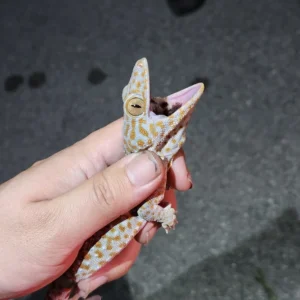
Some bites can leave deeper marks, especially if the gecko is an adult and very stressed. The pain can last longer than a simple scratch because the small punctures don’t close quickly, keeping the area tender.
Some owners notice a tingling or pulsing feeling afterward, caused by minor swelling and the pressure from the bite.
How Tokay Geckos Use Their Bite to Survive in the Wild
In the wild, a strong bite isn’t just for scaring humans or pets, it’s about survival. Tokay geckos use their bite to hold insects and small prey so they can’t wriggle away.
They also bite when they feel trapped or when protecting their territory from other geckos.
Their teeth are sharp enough to pierce the tough shells of beetles and other insects. This means the same bite that hurts a human is very effective for hunting.
The lizard doesn’t have venom, so it relies entirely on jaw strength and teeth to keep prey in place.
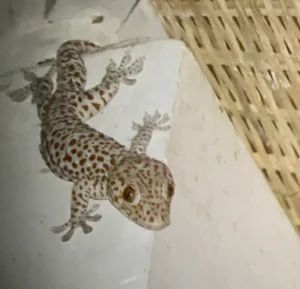
Tokays hunt mostly at night, and their strong bite makes sure they can catch prey even when it’s dark and their other senses like sight are less helpful.
Even slippery insects like cockroaches are unlikely to escape once bitten. Researchers have seen tokays hunting frogs and smaller lizards, holding the prey in place with their jaws until it can be swallowed whole.
Why Tokay Gecko Bites Hurt More Than You Expect
Even though tokays are small, their bite can feel much stronger than you think. There are a few reasons for this:
-
Stubborn grip: Once they bite, they don’t let go easily, increasing the time of pain
-
Sharp teeth: Their small, pointed teeth focus force on a tiny spot, puncturing the skin
-
Stress or fear: A gecko that feels threatened will clamp down harder than a calm one
Because of this, even a young gecko can leave a mark, and adults can puncture skin and leave a bruise.
The pain is often more mental too. Being bitten by a small lizard unexpectedly can startle you, making the bite feel worse.
The mix of force and persistence is what makes tokay bites memorable.
Even if the puncture is small, the lasting pinch and the gecko refusing to let go make you notice every second it’s holding on.
Are Tokay Gecko Bites Dangerous to Humans?
The good news is that tokays aren’t venomous. Their bite is painful, but it won’t inject toxins or cause serious illness. Most bites only cause minor bleeding, swelling, and tenderness.
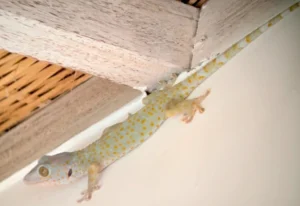
The main risk comes from bacteria in their mouths, including salmonella. If a bite breaks the skin, bacteria can enter and cause infection.
For that reason, you should always:
-
Wash the bite thoroughly with soap and warm water
-
Apply an antiseptic or antibiotic ointment
-
Watch for swelling, redness, or pus over the next few days
Most bites heal quickly if treated properly, but anyone with a weak immune system should be careful.
Even minor bites can get irritated if left exposed to dirt, so taking care right away is important.
How to Avoid Getting Bitten by a Tokay Gecko
Understanding tokay gecko behavior helps you avoid painful bites. These lizards are feisty and territorial, so respect is key.
Here’s what works:
-
Approach slowly and confidently. Sudden movements trigger bites
-
Let the gecko climb onto your hand instead of grabbing it
-
Avoid handling at night when they are most active
-
Wear gloves if you aren’t sure about the gecko’s mood or if it’s wild
Over time, captive tokays can get more used to handling, but they are never as calm as other pet geckos.
Giving them space and avoiding stress is the best way to prevent bites.
It’s also important to handle them minimally after feeding, as they are more protective and likely to bite if they feel food or a recently eaten meal is threatened.
How Tokay Gecko Bites Compare to Other Lizards
Tokay geckos have one of the strongest bites among small lizards. Other geckos like leopard geckos or crested geckos have soft bites, but a tokay can clamp down surprisingly hard for its size.
A bite force of 200–300 PSI is impressive when you consider adult tokays rarely weigh more than 200–300 grams. In other words, they punch above their weight.
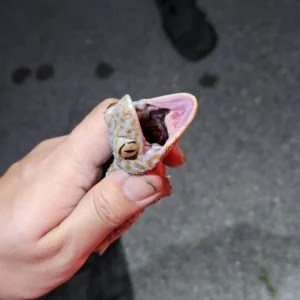
Even experienced owners often underestimate the bite strength at first. A startled or cornered tokay will bite without hesitation, and its teeth and jaws can leave a noticeable mark.
This makes tokays unique, they’re small but strong.
The Science Behind Tokay Geckos’ Strong Jaws
Tokay geckos’ jaw muscles are unusually strong for a lizard their size. These muscles let them bite down hard enough to hold struggling prey or protect themselves.
Their teeth are slightly curved, helping them grip without slipping.
Studies show their bite strength compared to body weight is higher than many other geckos. That’s why they’re known as fearless compared to calmer species.
Their jaw shape is a mix of evolution and lifestyle. They hunt, defend territory, and compete with rivals all using that same bite.
Stories From Tokay Gecko Owners About Bites
Many owners say the first bite is unforgettable. One person recalled picking up an adult tokay. The gecko latched onto their finger immediately. “It felt like a tiny drill holding my skin,” they said. “I couldn’t pull it off without hurting the gecko, so I just waited until it let go.”
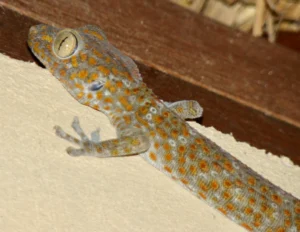
Another owner described minor bruising after handling a gecko that had just eaten. One more shared a story of a gecko biting through a thick glove because it felt threatened, leaving a tiny puncture.
These stories show tokay bites are memorable not because they’re dangerous, but because they are surprisingly strong.
First Aid for Tokay Gecko Bites
If you get bitten, the steps are simple but important:
-
Stay calm. Sudden jerks can make it worse or stress the gecko
-
Wash immediately with soap and warm water
-
Apply antiseptic to prevent infection
-
Cover lightly if bleeding continues
-
Watch for swelling or redness over the next few days
Most bites heal without problems, but deep punctures may need medical care. Taking care right away reduces pain and the chance of infection.
Why Tokay Gecko Bites Make Them Unique Pets
Tokay geckos are interesting because of their bold personalities and strong bite. Their jaws show how they survived in the wild. They needed strength to hunt, protect themselves, and hold territory.
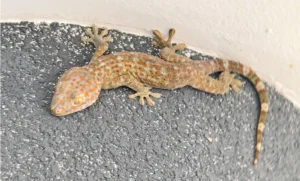
While their bite can hurt, it’s also part of what makes them interesting to watch.
For anyone thinking about a tokay gecko as a pet, understanding their bite helps you understand their behavior.
They aren’t aggressive for no reason, they respond to threats, and their jaws are built for that.
How a Gecko’s Bite Can Change Its Behavior
Tokays remember stressful experiences. A gecko that has bitten in defense may become more careful or more defensive in future interactions with humans.
Watching their body language (like tail waving, head bobbing, or vocal sounds) can help you avoid bites and build trust.
Common Misconceptions About Tokay Gecko Bites
Many people think a bite from a small lizard can’t be serious, but that’s not true. While not dangerous medically, the bite can break skin and leave a bruise.
Misunderstanding their bite strength often causes accidents or unnecessary stress for both the gecko and the handler.
Some owners think tokays are “aggressive for no reason,” but most bites are defensive. A gecko that seems feisty is really just showing normal instincts.
Conclusion
Tokay geckos are small but strong. Their bite is surprisingly painful for their size and can puncture skin, but it isn’t venomous or life-threatening.
Most bites cause minor swelling, redness, or bruising, and can be handled with simple first aid.
Understanding why tokays bite (their need to protect themselves, catch prey, and hold territory) helps you handle them safely. Respect their space, approach calmly, and practice good hygiene to avoid bites.
Their strength is part of what makes them interesting and useful for survival, making them strong and unique little lizards.
If you come across a tokay gecko, admire it, don’t provoke it, and you’ll likely leave with nothing more than a story about one of the boldest geckos around.

Hi, my name is Ezra Mushala, i have been interested animals all my life. I am the main author and editor here at snakeinformer.com.