
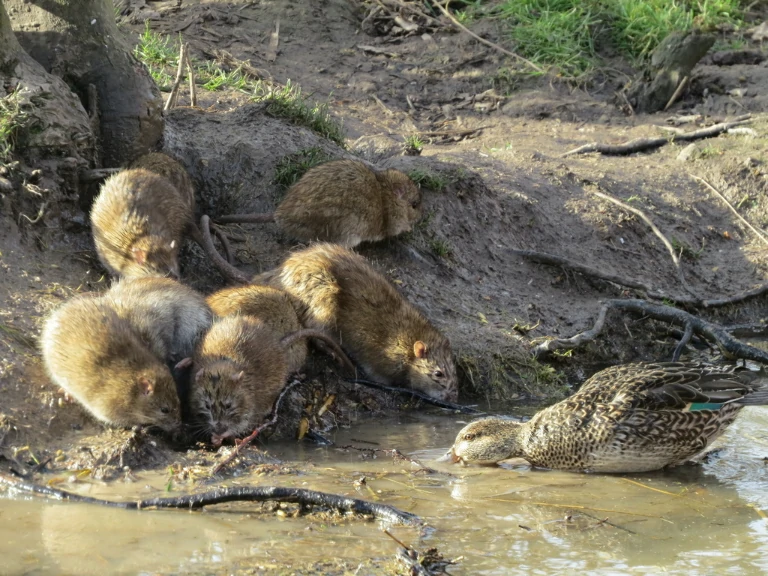
Walking outside and spotting a rat darting across your lawn or disappearing under your deck can be pretty alarming. Most people don’t expect to see rats in their yard, especially if they keep things relatively clean.
But rats in residential yards are actually more common than you might think. If you’re dealing with this problem, you’re probably wondering what’s attracting them in the first place. So why do you have rats in your yard?
You have rats in your yard because it provides three things rats need to survive: food, water, and shelter. This could include accessible garbage, fallen fruit, pet food left outside, birdseed, compost piles, dense vegetation, wood piles, or structures with hiding spaces. Rats are opportunistic and will move into any yard that meets their basic survival needs.
Rats don’t just randomly show up. They’re actively looking for places where they can eat, drink, and stay safe from predators.
Your yard might be unintentionally offering all of these things. The good news is that once you understand what’s attracting them, you can take steps to make your yard much less appealing to rats.
Food Sources That Attract Rats to Your Yard
Food is probably the biggest reason rats are hanging around your property. Rats eat almost anything and they’re really good at finding food sources you didn’t even know existed.
Garbage is a huge attractant. If your trash cans don’t have tight-fitting lids or if bags are left outside, rats will definitely investigate. They can chew through plastic bags easily and will eat almost anything they find.
Pet food left outside is like an all-you-can-eat buffet for rats. Whether it’s dog food on the porch or cat food by the back door, rats will come back every night to feed.
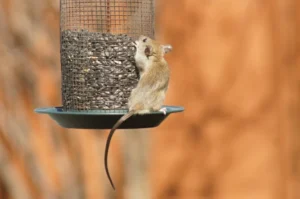
Bird feeders are surprisingly one of the most common rat attractants. Seeds that fall to the ground create a constant food source. Rats will eat the seeds directly from the ground and might even climb up to get to the feeder itself.
Fallen fruit from trees is another major attractant. If you have fruit trees and the fruit drops and rots on the ground, rats will definitely find it. Citrus, apples, avocados, and berries all attract rats.
Vegetable gardens can draw rats in, especially when produce is ripe. Tomatoes, squash, melons, and corn are all appealing to rats.
Compost piles are problematic if they contain food scraps. Rats love digging through compost for food and will make homes in the pile itself.
Outdoor grills that aren’t cleaned properly can attract rats. Grease and food residue smell appealing and rats will climb all over grills to get to it.
Water Sources in Your Yard
Rats need water daily to survive. If your yard provides easy access to water, that’s another reason they’re sticking around.
Pet water bowls left outside overnight are convenient drinking sources for rats. They’ll come back repeatedly if they know water is reliably available.
Leaky outdoor faucets create puddles that rats can drink from. Even a slow drip can provide enough water for several rats.
Bird baths aren’t just for birds. Rats will climb up or find ways to access the water, especially in dry weather.
Clogged gutters that hold standing water become rat water sources. This is especially attractive because gutters are often in sheltered spots.
Pools, ponds, and fountains all provide water. Even if the water is chlorinated, rats will still drink from pools if they need to.
Air conditioning units that drip condensation create small but reliable water sources right near your house.
Sprinkler systems or areas with daily watering can create puddles and damp soil where rats can get moisture.
Areas with poor drainage that stay wet after rain give rats access to water without them having to venture far from their hiding spots.
Shelter and Hiding Spots
Rats are prey animals and need safe places to hide from predators. Your yard might be offering perfect shelter without you realizing it.
Overgrown vegetation and thick bushes create ideal hiding spots. Rats can move through dense shrubs and ground cover without being seen.

Wood piles are classic rat habitat. The spaces between logs provide protection and warmth, and rats can build nests inside wood piles easily.
Junk piles, stored equipment, or piles of yard waste give rats lots of hiding options. Old furniture, construction materials, or anything stacked up creates rat-friendly spaces.
Sheds and outbuildings often have gaps or holes that rats can squeeze through. Once inside, they’re protected from weather and predators.
Under decks and porches are favorite rat spots. These areas are dark, protected, and usually undisturbed by humans.
Crawl spaces under houses provide warmth and safety. If there are openings, rats will definitely explore and potentially nest there.
Dense ivy or ground cover against your house gives rats protected pathways to move around. They can travel under the plants without being exposed.
Piles of leaves or mulch close to structures offer both nesting material and cover. Rats will burrow into these piles.
Abandoned vehicles, old appliances, or any large objects left in the yard can become rat homes.
Your Neighbors Might Be Part of the Problem
Sometimes the rat problem in your yard isn’t even caused by your yard. Rats from neighboring properties can easily move into your space.
If your neighbor has a rat problem and isn’t dealing with it, those rats will explore surrounding yards looking for additional food sources.
Neighborhoods with lots of rats create a population pressure. Even if you clean up your yard, rats might pass through or temporarily stay while moving between other food sources.
Vacant lots or abandoned properties nearby can harbor large rat populations that spread to surrounding homes.
Properties with chickens, rabbits, or other small animals often have rats because the animal feed attracts them. These rats will venture into neighboring yards.
Neighbors who feed outdoor cats or wildlife are unintentionally feeding rats too. The rats learn there’s food in the area and explore all nearby properties.
Poor trash management by neighbors (overfilled bins, trash left out) creates a rat attractant for the whole area.
Commercial properties like restaurants or grocery stores with dumpsters can create neighborhood-wide rat issues.
You can’t control what your neighbors do, but you can make your own yard less attractive so rats choose to stay elsewhere even if they’re in the area.
Seasonal Patterns and Why Rats Move Into Yards
Rat activity in yards often changes with the seasons, and understanding this can help you figure out why they showed up when they did.
Fall is a big time for rats moving into yards and homes. As temperatures drop, rats look for warmer places to spend the winter. Your yard might offer shelter they need.

During breeding season (spring and summer), rat populations explode. More rats means they need more territory and food, so they spread into areas they might have avoided before.
Drought conditions drive rats to seek water sources. If natural water is scarce, your yard’s water sources become much more attractive.
Heavy rain can flood rat burrows and nests, forcing them to relocate. They might move into your yard looking for drier ground.
When natural food sources run out (like after seeds and nuts are gone in winter), rats turn to human-provided food. Your garbage and pet food become more important.
Construction or landscaping in the area can displace rats from their established territories. They scatter and look for new places, including your yard.
Changes in your own yard like new landscaping, removing old structures, or cutting down overgrown areas can either attract or repel rats depending on what you do.
Types of Rats You Might Find in Your Yard
Different rat species have different behaviors and preferences. Knowing which type you’re dealing with can help you understand why they’re there.
Norway rats (also called brown rats or sewer rats) are the most common yard rats in most places. They’re big, burrow underground, and prefer to stay at ground level.

Roof rats (black rats) are more common in warmer climates. They’re excellent climbers and often nest in trees, attics, or on roofs. If you have rats in trees or on structures, they’re probably roof rats.
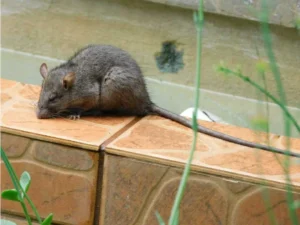
Norway rats create obvious burrow systems with holes in the ground, usually near foundations, under concrete, or in banks of dirt.
Roof rats leave different signs. You’ll see them running along fences, power lines, or tree branches. Their droppings are usually found up high rather than on the ground.
Both types will come to your yard for the same basic reasons (food, water, shelter), but where they hang out and nest will be different.
Identifying which type you have helps with control methods. Ground barriers work for Norway rats, but roof rats need different approaches since they access things from above.
Signs That Rats Are Living in Your Yard
You might have rats even if you haven’t seen them directly. Here are signs that rats are using your yard.
Droppings are the most obvious sign. Rat droppings are dark, capsule-shaped, and about half an inch long. Fresh droppings are soft and shiny, old ones are hard and dull.
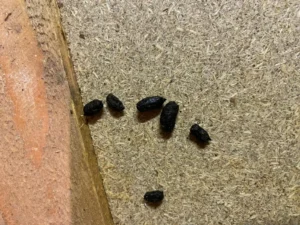
Burrow holes in the ground, especially near foundations or under bushes. These holes are usually 2-4 inches in diameter and might have smooth edges from repeated use.
Runways or paths in the grass where rats travel repeatedly. The grass gets worn down creating visible trails.
Gnaw marks on wood, plastic, or other materials. Rats gnaw constantly to keep their teeth worn down, so you’ll see teeth marks on various objects.
Grease marks along walls, fences, or other surfaces where rats rub against them repeatedly. Rat fur picks up dirt and oil, leaving dark smudges.
Nesting materials like shredded paper, fabric, or plant material gathered in sheltered spots.
Sounds at night including squeaking, scratching, or rustling in bushes or walls. Rats are most active at dawn and dusk.
Your pets acting strangely. Dogs and cats often detect rats before humans do and might stare at certain areas, dig, or act agitated around rat hiding spots.
Disappearing produce from your garden or bite marks on vegetables and fruit.
Health and Safety Concerns
Rats in your yard aren’t just annoying. They can actually pose health and safety risks you should be aware of.
Rats carry diseases that can spread to humans. Leptospirosis, hantavirus, rat-bite fever, and salmonella are all associated with rats.
You can get sick from direct contact with rats, but also from contaminated surfaces, water, or soil where rats have been.
Rat droppings and urine can dry out and become airborne. Breathing in these particles can make you sick, especially in enclosed spaces like sheds.

Fleas, ticks, and mites living on rats can jump to pets or even bite humans. These parasites can carry their own diseases.
Rats can be aggressive if cornered or if protecting babies. Rat bites can cause serious infections and need immediate medical attention.
Structural damage is a concern too. Rats gnaw on wood, wiring, pipes, and other materials. This can lead to fire hazards (chewed electrical wires) or water damage (gnawed pipes).
Rats can dig under foundations or concrete, potentially causing settling or structural issues over time.
Your pets are at risk too. Dogs and cats that fight with rats can get bitten, scratched, or exposed to diseases and parasites.
Taking rat problems seriously and addressing them quickly helps protect your family’s health and your property.
How Yard Maintenance Affects Rat Presence
The way you maintain your yard has a huge impact on whether rats find it attractive or not.
Overgrown, messy yards provide more hiding spots and make it easier for rats to move around undetected. Regular trimming and clearing reduces these advantages.
Mowing the lawn regularly eliminates ground cover that rats use for protection. Rats prefer tall grass and weeds they can hide in.
Trimming bushes and trees so there’s space between branches and the ground removes rat pathways and nesting sites.
Keeping bushes and plants at least a foot away from your house walls prevents rats from using them as bridges to access the structure.
Removing leaf litter, fallen branches, and yard debris eliminates potential nesting materials and hiding spots.
Proper waste management including composting in closed bins rather than open piles reduces food access.
Picking up fallen fruit promptly prevents it from becoming rat food. Harvest ripe produce from gardens regularly.
Storing firewood at least 20 feet from structures and raised off the ground makes it less attractive to rats.
Regular inspection of your yard helps you spot rat signs early before they become a major problem.
A well-maintained yard that’s kept clear and organized is naturally less appealing to rats than a cluttered, overgrown one.
Common Mistakes That Attract Rats
Some things people do with good intentions actually make rat problems worse.
Putting out food for wildlife (birds, squirrels, stray cats) also feeds rats. They’ll eat the food you’re leaving out or eat the animals’ leftovers.
Using open compost bins or adding meat, dairy, or oily foods to compost creates a rat magnet. Compost should be in sealed containers and contain only plant material.

Leaving pet doors open at night gives rats easy access to your house where pet food might be available.
Storing trash cans right next to the house makes it easy for rats to get food and then quickly hide in nearby cover.
Using mulch too close to foundations creates rat-friendly habitat right against your house.
Not securing chicken coops or rabbit hutches properly means rats can access the animal feed.
Planting dense ground cover or ivy against house walls gives rats protected highways to move around your property.
Ignoring small gaps or holes in structures because “rats can’t get through something that small.” Actually, rats can squeeze through holes as small as a quarter.
Trying to control rats with poison without addressing what attracted them in the first place. You might kill some rats, but more will just move in.
Waiting to deal with a rat problem until it’s obvious. By the time you’re seeing rats regularly, you already have a significant infestation.
Conclusion
You have rats in your yard because it’s providing them with what they need to survive. Food, water, and shelter are the three essentials, and most yards unintentionally offer all three.
The key to solving a rat problem is identifying what’s attracting them and removing those attractions. This might mean changing how you manage trash, where you store firewood, or how you maintain your landscaping.
Rat control is an ongoing process, not a one-time fix. You need to stay on top of yard maintenance and be vigilant about not creating new attractants.
With the right approach combining elimination of food and water sources, removal of shelter, and possibly trapping or professional control, you can get rid of rats and keep them from coming back.
The effort is worth it for the health and safety of your family and the protection of your property.

Hi, my name is Ezra Mushala, i have been interested animals all my life. I am the main author and editor here at snakeinformer.com.