
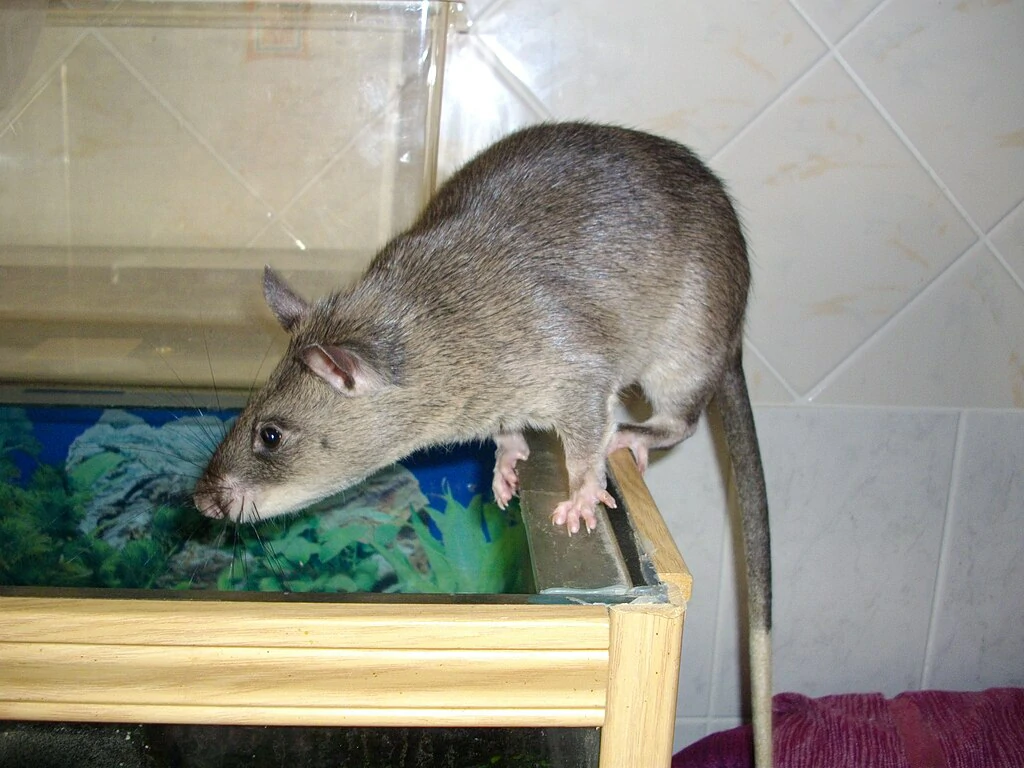
If you’ve ever watched a rat closely, you might have caught it in the middle of a big yawn. They open their mouth really wide, sometimes showing all their teeth, and it looks just like when a person or dog yawns.
It’s actually pretty cute and funny to see such a tiny animal doing something so relatable. But why do rats yawn in the first place?
Rats yawn for several reasons including tiredness, stress relief, brain temperature regulation, social communication, and changes in alertness. Yawning helps rats transition between different mental states and might also increase oxygen to the brain. It’s a normal behavior that serves multiple important functions.
Just like humans, rats yawn when they’re tired or just waking up. But that’s not the whole story. Scientists have found that yawning does a lot more than just signal sleepiness.
For rats, yawning is connected to brain function, emotional states, and even social behavior. It’s way more interesting than most people realize.
What Happens When a Rat Yawns
When a rat yawns, it’s not just opening its mouth randomly. There’s a specific pattern to the behavior that’s pretty consistent across all rats.
The rat opens its mouth really wide, stretching the jaw muscles to their full extent. You can see all their teeth, including those big orange incisors in the front.

The yawn usually lasts a few seconds. During this time, the rat takes a deep breath in, holds it briefly, then exhales. The whole process is one smooth motion.
Rats often close their eyes while they yawn, just like humans do. Some rats will squint or fully close their eyes during the biggest part of the yawn.
After yawning, rats usually do some kind of follow-up behavior. They might groom their face, stretch their body, or shake their head a bit. It’s like the yawn triggers other comfort behaviors.
You might notice rats yawn more at certain times of day. Early morning when they’re waking up and late evening when they’re getting ready to sleep are common yawning times.
The yawn itself involves lots of different muscles in the face, jaw, and throat. It’s actually a pretty complex physical action even though it looks simple.
Yawning and the Sleep-Wake Cycle
One of the most obvious reasons rats yawn is connected to sleep and waking up. This is probably the reason most people think of first.
Rats yawn a lot when they’re transitioning from sleep to being awake. If you watch your pet rats in the morning (which is actually evening for them since they’re nocturnal), you’ll see them yawn multiple times as they wake up.
This transition yawning seems to help the brain switch modes. Going from deep sleep to full alertness doesn’t happen instantly, and yawning might be part of how the brain makes that shift.
Rats also yawn when they’re getting sleepy and ready to settle down for rest. You might see a rat yawn, then groom a bit, then curl up to sleep. It’s part of their bedtime routine.
The yawning helps change their level of arousal. When waking up, it boosts arousal and gets the brain ready for activity. When getting sleepy, it’s part of winding down.
Sleep-deprived rats yawn more than rats who got good rest. If something keeps disturbing a rat’s sleep, you’ll notice increased yawning when the rat is finally able to be active.
This is really similar to how humans yawn more when we’re tired or just waking up. The basic biology is the same across many species.
Brain Temperature Regulation Through Yawning
Here’s something really interesting that scientists have discovered about yawning. It actually helps cool down the brain.
The brain produces a lot of heat when it’s working, especially during periods of intense mental activity. If the brain gets too hot, it doesn’t function as well.
When a rat yawns, it pulls in cool air through its mouth and nose. This air passes over blood vessels in the head and helps cool the blood that’s flowing to the brain.
The stretching of the jaw and face muscles during a yawn also increases blood flow to the head. Fresh, cooler blood replaces the warmer blood that’s been sitting in the brain.
Studies have shown that rats yawn more when their brain temperature is elevated. Cooling the brain down seems to be one of the main functions of yawning.
This explains why rats might yawn during stressful situations or when they’re solving problems. Mental activity heats up the brain, and yawning helps keep everything at the right temperature.
In warmer environments, you might notice rats yawning more frequently. They’re trying to keep their brain cool when the outside temperature is making that harder.
Stress and Anxiety-Related Yawning
Rats don’t just yawn when they’re tired. They also yawn as a response to stress and anxiety, which is called displacement behavior.
When a rat is in a stressful situation but can’t escape or change it, yawning can help release some of that tension. It’s similar to how humans might fidget or tap their fingers when nervous.
You might see a rat yawn when it’s at the vet, in a new environment, or meeting unfamiliar rats. These situations cause stress, and yawning is one way the rat copes.
The yawn seems to have a calming effect. After yawning, rats often seem slightly more relaxed and better able to handle whatever is stressing them out.
Some researchers think this stress-related yawning might trigger the release of certain chemicals in the brain that help with emotional regulation.
If your rat yawns a lot during handling or when you’re trying to do something it doesn’t like (such as giving medicine), it might be showing stress rather than tiredness.
Watching for excessive yawning along with other stress signals (like porphyrin around the eyes or nose, reduced grooming, or aggressive behavior) can help you figure out if your rat is chronically stressed.
Social Aspects of Yawning in Rats
Yawning isn’t just an individual behavior. It has social components too, especially in animals that live in groups like rats.
Contagious yawning, where one individual yawns and others nearby start yawning too, has been studied in rats. The results are mixed, but some studies suggest rats do show this behavior, especially with cage mates they’re bonded to.

When one rat yawns, others might yawn in response. This could be a way of synchronizing the group’s activity levels. If everyone is waking up or winding down at the same time, it keeps the social group coordinated.
Yawning might also signal to other rats about an individual’s state. A rat that’s yawning a lot might be communicating that it’s tired and not interested in playing or interacting.
In dominance interactions, you sometimes see subordinate rats yawn more. This could be a displacement behavior showing submission or stress during encounters with higher-ranking rats.
Mother rats yawn around their babies, and the babies might yawn back. This could be part of how young rats learn the behavior and also how they start to sync their sleep-wake cycles with their mother.
The social function of yawning is still being researched, but it’s clear that yawning isn’t just about what’s happening inside one rat’s body. It has implications for the whole group.
Changes in Alertness and Attention
Yawning seems to play a role in changing how alert and focused a rat is at any given moment.
When rats are doing boring or repetitive tasks, they yawn more. It’s like the yawn helps them reset their attention and stay focused on what they need to do.
You might notice pet rats yawn during training sessions, especially if the session goes on for a while. This doesn’t necessarily mean they’re bored (though they might be). It could just be their brain resetting.
After yawning, rats often show increased alertness for a short period. The yawn seems to give them a little mental boost.
This could be related to the brain cooling effect we talked about earlier. A cooler brain works more efficiently, so yawning might help improve cognitive function temporarily.
Rats exploring new environments will sometimes stop, yawn, and then continue exploring with what seems like renewed interest. The yawn might be helping them process all the new information they’re taking in.
In studies where rats are learning new tasks, researchers have noticed yawning happens at transition points. When switching from one part of a task to another, rats often yawn before starting the new section.
Yawning and Oxygen Levels
There’s an old idea that yawning is all about getting more oxygen to the brain. While this isn’t the whole story, oxygen does play a role.
When a rat yawns, it takes in a deep breath. This does bring fresh oxygen into the lungs and bloodstream.
In environments with lower oxygen levels, rats do yawn more frequently. This suggests that oxygen availability affects yawning behavior.
However, studies have shown that giving rats pure oxygen doesn’t stop them from yawning. And increasing carbon dioxide levels doesn’t make them yawn more. So it’s not as simple as “low oxygen equals yawning.”
The current thinking is that yawning might help optimize oxygen delivery to the brain, but it’s not the primary reason rats yawn. It’s more like a bonus side effect.
The deep breath during a yawn also helps expand the lungs fully and can clear out any stale air that’s been sitting in the bottom of the lungs.
For rats with respiratory issues, you might see changes in yawning patterns. Rats that are struggling to breathe might yawn less because the deep breath required is uncomfortable.
Differences Between Rat Yawning and Human Yawning
While rat yawning and human yawning are similar, there are some interesting differences worth noting.
Rats yawn way more frequently than humans do. It’s normal for a rat to yawn dozens of times a day, while humans typically yawn maybe 10-20 times.
The triggers for yawning seem to be similar across species (tiredness, stress, brain temperature), but rats might be more sensitive to some triggers than humans are.
Contagious yawning is much stronger in humans than it appears to be in rats. Humans will yawn just from seeing another person yawn or even reading about yawning. Rats show this behavior less consistently.
Rats don’t seem to yawn in response to seeing other species yawn. So your rat probably won’t yawn just because you yawned at it, though it might yawn for other reasons.
The physical act of yawning looks pretty similar though. Both species open their mouth wide, take a deep breath, and often close their eyes during the yawn.
Scientists use rats to study yawning because they’re similar enough to humans that we can learn things applicable to human biology, but different enough that we can do experiments we couldn’t do with people.
When Excessive Yawning Might Be a Problem
While yawning is normal, sometimes too much yawning can indicate a health issue.
Rats with respiratory infections might yawn more than usual, especially if they’re having trouble breathing normally. The yawn could be an attempt to get more air when regular breathing isn’t working well.
Neurological problems can also cause increased yawning. If a rat has had a stroke or has a brain tumor, you might see changes in yawning patterns along with other neurological symptoms.
Rats in pain sometimes yawn more frequently. This could be because pain causes stress, and stress triggers yawning. It could also be related to how the brain processes pain signals.
Overheating can cause excessive yawning as the rat tries to cool down its brain. If your rat is yawning constantly and seems lethargic or is breathing heavily, check the temperature of its environment.
Certain medications and drugs can affect yawning frequency. Some pain medications, for example, are known to increase yawning in rats.
If your rat suddenly starts yawning way more than usual and you can’t explain it by normal causes (just woke up, new environment, etc.), it’s worth getting a vet to check things out.
Yawning in Baby Rats vs. Adult Rats
Rat pups don’t start yawning right away. It’s actually a behavior that develops as they grow.
Very young pups (less than a week old) don’t yawn at all. Their sleep-wake cycles aren’t fully developed yet and their brains are still growing.
Around 7-10 days old, you might start to see the first yawns. These early yawns are pretty simple and don’t always look like the full adult yawn pattern.
By 2-3 weeks old, rat pups yawn regularly and the behavior looks just like adult yawning. This coincides with their eyes opening and becoming more active.
Young rats actually yawn more than adult rats on average. This might be because their brains are developing rapidly and need more temperature regulation, or because they’re experiencing more new things that trigger yawning.
As rats get older, yawning frequency tends to decrease slightly. Very old rats might yawn less than middle-aged rats, possibly because they’re less active overall.
The reasons for yawning change a bit with age too. Baby rats are mostly yawning during sleep-wake transitions. Adult rats yawn for all the various reasons we’ve discussed.
Conclusion
Rats yawn for lots of different reasons, and it’s way more complex than just being tired. From regulating brain temperature to managing stress, from transitioning between sleep and wake states to communicating with other rats, yawning serves many important functions.
When you see your rat yawn, it’s giving you information about what’s going on inside that little body. Is it waking up? Stressed out? Brain getting too hot? All these things can trigger a yawn.
Paying attention to when and how often your rats yawn can actually help you be a better rat owner. Changes in yawning patterns can be early warning signs of health problems or environmental issues that need fixing.
Next time you catch your rat in the middle of a big yawn, you’ll know it’s not just a cute moment. It’s your rat’s brain and body working together to stay healthy, regulated, and ready for whatever comes next.

Hi, my name is Ezra Mushala, i have been interested animals all my life. I am the main author and editor here at snakeinformer.com.