
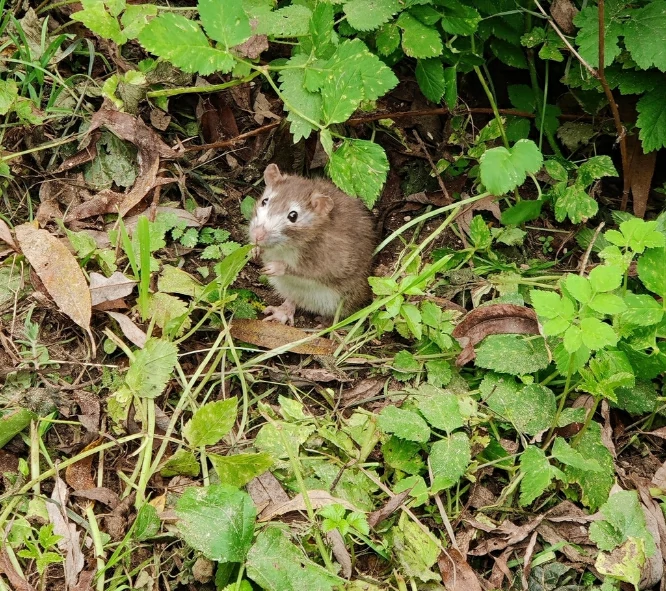
One of the first things you’ll notice if you spend any time around rats is how much they clean themselves.
Whether it’s a pet rat in a cage or a wild rat you spot outside, they’re constantly grooming and washing.
It’s actually pretty cute to watch as they scrub their faces with their tiny paws and work their way down their whole body. But why do rats wash themselves so much?
Rats wash themselves to stay clean, regulate their scent, reduce stress, maintain social bonds, and keep their fur in good condition. Grooming is one of the most important behaviors for rats and they can spend up to 40% of their waking time doing it.
This isn’t just about vanity or looking good. When a rat washes itself, it’s taking care of some really important health and social needs.
Rats are actually some of the cleanest animals around, despite their reputation. All that grooming serves multiple purposes that help them survive and stay healthy in their environment.
How Rats Keep Themselves Clean
Rats have a pretty specific routine when they wash themselves. If you watch closely, you’ll see they almost always follow the same pattern.
They start with their face, using their front paws to scrub around their nose, whiskers, and eyes.
They’ll lick their paws first to get them wet, then rub them all over their face in circular motions. It looks like they’re washing their face just like you would.

After the face, they move to their ears. Rats can actually fold their ears forward and wash the inside and outside thoroughly. They’ll spend a good amount of time making sure their ears are clean.
Next comes the body. Rats twist and turn to reach every part of their fur with their tongue and teeth
. They’ll groom their chest, belly, sides, back, legs, and even between their toes. Nothing gets missed.
The tail usually gets attention too. Rats will run their tail through their mouth to clean it, though they don’t spend as much time on the tail as they do on their fur.
The whole process can take several minutes, and rats will do it multiple times throughout the day. It’s like they have a built-in cleaning schedule they stick to.
Why Cleanliness Matters for Rat Health
Staying clean isn’t just about looking nice. For rats, grooming is directly connected to their health and survival.
Rats can pick up all sorts of things in their environment. Dirt, food particles, bacteria, parasites, and other stuff can get stuck in their fur.
If they didn’t wash regularly, all this junk would build up and could cause skin infections or other health problems.
Their fur also produces oils that need to be distributed evenly. When rats groom themselves, they spread these natural oils throughout their coat.
This keeps the fur waterproof and insulated, which is really important for wild rats that live outside.
Parasites like mites and lice can be a serious problem for rats. Regular grooming helps rats find and remove these pests before they become a bigger issue.
You might see a rat scratching and then immediately grooming that spot.
Wounds and injuries also get cleaned during grooming. If a rat gets a small cut or scrape, it’ll wash that area more than usual.
The saliva actually has some antibacterial properties that can help prevent infection.
Rats that stop grooming themselves are usually sick. It’s one of the first signs pet rat owners look for when checking if their rat is feeling okay.
Scent Control and Chemical Communication
Here’s something really interesting. Rats don’t just wash themselves to get clean. They’re also managing their scent, which is a huge deal in the rat world.
Rats have scent glands all over their body that produce oils with specific smells. These scents carry information about the rat, like its sex, age, health status, and even what it ate recently. Other rats can pick up on all this information just by smelling.
When rats groom themselves, they’re spreading these scents around and controlling how strong they are. Sometimes a rat wants to smell more noticeable, and sometimes it wants to tone down its scent.
Wild rats will often groom more after they’ve been somewhere new or touched something unfamiliar
. They’re basically resetting their scent to match their normal smell and getting rid of foreign odors.
Pet rats do this too. You might notice your rat grooming a lot after you handle it. It’s not because you’re dirty or smell bad. The rat is just adjusting its scent back to normal after picking up your smell.
Males tend to be oilier and greasier than females, especially when they’re not neutered. You’ll see them washing more often to manage all those extra oils their scent glands produce.
Social Grooming Between Rats
Rats don’t just wash themselves. They also wash each other, and this is called social grooming or allogrooming.
When rats live together, they’ll spend time grooming each other, especially around the head, neck, and ears. These are spots that are hard for a rat to reach on its own, so having a friend help out is really useful.
But social grooming isn’t just about practical cleaning. It’s one of the main ways rats bond with each other and maintain their social relationships.
Rats that groom each other regularly have stronger friendships.
You can tell a lot about rat relationships by watching who grooms who. Dominant rats often get groomed more than they groom others.
Lower-ranking rats will groom higher-ranking rats as a way of showing respect and maintaining peace in the group.
Mothers groom their babies constantly when they’re young. This keeps the pups clean, but it also stimulates their digestion and helps them feel safe and loved.
Pet rats will sometimes try to groom their human owners too. If your rat starts licking your hand or gently nibbling at your skin, it’s actually trying to groom you.
This is a sign of affection and means the rat sees you as part of its social group.
Grooming as a Stress Response
One really important function of grooming is stress relief. When rats feel anxious, scared, or overwhelmed, they often start washing themselves.
This is called displacement grooming, and it’s similar to how humans might fidget or bite their nails when they’re nervous.
The familiar, repetitive action of grooming helps rats calm down and feel more in control.
You’ll see this happen if something startles a rat. After the initial fear response, the rat will often sit down and start grooming.
It’s like the rat is saying “okay, that was scary, but I’m going to calm myself down now.”
Pet rats will sometimes groom themselves more when they’re in a new environment or meeting new people. It’s their way of coping with the stress of the unfamiliar situation.
Too much grooming can actually be a sign of chronic stress though. If a rat is grooming so much that it’s losing fur or creating bald patches, something is wrong.
This is called over-grooming or barbering, and it means the rat is really stressed or bored.
Wild rats in dangerous situations might groom less because they need to stay alert. But once they get to safety, you’ll often see them do a long grooming session to help them relax.
The Role of Grooming in Temperature Control
Rats can’t sweat like humans do, so they need other ways to control their body temperature. Grooming actually plays a part in this.
When a rat licks its fur, it’s spreading saliva all over its body. As that saliva evaporates, it creates a cooling effect, kind of like how sweating cools you down.
You’ll notice rats groom themselves more when it’s hot. They’re basically giving themselves a spit bath to help cool off. The more they lick, the more cooling they get.
In cold weather, grooming helps in a different way. By keeping their fur clean and properly arranged, rats make sure their coat can trap air and insulate them effectively. Dirty, matted fur doesn’t insulate as well.
The oils that get distributed during grooming also help with waterproofing. This is especially important for wild rats that might get rained on or need to swim. Water-resistant fur keeps them from losing too much body heat when wet.
Pet rats in temperature-controlled homes don’t need to worry about this as much, but they still have the same grooming instincts as their wild cousins.
What Grooming Patterns Tell You About Rat Health
Changes in grooming behavior are one of the best ways to spot health problems in rats early.
A healthy rat grooms itself regularly throughout the day. The fur looks smooth and shiny, and the rat seems comfortable and content while grooming.
If a rat suddenly stops grooming or grooms way less than usual, it’s almost always a sign something’s wrong.
Sick rats don’t have the energy or motivation to keep up with their normal cleaning routine.
Respiratory infections are super common in rats, and one of the first symptoms is reduced grooming. The rat feels too crummy to care about staying clean.
Pain can also stop grooming. If a rat has arthritis or an injury, it might not be able to twist and reach all the normal spots.
You might notice certain areas start to look unkempt while others are still clean.
Some medications and health conditions can make rats groom more than normal. If your rat is suddenly obsessed with cleaning one specific spot, it could mean that area hurts or there’s a skin problem there.
Older rats often groom less as they get weaker and stiffer. This is normal aging, but it does mean older rats sometimes need help staying clean, especially around their back end.
Differences in Grooming Between Male and Female Rats
Male and female rats both groom a lot, but there are some interesting differences in how much and when they do it.
Male rats, especially ones that haven’t been neutered, tend to be greasier and oilier. Their scent glands are more active because they’re producing hormones that signal to female rats. This means males often need to groom more to manage all those oils.
You might notice male rats have a yellowish tint to their fur, especially around their sides and back. This is called buck grease, and it’s totally normal. Males will groom these areas more to keep the oil from building up too much.
Female rats usually have softer, cleaner-looking fur because they don’t produce as much oil. They still groom just as often, but their fur doesn’t get as greasy between grooming sessions.
During pregnancy, female rats might change their grooming patterns. Some groom more as they get closer to giving birth, while others slow down because their belly gets so big it’s hard to reach.
Nursing mothers spend a lot of time grooming their babies, which means they might spend less time on their own grooming. This is temporary and goes back to normal once the babies are weaned.
Neutered male rats usually have less buck grease and their grooming patterns become more similar to females.
How Environment Affects Grooming Behavior
Where a rat lives has a big impact on how much and how often it grooms itself.
Rats in dirty environments will groom more often because they’re constantly getting stuff in their fur that needs to be cleaned off.
Wild rats living in sewers or garbage areas spend a lot of time grooming.

But if an environment is too dirty, rats might actually give up and groom less. When there’s no point in getting clean because they’ll just get dirty again immediately, some rats stop trying as hard.
Pet rats in clean cages with proper bedding usually have nice grooming routines. They’ll groom after meals, after waking up, and whenever they feel like it.
Cage substrate matters too. Dusty bedding can irritate rats and make them groom more to try to get the dust off. This is one reason why paper-based bedding is often better than wood shavings.
Temperature and humidity affect grooming as well. Rats in hot, humid conditions might groom more to cool down. Rats in very dry environments might groom more to help keep their skin from getting too dry.
Rats that have access to a shallow water dish will sometimes wash their paws and face in the water before grooming. This isn’t common, but some pet rats figure out they can use water to help get cleaner.
Grooming in Baby Rats vs. Adult Rats
Baby rats (pups) don’t start out knowing how to groom themselves. It’s actually a learned behavior they pick up by watching their mother and siblings.
For the first couple of weeks of life, baby rats rely completely on their mother to keep them clean. She’ll lick them all over, which also helps stimulate them to pee and poop.
Around 2 to 3 weeks old, pups start making their first attempts at grooming themselves. It’s pretty clumsy at first. They’ll lick their paws and try to wash their face, but they’re not very coordinated yet.
By the time they’re 4 to 5 weeks old, young rats have the basic grooming routine down. They still aren’t as thorough as adults, but they’re getting there.
Teenage rats (around 6 to 12 weeks) often go through a phase where they’re extra interested in grooming. This is when they’re becoming more social and figuring out their place in the rat hierarchy.
Adult rats have their grooming down to a science. The whole routine becomes automatic and they can do it efficiently without even thinking about it.
Very old rats might start to struggle with grooming again. Arthritis, weakness, and other age-related issues can make it hard to reach all the spots they used to clean easily.
Conclusion
Rats wash themselves for way more reasons than just staying clean. It’s a complex behavior that helps with health, social bonding, stress relief, temperature control, and parasite prevention.
All that grooming you see isn’t just random or obsessive. It’s a rat taking care of its most important needs. From managing scents to building friendships to staying healthy, grooming does it all.
If you have pet rats, watching their grooming behavior can tell you a lot about how they’re feeling and whether they’re healthy. Changes in grooming are often the first sign something’s wrong, so it’s worth paying attention to.
Next time you see a rat washing itself, you’ll know there’s a whole lot more going on than meets the eye. Those tiny paws scrubbing that little face are doing some seriously important work.

Hi, my name is Ezra Mushala, i have been interested animals all my life. I am the main author and editor here at snakeinformer.com.