
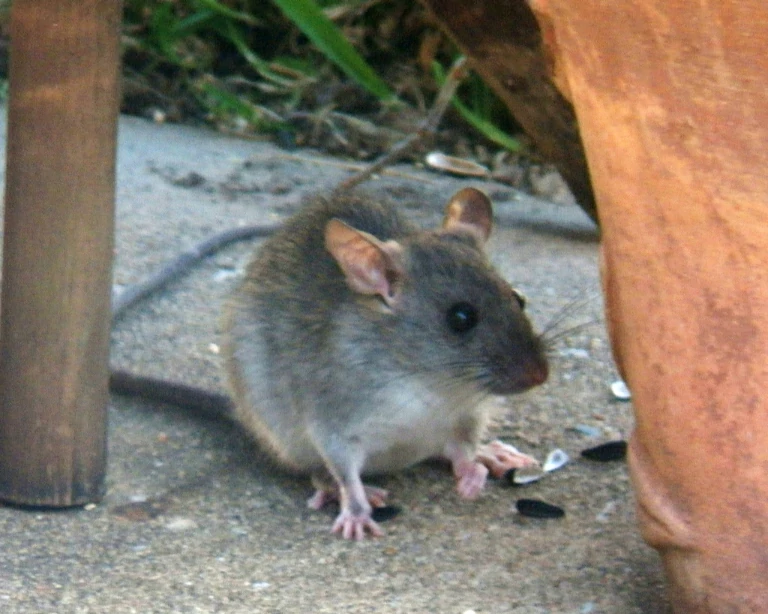
If you suspect you have rats in your home, one of the first signs you might notice is a strange smell. Rats mark their territory with urine constantly, and the odor can become really strong in areas where they’re active.
Knowing what rat urine smells like can help you identify a rat problem early, before it gets worse. So what does rat urine smell like?
Rat urine has a strong, sharp ammonia smell mixed with a musky, stale odor. It smells similar to cat urine but more pungent and chemical-like, with an undertone that’s often described as “musty” or “old.” The smell gets stronger when there are more rats or when urine has been building up over time.
The smell is really distinctive once you know what you’re smelling for. It’s not a smell you’d confuse with normal household odors, and it definitely doesn’t smell like anything you’d want in your living space.
The strength and exact characteristics of the smell can vary depending on how many rats you have and where they’re urinating.
The Ammonia Component Is the Strongest
The most noticeable part of rat urine smell is the sharp ammonia odor. Ammonia is a natural byproduct when urine breaks down, and rat urine has high concentrations of it.
This ammonia smell is similar to what you’d smell in a bottle of cleaning solution, but it’s mixed with organic, animal scents that make it more unpleasant. It’s a chemical smell that can actually burn your nose a little if you breathe it in deeply.
When rat urine is fresh, the ammonia smell might not be as strong. But as the urine sits and breaks down, the ammonia becomes more concentrated and the smell gets much worse.
In enclosed spaces like attics, wall voids, or under floors where air doesn’t circulate well, the ammonia can build up to levels that are actually harmful to breathe. It can cause irritation in your nose, throat, and lungs.
The Musky Undertone Sets It Apart
Along with the ammonia, rat urine has a distinctive musky smell that comes from the rats themselves. This is an animal odor that’s hard to describe but very recognizable once you’ve smelled it.
The muskiness smells kind of like wet fur mixed with something stale or old. It’s the smell of the rats’ bodies, hormones, and the oils in their skin mixing with the urine.
Male rats have a stronger musky smell than females, especially when they’re marking territory. The hormones in male rat urine create a more pungent odor that’s meant to communicate dominance and presence to other rats.
This musky component is what makes rat urine smell different from just pure ammonia or other animal urine. It’s a distinctive “rat smell” that experienced pest control people can identify immediately.
How It Compares to Cat Urine
Many people compare rat urine smell to cat urine, and there are similarities. Both have that sharp ammonia component and both can be really strong when they build up.
But rat urine has a different quality to it. It’s generally more chemical-smelling and less organic than cat urine. Cat urine tends to have a warmer, more animal-like smell, while rat urine is sharper and more acidic.
Rat urine also tends to smell “dirtier” or more associated with decay. This might be because rats often urinate in places with poor ventilation, or because the smell mixes with the scent of droppings, nesting materials, and dead insects.
If you’re familiar with cat urine, rat urine will seem similar but more intense and less “clean” somehow. It’s a smell that immediately makes you think something is wrong rather than just needing to clean a litter box.
The Smell Gets Worse Over Time
Fresh rat urine doesn’t smell as bad as old, built-up urine. When rats first mark an area, the smell might be faint or barely noticeable.
But rats don’t just urinate once. They constantly mark their regular pathways with small amounts of urine as they move around. Over days and weeks, these small amounts build up and create a really strong smell.

Old urine also breaks down chemically over time. As it sits, bacteria work on it and create additional smells beyond the original ammonia and musk. This creates layers of odor that get more complex and more disgusting the longer they’re there.
In areas where rats have been active for months, the smell can become so strong that it soaks into building materials. Wood, insulation, drywall, and fabrics can all absorb the smell, making it really hard to get rid of even after the rats are gone.
Temperature and Humidity Affect the Smell
Warm temperatures make rat urine smell stronger. Heat causes the ammonia and other volatile compounds to evaporate more quickly, putting more smell particles into the air.
This is why you might notice rat smells more in the summer or in warm areas of your home like attics. The heat amplifies the smell and helps it spread through the building.
Humidity also plays a role. In damp conditions, urine doesn’t dry out as quickly, and this can make the smell linger longer. Basements and crawl spaces with high humidity often have particularly strong rat smells.
On the other hand, very dry conditions can cause urine to crystallize and create a dusty, powdery residue that still smells bad when it’s disturbed but might not be as noticeable otherwise.
How Strong the Smell Gets Depends on Population
A single rat won’t create much smell. You might not even notice it unless you’re really paying attention or unless the rat is urinating in one specific spot repeatedly.
But rats are social animals and rarely live alone. If you have one rat, you probably have more. As the population grows, the smell becomes impossible to ignore.
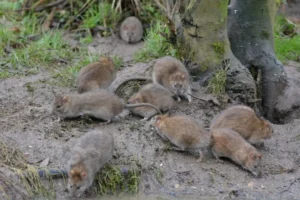
Multiple rats all marking the same pathways with urine create a smell that can fill entire rooms or even entire floors of a house. With a large infestation, the smell can be strong enough to notice from outside the building.
The smell also spreads through ventilation systems. If rats are in your ductwork or near air vents, the smell gets distributed throughout your home every time the heating or cooling system runs.
Where Rat Urine Smell Is Strongest
Rats tend to urinate more heavily in certain areas, and these are where you’ll notice the smell most.
Along walls and in corners is where rats prefer to travel and mark. If you notice a strong smell along one wall or in the corner of a room, there might be a rat runway there.
Nesting areas have the strongest smells. Rats urinate near and even in their nests, and these concentrated areas can smell incredibly bad. Nests are often in hidden spots like inside walls, in attics, or under floors.
Food storage areas also smell bad because rats urinate while they’re eating. If rats are getting into your pantry or kitchen cabinets, you’ll likely smell their urine mixed with the smell of contaminated food.
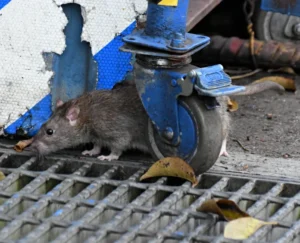
Entry points like holes in walls or gaps around pipes often smell strong because rats mark these areas heavily. They want other rats to know where the safe entrances are, so they urinate there frequently.
Can You Smell Rat Urine Through Walls?
Yes, you definitely can smell rat urine through walls, especially if there’s a heavy infestation. The smell can seep through small cracks, around baseboards, and through wall materials.
Drywall is particularly porous and allows smells to pass through. If rats are living in your wall voids, the smell will eventually come through into your living spaces.
The smell can also travel through electrical outlets and light fixtures. These openings connect to the spaces inside walls, creating pathways for the smell to get through.
Sometimes you’ll notice the smell is stronger near certain walls or in certain rooms. This can help you figure out where the rats are concentrated in your home.
Other Smells That Come With Rat Urine
Rat urine isn’t the only smell you’ll notice with a rat problem. There are usually other odors mixed in that create an overall “rat smell.”
Rat droppings add to the smell. Fresh droppings don’t smell much, but as they age and dry out, they create a dusty, musty smell that mixes with the urine odor.
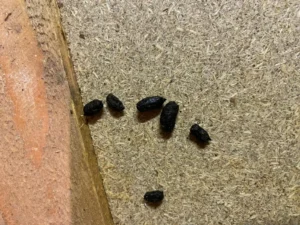
Dead rats create a completely different smell that’s much worse than urine. If you notice a sudden, intense smell of decay or rotting meat, you might have a dead rat somewhere. This smell is sweet and sickly, very different from the ammonia smell of urine.
The materials rats use for nests also contribute to the smell. Rats shred paper, fabric, insulation, and other materials for their nests, and these materials get soaked with urine and start to smell.
Health Risks From Rat Urine Smell
The smell of rat urine isn’t just unpleasant, it’s actually a health hazard. Breathing ammonia can irritate your respiratory system, especially if you’re exposed to it repeatedly.
In high concentrations, ammonia fumes can cause coughing, throat irritation, difficulty breathing, and burning in the nose and eyes. People with asthma or other respiratory conditions are especially vulnerable.
But the bigger health risk comes from what’s in the urine, not just the smell. Rat urine can carry diseases like leptospirosis, hantavirus, and other pathogens. When urine dries, it can become airborne dust that you breathe in.
This is why you should never try to clean up rat urine without proper protection. You need to wear gloves, a mask (preferably an N95 respirator), and make sure the area is well-ventilated.
Pets React Strongly to Rat Urine Smell
Dogs and cats can smell rat urine much better than humans can. Their sense of smell is so much more sensitive that they’ll often detect rats before you notice any smell at all.
Dogs might become agitated or focused on certain areas where rats are active. They’ll sniff intensely along baseboards, under furniture, or near walls where they smell the urine trails.
Cats will also react to the smell, often sitting and staring at walls or areas where rats are hiding. Some cats will try to mark over the rat smell with their own urine, which just creates more smell problems.
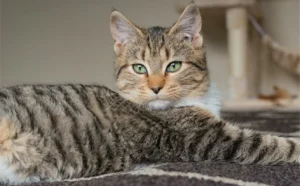
If your pet is suddenly acting strange or seems obsessed with a particular area of your home, it might be because they’re smelling rat urine that you haven’t noticed yet.
How to Identify Fresh vs Old Rat Urine
Fresh rat urine appears wet and might have a yellowish tint. The smell is present but not as overwhelming as old urine. Fresh urine is still liquid and hasn’t fully broken down yet.
As urine ages over a few days, it starts to dry and the ammonia smell gets stronger. You might see small whitish or yellowish stains where the urine was concentrated.
Old rat urine creates crusty, discolored spots. These areas might look like water stains but they smell terrible when you get close. The stains can be dark brown or yellow depending on the surface.
Really old urine that’s been building up for months creates thick buildup that can actually feel greasy or sticky. This is the worst-smelling stage and it’s really hard to clean.
Does Rat Urine Smell Stick to You?
If you’re in an area with heavy rat urine smell, the odor can definitely stick to your clothes, hair, and skin. The ammonia and organic compounds can absorb into fabric and hair.
After cleaning up rat-contaminated areas, people often notice the smell lingering on them even after they’ve left the area. This is because the smell molecules have stuck to everything you’re wearing.

Your sense of smell can also become temporarily “saturated” with the odor. This means you’ll keep smelling it even when you’re in a clean area because your nose is still processing the strong smell.
Washing your hands, changing clothes, and showering after exposure to rat urine areas is really important. The smell will stick around until you clean yourself properly.
How Professional Cleaners Handle the Smell
When pest control or cleaning professionals deal with rat infestations, they use specific methods to handle the smell.
First, they remove all contaminated materials like insulation, damaged drywall, and anything else that’s been soaked with urine. These materials can’t be cleaned properly, they have to be thrown away.
Then they clean all surfaces with enzyme-based cleaners that actually break down the urine compounds instead of just covering up the smell. Regular cleaners won’t work on heavy rat urine contamination.
Some situations require sealing surfaces with special odor-blocking primers before repainting or refinishing. This traps any remaining smell so it can’t keep coming through.
In severe cases, they might use ozone generators or other professional deodorizing equipment. These should only be used by professionals because they can be dangerous if not handled correctly.
Conclusion
Rat urine smells like a sharp, pungent ammonia mixed with a musky, stale animal odor. It’s similar to cat urine but more chemical-smelling and generally more unpleasant.
The smell gets stronger as more urine builds up and as the urine ages and breaks down. In heavy infestations, the smell can be overwhelming and can actually make you sick.
If you notice this distinctive smell in your home, it’s a clear sign that you have rats and you need to deal with the problem quickly. The longer rats are present, the worse the smell gets and the harder it becomes to eliminate.
Understanding what rat urine smells like helps you identify rat problems early, before they turn into major infestations that require professional help and expensive cleanup.

Hi, my name is Ezra Mushala, i have been interested animals all my life. I am the main author and editor here at snakeinformer.com.