
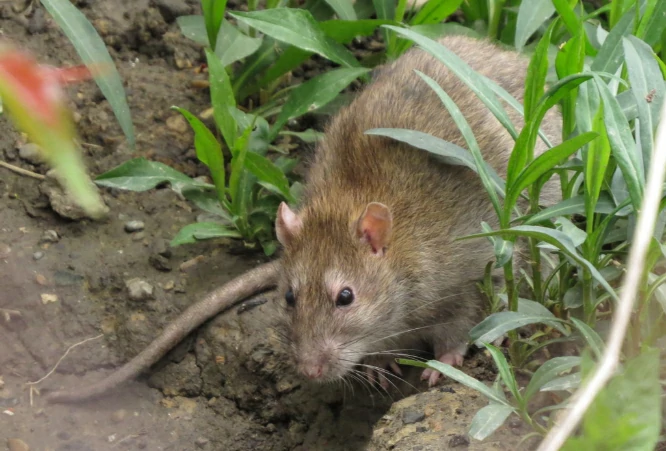
Most people recoil when they see a rat. There’s something about their appearance that triggers instant disgust in many of us, even though some people keep them as pets and find them cute.
The reaction is so common and so strong that it’s worth asking what makes rats look the way they do. So why are rats ugly?
Rats aren’t objectively ugly, but humans perceive them as ugly because of their long scaly tails, beady eyes, large yellow teeth, and association with dirt and disease. These features trigger disgust responses in humans that evolved to protect us from illness and contamination.
What we find ugly or beautiful isn’t random. Your brain has specific reasons for reacting negatively to certain features, and rats happen to have several traits that push those buttons.
Understanding why we see rats as ugly reveals a lot about human psychology and how our minds protect us from danger.
The Tail Is a Major Factor
Ask most people what they find ugliest about rats, and the tail comes up first. Rat tails are long, thick, scaly, and almost completely hairless.
The tail looks like a thick worm or snake attached to the rat’s body. It has visible scales, wrinkles, and sometimes scabs or scratches. The texture is very different from the fuzzy bodies of animals we find cute, like hamsters or rabbits.
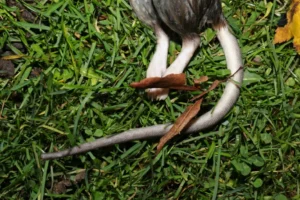
Humans are naturally disgusted by things that look diseased or dirty, and rat tails trigger this response. The scaly, rough texture reminds us of reptiles or parasites, which historically carried diseases that could kill us.
The tail also moves in ways that many people find unsettling. It whips around when the rat runs, wraps around objects when the rat climbs, and drags behind them when they walk. This snake-like movement adds to the creepy factor.
Interestingly, pet rats have the exact same tails, but people who own them get used to the appearance. This shows that the “ugliness” is partly about familiarity and association, not just the physical features themselves.
Their Eyes Look Wrong to Us
Rats have small, dark, beady eyes that sit on the sides of their heads. These eyes are very different from human eyes or the eyes of animals we find cute.
Cute animals usually have large, forward-facing eyes with visible whites and expressive features. Think about puppies, kittens, or even cartoon characters. Big eyes make us feel protective and warm.

Rat eyes are the opposite. They’re small, completely black, and hard to read. You can’t see where they’re looking or what they’re feeling by looking at their eyes. This makes rats seem sneaky or untrustworthy.
The placement on the sides of their head also makes them look alien. Predators and primates have forward-facing eyes, which is partly why we find them easier to relate to. Side-facing eyes make rats look more like prey animals or insects.
When rats’ eyes reflect light (like when you shine a flashlight at night), they can glow red or orange. This eyeshine is normal for many animals, but it makes rats look even more creepy and unnatural to humans.
The Teeth Are Particularly Disturbing
Rats have large, prominent front teeth that are usually yellow or orange. These incisors never stop growing, so they’re constantly gnawing on things to keep them filed down.
The color of rat teeth comes from a layer of iron-rich enamel that makes them stronger. But to humans, yellow teeth are associated with poor hygiene, disease, and decay. Even though rat teeth are perfectly healthy at that color, our brains react negatively.
The size is also off-putting. Rat teeth are huge compared to their head size, and you can often see them even when the rat’s mouth is closed. This makes them look aggressive and dangerous.
When rats open their mouths, you can see even more teeth behind the front incisors. The combination of large yellow front teeth and the visible molars behind them creates an image that many people find genuinely disturbing.
Humans have instincts that make us avoid animals with visible, sharp teeth because they might bite us. Even though rats aren’t particularly aggressive toward humans, their teeth trigger this defensive response.
Rats Are Associated With Filth
Part of why rats look ugly to us has nothing to do with their actual appearance. It’s about what they represent in our minds.
Rats are famous for living in sewers, garbage dumps, and other dirty places. Even though rats themselves are actually pretty clean animals that groom constantly, we associate them with the filthy environments where we see them.
This association makes us see rats themselves as dirty, even when they’re clean. Your brain connects “rat” with “disease” and “contamination,” and this changes how you perceive their appearance.
Studies show that when people are told an animal carries disease, they rate it as uglier than when they’re not given that information. The exact same animal looks different depending on what you believe about it.
Wild rats can carry diseases and parasites, so this association isn’t completely wrong. But it’s so strong that it affects how we see all rats, including clean pet rats that have never been near garbage or sewers.
Their Body Shape Looks Unnatural
Rats have long, low bodies with short legs. This body shape is very different from animals we find cute or attractive.
Cute animals tend to have proportions similar to human babies: large heads, big eyes, and chunky bodies. Rats are the opposite, with small heads, long bodies, and thin legs.
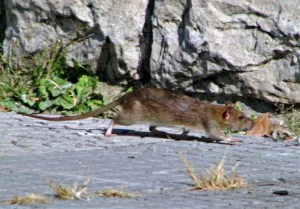
The way rats move also contributes to how we perceive them. They scurry with a low, slinking motion that many people associate with sneakiness or trying to hide. Compare this to how a dog or cat walks, which seems more open and confident.
When rats sit up on their hind legs, they look more appealing to many people. This upright position is more similar to how humans stand, which makes rats seem more relatable. But when they’re on all fours, the long low shape looks alien.
The Fur Isn’t Soft-Looking
While rats do have fur, it’s not the kind of fluffy, soft-looking fur that makes people want to pet an animal. Rat fur is short, somewhat coarse, and often looks greasy or wet, especially on wild rats.
The fur on their tails, ears, and feet is particularly sparse, showing the pink skin underneath. This patchy appearance adds to the overall impression of ugliness.
Wild rats, especially older ones, often have scruffy or damaged fur from fights with other rats or from living in harsh conditions. Missing patches, scars, and dirty or matted fur make them look even more unappealing.
Pet rats usually have nicer-looking fur because they’re well-fed and live in clean conditions. But even fancy rat fur doesn’t have that irresistible fluffiness that makes people want to touch rabbits or Persian cats.
Rats Have Long Whiskers That Look Creepy
Rats have very long whiskers (called vibrissae) that stick out from their faces. These whiskers are important sensory tools that help rats navigate in the dark and tight spaces.
But to many people, the whiskers make rats look more insect-like or spider-like. They move constantly as the rat explores, twitching and bending in ways that some people find disturbing.
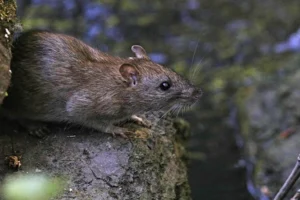
The whiskers also emphasize the rat’s pointed snout, which adds to the rodent appearance that many people find unattractive. The combination of the pointy nose and long whiskers creates a profile that doesn’t match our ideas of beauty.
Rats Look Naked in Some Places
Rats have very little fur on their ears, tails, and feet. These areas show pink or gray skin that looks naked and vulnerable.
Humans generally find hairless animals unsettling. Hairless cats, for example, are controversial in terms of appearance. Some people think they’re interesting, but many find them ugly for the same reason they find rats ugly.
The naked-looking parts of rats make them seem more like large insects or other creatures we instinctively avoid. The contrast between the furry body and the bare tail is especially jarring.
Cultural Programming Reinforces Ugliness
Beyond biological instincts, we’re also taught to find rats ugly through culture and media. Movies, cartoons, and stories almost always portray rats as villains, pests, or symbols of decay.
Children’s books show rats as sneaky and mean. Horror movies use rats to create disgust and fear. Even the word “rat” is used as an insult to mean traitor or snitch.
This cultural programming starts when we’re young and shapes how we see rats for our entire lives. By the time you’re an adult, you’ve seen thousands of negative portrayals of rats and probably zero or very few positive ones.
People who grow up in cultures where rats are seen differently often have different reactions. In some Asian cultures, rats are associated with cleverness and good fortune, and people in those cultures tend to find rats less ugly.
Rats Move in Unsettling Ways
The way rats move contributes to their ugly reputation. They move in quick, jerky bursts with sudden changes in direction. This unpredictable movement makes them seem erratic and threatening.
Rats also move close to walls and surfaces, staying low and trying to remain hidden. This sneaking behavior triggers our instincts about deception and hidden threats.

When rats are startled, they can move incredibly fast. This sudden speed is startling and adds to the overall creepy feeling many people get from rats.
Compare this to how a cat or dog moves. Their movements are smoother, more predictable, and they move openly rather than trying to hide. These differences make dogs and cats seem trustworthy while rats seem suspicious.
Is Ugliness Actually Protective for Rats?
Interestingly, being ugly might actually help rats survive around humans. If rats were cute and appealing, people might have domesticated them completely, like we did with dogs and cats.
Instead, wild rats remain wild and keep their distance from humans (for the most part). Our disgust keeps us from wanting to interact with them, which keeps them safe from human interference.
The features we find ugly are also features that help rats survive. The long tail provides balance for climbing. The large teeth let them gnaw through almost anything. The small eyes are perfect for their mostly nocturnal lifestyle.
In this sense, rats aren’t ugly at all. They’re perfectly designed for their lifestyle. We just find them ugly because their design is so different from ours and from the animals we’ve evolved alongside.
Some People Don’t Find Rats Ugly
It’s worth noting that not everyone finds rats ugly. Pet rat owners often think their rats are cute or even beautiful.
This shows that “ugly” is subjective and based on exposure and association. Once you spend time with rats and get to know their behavior and personality, your perception of their appearance often changes.
Children who grow up with pet rats usually don’t develop the same disgust response that other people have. They see rats as normal pets, not as ugly or scary creatures.
Even people who initially find rats ugly often change their minds after positive experiences. Holding a friendly pet rat, watching rats play, or learning about their intelligence can shift how people see their appearance.
Why Some Rats Look Worse Than Others
Not all rats look equally ugly to human eyes. Younger, healthier rats generally look better than old, sick, or wild rats.
Pet rats that are well-fed and groomed look much better than wild rats living in harsh conditions. Wild rats often have scars, missing fur, damaged tails, and dirty coats that make them look worse.
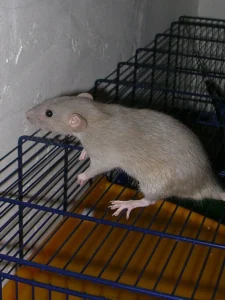
Different rat species also look different. Roof rats tend to have slightly more delicate features and larger ears, while Norway rats are bigger and bulkier with smaller ears. Some people find one species less ugly than the other.
The environment where you see a rat also affects how ugly it looks. A rat in a sewer looks uglier than the exact same rat in a clean cage, partly because our brains are influenced by context.
Conclusion
Rats aren’t objectively ugly, but humans are wired to find them unappealing. Their scaly tails, beady eyes, large yellow teeth, and association with disease all trigger disgust responses that evolved to protect us.
Culture and media reinforce these negative reactions, teaching us from a young age that rats are ugly, dirty, and dangerous. This combination of biological instinct and cultural programming creates a strong reaction in most people.
But ugliness is subjective. People who spend time with rats often come to see them differently. The features we find ugly are actually well-designed adaptations that help rats survive.
Understanding why we find rats ugly doesn’t mean you have to change your feelings about them. But it does help explain why such a successful and intelligent animal gets such a bad reputation based on appearance alone.

Hi, my name is Ezra Mushala, i have been interested animals all my life. I am the main author and editor here at snakeinformer.com.