
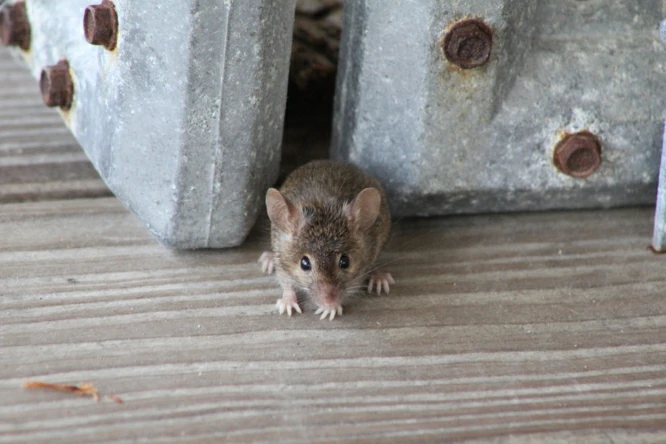
When you’re dealing with a mouse problem, you start looking at every possible entry point in your home. You check windows, doors, and obvious gaps, but what about less obvious spots?
Baseboard heaters run along the bottom of your walls, and they often have openings or gaps that connect to your walls and floors. Can mice actually come in through baseboard heaters?
Yes, mice can come in through baseboard heaters, especially electric baseboard heaters that have gaps or openings where they connect to walls and floors. Mice can squeeze through openings as small as ¼ inch, and the spaces around and inside baseboard heaters often provide easy access into your home.
Baseboard heaters, whether they’re electric or hot water types, can create pathways for mice to get inside. The warm environment around these heaters is also attractive to mice looking for a cozy place to nest during cold months.
Why Baseboard Heaters Are Vulnerable Entry Points
Baseboard heaters sit right against your walls at floor level, and this location makes them natural entry points for mice.
First, there’s usually a gap between the heater and the wall behind it. This gap is necessary for air circulation and proper heating, but it also creates a space where mice can hide and travel.

Second, baseboard heaters often have openings at the ends or along the bottom where they connect to the floor. These openings might be for wiring (in electric heaters) or for pipes (in hot water heaters), and they’re rarely sealed completely.
Third, the wall space behind baseboard heaters often connects directly to other parts of your home. Mice can use these spaces as highways to travel through your walls without you ever seeing them.
The heat from baseboard heaters is also a draw for mice. During winter, when mice are actively looking for warm places to nest, the area around a baseboard heater is perfect.
How Electric Baseboard Heaters Let Mice In
Electric baseboard heaters are especially vulnerable to mouse entry because of how they’re designed and installed.
These heaters have vents or slots along the top and bottom to allow air to flow through. Cold air enters from the bottom, gets heated, and rises out through the top. While these vents are necessary for the heater to work, they’re also large enough for mice to squeeze through.
The wiring for electric baseboard heaters usually enters through a hole in the wall. If this hole isn’t sealed properly around the wire, mice can use it to get into your wall cavity and then into your living space.
Many electric baseboard heaters don’t sit flush against the floor. There’s often a small gap underneath, and if there’s also a gap between your floor and wall (which is common, especially in older homes), mice have a direct path in.
Electric baseboard heaters are also mounted to walls with brackets, and the mounting process sometimes creates additional small holes or gaps that mice can exploit.
How Hot Water Baseboard Heaters Can Be Entry Points
Hot water baseboard heaters (also called hydronic heaters) work differently than electric ones, but they still provide entry points for mice.
These heaters have pipes running through them that carry hot water from your boiler. The pipes usually enter and exit through holes in the wall or floor, and these holes are prime entry points if they’re not sealed properly.
The metal fins inside hot water baseboard heaters create spaces and gaps that mice can hide in. While mice probably can’t live directly inside a hot heater, they can use these spaces to move around and access other areas.

The covers on hot water baseboard heaters are usually removable, and they don’t always fit perfectly. Gaps between the cover and the wall or floor give mice opportunities to get in.
Also, because hot water baseboard heaters are connected by pipes that run through multiple rooms, mice can potentially travel through the entire system from one part of your house to another.
Signs Mice Are Using Your Baseboard Heaters
If mice are getting in through or living around your baseboard heaters, there are several signs to watch for.
You’ll probably hear scratching or scurrying sounds, especially at night. These sounds might seem to come from inside your walls or from behind the baseboard heaters themselves.
Mouse droppings are another clear sign. Look along the base of your heaters and in the corners near them. Mouse droppings are small, dark, and pellet-shaped (about the size of a rice grain).
You might notice a strange smell, especially when the heat is running. Mouse urine has a strong, ammonia-like odor, and when the heater warms up, it can make this smell more noticeable.
If you see smudge marks (dark, greasy streaks) along your walls near the baseboard heaters, this is from the oils in mouse fur rubbing against surfaces as they travel back and forth.
If you actually see a mouse darting behind or under a baseboard heater, that’s obviously a clear sign they’re using that area.
The Dangers of Mice in Baseboard Heaters
Having mice in or around your baseboard heaters creates several serious problems.
Mice chew constantly because their teeth never stop growing. If they get into your electric baseboard heater, they might chew on the wiring. This can cause the heater to short circuit, stop working, or even create a fire hazard.
Chewed wires in any electrical system are dangerous, but in a heating system that already generates heat, the fire risk is even higher.
Mouse droppings and urine around your heaters are health hazards. When the heater runs, it can cause these waste products to dry out and become airborne, spreading bacteria and allergens throughout your room.
Mice also bring in nesting materials (shredded paper, fabric, insulation), and if these materials get too close to heating elements, they can catch fire.
Dead mice in or near heaters create terrible smells that get worse when the heat is on. The decomposition process is sped up by the warmth, making the odor even stronger.
How to Inspect Your Baseboard Heaters for Mouse Entry
If you suspect mice are using your baseboard heaters to get in, you need to do a thorough inspection.
Start by turning off your heaters and letting them cool completely. You don’t want to burn yourself while inspecting them.
Look at where the heater meets the wall. Is there a gap? Even a small space is enough for a mouse to squeeze through.
Check where the heater meets the floor. Get down low and look for gaps between the bottom of the heater and the floor itself, and also check for gaps between the floor and the wall.
For electric heaters, look at where the wire enters the heater and where it goes into the wall. Are these entry points sealed?
For hot water heaters, check where the pipes enter and exit. Follow the pipes to see if there are any openings around them.
Remove the cover of your baseboard heater if possible (make sure it’s cool first and the power is off). Look inside for signs of mice like droppings, nesting materials, or chew marks.
Use a flashlight to look behind the heater into the gap between the heater and the wall. Look for droppings, smudge marks, or any signs of mouse activity.
How to Block Mice From Baseboard Heaters
Once you’ve found the problem areas, you need to seal them up to keep mice out.
For gaps where pipes or wires enter through walls, use steel wool stuffed into the opening, then seal over it with caulk or expanding foam. Mice can’t chew through steel wool, so this creates an effective barrier.
For gaps between the heater and the floor, you can use a thin strip of metal or hard plastic to block the opening. Make sure whatever you use can handle the heat from the heater.

If there are gaps between your floor and wall (behind the heater), you’ll need to seal these too. Expanding foam works well for this, but make sure you’re not blocking necessary ventilation for the heater.
For gaps at the ends of baseboard heaters, you can get special end caps or covers that close off these openings while still allowing the heater to work properly.
Don’t block the top vents or the air intake at the bottom of electric baseboard heaters. These need to stay open for the heater to work safely and efficiently. Instead, you can place mesh screening over these vents. Use hardware cloth or metal mesh with openings smaller than ¼ inch.
Check all the mounting brackets and screw holes. If there are any that go through into your wall cavity, seal around them with caulk.
Safety Considerations When Mouse-Proofing Heaters
When you’re sealing up baseboard heaters, you need to be careful not to create fire hazards or make your heaters work improperly.
Never block the ventilation openings on electric baseboard heaters. These heaters need air flow to work correctly. If you block the vents, the heater can overheat and become a fire hazard.
Don’t use flammable materials to seal gaps near heaters. Expanding foam is generally safe once it’s cured, but check the product label to make sure it’s rated for use near heat sources.
If you’re not sure whether sealing a particular gap is safe, consult with an HVAC professional or electrician. It’s better to get expert advice than to create a dangerous situation.
Keep any materials you use (steel wool, mesh, etc.) away from direct contact with heating elements. There should be enough space between your mouse-proofing materials and the actual heat-generating parts of the heater.
After you’ve sealed up gaps and made modifications, turn on your heater and monitor it for a while. Make sure it’s heating properly and not making any unusual sounds or smells.
Alternative Solutions for Persistent Problems
If you’ve sealed up your baseboard heaters but still have mouse problems, there are other steps you can take.
Consider replacing old baseboard heaters with newer models that have better-designed covers and fewer gaps. Modern heaters are often more mouse-resistant than older ones.
You can install mouse traps near your baseboard heaters (but not too close to the heating elements). Snap traps or catch-and-release traps can help you catch mice that are using these areas.

Some people use ultrasonic pest repellers near their heaters. These devices emit sounds that are supposed to bother mice. The effectiveness of these is debated, but some people find them helpful as part of a larger mouse control strategy.
If you have a serious infestation, you might need to call a pest control professional. They can identify all the entry points in your home (not just the baseboard heaters) and create a comprehensive plan to get rid of the mice.
You should also look at the outside of your home. Mice are getting in from somewhere outside, so sealing up entry points on the exterior of your house is just as important as dealing with the heaters inside.
Other Entry Points to Check
While you’re dealing with your baseboard heaters, it’s smart to check other potential entry points too.
Look at where pipes and wires enter your home from outside. These often have gaps around them that mice can use.
Check your foundation for cracks. Even small foundation cracks can be entry points for mice.
Look at vents (dryer vents, bathroom vents, attic vents) to make sure they have proper screening.
Don’t forget weatherstripping around doors and windows. Worn or damaged weatherstripping creates gaps that mice can squeeze through.
Check your garage door seal. The rubber seal at the bottom of garage doors often develops gaps that are perfect for mice.
The goal is to make your entire home mouse-proof, not just fix the baseboard heaters. Mice are persistent, and if you block one entry point, they’ll just find another unless you seal up your whole house.
Conclusion
Mice can definitely come in through baseboard heaters, both electric and hot water types. The gaps and openings where these heaters connect to your walls and floors provide easy entry points for mice looking for a way inside.
Electric baseboard heaters are especially vulnerable because of their ventilation slots and wiring holes. Hot water baseboard heaters have issues with pipe penetrations and loose-fitting covers.
The warmth from these heaters makes them even more attractive to mice during cold weather. Once mice get into the spaces around your heaters, they can access your walls and spread throughout your home.
You can block mice from your baseboard heaters by sealing gaps with steel wool and caulk, using mesh screening over vents, and closing off openings where pipes and wires enter. Just make sure you don’t block necessary ventilation or create fire hazards.
Regular inspections of your baseboard heaters can help you catch mouse problems early. Look for droppings, smudge marks, and damage, and address any issues right away.
If you seal up your baseboard heaters and also check other entry points around your home, you can keep mice out and protect your heating system from damage.

Hi, my name is Ezra Mushala, i have been interested animals all my life. I am the main author and editor here at snakeinformer.com.