
Drains are something we use constantly in our homes but rarely think about. They carry away water from our sinks, showers, and tubs, disappearing into the hidden plumbing system below our floors.
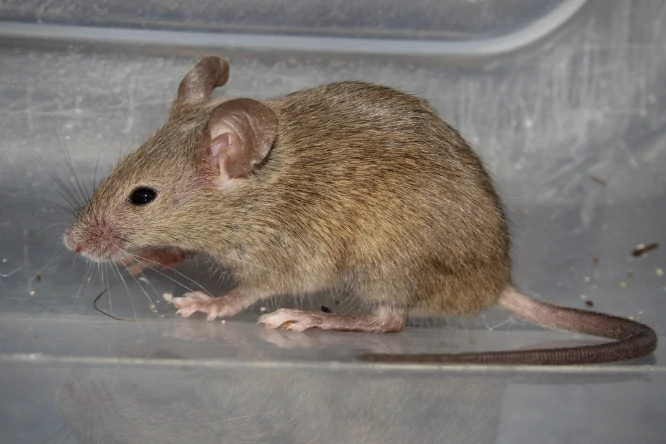
But these hidden pathways can potentially serve another purpose that most homeowners never consider. If you’ve spotted a mouse in your bathroom or kitchen and can’t figure out how it got there, you might be wondering about your drains. Can mice come up through drains?
Mice can technically come up through drains, but it’s actually pretty rare. While mice are excellent swimmers and can hold their breath for several minutes, most household drains have water traps (P-traps or S-traps) that create a water barrier mice usually can’t get past. However, if drains are dry, damaged, or improperly installed, mice might be able to use them as entry points.
The idea of mice coming up through drains is more common in movies and urban legends than in real life. Still, it’s not completely impossible, especially under certain conditions. Understanding when and how this might happen can help you protect your home.
How Drain Traps Usually Stop Mice
Most household drains have a built-in defense against pests coming up through them. This defense is called a trap, and it’s a U-shaped or S-shaped bend in the pipe directly below your drain.
The trap holds standing water that creates a seal between your home and the sewer system. This water barrier serves several purposes: it blocks sewer gases from entering your home and it stops pests (including mice) from climbing up the pipes.
For a mouse to come up through a properly functioning drain, it would need to swim through this standing water. While mice can swim, holding their breath long enough to navigate through a water-filled trap and then climb up the remaining pipe is extremely difficult.
P-traps (the most common type) hold about 2-4 inches of water. This doesn’t sound like much, but for a small mouse trying to swim through a narrow, curved pipe while holding its breath, it’s a serious obstacle.
The water in traps is constantly refreshed when you use the sink or shower. This keeps the water barrier intact and makes it even harder for mice to get through.
Most mice will look for easier entry points into your home rather than attempting the difficult journey through a water-filled drain trap.
When Drains Can Become Entry Points
While properly functioning drains usually keep mice out, there are several situations where drains can become vulnerable to mouse entry.
Dried-out traps are the biggest problem. If a sink, shower, or floor drain isn’t used for a long time, the water in the trap evaporates. Without that water barrier, mice can walk right through the pipe.
This is especially common in guest bathrooms, basement utility sinks, floor drains, or any fixtures that sit unused for weeks or months at a time.
Damaged or broken traps can allow mice to bypass the water barrier. Cracks, holes, or disconnected sections in the trap create pathways around the water.
Improperly installed drains might not have traps at all, or the traps might be installed incorrectly so they don’t hold water properly. This is more common in older homes or DIY plumbing jobs.
Drains connected to dry wells or drainage systems (rather than city sewers) might not have proper traps. Floor drains in basements or garages sometimes drain to gravel pits rather than sealed sewer systems.
Very small drain pipes or shower drains with large openings and shallow traps are easier for mice to navigate than standard sink drains with deep P-traps.
The Difference Between Drain Types and Mouse Risk
Not all drains in your home pose the same level of risk when it comes to mice. Some types are much more vulnerable than others.
Floor drains are probably the highest risk, especially those in basements, garages, or laundry rooms. They’re often neglected, rarely used, and might not have proper traps or the traps dry out.
Sink drains in bathrooms or kitchens that are used regularly are low risk because the water in their traps is constantly being refreshed. The frequent use also means you’d likely notice any problems quickly.
Shower and tub drains are moderate risk. While they usually have good traps, they can dry out in guest bathrooms or vacation homes that sit empty for extended periods.
Washing machine drains can be vulnerable if they don’t have proper traps or if the trap is poorly designed. Some older setups just have a pipe that drains into a utility sink or standpipe without adequate protection.
Toilet drains are discussed separately (see the dedicated section below) but are generally lower risk because of their unique design with built-in water seals.
Outdoor drains, catch basins, and foundation drains might connect to your indoor plumbing in ways that create entry points if they’re not properly sealed and trapped.
Signs That Mice Might Be Using Your Drains
If you’re concerned that mice might be entering through your drains, there are several signs you can look for around your sinks and drains.
Mouse droppings near or around drains are an obvious indicator. Check under sinks, around floor drains, and near any drain fixtures for small, dark, rice-shaped droppings.
Scratching sounds coming from your drains or the pipes under your sinks might indicate mice are exploring these areas, even if they’re not successfully entering.
Unpleasant odors coming from drains could be from mouse urine or droppings in the pipes. This smell is different from normal drain smells and might get worse over time.
Gnaw marks around drain openings or on exposed pipes under sinks show that mice have been investigating these areas as potential entry points.
Seeing a mouse actually emerge from or disappear into a drain is rare but would be definitive proof. This is most likely to happen with floor drains or rarely used fixtures.
Finding nesting materials near drains (like shredded paper or fabric) suggests mice are living close to these areas, possibly using them as entry or exit points.
How to Protect Drains from Mice
If you’re worried about mice using your drains, or if you’ve confirmed they’re entering this way, there are several steps you can take to secure these potential entry points.
Keep all drain traps filled with water. For rarely used drains, pour a gallon of water down them at least once a month to keep the trap full.
Add a small amount of vegetable oil to rarely used drains after filling them with water. The oil floats on top of the water and slows evaporation, keeping your traps functional longer.
Install drain covers with small openings on floor drains. These covers should have holes smaller than 6mm to prevent mice from entering while still allowing water to drain.
Check all drain traps under sinks for damage or leaks. Replace any broken traps immediately and make sure connections are tight and properly sealed.
For drains that connect to dry wells or other non-standard systems, consider having a plumber install proper traps if they don’t already exist.
Use drain screens in sinks and showers. While these are mainly for catching hair and debris, they also provide an additional small barrier against anything trying to come up through the drain.
Seal gaps around drain pipes where they pass through floors or walls. These gaps around the pipes can be larger than needed and might allow mice to bypass the drain entirely.
What About Floor Drains in Basements
Floor drains in basements deserve special attention because they’re among the most likely drains to be used by mice if any drains are used at all.
Basement floor drains are often connected to older drainage systems that might not have proper traps or might have damaged traps that no longer work correctly.
These drains frequently go unused for long periods. Water in their traps evaporates, leaving an open pathway from your basement floor directly to the drainage system or sewer.
Mice already in your basement might investigate floor drains as potential nesting spots or routes to other areas, even if they didn’t originally enter through the drain.
Many basement floor drains have simple grated covers that provide no real protection against mice. Upgrading to covers with finer mesh or smaller openings is important.
If your basement is damp, floor drains might have standing water around them even when the trap is dry. This can hide the fact that the trap has failed and the drain is vulnerable.
Test your basement floor drains by pouring water down them and checking if it drains properly. If water doesn’t drain or drains very slowly, there might be problems with the trap or the drain line.
The Role of Sewer Connections
Understanding how your drains connect to the sewer system can help you assess your risk and take appropriate precautions.
Most modern homes have all their drains connected to a municipal sewer system. These systems are sealed and, when working properly, shouldn’t allow mice to enter from the sewer side.
However, mice can get into sewer systems through street-level access points, broken pipes, or gaps in sewer connections. Once in the sewer, they can potentially travel to your home’s connection.
Sewer lines can develop cracks, breaks, or gaps over time, especially in older homes. If your sewer line is damaged, mice might be able to enter it and travel toward your house.
The main sewer line connection to your house should have a one-way valve or proper sealing, but these can fail or be missing entirely in older installations.
Homes with septic systems instead of sewer connections face different risks. Mice are less likely to be in septic systems, but they might access drain lines through other outdoor connections.
Having your sewer line inspected by a plumber with a camera can reveal any damage or vulnerabilities that might allow pests to access your drains from outside.
Maintenance to Keep Drains Mouse-Proof
Regular maintenance of your drains is the key to preventing mice from using them as entry points. This maintenance doesn’t require special skills or expensive tools.
Run water through all drains in your home at least once a week, even those in rarely used bathrooms or fixtures. This keeps traps filled and functional.
For drains in vacation homes or long-term vacant properties, pour a mixture of water and a small amount of vegetable oil down each drain before leaving. Check and refill these when you return.
Schedule regular plumbing inspections, especially in older homes. A plumber can check that all traps are functioning correctly and identify any problems you might miss.
Clean hair and debris from drain screens regularly. While this doesn’t directly relate to mice, keeping drains clear prevents clogs that can lead to trap problems.
Check under sinks periodically for leaks, corrosion, or damage to drain pipes and traps. Address any issues immediately before they become entry points.
If you notice a drain that smells bad even after cleaning, or one that drains slowly, have it inspected. These can be signs of trap problems or damaged pipes.
Mice vs. Rats: Different Drain Risks
It’s worth noting that while this article focuses on mice, rats pose a different and often greater risk when it comes to drains, especially toilets.
Rats are larger, stronger swimmers than mice. They can hold their breath for up to three minutes and are much more capable of navigating through water-filled traps.
Rats are more commonly found in sewer systems than mice. While mice prefer drier environments, rats are comfortable in the moist conditions of sewers.
If you’re finding rodents coming up through drains, they’re more likely to be rats than mice, especially if they’re coming through toilets.
The solutions for keeping both mice and rats out of drains are similar: maintain water traps, install proper covers, and seal any damage to pipes.
However, rat problems usually require more robust solutions and professional help because rats are more persistent and capable when it comes to navigating plumbing systems.
When to Call a Professional
Some situations with mice and drains are beyond DIY fixes and require professional help from plumbers or pest control experts.
If you’ve actually seen a mouse come up through a drain, call both a plumber and pest control. The plumber can assess your drainage system while pest control handles the mouse problem.
Persistent mouse problems despite securing other entry points might mean your drains are the issue. Professionals can inspect your entire plumbing system to find vulnerabilities.
If you have an older home with original plumbing, a professional inspection is a good idea. Old systems might have design issues or damage that create entry points.
Strange smells or sounds coming from multiple drains might indicate problems in your main sewer line that require professional diagnosis and repair.
If you’re renovating or making changes to your plumbing, have a professional ensure all new or modified drains have proper traps and are installed correctly.
For vacation homes or properties that sit vacant for long periods, a plumber can install special trap primers that automatically keep traps filled without manual intervention.
Conclusion
While mice can technically come up through drains, it’s actually pretty uncommon in homes with properly functioning plumbing. The water-filled traps under most drains create a barrier that mice usually can’t get past.
The main situations where drains become vulnerable are when traps dry out from lack of use, when traps are damaged or broken, or when drains don’t have proper traps at all. Floor drains in basements and other rarely used fixtures are the highest risk.
The best prevention is simple: run water through all your drains regularly to keep traps filled, install drain covers with fine mesh on floor drains, check under sinks for damaged traps, and seal any gaps around pipes. If you’re dealing with persistent mouse problems and suspect your drains might be involved, professional inspection of your plumbing system is worth the investment.

Hi, my name is Ezra Mushala, i have been interested animals all my life. I am the main author and editor here at snakeinformer.com.