
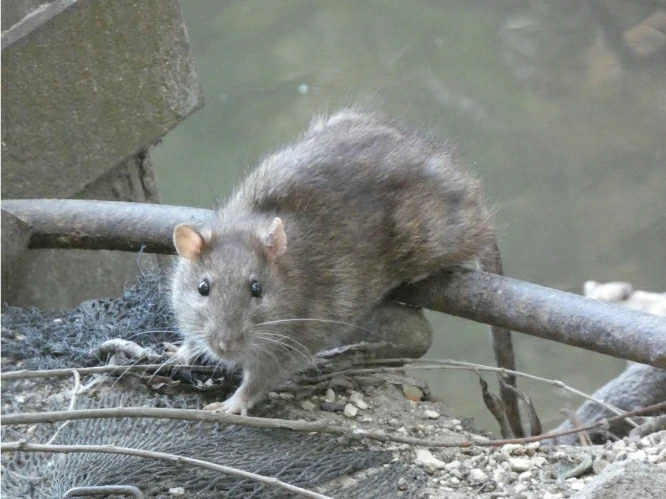
When you’ve got rats in your house, the first thing you need to figure out is where they’re getting in. You can set all the traps you want, but if you don’t find and seal their entry points, more rats will just keep coming. The problem is that rats are sneaky, and their entry points aren’t always obvious. So how do you actually find out where rats are coming from?
To find where rats are coming from, look for grease marks, droppings, gnaw marks, and tracks near walls and corners. Check your home’s exterior for gaps around pipes, foundation cracks, and damaged vents. Rats typically enter through openings at ground level or roof lines, and they leave visible signs along their regular pathways.
The key is understanding rat behavior and knowing what signs to look for. Rats are creatures of habit and use the same routes repeatedly, which means they leave behind clues. Once you know how to read these clues, finding their entry points becomes much easier.
Understanding Rat Behavior and Movement Patterns
Rats are nocturnal, which means they’re most active at night. They prefer to move along walls and edges rather than out in the open. This is called thigmotaxis, which is just a fancy way of saying they like to keep their bodies touching something as they move.

They create regular pathways between their nest and food sources. Rats will use the same routes every night, which is why you’ll see concentrated signs of activity along certain paths in your home.
Rats don’t see very well, but they have excellent senses of smell, touch, and hearing. They use their whiskers to navigate in the dark and can feel their way along walls and through tight spaces.
A single rat can have multiple entry and exit points. They don’t just use one hole; they’ll memorize several different routes in and out of your home. This gives them escape options if they feel threatened.
The Most Common Signs Rats Leave Behind
Grease marks are one of the clearest signs. Rats have oily fur, and when they repeatedly squeeze through the same spots, they leave dark, greasy streaks. These marks show up best on light-colored surfaces like walls, beams, and pipes.
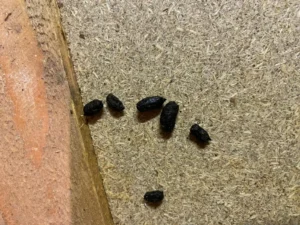
Droppings are another obvious sign. Rat droppings are about the size of a raisin (roughly half an inch long) and have blunt ends. Fresh droppings are dark and moist, while old ones are gray and crumbly.
Gnaw marks tell you where rats have been chewing. Look for these on wood, plastic, wires, and even concrete. Fresh gnaw marks are lighter in color and have sharp edges, while old marks are darker and worn smooth.
Tracks and footprints can show you exactly where rats are traveling. If you suspect an area but aren’t sure, sprinkle flour or talcum powder on the floor overnight. Check in the morning for tiny footprints.
How to Inspect Your Home’s Exterior
Start at ground level and work your way up. Walk around your entire house and look carefully at the foundation. Check for cracks, gaps, or holes, especially where the foundation meets the ground.
Look at where utility lines enter your home. Pipes for water, gas, electricity, and cable often have gaps around them where they pass through walls. These are prime entry points because rats can squeeze through really small spaces.
Check all your vents carefully. This includes dryer vents, bathroom vents, attic vents, and crawl space vents. Look for damaged screens, missing covers, or gaps around the vent housing.
Don’t forget the roof line. Roof rats (also called black rats) are excellent climbers and often enter through gaps in the soffit, missing shingles, or openings where the roof meets the walls.
Walk around your house at different times of day. Some gaps are easier to see in certain lighting conditions. Early morning or late afternoon when the sun is low can cast shadows that make holes more visible.
Interior Inspection Tips
Check your basement or crawl space first if you have one. These areas often have the most obvious entry points because they’re closest to ground level and have more exposed pipes and ductwork.
Look in your attic too. Rats can enter through the roof and set up nests in attic insulation. Check around vents, where the roof meets the walls, and around any openings for wires or pipes.
Inspect behind and under appliances. The areas behind your stove, refrigerator, washer, and dryer often have holes where pipes or vents go through the wall. Pull appliances out if you can and check thoroughly.
Look in closets and storage areas. These quiet, undisturbed spaces are attractive to rats, and you’re more likely to find clear signs of activity there.
Check inside cabinets, especially kitchen cabinets. Look in the back corners and underneath for droppings or grease marks. Also check where pipes come up through the floor inside the cabinet.
The Flashlight and Inspection Method
Get a good, bright flashlight for your inspection. You need to be able to see into dark corners, cracks, and crevices where rats might be entering.
Start your search in the evening or at night when rats are active. You might actually see rats entering or leaving, or at least hear them moving around.
Look at the floor line where walls meet the floor. Shine your light along this junction all around your home. Rats often travel right along this edge.
Check the corners of rooms carefully. Rats particularly like corners because they provide two walls to guide them and offer a sense of security.
Look up at the ceiling line too, especially where walls meet the ceiling. Roof rats will travel along upper edges, and you might see grease marks or droppings up high.
Using Tracking Methods to Find Entry Points
Flour or talcum powder works great for tracking. Sprinkle it in areas where you suspect rat activity, especially near potential entry points. The next morning, you’ll see footprints showing exactly where rats traveled.
You can also use non-toxic tracking powder designed for pest control. This sticks to rats’ feet and shows up under UV light, which can help you trace their movements even better than regular flour.
Another method is putting down strips of paper or cardboard dusted with flour. Place these near walls and potential entry points. Check them daily for tracks.
If you find tracks leading to a specific area but can’t see an obvious hole, look more carefully. The entry point might be hidden behind something or up higher than you initially thought.
Checking for Light and Air Flow
On a sunny day, go into your basement, crawl space, or attic and turn off all the lights. Look for any places where sunlight is coming through. If light can get in, rats can get in.
Do the same check on a windy day, but this time feel for air movement. Put your hand near suspected areas and see if you can feel a draft. Moving air means there’s a gap somewhere.
You can also have someone turn on lights inside your home while you stay outside in the dark. Any light coming through shows you where there are openings in your walls or foundation.
This works particularly well in basements and crawl spaces where gaps might not be obvious in normal lighting.
Common Entry Points You Might Miss
Gaps under doors are easy to overlook. If you can slide a pencil under your door, a rat can probably squeeze through. Check all exterior doors, including garage doors.
Air conditioning line entry points often have gaps. Where the coolant lines pass through the wall, there’s usually a hole that’s larger than the lines themselves.

Weep holes in brick walls are designed to let moisture out, but rats can use them to get in. Check these small openings in the mortar between bricks.
Chimneys without caps are an open invitation. Rats can climb down chimneys and get into your home through the fireplace.
Attached garages often have gaps where they connect to the house. Check the door between your garage and home, and look for openings in shared walls.
The Grease Mark Trail Method
Rats leave grease marks because they have oily fur and tend to travel the same routes repeatedly. These marks are some of the best clues for tracking their movements.
Look for dark, greasy smears along walls, especially near the floor. The marks will be most visible on light-colored surfaces.
Check vertical surfaces too, like pipes, beams, and the edges of stairs. Rats will run along these and leave grease marks.
Follow the trail of grease marks backward. They’ll lead you from where you’ve seen rats inside your home back toward their entry point.
The grease marks will be darkest and most concentrated right near the entry hole because rats squeeze through and wipe more oil off at that spot.
Listening for Rats at Night
Rats are most active between dusk and dawn. If you stay quiet and listen during these hours, you might hear them moving around.
You’ll hear scratching sounds as they run along inside walls or across attic floors. The sound of gnawing is distinctive too, a steady, repetitive scraping noise.
Listen near suspected entry points. If you hear sounds near a particular area of wall or near a vent, that’s probably where they’re getting in.
Sometimes you can hear rats squeaking to each other. This is more common when you have multiple rats or a nest nearby.
The sounds will be loudest near active entry points and nest locations. Use your ears to narrow down where to focus your visual inspection.
Looking for Gnaw Marks and Damage
Rats need to gnaw constantly to keep their teeth filed down. This means they’ll chew on things around their entry points.
Look for fresh wood shavings or plastic fragments. These indicate recent gnawing activity and can point you to an entry hole.
Check electrical wires and cables, especially where they enter your home. Rats often gnaw on these, which is not only a sign of their presence but also a fire hazard.
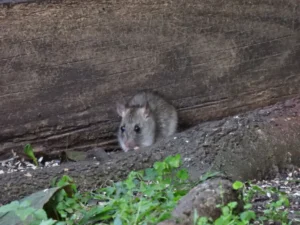
Gnaw marks on food packaging inside your home show rats are active there, but look for similar marks near walls and potential entry points.
The gnaw marks near entry holes will often be in a circular pattern around the hole’s edge as rats work to make the opening bigger.
Using Your Sense of Smell
Rat urine has a strong, musky ammonia smell. If you smell this odor in a particular area, rats are active there or nearby.
The smell will be strongest near nest sites and regular pathways. Follow your nose to areas where the odor is most concentrated.
Dead rats have an unmistakable rotting smell. If you smell decay, you might have a dead rat in your wall or attic. This can actually help you locate areas where rats have been active.
Nesting material often has a musty smell too. Rats bring in paper, fabric, and insulation to build nests, and these materials take on the rat odor.
The Importance of Checking Multiple Times
Rats don’t always use every entry point every day. They might rotate between several different holes depending on what route seems safest or which food source they’re targeting.
Check your suspected entry points at different times. What’s empty in the morning might show fresh activity by evening.
Do your inspections in different weather conditions too. Some entry points might be more obvious when it’s raining (you’ll see water damage or drips) or when it’s windy (you’ll feel drafts).
Keep checking even after you find one entry point. Most rat problems involve multiple points of entry, not just one hole.
What to Look for in Different Seasons
In fall, rats are actively looking for warm places to spend the winter. You’re more likely to find fresh gnaw marks as they create new entry points.
Winter activity often focuses on existing entry points. Rats won’t create as many new holes when it’s cold; they’ll use established routes.
Spring brings more activity as rats start breeding. You might notice more droppings and grease marks as the population increases.
Summer can actually be a good time to inspect because rats are less desperate to get inside. You can seal entry points when they’re more likely to be outside.
How to Confirm You’ve Found the Right Entry Point
Once you think you’ve found an entry point, loosely stuff it with newspaper. If rats are using that hole, they’ll push the newspaper out within a day or two.
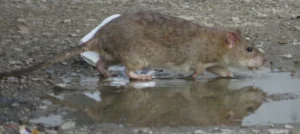
You can also sprinkle flour around the suspected entry point. Fresh footprints in the flour confirm rats are actively using that spot.
Set up a trail camera or motion-activated camera near the suspected hole. This can give you visual confirmation and also show you how many rats are using that entry.
Check the hole at night with a flashlight. You might catch rats coming or going, which definitively proves that’s an active entry point.
When to Call a Professional Inspector
If you’ve done a thorough inspection but still can’t find how rats are getting in, it might be time for professional help. Pest control experts have experience and tools that can help locate hidden entry points.
Professionals have cameras they can snake into walls and tight spaces. They can see areas you can’t access without tearing into your walls.
If you have a large property or a complex rat problem, professionals can do a comprehensive inspection much faster than you can.
Some pest control companies offer free inspections. Even if you plan to do the repairs yourself, getting a professional opinion on entry points can be valuable.
Conclusion
Finding where rats are coming from takes patience and careful inspection. You need to check both inside and outside your home, looking for grease marks, droppings, gnaw marks, and other signs of rat activity.
The most common entry points are gaps around pipes and utilities, foundation cracks, damaged vents, and openings in the roof line. Don’t overlook small gaps; rats can squeeze through holes as small as a quarter.
Use multiple methods to track rats: visual inspection with a good flashlight, tracking powder or flour, checking for light and air flow, and listening at night. The more techniques you use, the more likely you are to find all the entry points.
Once you’ve located where rats are getting in, seal those entry points with materials rats can’t chew through, like metal flashing, hardware cloth, or cement. Remember to check multiple times and in different conditions because rats often have more than one way into your home.

Hi, my name is Ezra Mushala, i have been interested animals all my life. I am the main author and editor here at snakeinformer.com.