

You’ve found signs of rats in your house, and now you’re trying to figure out how they got inside. You’ve looked around and can’t see any obvious holes or openings.
It seems like your house is sealed up pretty well, but clearly there’s a way in somewhere. So where can rats come in from?
Rats can come in from dozens of different entry points around your house. They can squeeze through holes as small as a quarter, climb up walls and pipes, and chew through weak materials to make openings bigger. Common entry points include gaps around pipes and wires, cracks in the foundation, damaged vents, openings under doors, and holes near the roof.
Finding and sealing these entry points is one of the most important steps in getting rid of rats and keeping them out for good.
Rats Can Squeeze Through Tiny Openings
The first thing you need to know is that rats don’t need a big hole to get into your house. An adult rat can squeeze through an opening as small as a quarter (about half an inch or 1.3 cm).
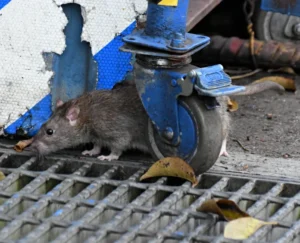
Their bodies are incredibly flexible because their ribs are hinged. As long as their skull can fit through a hole, the rest of their body can follow.
This means you’re looking for really small gaps and cracks that you might not think are a problem. A gap under a door, a crack in your foundation, or a small hole where a pipe enters your house could all be entry points for rats.
You need to inspect your house really carefully, looking for openings that seem too small to matter. Those are exactly the ones rats will use.
Common Entry Points Around Your House
Let’s go through the most common places where rats get into houses. Knowing these spots helps you focus your inspection.
Gaps Around Pipes And Utility Lines
Anywhere a pipe, wire, or cable enters your house is a potential entry point. Plumbing pipes, electrical wires, gas lines, cable TV lines, and phone lines all have to go through your walls to get inside.
Often there are gaps around these entry points that weren’t sealed properly during construction or that have opened up over time. Rats find these gaps and squeeze through.
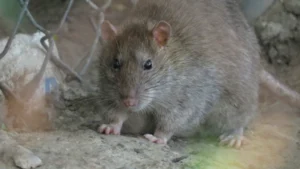
Check under your kitchen sink, in your basement, in your utility room, and on the outside walls where you can see pipes or wires entering the house. Look for any daylight or space around the pipes.
Even a small gap is enough for a rat.
Cracks In The Foundation
Your house’s foundation can develop cracks over time as the building settles, especially in older homes. These cracks might start small but can widen due to weather, moisture, or ground movement.
Rats can use even hairline cracks if they’re big enough, and they can also chew on the edges of small cracks to make them bigger. Walk around your entire foundation (both inside your basement and outside) looking for any cracks, holes, or damaged areas.
Pay special attention to corners where walls meet, and to areas where the foundation meets the ground. Rats often burrow along the foundation and find weak spots at ground level.
Damaged Or Missing Vent Covers
Your house has vents in several places (attic vents, crawl space vents, dryer vents, bathroom exhaust vents). These vents need to let air flow, but they should have screens or covers to keep animals out.

Over time, vent screens can rust, break, or come loose. Sometimes they’re missing entirely.
Rats can easily get through vents that aren’t properly screened. Check all your vents, especially the ones near ground level or on your roof.
If the screen is damaged or the louvers are broken, rats can get in. Dryer vents are especially common entry points because they’re warm and the flap that’s supposed to close when the dryer isn’t running often gets stuck open or breaks.
Gaps Under Doors
The gap at the bottom of exterior doors is often overlooked as an entry point. If there’s a space under your door that’s bigger than half an inch, a rat can squeeze under it.
This is especially common with garage doors. The rubber weather stripping at the bottom of garage doors wears out over time, and gaps develop.
Rats can easily slip under a garage door with worn weather stripping, especially at the corners where gaps tend to be bigger. Check all your exterior doors (front door, back door, side doors, and especially your garage door) by looking at them from the inside when it’s bright outside.
If you can see daylight under the door, rats can fit through that gap.
Roof Entry Points
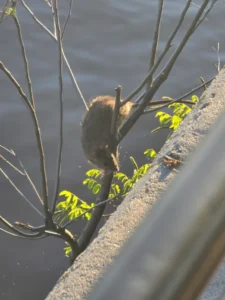
Rats are excellent climbers. They can climb up the side of your house, climb trees and jump onto your roof, or climb up drainage pipes and utility lines.
Once they’re on your roof, they look for ways to get into your attic. Common roof entry points include damaged soffit vents, gaps where your roof meets your walls, missing or damaged roof shingles, and openings around roof vents or chimneys.
The soffit (the underside of the overhang of your roof) often has vents to allow air circulation in your attic. If these vents are damaged or if there are gaps in the soffit material, rats can get in.
Check your entire roofline from the ground with binoculars, or carefully climb up and inspect it yourself if you’re comfortable doing that.
Windows And Window Wells
Windows can be entry points if the frames are damaged, if there are gaps around the frame, or if screens are torn. Basement windows are especially vulnerable because they’re at ground level and often hidden by bushes or window wells.
Window wells (the metal or concrete structures that surround basement windows) can actually trap rats trying to get to the window. Once a rat is in the window well, it’ll work hard to find a way into the basement through the window.
Check all your windows, especially basement windows. Look for gaps around the frames, damaged wood, and torn or missing screens.
Tree Branches Touching Your House
Tree branches that touch your house or come close to it act like bridges for rats. Rats can climb up a tree trunk, walk along branches, and jump onto your roof or walls.
Once they’re on your house, they look for entry points. If you have trees within 3 to 6 feet of your house, rats can probably use them to access your roof.
Trim all tree branches so they don’t touch your house and aren’t within easy jumping distance. This doesn’t seal any holes, but it does make it harder for rats to reach the parts of your house where holes might be.
Chimneys
If you have a chimney, it needs a cap on top to keep animals out. Many chimneys don’t have caps, or the caps are damaged or missing.

Rats can climb down uncapped chimneys and get into your house through the fireplace or through gaps where the chimney connects to your house. Inspect your chimney from the outside.
If there’s no cap or if the cap is damaged, have one installed. Also check around the base of the chimney (where it meets your roof) for gaps or damaged flashing.
Air Conditioning And HVAC Penetrations
If you have central air conditioning or other HVAC equipment, there are probably holes in your walls where the lines run from the outside unit to the inside. These penetrations should be sealed, but sometimes they’re not done properly or the seal deteriorates over time.
Check around your air conditioning lines, furnace exhausts, and any other HVAC equipment that goes through your walls. Look for gaps or openings that rats could use.
Garage Entry Points
Garages are very common entry points for rats because they’re less finished than the main house and often have more gaps and openings. Besides the garage door (which we already mentioned), check for gaps where the garage is attached to the house.
The door that connects your garage to your house often has gaps around it. Check the threshold, the frame, and around any pet doors if you have them.
Also look for holes in the garage walls themselves, especially near the floor and around any pipes or wires.
Entry Points By Location (Table)
Here’s a comprehensive table showing common rat entry points organized by location:
| Location | Common Entry Points | What To Look For |
|---|---|---|
| Foundation | Cracks, holes, gaps at ground level | Hairline cracks, crumbling concrete, gaps where foundation meets ground |
| Walls | Gaps around pipes, damaged siding, cracks | Holes where utilities enter, damaged or loose siding, cracks in stucco or brick |
| Roof | Damaged shingles, soffit vents, ridge vents | Missing or broken shingles, gaps in soffit, damaged vent screens |
| Attic | Gable vents, ridge vents, eave gaps | Broken vent screens, gaps where roof meets walls, holes in attic floor |
| Doors | Gaps under doors, damaged weather stripping | Space under doors (more than 1/2 inch), worn or missing weather stripping |
| Windows | Damaged frames, torn screens, gaps | Rotted wood frames, missing or torn screens, gaps around window frame |
| Garage | Garage door gaps, wall penetrations | Worn weather stripping on garage door, holes in garage walls |
| Chimney | Missing cap, damaged flashing | No chimney cap, gaps where chimney meets roof, damaged mortar |
| Vents | Dryer vents, exhaust vents, crawl space vents | Broken or missing vent covers, gaps around vent openings |
| Utilities | Pipe entry points, electrical lines, cable lines | Gaps around plumbing pipes, spaces around electrical conduit, unsealed utility penetrations |
How To Inspect Your House For Entry Points
Now that you know where to look, here’s how to do a thorough inspection. Pick a day when the weather is good and you have a few hours to spend.
Start outside and walk around your entire house slowly, looking at every part of the foundation, walls, and roof that you can see from the ground. Look down at ground level and up at the roofline.
Take pictures of anything that looks like a possible entry point so you can find it again later when you’re ready to seal it. Go inside and check your basement or crawl space.
Look at the walls and ceiling from inside, checking for holes, gaps, or daylight coming through. Check your attic the same way.
Use a flashlight to look in dark corners and behind insulation. Feel around pipes and wires to see if there are gaps you can’t see.
In your garage, check all the walls, especially where they meet the floor and ceiling. Check behind storage shelves and in corners where you don’t usually look.
Signs That Rats Are Using An Entry Point
Sometimes you can tell which holes rats are actually using by looking for specific signs. Active entry points will have greasy rub marks around them (from the rats’ oily fur brushing against the edges).
You might see droppings near the hole, or you might see gnaw marks where rats have been chewing to make the hole bigger. If you see cobwebs covering a hole, that’s a good sign rats aren’t using that particular hole right now because they would have broken through the web.
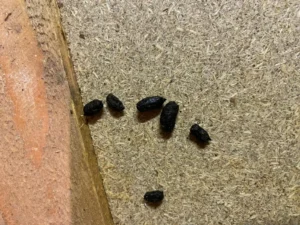
But just because a hole isn’t being used now doesn’t mean it won’t be used later, so you should seal it anyway.
How Rats Make New Entry Points
Rats don’t just find existing holes, they can create new ones. Rats have incredibly strong teeth that never stop growing, which means they have to chew constantly to keep them worn down.
They can chew through wood, plastic, soft metals, drywall, and even some types of concrete. If a rat finds a small crack or a weak spot in your house, it can chew on it to make it bigger until there’s room to squeeze through.
This is why sealing holes properly is so important. You can’t just stuff a hole with foam or caulk because rats will chew right through that.
You need to use materials rats can’t chew through, like steel wool, hardware cloth (metal mesh), or sheet metal.
Sealing Entry Points Properly
Once you’ve found the holes, you need to seal them the right way. For small gaps (less than an inch), you can stuff steel wool into the hole and then cover it with caulk or expanding foam.
The steel wool prevents rats from chewing through, and the foam holds it in place. For larger holes, use hardware cloth (1/4 inch mesh or smaller) or sheet metal to cover the opening.

Secure it with screws so rats can’t pull it off. Then you can cover the patch with caulk or foam to make it look better.
For gaps under doors, install or replace weather stripping or door sweeps. For garage doors, replace the rubber seal at the bottom.
For foundation cracks, use hydraulic cement or masonry repair products designed for that purpose. For roof repairs, you might need to hire a professional, especially if the damage is extensive.
Working on roofs can be dangerous if you’re not experienced with it.
Don’t Seal Holes While Rats Are Still Inside
This is really important: don’t seal up all the entry points if you haven’t that are already in your house. If you seal rats inside, they’ll be desperate to get out and will cause even more damage trying to chew through walls to escape.
They’ll also die inside your walls if they can’t find food and water, and dead rats smell terrible for weeks. First, make sure all the rats are gone by using traps and not seeing any new signs of activity (no fresh droppings, no sounds, no new chewing) for at least a week.
Then seal up all the entry points. Some people seal all the holes except one, then put traps near that last hole to catch rats as they try to leave.
Once no more rats are getting caught, they seal the last hole.
Regular Inspections Are Important
Even after you’ve sealed everything, you should check your house regularly for new entry points. Buildings shift and settle, weather causes damage, and maintenance work can create new openings.
Do a walk-around inspection every few months, especially after storms or severe weather. Look for new cracks, damaged vents, or any changes in your house’s exterior.
Catching a new opening early means you can seal it before rats find it and move back in.
Conclusion
Rats can come in from dozens of different places around your house. They can squeeze through tiny holes (as small as a quarter), climb up to your roof, and chew through weak materials to create new entry points.
The most common entry points are gaps around pipes and wires, cracks in the foundation, damaged vents, spaces under doors, and openings near the roof. Finding these entry points takes a careful, thorough inspection of your entire house, both inside and outside.
Once you find the holes, seal them properly using materials rats can’t chew through like steel wool, hardware cloth, or sheet metal. But remember to get rid of any rats that are already inside before you seal everything up.
Trapping and sealing work together to solve a rat problem. You can’t just do one or the other, you need to do both to keep rats out for good.

Hi, my name is Ezra Mushala, i have been interested animals all my life. I am the main author and editor here at snakeinformer.com.